

Successful home decor planning requires a systematic approach tailored to each room’s unique function. This décor planning guide simplifies your decorating journey for every room. Thoughtful planning helps you create a cohesive and functional home that reflects your personal style. It also ensures you stay within budget. Experts agree that investing in your home’s appearance, even a small amount, can significantly increase its value and reduce sale time. For example, yard upgrades often recover 100% of their cost. Consider this a step-by-step guide to transform your living spaces. You can confidently plan each room.
General Décor Planning Principles
Define Your Style And Vision
Begin your décor planning guide by defining your personal style. You can collect inspiration from various sources. Create mood boards with images, textures, and colors you love. This helps you visualize your desired aesthetic. Gathering inspiration allows you to select a cohesive color palette. This initial step guides all your interior design choices. Knowing your style ensures a unified look across all your rooms.
Set A Realistic Budget
Setting a realistic budget is crucial for any design project. Prioritize your expenses. Decide if you will handle tasks yourself or hire professionals. Create a “needs versus wants” checklist. This helps you allocate funds wisely. Consider these typical budget allocations for home decor projects:
Category | Typical Budget % |
|---|---|
Furniture & Decor | 45% – 55% |
Services & Construction | 40% – 50% |
Designer Fees | 5% – 10% |
Contingency Fund | 10% – 15% |
Allocate a contingency fund for unexpected costs. This ensures your plan stays on track.
Optimize Room Layout
A well-optimized room layout improves functionality and comfort. Measure your room accurately. Then, plan your space. Consider traffic flow carefully. For example, main walkways need 30-36 inches of clear space. This allows comfortable passage. Keep 14-18 inches between a sofa and a coffee table. This ensures easy access. Ensure clear pathways from every doorway to seating areas. Proper furniture placement creates a perfect floor plan. This thoughtful layout avoids obstructions.
Prioritize Functionality
Always prioritize the function of a room. How will you use the space? This question informs all your design decisions. For instance, a living room needs to accommodate various activities. These include TV viewing, conversation, and reading. Ensure comfortable seating and clear pathways. The layout should support both socializing and solitude. Provide surfaces near seats for convenience. Layered lighting also creates mood and flexibility. Your plan should always reflect the room’s primary purpose.
Living Room: Design Your Central Space
Purpose And Flow
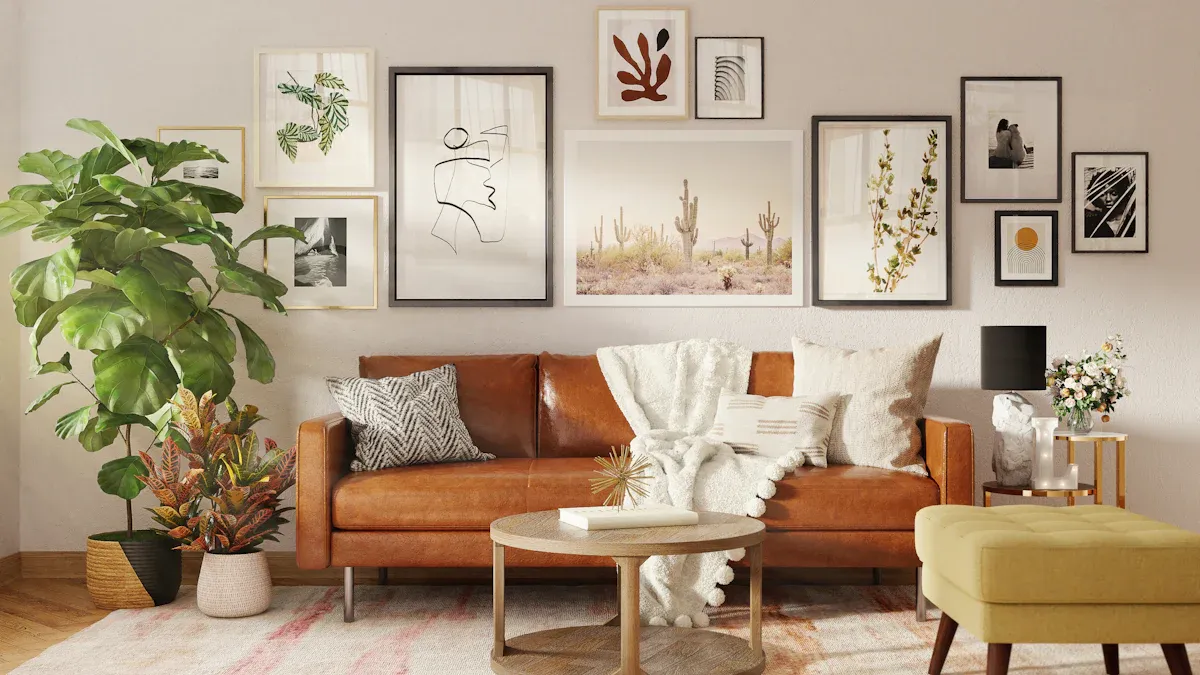
Your living room serves as a central hub for relaxation and socializing. You must consider its purpose and how people move through it. Think about seating arrangements for conversation. Plan entertainment zones for media viewing. A medium-sized living room, typically measuring 12 by 18 feet (216 square feet), can comfortably accommodate at least six people. For a family home, a recommended living room size of 25 to 30 square meters (270 to 320 square feet) offers enough room for a full-sized sofa or sectional, armchairs or lounge chairs, a large coffee table, and a media setup. Ensure you create clear pathways. This allows easy movement between different areas. A well-thought-out layout improves the overall flow of the room. This careful plan makes your living space more inviting.
Key Furniture Selection
Selecting the right furniture is crucial for your living room. Choose essential pieces like sofas, chairs, coffee tables, and media consoles. These items form the foundation of your design. Your sofa often acts as the main focal point. Consider its size and style. Ensure it fits the room’s dimensions. You can add accent chairs to provide extra seating. A coffee table offers a convenient surface. Media consoles organize your entertainment equipment. Each piece of furniture should contribute to both comfort and aesthetics.
Lighting Strategies
Effective lighting enhances the mood and utility of your living room. You need to layer different types of lighting. This creates depth and visual interest. Ambient lighting provides overall illumination. Task lighting focuses on specific activities. Accent lighting highlights features. For general living room lighting, a range of 50-150 lux is suggested. 150 lux is recommended for casual reading. This can be considered task lighting. For ambient lighting, approximately 100 to 200 lumens per square meter is recommended. This range supports a cozy yet functional atmosphere.
You can use freestanding uplighters behind sofas. These highlight architectural details. Remote-controlled dimmers for lamps offer flexibility. Reading floor lamps provide focused light. Accent lighting should be about three times brighter than ambient lighting. This draws attention to artwork or bookcases. A well-designed lighting plan incorporates these elements.
Textiles And Accessories
Textiles and accessories add personality and comfort to your living room. Consider rugs, cushions, and throws. These items introduce texture and color. Natural fibers like wool, jute, sisal, and bamboo are popular for rugs. They offer durability and an organic look. Textured rugs with high pile or woven designs add depth. Bold geometric patterns are in style. Earth tones like terracotta and olive greens are also popular. Vibrant accents can inject energy. Artwork and decorative objects personalize your space. These elements help create a natural focal point. They make your rooms feel complete.
Color Scheme And Ambiance
The color scheme sets the overall ambiance of your living room. Focus on creating a welcoming and comfortable atmosphere. Cool colors like blues and greens evoke calmness. Muted tones are generally more soothing than bright colors. Smoky sage green, mossy green, and dusty blue-green are good choices. Rich teal, emerald green, navy blue, and indigo also work well. These deeper, saturated colors can create a “cocoon effect.” This provides a sense of physical comfort. Warm neutrals like beige, taupe, and creamy off-whites offer a grounding effect. Soft pastels contribute to a restful space. Your chosen color palette should complement the overall design. This helps you achieve a cohesive look for your open-plan living areas.
Bedroom: Create Your Personal Sanctuary
Comfort And Serenity Focus
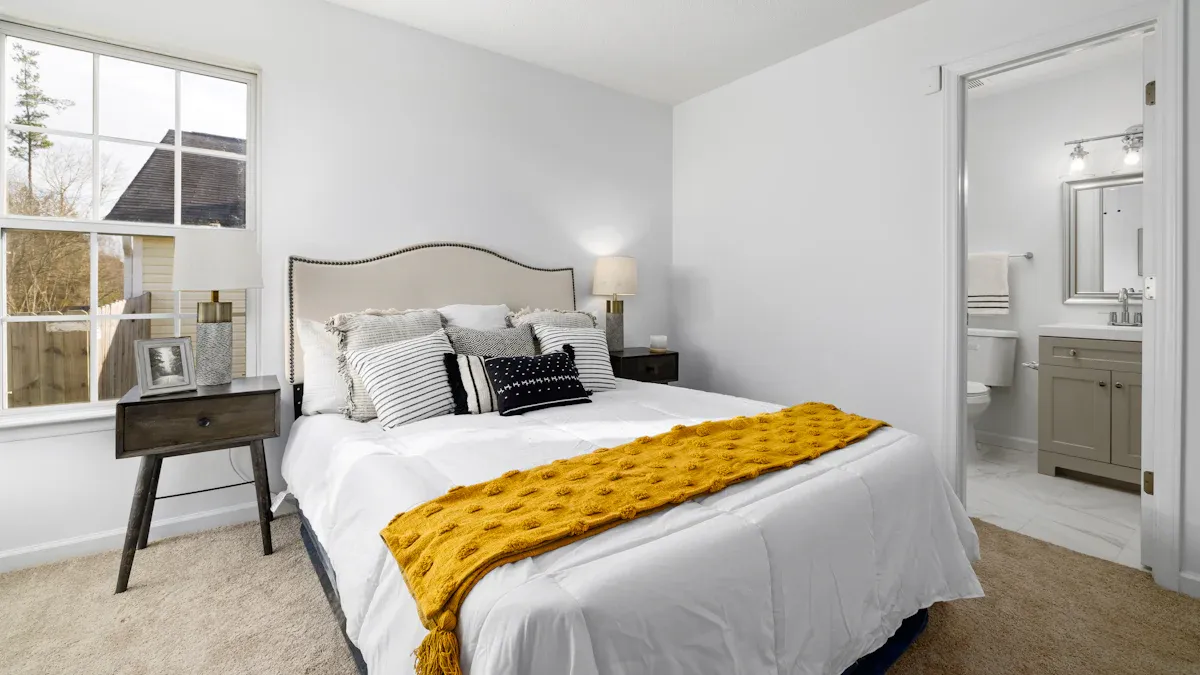
Your bedroom is a personal sanctuary. You design it for relaxation and restful sleep. This room should offer a peaceful escape from daily stresses. You want to create an environment that promotes calm. Consider the optimal conditions for sleep. Experts suggest maintaining a bedroom temperature between 60 and 67° F for adults. For babies, aim for 65 to 70° F. A good rule of thumb is to set the nighttime temperature 2-5 degrees cooler than your daytime temperature. For example, if your daytime temperature is 70° F, set it to 65° F at night.
Humidity also plays a key role in comfort. The best humidity level for sleeping is between 30% and 50% relative humidity (RH). This range helps you maintain comfortable airways. It prevents skin and sinus irritation. This range also promotes a stable bedroom environment. A relative humidity range of 30% to 50% is the ‘Goldilocks zone’ for sleep health. It maximizes comfort and minimizes health risks. Most experts suggest 40% to 45% RH as the ultimate ‘sweet spot’. This reduces static electricity and prevents dry air that spreads viruses. It does not cause damp conditions. Humidity should never exceed 60%. This prevents mold, mildew, dust mites, and breathing difficulties.
You should also consider the size of your bedroom. This impacts your overall design and furniture choices. A standard master bedroom often measures 14 feet by 16 feet, totaling 224 square feet. Guest bedrooms typically measure 10 feet by 12 feet, or 120 square feet. These dimensions help you plan your layout effectively.
Bed And Bedding Essentials
Your bed is the focal point of your bedroom. You must choose it carefully. Select a mattress that provides excellent support and comfort. Consider different mattress types.
Mattress Type | Support Characteristics | Durability Factors | Typical Lifespan |
|---|---|---|---|
Memory Foam | Maintains shape and support, resists sagging and body impressions; higher density foam provides longer-lasting support. | Dense cellular structure; foam density is key (higher density = more durable); no mechanical parts to wear out. | 7-10 years (premium models longer); 10-15 years with proper care. |
Innerspring | Support depends on coil quality and construction; modern designs with individually wrapped coils minimize motion transfer. | Coil gauge (thickness), number of coils, coil design (individually wrapped vs. Bonnell), quality of steel; mechanical parts (springs) can fatigue. | 6-8 years (premium models longer); 8-10 years with proper care. |
Hybrid | Combines durable coil systems for foundational support with high-quality foam layers for comfort and pressure relief. | Leverages durability advantages of both innerspring and memory foam; well-constructed with premium materials. | 7-9 years; 10-12 years or more. |
Choose a headboard that complements your room’s style. Select high-quality linens and pillows. These items enhance your sleep experience. They also add to the aesthetic appeal of your room.
Smart Storage Solutions
Efficient storage keeps your bedroom tidy and clutter-free. You need smart storage solutions. These maximize space, especially in smaller bedrooms.
Use wall-mounted cubbies for bedside storage. This keeps your floors clear.
Utilize under-bed storage. This includes open baskets and trundle beds with drawers. You can store folded clothing or out-of-season items here.
Choose multi-functional furniture. Consider DIY floating shelves instead of nightstands. Look for storage headboards. Desks can double as bedside tables.
Use unexpected spaces. The back of a closet door works for wardrobe planning. Narrow spots can hold slim storage units. Unused niches can become reading nooks with built-in storage.
Install hooks and shelves. These organize jewelry, accessories, and outerwear.
Select narrower dressers. They fit into slim corners. Armoires provide additional clothes storage.
Consider customized closet solutions. These include a mix of drawers, cubbies, cabinets, and hanging bars.
Install built-in wardrobe units. They offer extra closet space. You can add vertical storage on the side.
These solutions help you maintain an organized and peaceful environment.
Bedroom Lighting
Bedroom lighting should support relaxation and sleep. You need soft, dimmable, and bedside lighting options. Layer your lighting for flexibility.
Begin with warmer white light (2700-3000K) at sunset.
Transition to amber lighting (1800-2200K) 2-3 hours before bed.
Switch to red light for the final hour and any nighttime use.
Eliminate blue light 2-3 hours before bed. You can do this by switching to amber or red light bulbs. Use ‘no-blue amber LED bulbs’ in frequently used evening spaces like bedrooms. Utilize ‘red light bulbs for sleep’ for bedside lamps and nighttime bathroom use. They provide visibility without melatonin suppression. Dimmers allow you to adjust the brightness. This creates the perfect ambiance for winding down.
Color Palette And Textures
The color palette and textures in your bedroom significantly impact your mood and sleep quality. You want calming colors and soft fabrics.
Color | Psychological Impact | Sleep Quality Effect | Suggested Palette |
|---|---|---|---|
Green | Refreshing, promotes harmony and renewal, calming, reduces anxiety, vitality and balance | Soothing and rejuvenating sleep environment | Sage green, moss, dark hunter green bedding, botanical prints, green organic textures |
Blue | Calming influence, evokes feelings of peace and clarity | Enhances relaxation, promotes deep sleep | Sky blues to deep navy shades in bedding |
Neutrals (taupe, beige, cream, soft grey) | Understated elegance, warmth and comfort | Fosters a comforting environment conducive to restful sleep | Neutral tones throughout bedding (sheets, blankets, pillows) |
Pale Pink | Romantic and nurturing, promotes relaxation and emotional balance | Creates intimate and soothing spaces, evokes serenity and affection | Calming pink shades, delicate floral patterns, soft textures in bedding, blush pink throw pillows/blankets |
White | Symbolizes purity and clarity, serene atmosphere, reduces stress, promotes tranquility | Essential for quality sleep, spa-like retreat | Layer textures with different fabrics (linen, cotton, crinkle, embroideries, matelasse, pintucks) |
Soft fabrics like cotton, linen, and silk enhance comfort. They add a luxurious feel. These choices contribute to a serene atmosphere.
Incorporating Personal Touches
Personal touches make your bedroom uniquely yours. Incorporate artwork, photos, and plants. These items reflect your personality. They create a warm and inviting space. Choose artwork that evokes peace and happiness. Display cherished photos. Add plants for a touch of nature. Plants improve air quality. They also add a natural focal point. These elements transform your room into a true sanctuary.
Kitchen: The Functional Culinary Hub
Workflow And Efficiency
Your kitchen needs an efficient workflow. This optimizes storage and appliance placement. The work triangle is a key design principle. It focuses on the sink, refrigerator, and stove. Positioning these elements creates a natural workflow. This makes cooking more efficient. The work triangle involves an invisible triangle between these core stations. They are for food preparation, cooking, and cleanup. A well-proportioned triangle supports easy movement. This reduces meal preparation time. It also lowers chances of kitchen collisions. The refrigerator is near the entry for groceries. The sink is between the refrigerator and cooktop. This facilitates smooth transitions. The cooktop is accessible from prep and cleaning zones. This ensures a fluid culinary routine. This thoughtful plan improves your kitchen’s usability.
Cabinetry And Countertops
Choose cabinetry and countertops for style and durability. Non-porous surfaces are best for hygiene. They minimize harmful bacteria. Quartz is very durable and hygienic. It is non-porous. Solid surface materials like Corian® are also non-porous. They resist stains. Granite needs sealing to reduce porosity. Modern laminates can be antimicrobial. These materials ensure your kitchen stays clean. Consider the overall furniture in the room.
Kitchen Lighting
Proper lighting enhances your kitchen’s function. Use task lighting for prep areas. Use ambient lighting for dining. Preparation stations need bright light. Aim for 750 to 1000 lux. This allows precise ingredient evaluation. It helps with exact knife action. Focused task lighting of 75-100 foot-candles is ideal for detailed work. Ambient lighting creates a pleasant atmosphere. This lighting plan makes your kitchen versatile.
Backsplash And Flooring
Select backsplashes and flooring for practicality and looks. Porcelain, ceramic, metal, and glass tiles are excellent for backsplashes. They are non-porous. They resist staining. You can clean them easily. Natural stones like marble need regular sealing. They require special cleansers. For flooring, choose water-resistant and easy-to-clean options. This keeps your room functional. These choices impact the feel of your rooms.
Dining Area Integration
Integrate dining areas like islands and breakfast nooks. Kitchen islands with seating are popular. Each person needs 24 to 30 inches of width. They need 12 to 15 inches of depth. A 12 to 18-inch overhang is common for seating. Standard island height is 36 inches. A 6-foot island fits 2-3 bar stools. An 8-foot island offers more seating. This layout provides extra dining space. The island often becomes a focal point.
Décor Accents
Add décor accents to personalize your kitchen. Open shelving displays your favorite dishes. Plants bring a touch of nature. Display attractive kitchenware. These elements add character to your room. They make your kitchen feel inviting.
Bathroom: Your Refreshing Retreat
Practicality And Hygiene
Your bathroom is a space for daily routines. It needs to be practical and hygienic. You must choose fixtures that are easy to clean. Good ventilation is also essential. It prevents moisture buildup and maintains air quality. Exhaust fans are a popular solution. They pull humid air out and force it through a duct to the exterior. You can also use window ventilation in rooms with large or operable windows. This works best during milder weather and when used with a fan. Integrated HVAC systems offer a more complex setup. They pull bathroom air through a central system. This helps regulate humidity across your entire home.
Modern exhaust fans offer intelligent controls. Moisture sensors automatically activate the fan when humidity rises. Motion detection turns fans on when someone enters and off after they leave. Some models even offer phone control for remote adjustment. Air quality monitoring detects pollutants and adjusts ventilation accordingly. Dehumidifiers are useful in humid climates. They maintain proper moisture levels. Timer switches ensure fans run for at least 20 minutes after showers. This fully clears moisture from the room.
Essential Storage Solutions
Efficient storage keeps your bathroom tidy and functional. You need solutions that maximize space and resist moisture. Over-the-toilet storage units use vertical space. They offer storage without occupying floor space. Models with enclosed cabinets protect items from moisture. Floating shelves are sleek and minimalist. They do not take up floor space. You should choose them in moisture-resistant materials like treated wood, glass, or acrylic. Narrow bathroom cabinets and storage towers fit into tight gaps. They provide significant storage capacity. Under-sink organization systems use drawer organizers, stackable bins, or adjustable shelves. They maximize space beneath the sink, working around plumbing.
For small bathrooms, prioritize vertical space. Floor space is often limited. Solutions like over-the-toilet units, floating shelves, and tall narrow cabinets are highly effective. Selecting materials rated for bathroom use is crucial. This prevents warping, rust, or mildew due to the humid environment. Moisture-resistant woods like teak and cedar naturally resist rotting and mold. Sealed wood pre-treated against excess moisture is also an option. Rust-resistant metals include stainless steel, aluminum, and brass. These metals resist constant exposure to moisture. Waterproof laminates and plastics are affordable and long-lasting. They are often pre-treated to resist moisture and humidity. This makes them ideal for cabinets, shelves, and vanities.
Bathroom Lighting
Proper lighting in your bathroom serves two main purposes. You need bright task lighting for grooming. You also need softer lighting for relaxation. For tasks like makeup application or shaving, you need precise color differentiation. A 5000K Kelvin temperature is recommended for this. This ‘daylight’ range mimics natural sunlight. It ensures true-to-life color representation. This is especially beneficial for vanity areas. It illuminates your face evenly, reduces shadows, and provides clear, bright light. This makes it ideal for accurate color and detail perception. Cool lighting (≥4000 K) also boosts brightness and sharpness. It helps you see details clearly.
Bathroom Need | Recommended Color Temperature (K) |
|---|---|
Makeup & Shaving | 5000K |
For relaxation, use softer, dimmable lights. This creates a calming atmosphere.
Color Scheme And Materials
The color scheme and materials you choose impact the feel of your bathroom. You should select water-resistant materials. Calming colors create a serene environment. Light blues, greens, and soft grays are popular choices. They evoke a sense of tranquility. White and off-white tones make the room feel clean and spacious. For materials, consider ceramic or porcelain tiles for floors and walls. They are durable and water-resistant. Quartz or solid surface countertops are non-porous and easy to maintain. Your overall design should reflect a peaceful retreat.
Textiles And Accessories
Textiles and accessories add comfort and style to your bathroom. Choose plush towels and soft bath mats. These items enhance your experience. Select a shower curtain that complements your color scheme. Decorative items like soap dispensers, toothbrush holders, and small vases personalize the room. You can use a unique mirror as a focal point. These elements complete the look of your room.
Creating A Spa-Like Feel
You can transform your bathroom into a refreshing retreat. Incorporate elements that create a spa-like feel. Scented candles or diffusers add a pleasant aroma. Essential oil diffusers can disperse calming scents like lavender or eucalyptus. Add plants for a touch of nature. They improve air quality and bring life to the space. Orchids, ferns, and snake plants thrive in humid bathrooms. Soft, ambient lighting helps you relax. A comfortable bath pillow or a wooden bath caddy can enhance your soaking experience. These thoughtful additions make your bathroom a true sanctuary. You can plan these details to elevate your daily routine.
Cohesion And Personalization: Bringing It All Together
Maintaining A Consistent Style
You want a home that feels harmonious. You can achieve a consistent design aesthetic across your rooms. Repeat design elements throughout your home. This includes wood shelving, matching decor accents, or similar artwork. Use consistent wood stains and finishes for furniture, floors, or DIY projects. This ties different areas together. Match hardware and light fixtures across spaces for design unity. Black fixtures offer a versatile choice. Paint all doors, molding, and trim in the same crisp white color. This creates cohesion. It makes accent colors pop. It also provides a clean canvas. Pick a cohesive home design color palette. Establish a general palette to stick to. Mix up your decor while keeping the base consistent. Introduce unique items like rugs, throw pillows, and furniture. This adds personality without disrupting the overall cohesive aesthetic. Your interior design will feel unified.
Incorporating Personal Touches
Your home should reflect who you are. Integrate personal collections and meaningful items. This creates an environment dedicated to relaxation and self-care. Such personalization contributes to a space free from distractions. It fosters peace. It aids in mental well-being. Engaging with meaningful objects can lead to immersive “flow” states. This helps reduce stress. Personally significant items provide a means for you to express your emotions. Goal-directed behaviors associated with collecting and curating personal items can promote a sense of accomplishment. This boosts self-esteem. Make a cherished photograph a focal point in your living room. Display souvenirs from your travels. These items tell your story.
Decluttering And Organization
Decluttering and organization enhance your decor. They create a calm and inviting atmosphere. You can start with five minutes at a time. Gradually build momentum by dedicating just five minutes daily to decluttering. Give one item away each day. This simple habit can remove 365 items annually. Fill an entire trash bag. Quickly gather items for donation into a trash bag. Donate clothes you never wear. Use the hanger trick to identify unworn clothing. Take the 12-12-12 challenge. Identify 12 items to throw away, 12 to donate, and 12 to return to their proper place. Use the Four-Box Method. Label four boxes (trash, give away, keep, re-locate). Sort every item in a room into one of them. This ensures no item is overlooked. A clear layout and organized plan improve the overall flow of your rooms.
Thoughtful room-by-room planning transforms your house into a home. This décor planning guide helps you achieve a cohesive look. Each room, when intentionally designed, contributes to your overall comfort and personal style. You maximize functionality and reflect your taste. This step-by-step guide empowers your interior design journey. You can confidently plan your living spaces. Use this décor planning guide to create a living environment you truly love. This comprehensive interior design plan ensures your home reflects your unique vision.