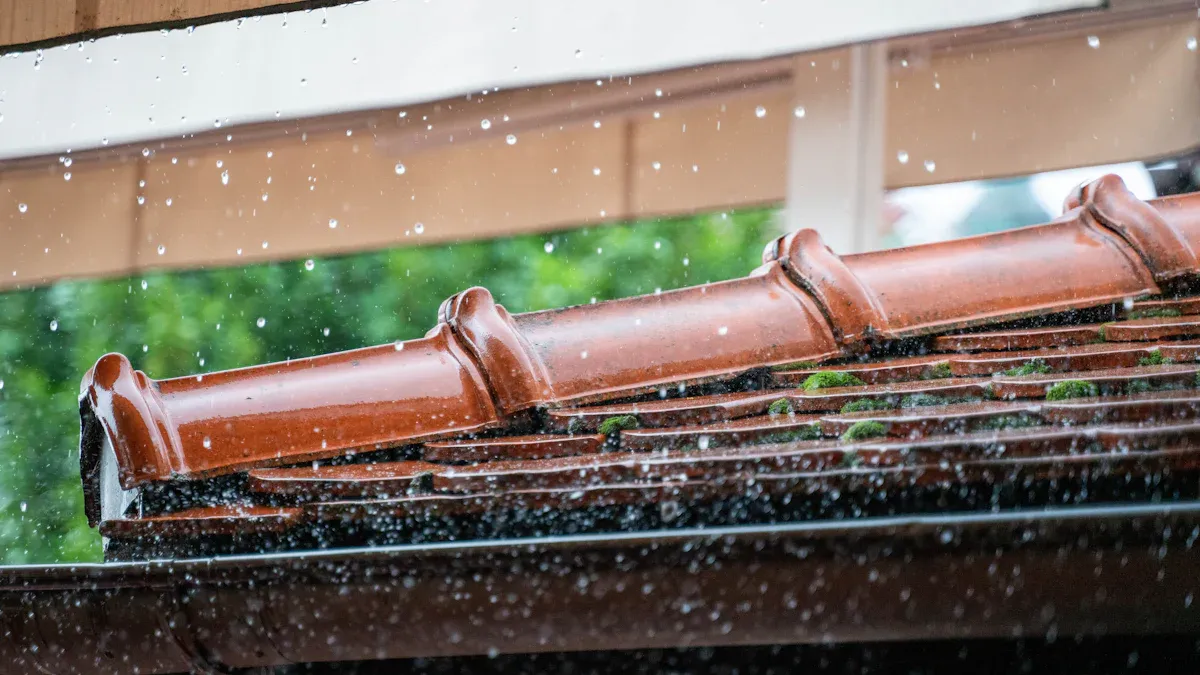
Your home’s structural integrity relies heavily on its often-overlooked water management systems. Roof edges, gutters, and proper drainage are your first line of defense. They protect your home from rain, snowmelt, and ice. Water damage costs homeowners significantly; the average claim is over $13,900. In fact, water damage accounts for nearly 30% of all home insurance claims. An effective water drainage system prevents moisture damage and costly repairs. This guide helps you understand how these components work together for crucial protection.
Key Components of Home Water Drainage
Your home’s exterior relies on several key components to manage water effectively. These parts work together. They protect your home from water damage. Understanding each component helps you maintain your water management system.
Roof Edges: First Line of Defense
The roof edges are crucial for directing water. A drip edge is a metal flashing installed along the edge of your roof. It prevents water from rolling behind the fascia. This action stops wind-driven rain from blowing between the shingles and the fascia. Without a drip edge, water follows surface tension. It can get behind fascia boards. This causes persistent moisture conditions. These conditions lead to rot, mold, and structural damage over time. A drip edge guides water away. It prevents water from seeping behind gutters. It also protects the underlayment and roof decking from water intrusion. This provides essential protection for your home.
Fascia and Soffits: Structural Support and Aesthetics
Fascia boards and soffits are vital parts of your roof eaves. Fascia is the horizontal board along the roof’s edge. It sits directly under the lower edge of the shingles. Fascia acts as a sturdy line of defense. It supports critical elements like gutters. It also prevents water from seeping into the roof deck and rafters. Soffits are the undersides of the roof eaves. They provide ventilation to your attic. This airflow reduces heat buildup and minimizes moisture. Proper ventilation prevents mold growth. Soffits also keep pests out. Together, fascia and soffits safeguard your roof system. They protect your home from water damage. They also enhance your home exterior.
Gutters: Collecting and Channeling Water
Gutters collect water from your roof. They channel it away from your home’s foundation. This prevents erosion and basement flooding. You can find gutters in various materials.
Material | Lifespan | Key Characteristics |
|---|---|---|
Aluminum | Durable | Lightweight, affordable, customizable, can dent |
Copper | 50 years or more | Highly durable, corrosion-resistant, develops patina, expensive |
Steel (Galvanized) | Requires maintenance | Sturdy, withstands extreme weather, zinc-coated |
Steel (Stainless) | Longer than galvanized | Does not rust, more expensive |
Vinyl | Can become brittle/warp | Cost-effective, lightweight, easy to install |
Zinc | Over 50 years | Durable, corrosion-resistant, develops protective patina, expensive |
Each gutter material offers different benefits. You choose the best option for your home.
Downspouts: Directing Water Away
Downspouts are vertical pipes. They connect to your gutters. They direct the collected water from the roof eaves to the ground. Proper downspouts are essential for effective water drainage. They move water away from your home’s foundation. Standard residential downspouts come in common sizes.
2×3 inches: Handles approximately 600 square feet of roof area per inch of rainfall/hour.
3×4 inches: Handles approximately 1200 square feet of roof area per inch of rainfall/hour.
You need enough downspouts for your roof size. This ensures efficient water management.
The Water’s Journey: From Roof to Ground
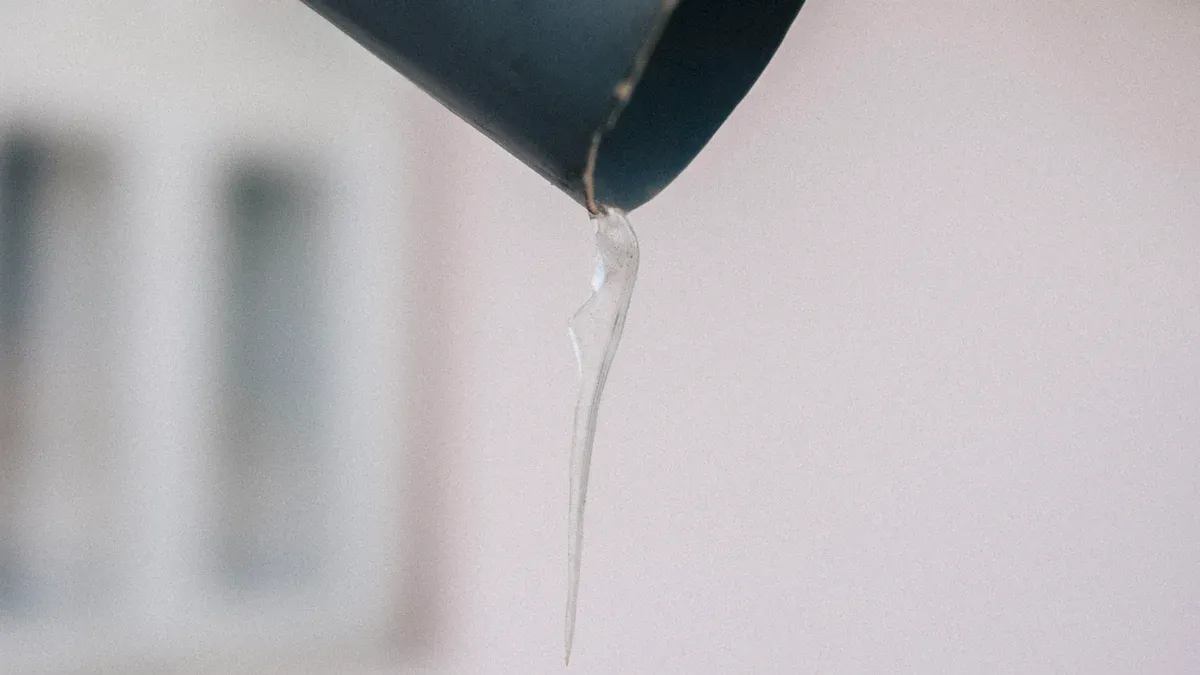
Understanding how water moves from your roof to the ground is key. This journey involves several coordinated steps. Each step ensures water moves away from your home. This prevents potential damage.
How Rainwater Flows Off Your Roof
Rainwater first hits your roof. Gravity then pulls it downwards. It travels across the roof surface. The water collects at the lowest points. These are the roof eaves. Your roof edges play a role here. They guide the initial water runoff. This directs water towards the gutters. This initial water flow is crucial. It sets up the entire water drainage process.
Gutter Function and Capacity
Gutters collect water from your roof eaves. They channel this water away. The capacity of your gutters matters. It depends on their size and shape.
K-Style gutters (5 or 6 inches) offer good capacity. A 5-inch K-style holds about 5 gallons per foot. A 6-inch holds about 7 gallons per foot.
Half-Round gutters (5 to 6 inches) hold slightly less.
Box gutters (7 to 12 inches) handle much more water.
Your climate and roof size influence the best choice. Areas with heavy rainfall need larger gutters. Larger roofs also collect more water. This requires higher capacity gutters. Proper gutter function prevents water from overflowing. This protects your home’s foundation.
Downspout Efficiency and Extensions
Downspouts take water from the gutters. They direct it to the ground. Efficient downspouts are vital. They move water away from your home’s foundation. Downspout extensions are beneficial. They further divert water.
They prevent hydrostatic pressure. This reduces foundation damage.
They stop foundation and concrete settlement.
They reduce basement flooding risks.
They control expansive soils. This prevents cracks.
They combat wood rot and mold growth.
They improve curb appeal.
These extensions ensure water travels far from your roof eaves. This provides essential protection.
Ground Drainage for Foundation Protection
The final step involves ground drainage. You must ensure water drains away from your home. This protects your foundation. A proper ground slope is essential. For permeable surfaces, aim for at least 0.5 inches per foot. This slope should extend at least 10 feet from the foundation. For impervious surfaces, a 2% slope is recommended. This means a 2-inch drop over 100 inches. This slope ensures effective water flow. It prevents water from pooling near your home. This prevents damage to your foundation.
Common Water Drainage Problems and Their Impact
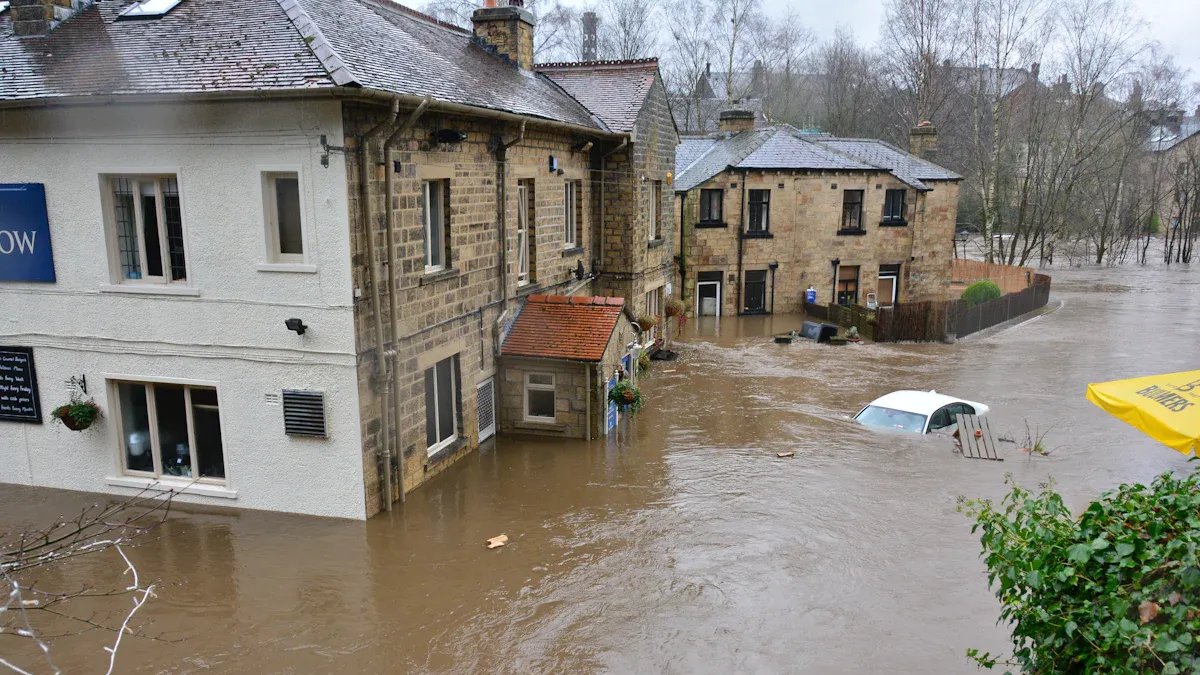
You rely on your home’s water drainage system. It protects your home from water damage. However, many common problems can undermine this protection. These issues lead to significant damage. Neglecting these problems causes long-term consequences. You face costly repairs if you ignore them. These problems affect everything from your roof eaves to the ground around your home. They compromise the integrity of your home’s eaves and foundation.
Clogged Gutters and Downspouts
Clogged gutters and downspouts are a major problem. Leaves, twigs, and debris block the water flow. Water then spills over the sides of your gutters. This water collects near your foundation. It can seep into basements. This weakens structural supports. Over time, it causes cracks. Water pooling around the foundation leads to erosion. This weakens the walls. It results in foundation cracks and settling. Overflowing water from clogged gutters saturates the soil. Moisture seeps into cracks. This causes basement flooding. These foundation issues are costly to repair.
Leaking or Damaged Gutters
Leaking or damaged gutters also pose a threat. Cracks or holes in your gutters allow water to escape. This water drips directly onto your fascia boards. It causes rot. You might see soft, spongy, or discolored wood behind your gutters. This indicates fascia rot. If failed gutters cause rot in fascia boards, you must address both issues. Repairing the fascia and installing new gutters together is the best solution. This prevents further damage. Replacing gutters and repairing fascia can cost $3,000-$6,000. This cost applies when water damage affects the wood.
Improper Gutter Pitch
Your gutters need the correct pitch. An improper gutter pitch prevents proper drainage. Water leaks from the end of the gutter opposite the downspout. This is a primary indicator of incorrect slope. Water should always flow towards the downspout. If water flows away, the slope is wrong. You might see standing water in your gutters hours or days after rain. This suggests improper slope. Water collects in back ends, corners, or middle sections. Heavy shingle grit accumulates in the back end of the gutter. This indicates water flowing away from the downspout. Gutter rust or corrosion results from prolonged standing water. Incorrect tilting causes this. Gutter drips after rain signify standing water. If drips occur from the end opposite the downspout or from a corner, it points to a slope issue. Improper drainage causes cracks and basement issues. It leads to wood rot and mold staining. It damages the foundation, walls, or roof. It increases the possibility of erosion around the foundation. This weakens the structure. It promotes mold, mildew, or algae formation. In winter, it allows ice dams to form. These damage shingles and cause leakage into your home.
Inadequate Downspout Extensions
Inadequate downspout extensions create serious risks. Uncontrolled runoff oversaturates the soil. This causes expansion or shrinkage. It puts pressure on basement walls. This leads to cracks and costly damage. Pooled water near the foundation inevitably enters basements and crawl spaces. This increases the risk of flooding and expensive water damage. Concentrated water flow from standard downspouts washes away mulch, soil, and garden beds. This damages landscaping. Standing water puddles are ideal breeding grounds for mosquitoes. Excess rainwater not redirected accumulates around the foundation. It seeps through cracks and gaps. This causes structural damage and costly repairs. Water pooling around the foundation saturates and shifts soil. This leads to cracks in the foundation. It compromises stability. It potentially causes significant structural damage. Water not properly redirected can seep into the basement. This damages belongings. It creates a breeding ground for mold and mildew. This poses health hazards. Excess water not redirected from the foundation flows over the ground. This causes erosion. It results in sinkholes and damage to landscaping. You face basement seepage or flooding. You can have high humidity and mold in crawl spaces. Cracked foundation walls or floors are possible. Increased hydrostatic pressure is a risk. Structural shifting or settling can occur. These issues stem from downspouts that do not extend far enough from your roof eaves.
Poor Ground Grading and Foundation Issues
Poor ground grading is another critical issue. It allows water to pool near your home’s foundation. This increases the risk of foundation damage. Constant moisture exposure leads to cracks, settling, or structural failure. You face structural instability. This leads to cracks in walls and floorings. Water damage causes mold, mildew, and other related issues. This decreases your property value. Repairing mistakes from poor grading can be a significant financial burden. It can exceed $10,000 depending on the damage extent. Mold and mildew grow in basements or crawl spaces due to moisture intrusion. This affects indoor air quality. Increased pest activity attracts termites, ants, and rodents to damp environments. Landscaping damage includes erosion. This destroys plants, retaining walls, and washes away topsoil. Lower property value results from visible grading issues or water damage. These deter potential buyers. You must ensure proper ground grading around your home. This is vital for your home’s safety. It helps prevent mold growth. It directs water away from the roof eaves. The entire system, from the roof eaves to the ground, needs careful attention.
Maintaining Your Water Drainage System
You must actively maintain your home’s water drainage system. This ensures its effectiveness. Regular maintenance prevents costly damage. It protects your home from water intrusion. Proactive care extends the life of your gutter system and safeguards your foundation.
Regular Inspection and Cleaning
You should regularly inspect and clean your gutters. This prevents clogs and ensures proper water flow. A seasonal cleaning schedule is best. You can adjust this based on your climate.
Climate Zone | Recommended Cleaning Frequency |
|---|---|
Arid regions | Annually |
Temperate areas | Biannually |
Tropical climates | Quarterly |
Densely forested regions | Quarterly |
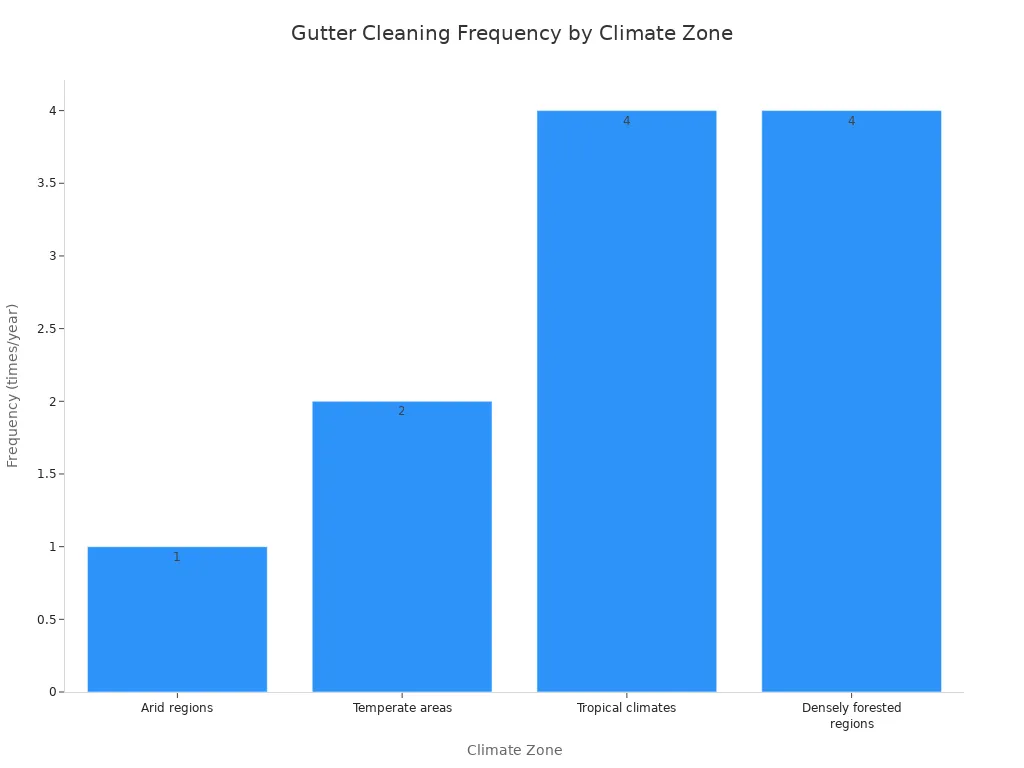
For example, if you live in a heavily wooded environment, you should clean your gutters every three to four months. This is especially true during peak shedding seasons. You might even need to clean them monthly depending on the tree types.
You need essential tools for safe and effective DIY gutter cleaning:
Sturdy Ladder: Use a Type I or Type IA extension ladder (250-300 lbs capacity). Follow the ‘4:1 rule’ for positioning. This ensures you reach your roof eaves safely.
Gutter Scoop: This small tool helps you remove leaves, twigs, and debris. A hand trowel works for stubborn debris.
Garden Hose with Spray Nozzle: Use this to flush out remaining dirt. It ensures free water flow after debris removal. An adjustable nozzle is recommended.
Collection Containers: Use buckets or trash bags to collect debris. This keeps your work area clean. It prevents mess on your lawn.
Safety Gear: Wear heavy-duty, cut-resistant gloves to protect your hands. Use safety goggles for eye protection from falling debris. Wear slip-resistant, closed-toe shoes, preferably work boots, for secure footing.
DIY Gutter and Downspout Repairs
You can handle minor gutter and downspout repairs yourself. This saves you money and prevents further damage.
To seal small leaks, follow these steps:
Clean and inspect gutters thoroughly. Remove debris and leaves. Rinse with a hose to identify leak locations.
Seal small holes and cracks. For holes less than half an inch, apply a generous layer of plastic roofing cement. Extend it two inches beyond the edges. Allow it to dry before retesting.
Patch larger holes with flashing. Use metal flashing cut slightly larger than the hole. Apply roofing cement around the hole. Press the patch firmly. Then, add more cement over the flashing edges for a watertight seal.
Properly seal joints and seams. Apply a bead of waterproof silicone caulk along these common leak spots. Smooth the caulk to ensure thorough coverage. Allow it to cure fully before testing.
Check and adjust the gutter slope. Ensure the gutter slopes about ¼ inch downward for every 10 feet towards the downspout. Adjust hangers if needed to correct flat or negative slopes.
You can also reattach loose gutter sections. This prevents them from pulling away from your roof eaves.
Remove the existing gutter to gain full access to the fascia board.
Align the fascia board back into its correct position. Ensure it is level.
Secure the fascia board to the rafters using new coated deck screws. Mark rafter locations for proper attachment.
Rehang the gutter using new screw-in style hangers. These offer improved durability and longevity.
Improving Ground Drainage Around Your Home
You must ensure proper ground drainage around your home. This protects your foundation from water damage. Several solutions can help.
Proper Slanting and Grading: Ensure the ground slopes away from your home. This prevents water accumulation near the foundation. Create a gentle incline. Use backfill materials like gravel or crushed stone to improve water movement. Build up soil around the foundation. Create a slope of at least six inches over the first ten feet away from the foundation. This prevents water from pooling against basement walls. Ensure at least eight inches of the foundation remains visible above the new soil line.
Permeable Hardscapes: Replace non-porous materials like concrete with permeable pavers. You can also use gravel or porous asphalt for patios, driveways, and walkways. This allows water to seep into the ground. Incorporate French drains or channel drains within these hardscapes.
Dry Creek Beds: Construct a natural-looking feature with rocks, gravel, and boulders. This guides excess water away from pooling areas. Dig a shallow, sloped trench. Line it with landscape fabric. Add rocks and plants.
Yard Drain Systems: Implement systems like French drains (perforated pipes). Use catch basins to collect surface water. Channel drains manage runoff from hard surfaces. Dry wells store and disperse water slowly. These systems manage water effectively.
Lawn Aeration: Perforate the soil with small holes. This improves permeability. It allows air, water, and nutrients to penetrate grass roots. This reduces puddling. It strengthens roots and improves soil structure, especially in heavy clay soils.
Gravel Border: Create a six-to-twelve-inch border of crushed stone or gravel next to your home. Keep mulch a few feet away. Mulch retains moisture.
Gutter and Downspout Maintenance: Clean your gutters. Ensure your downspouts extend at least six feet away from the foundation. This channels water effectively away from your home.
When to Seek Professional Gutter and Drainage Help
While you can handle some maintenance, certain situations require professional help. Knowing when to call an expert is crucial for protecting your home.
You should consider professional regrading services for yard drainage issues when:
You experience standing water after a storm.
There is excessive moisture in your yard.
You have complex drainage issues. These are difficult to resolve with simple solutions.
You have large properties. These require significant soil movement and specialized equipment.
The regrading project is near underground utilities, existing drainage systems, or neighboring structures. Professional assessment is crucial to avoid damage.
You have severe drainage problems. Water consistently flows towards your foundation despite minor grading attempts. You observe foundation cracks or basement moisture.
You have complex landscapes. Yards with multiple levels, retaining walls, or extensive hardscaping require expert planning and specialized techniques.
Local regulations mandate permits for significant grading changes. Professionals can navigate this process.
You should also seek professional help for:
Multi-story gutter cleaning or repair. This is when heights exceed safe DIY access.
Structural repairs and system modifications to gutters.
Work requiring walking on roofing surfaces.
Repairs affecting the roof structure or integrity.
Tasks that necessitate fall protection equipment and expertise to ensure safety compliance.
For general yard drainage problems, landscaping professionals are often the first choice. They offer a comprehensive approach, preventative solutions, expertise in grading, and plant knowledge. Consider drainage specialists for complex or severe drainage issues. They offer advanced diagnostic tools and expertise in local water tables and soil composition. General contractors are necessary when drainage problems affect your home’s structure. They are also needed if the work requires extensive excavation or major landscaping changes. They coordinate among multiple professionals.
A well-maintained system of roof edges, gutters, and drainage is vital for your home’s long-term health and value. You prevent costly water damage with proactive maintenance. This is far more cost-effective than reactive repairs. Regularly inspect your systems to avoid water damage. Take action on any issues you find to protect your home from further damage. For comprehensive assessments, complex repairs, or system upgrades, consult qualified professionals. They ensure optimal water management for your roof and home.