You can give your bathroom a fresh, updated look without an expensive renovation. Repainting your existing bathroom cabinets offers a remarkable transformation. This DIY project can achieve professional results. You save a lot of money too; painting cabinets typically saves you 70% to 90% compared to a full replacement.
Achieving these results is attainable for any DIYer with careful planning and execution. You will feel great satisfaction from a successful DIY project, adding value to your home. This step by step tutorial empowers you to confidently refinish your cabinets. You will master the art of painting for stunning results.
Why Refinish Bathroom Cabinets
Cost-Effective Renovation
You can save a lot of money when you choose to refinish bathroom cabinets instead of replacing them. Installing new bathroom cabinets often costs between $2,500 and $6,000. This price depends on the materials and how much customization you want. However, you can refinish your existing cabinets for much less. For a small powder-room vanity, a DIY project might cost $250–$400. A standard 36-inch vanity could be $350–$600 for a DIY effort. Even a large double-sink, 72-inch vanity might only cost $550–$800 if you do it yourself. Professional refinishing also costs less than replacement. For example, a professional can refinish a standard 36-inch vanity for $650–$950. This makes refinishing a smart financial choice for your bathroom.
Updating Aesthetics
Old, worn cabinets can make your entire bathroom look dated. A fresh coat of paint can completely change the look of your space. You can transform your bathroom with a modern color palette. Many popular trends exist for updating cabinets. Warm whites and soft grays offer a peaceful and classy vibe. Earthy browns and soft greens create a calm and inviting atmosphere. Deep blues, like Van Deusen blue, provide elegance. Rich greens, such as sage green, give a modern and calming feel. You can easily update your bathroom’s style when you refinish your cabinets.
Personalizing Your Space
Your bathroom should reflect your personal style. Repainting your cabinets allows you to personalize the space. You can choose colors that truly speak to you. Do you want a happy feel? Try a sunny yellow. For a feminine touch, consider playful pink. An invigorating teal offers a fresh and versatile look. You are not stuck with the original finish. You can create a unique look that makes your bathroom feel like your own. This simple change makes a big difference in how you experience your home.
Gathering Essential Tools & Materials
Successful cabinet painting starts with the right supplies. You need to gather everything before you begin your DIY project. This preparation ensures a smooth and efficient refinish process for your bathroom cabinets.
Cleaning Supplies
You must thoroughly clean your cabinets. Use a degreaser cleaner like TSP substitute, Krud Kutter, or strong dish soap. You will also need clean sponges and cloths. Prepare a bucket of warm water. You can also make a homemade cleaner. Mix equal parts vinegar and warm water with a few drops of liquid dish soap. Wipe down your cabinets well with this mixture. Dry them completely afterward. Perform two cleaning cycles. First, use regular cleaning products. Then, clean again with a degreaser. This removes all dirt, grime, and oils before you apply paint.
Sanding Tools
Sanding prepares the surface for paint adhesion. You will need various grits of sandpaper. Start with a coarser grit, then move to finer ones. A sanding block helps you apply even pressure.
Primer Selection
Choosing the right primer is crucial for your cabinets. For bathroom cabinets, especially laminate or wood, consider specific primers. Rust-Oleum Zinsser Bulls Eye 1-2-3 Primer resists mold and mildew. It works well on laminate. KILZ Original Multi-Surface Stain Blocking Primer adheres to laminate after light sanding. Benjamin Moore Fresh Start High-Hiding All-Purpose Primer offers mildew resistance. It grips laminate surfaces effectively. Behr Premium Plus Multi-Surface Primer & Sealer resists mildew and stains. Zinsser B-I-N Shellac-Based Primer blocks stains and dries quickly on tough surfaces like laminate.
Paint Choices
Select high-quality paint for durability. Acrylic enamel paint offers many advantages for bathroom cabinets. It resists moisture, which is crucial in humid bathroom environments. This paint dries quickly, speeding up your project. It adheres well to different surfaces. Acrylic enamel paint provides a durable finish. It withstands frequent cleaning. It also resists fading and yellowing. Formulas for high-moisture areas often include additives for mold and mildew resistance.
Application Tools
Proper application tools ensure a smooth finish. You will need an angled brush for corners and details. A small foam roller helps cover larger flat areas. Use a high-quality synthetic brush. A synthetic angled mini brush is good for tight spots. Small artist brushes help with fine details. Super fine sandpaper or a super fine sanding pad smooths surfaces between coats. A tack cloth removes dust before each paint application.
Protective Gear & Miscellaneous
Protect yourself and your workspace. Wear gloves, safety glasses, and a mask. Use painter’s tape to protect surrounding areas. Drop cloths shield your floors. Have a utility knife and rags handy.
Preparation for Professional Results
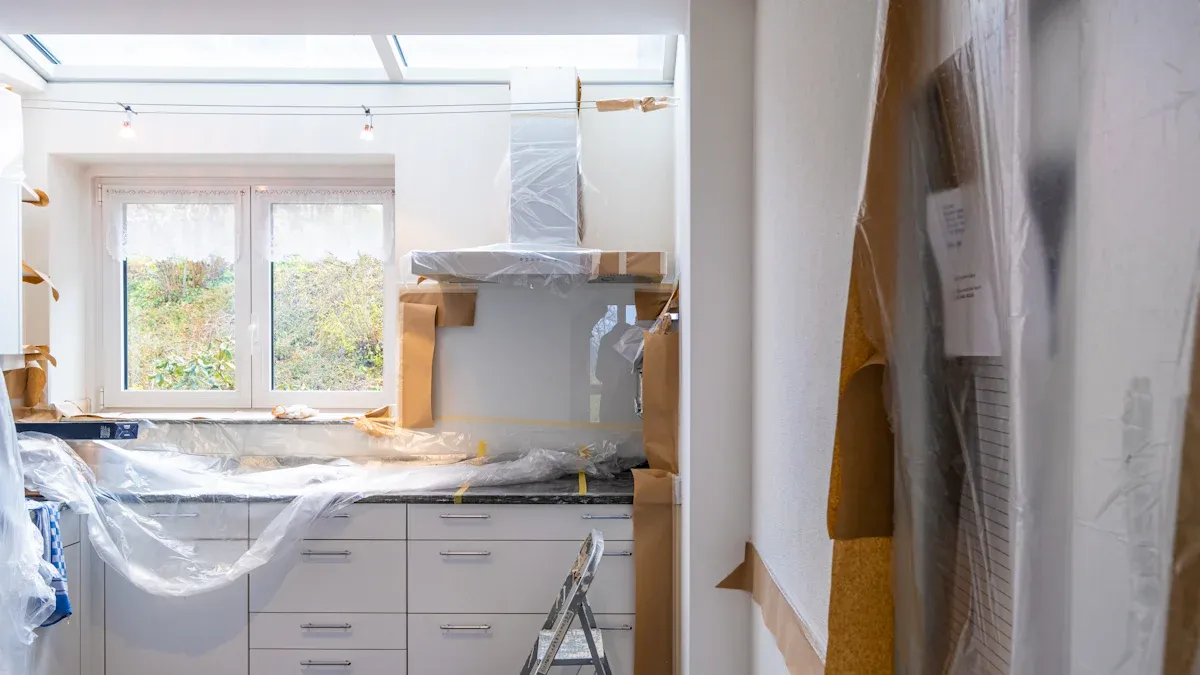
Achieving professional results when painting your bathroom cabinets depends heavily on thorough preparation. You must take your time with these steps. This ensures your paint adheres well and looks flawless.
Emptying & Disassembly
First, you need to empty all contents from your bathroom cabinets. Remove everything from shelves and drawers. Next, you will disassemble the cabinet doors and drawer fronts. Use a screwdriver to detach hinges from the cabinet frames and doors. Label each door and drawer front. Also, label the corresponding cabinet opening. You can use masking tape and a marker for this. This helps you put everything back in the correct place later.
Hardware Removal
After removing the doors and drawers, take off all hardware. This includes hinges, knobs, and pulls. Place all hardware in a labeled bag or container. This prevents losing small pieces. You can clean or replace your old hardware later. Removing hardware ensures a smooth surface for painting. It also prevents paint from getting on your hardware.
Thorough Cleaning & Degreasing
You must clean your cabinets very well. This step removes all dirt, grease, and grime. These things can stop paint from sticking.
To thoroughly clean and degrease your bathroom cabinets, you will need:
Soft Cloth
Damp Cloth
Dry Cloth
Mild Soap or Dish Soap
Soft Sponge
Paper Towels
Microfiber Cloths
Cleaning Gloves
First, put on your cleaning gloves. Mix a mild cleaning solution. You can use gentle soap and hot water. Wipe down all surfaces of the cabinets, doors, and drawer fronts. Use a soft sponge or cloth. Scrub in a circular motion. For tougher stains, mix dish soap with warm water. Apply this with a soft sponge. Rinse with a damp cloth. Then, dry all surfaces completely with a dry cloth. This prevents water damage and mold. You should perform two cleaning cycles. First, use regular cleaning products. Then, clean again with a degreaser like TSP substitute or Krud Kutter. This removes all oils.
Repairing Imperfections
Now, inspect your cabinets for any damage. Look for dents, scratches, or holes. Use wood filler to repair these imperfections. Apply the filler with a putty knife. Make sure it is flush with the surface. Let the filler dry completely. Follow the product instructions for drying times.
Strategic Sanding for Adhesion
Sanding is a critical step for good paint adhesion. It creates a surface the paint can grip. Before you start sanding, tape off any areas you do not want to sand or paint. Use painter’s tape for this. Begin sanding with 120-grit sandpaper. This removes any remaining grime and smooths out minor flaws. Then, switch to 220-grit sandpaper. This finer grit creates a very smooth surface. Sand all surfaces you plan to paint. This includes the cabinet frames, doors, and drawer fronts. Sanding between paint coats is also crucial. It helps you achieve a smooth, durable finish on your cabinets. It removes imperfections like dust nibs or brush marks. It also helps new paint layers bond better. This leads to a more polished final appearance.
Meticulous Dust Removal
After sanding, you will have a lot of dust. You must remove all of it. Dust left on the surface will show through your new paint. It will also prevent the paint from sticking properly.
Wipe down the interior and exterior of the cabinets with a damp cloth or sponge.
Wipe down all surfaces and counters nearby. Use a tack cloth to pick up any fine dust particles. A tack cloth is slightly sticky. It grabs dust very well. Make sure the surfaces are completely dust-free before moving to the next step. This ensures your painting project has professional results.
Priming for Durability
Priming is a vital step for durable results when painting your bathroom cabinets. Primer creates a strong bond between the cabinet surface and the new paint. It also helps block stains and ensures a uniform finish. Do not skip this crucial stage.
Choosing the Right Primer
Selecting the correct primer is essential. Your choice depends on your cabinet material and desired outcome. You can choose between oil-based and water-based primers. Each type offers different benefits.
Feature | Oil-based Primer | Water-based Primer |
|---|---|---|
Base | Mineral oil suspension | Water suspension (also known as latex primer) |
Cleanup | Difficult (requires mineral spirits/paint thinner) | Easy (cleans with water) |
Drying Time | Slower | Fast-drying |
VOCs | Higher levels of harmful VOCs | Fewer harmful VOCs |
Stain Blocking | Excellent (seals stains, better coverage) | Less effective for heavy stain blocking |
Durability | Durable and water-resistant | Good, but generally less water-resistant |
Wood Grain | Won’t raise wood grain (no sanding between coats) | Can raise wood grain (may require sanding) |
Adhesion | Better adhesion, suitable for difficult surfaces | Good, but may not adhere as well to slick surfaces |
Application | Ideal for stain/odor sealing, exterior use, and with oil-based paints | Suitable for general interior use, easy to work with |
Oil-based primers offer superior stain blocking and adhesion. Water-based primers are easier to clean and dry faster. Choose a primer that suits your specific needs for the best paint adhesion.
Applying Thin, Even Coats
Apply primer in thin, even coats. Avoid applying too much paint at once. Thick coats can lead to drips and an uneven surface. Use a high-quality brush or roller. Work in one direction. This helps prevent brush marks. Two thin coats are better than one thick coat. This method ensures better coverage and a smoother base for your final paint.
Adhering to Drying Times
Allow each primer coat to dry completely. Follow the manufacturer’s instructions on the product label. Drying times vary by primer type. Rushing this step can cause adhesion problems.
Primer Type | Drying Time Between Coats |
|---|---|
Most Primers | At least 1–2 hours (or product label recommendation) |
Water-based Primers | 30 minutes to 1 hour |
Oil-based and Shellac Primers | Longer than water-based (check manufacturer’s recommendations) |
Proper drying ensures the primer cures correctly. This creates a solid foundation for your topcoat paint.
Light Sanding Between Coats
Lightly sand the primed surfaces after they dry. Use 220-grit or 400-grit sandpaper. This step flattens any raised wood grain or minor imperfections. It also creates a smooth surface for the next layer of paint. Wipe away all dust with a tack cloth before applying the next coat. This prepares the surface for a flawless finish.
Painting Bathroom Cabinets for a Flawless Finish
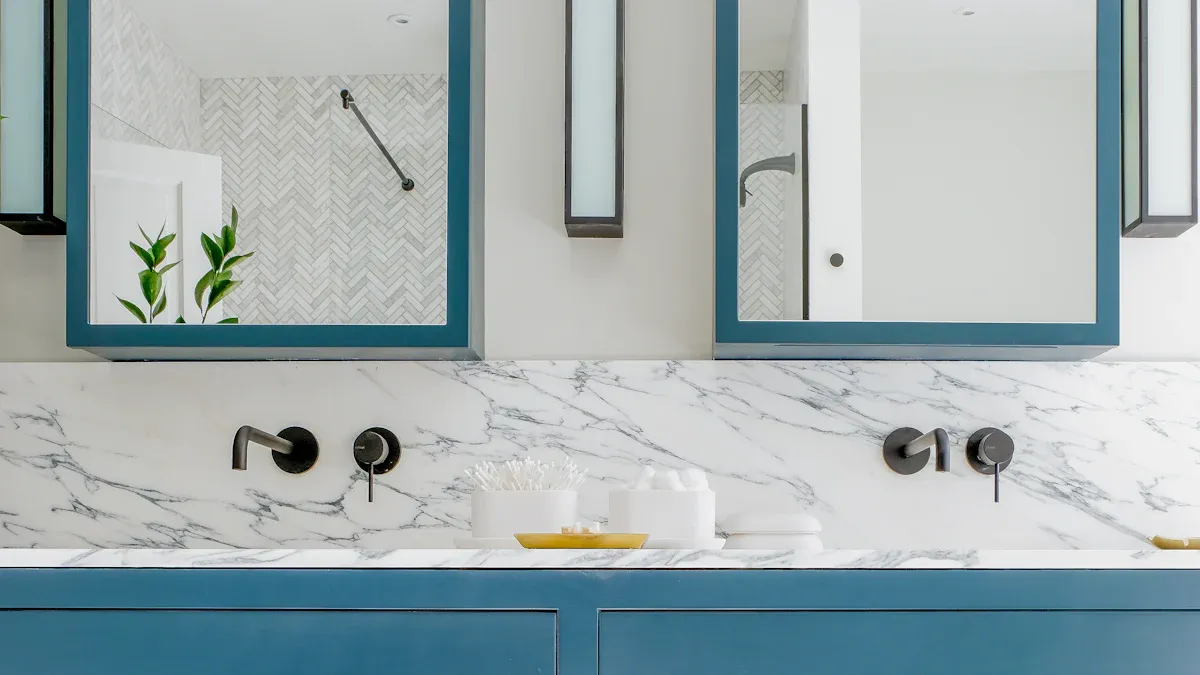
You have prepared your cabinets. Now you are ready for painting. This is the most exciting part of your project. You will see your vision come to life. Achieving a professional finish requires careful attention to detail. You will paint cabinet doors, drawers, and cabinet boxes separately. This method gives you the best results.
Selecting High-Quality Paint
Choosing the right paint is crucial for durable and beautiful painting bathroom cabinets. You need paint that can withstand the moisture and humidity of a bathroom. Acrylic enamel paint is an excellent choice. It resists moisture well. This paint also dries quickly. It adheres strongly to surfaces. Acrylic enamel paint provides a durable finish. It handles frequent cleaning. It also resists fading and yellowing. Another great option is alkyd paint. Alkyd paint offers a very hard and durable finish. It stands up well to wear and tear. Both types of paint will give you professional results for your bathroom cabinets.
Applying Multiple Thin Coats
You must apply paint in multiple thin coats. Do not try to cover everything in one thick coat. Thick coats can drip. They can also create an uneven finish. Thin coats dry faster. They also adhere better. This method builds up the color gradually. It creates a stronger, more even finish. You will achieve a smoother finish this way.
Mastering Brushing & Rolling
Proper application techniques are key to a smooth finish. First, use a paintbrush for crevices. Paint the edges and corners of the doors and drawers. Apply a thin coat of paint. This prevents paint from running or beading. Immediately after painting crevices, use a roller. Go over the rest of the drawer, door, or vanity. This helps smooth the finish. It also creates uniformity. Again, apply a light coat of paint. For the best results, use specific tools. An angled Purdy Nylox Paint Brush helps eliminate visible brush strokes. Its soft bristles work well. A Purdy mini roller with a White Dove 1/4″ nap roller cover also helps. The low nap of the roller cover contributes to achieving a smooth finish. This combination of tools and technique is essential for painting bathroom cabinets.
Ensuring Adequate Drying Time
Allow each coat of paint to dry completely. Follow the manufacturer’s instructions on the paint can. Drying times vary. They depend on the type of paint and humidity levels. Rushing this step can ruin your finish. It can cause the paint to peel or smudge. Proper drying ensures the paint cures correctly. This creates a hard, durable surface. This patience will pay off with a long-lasting finish for your cabinets.
Optional Light Sanding for Smoothness
You can lightly sand between paint coats. This step is optional but highly recommended. Use 220-grit or 400-grit sandpaper. This removes any tiny imperfections. It also flattens any dust nibs or brush marks. Sanding creates a super smooth surface for the next coat. Wipe away all dust with a tack cloth after sanding. Do this before applying the next layer of paint. This extra step helps you achieve a truly professional finish.
Reassembly & Finishing Touches
You have completed the painting. Now you are ready for the final steps. These steps bring your bathroom cabinets back to life. They also ensure your hard work lasts.
Allowing Full Paint Curing
Patience is key after applying the final coat of paint. The paint needs time to fully cure. This is different from just drying to the touch. The full cure time can be a week or more. It depends on the paint manufacturer’s instructions. You must allow the paint to dry for 24 hours. Or, you can wait for the full cure time specified by the manufacturer. This ensures the paint hardens completely. It prevents damage when you reassemble your cabinets. You want your new paint to be tough and durable.
Reattaching Hardware
Your freshly painted cabinets are almost ready. Now you will reattach the hardware. Ensure the paint finish has hardened before you do this. This prevents scratches or smudges.
You will reattach the old hardware. Or, you can attach new hardware if you chose to upgrade.
Carefully align each piece.
Use the correct screws.
Tighten them gently. Do not overtighten. This can damage the new paint.
Reinstalling Doors & Drawers
Next, you will put the doors and drawers back. This is where your labeling from earlier helps.
You will attach the doors to the cabinet boxes.
Then, you will reattach the drawer fronts to the drawer boxes. You only do this if you removed them separately.
Finally, you will slide the drawers back into place. Take your time with this step. Ensure everything aligns properly. This gives your bathroom a professional finish. Your painting project is almost complete.
Final Workspace Cleanup
Your painting project is done. Now you need to clean your workspace.
Remove all painter’s tape.
Gather drop cloths.
Clean brushes and rollers.
Dispose of any paint residue properly.
Wipe down any surfaces with a damp cloth. This removes any stray paint or dust. This final cleanup leaves your bathroom sparkling. You can now enjoy your beautifully refreshed cabinets.
Maintenance for Lasting Beauty
You have invested time and effort into painting your bathroom cabinets. Now, you want to keep them looking great. Proper maintenance ensures your beautiful finish lasts for years. Follow these simple practices.
Gentle Cleaning Practices
Regular, gentle cleaning protects your new paint. It prevents grime buildup. You should avoid harsh scrubbing.
Combine a small quantity of mild soap or dish soap with warm water.
Dampen a cloth with the soapy water. Do not soak the cloth.
Gently wipe down cabinet doors, drawers, and handles.
For glossy or painted finishes, clean in a circular motion. This avoids streaks.
Follow up by wiping surfaces with a clean, damp cloth. This removes soap residue.
Dry surfaces immediately with a dry cloth. This prevents moisture accumulation. A mild soap solution prevents the paint from peeling. For stubborn stains, mix vinegar and baking soda. Apply this directly to the spot. Let it sit. Then, gently scrub with a soft-bristled toothbrush. This keeps your paint looking fresh.
Avoiding Harsh Chemicals
Harsh chemicals can damage your cabinet’s paint. They can dull the finish or cause peeling. You must avoid certain products.
Bleach
Ammonia
Harsh chemical cleaners, especially those with abrasives
Products intended for wood care, as they often contain waxes or oils unsuitable for painted surfaces. These chemicals strip the protective layers of your paint. They can also discolor the surface. Always choose gentle, non-abrasive cleaners. This protects your painting investment.
Addressing Minor Touch-Ups
Accidents happen. Small chips or scratches can appear on your paint. You should address these quickly. Immediately touch up small chips with the original paint. This prevents moisture from getting underneath. Moisture can cause further damage to the paint. Keep a small amount of your leftover paint for this purpose. A quick touch-up preserves the look of your cabinets. It also extends the life of your paint job.
You can achieve professional results when painting bathroom cabinets. This tutorial provides the steps. You will find great satisfaction in this transformation. Start your painting project today. Your bathroom will look amazing. Remember, preparation is key. Use quality paint and materials. Apply proper painting technique. This ensures a flawless finish. Enjoy your newly refreshed bathroom cabinets! Your hard work will pay off.
FAQ
What causes paint to peel on bathroom cabinets?
Paint peels when the surface is not clean or properly prepped. Moisture can also cause peeling. You must clean and sand cabinets well. Use a good primer. This helps paint stick.
What kind of paint is best for bathroom cabinets?
Acrylic enamel paint works best. It resists moisture. It also dries quickly. This paint provides a durable finish. Alkyd paint is another good choice. It offers a very hard finish.
How long does cabinet paint need to cure?
Paint needs time to fully cure. This is longer than drying to the touch. Full cure time can be a week or more. Check the paint manufacturer’s instructions. This ensures the paint hardens completely.
What are some tips for maintaining painted cabinets?
Clean your cabinets gently. Use mild soap and water. Avoid harsh chemicals. They can damage the finish. Address small chips quickly. This prevents further damage.
What if I see brush marks after painting?
You can lightly sand between coats. Use 220-grit or 400-grit sandpaper. This removes imperfections. It creates a smooth surface. Always wipe away dust with a tack cloth.