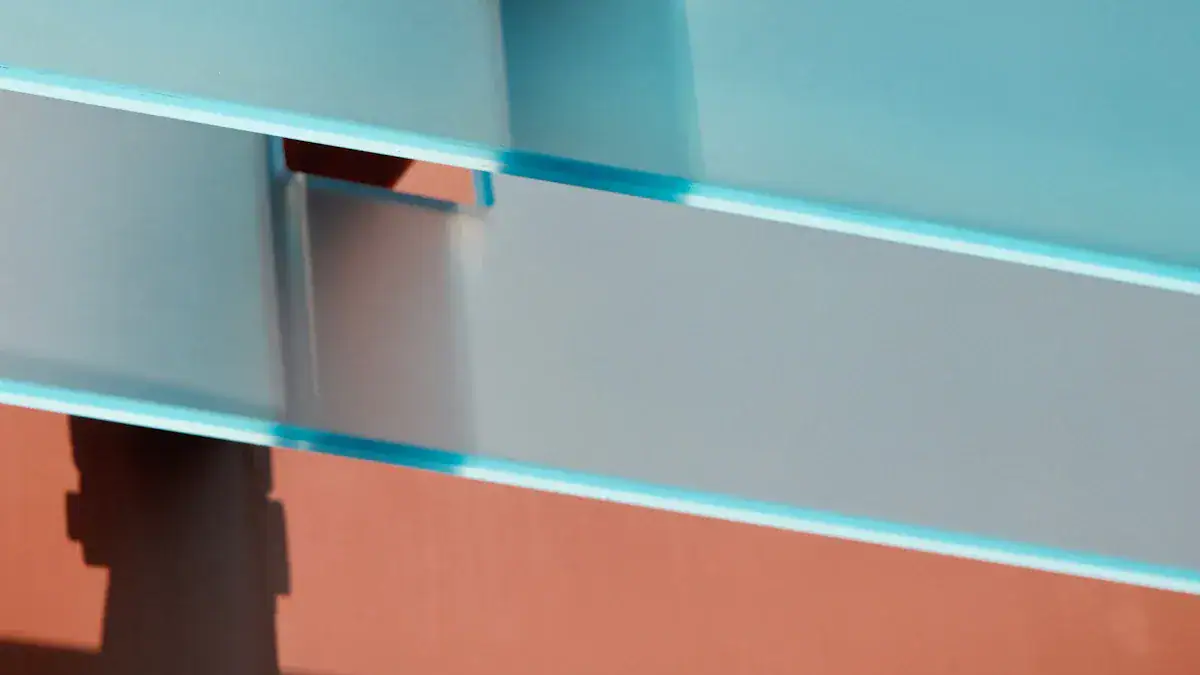
Painting on glass jalousie windows offers a remarkable transformation, enhancing both the aesthetics and privacy of your home. This project also provides a unique avenue for self-expression. While painting a window might seem intimidating, it’s a rewarding DIY endeavor with the right techniques and materials. Over 50% of homeowners undertake DIY home improvement projects annually, demonstrating a widespread embrace of such tasks, including painting on glass jalousie windows. Proper preparation is crucial, and choosing the correct paint for glass adhesion and durability is also very important for your jalousie window.
Key Takeaways
Painting jalousie windows makes your home look better. It also gives you more privacy and lets you show your artistic side.
Use special glass paint and primers. These materials help the paint stick to the smooth glass surface.
Clean the windows very well before you paint. This helps the paint stay on the glass for a long time.
Apply paint in thin layers. Let each layer dry before adding more. This makes the paint look smooth and last longer.
Make sure the paint fully dries and cures. This step makes the paint strong and durable on your windows.
Why Paint Jalousie Windows
Aesthetic Upgrade and Home Value
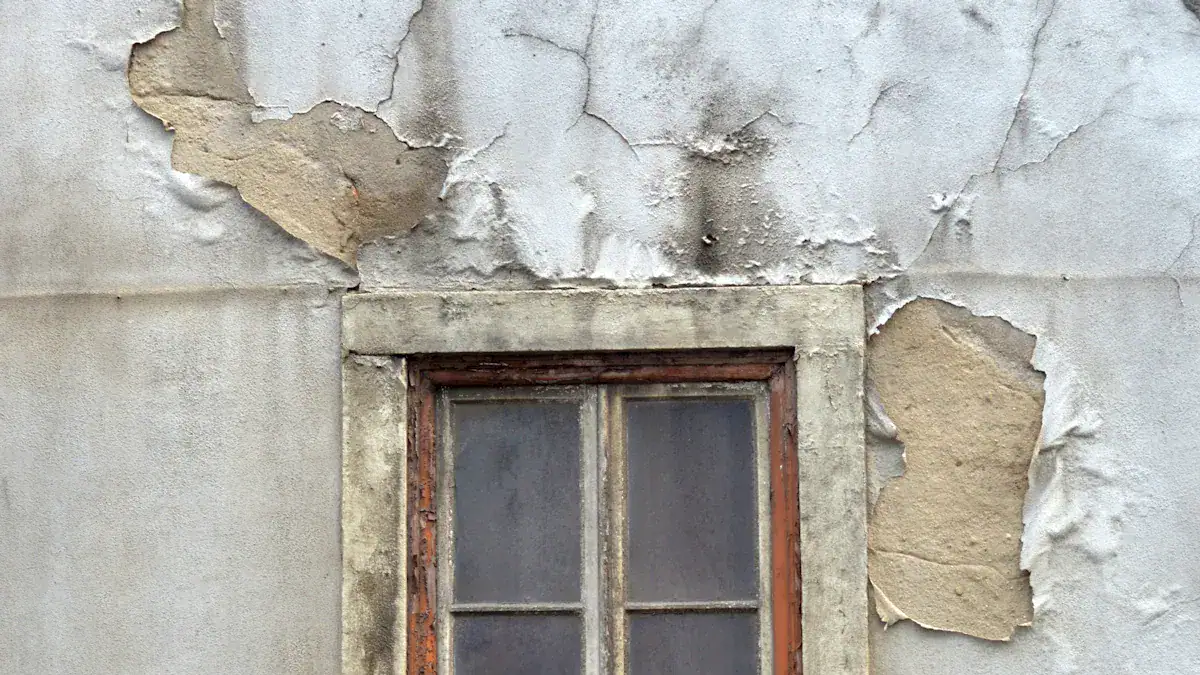
Painting your jalousie windows offers a significant aesthetic upgrade. A fresh coat of paint can instantly revitalize an old or worn window. This simple change makes your entire home look better. You can choose colors that match your home’s exterior or interior design. A well-maintained and attractive window adds to your home’s curb appeal. This can also increase your home’s value. A painted window looks clean and cared for. This shows potential buyers you take pride in your property. Each painted window contributes to a polished look.
Enhanced Privacy and Light Control
Painting your jalousie windows also gives you more privacy. Clear glass allows people to see inside your home. Painting the glass blocks these views. You can still let natural light into the room. Use frosted or semi-transparent paints for this effect. This creates a soft, diffused light. You get privacy without making the room dark. This is perfect for bathrooms or bedrooms. You control how much light enters through each window. This painted window solution offers both function and style.
Artistic Expression and Customization
Painting a jalousie window provides a unique canvas for your creativity. You can express your personal style. Consider different artistic styles for your window. You might choose symmetrical patterns or geometric shapes. Flowing organic designs or floral motifs also look beautiful. Abstract art with splashes or gradients can add a modern touch. You can even create stained glass-inspired patterns on your window.
Think about themes like botanical designs or personal symbols. You can use warm colors like red and orange for energy. Cool colors like blue and green create a calm feeling. Combine multiple colors for depth. You can also experiment with layered designs or textured surfaces. This allows you to match your window to any room’s decor. You can adapt designs for a contemporary or traditional look. This makes each window a unique piece of art.
Materials for Painting Jalousie Windows
You need specific supplies to successfully paint your jalousie windows. Gathering everything before you start makes the process smoother.
Cleaning and Preparation Supplies
Proper cleaning is the first step. It ensures your paint adheres well to the surface. You will need several items for this crucial stage.
Squeegees: These are essential for achieving streak-free finishes on your window.
Scrapers: Use these to remove any stubborn build-up or old paint from your window.
Buckets: You need buckets for mixing and holding cleaning solutions.
Specialized cleaning solutions: These solutions are formulated for various window types.
Ladders or scaffolding: These are crucial for safely reaching high windows.
Adhesion Promoters and Primers
Glass is a non-porous surface. Paint needs help to stick to glass effectively. Adhesion promoters and primers create a strong bond.
Silanes are very effective adhesion promoters for glass surfaces. These include aminopropyltriethoxysilane, aminoethylaminopropyltrimethoxysilane, and glycidoxypropyltrimethoxysilane. Silanes form a molecular bridge. Their silanol groups react with the glass surface. This forms strong Si-O-Si bonds. This mechanism helps the paint adhere permanently to your window.
Primers specifically designed for glass painting are also crucial. Products like Glassprimer™ glass paint bond directly to the surface. This is vital because ordinary paints rely on absorption. Glass does not absorb paint. Once cured, these specialized primers ensure the paint remains permanently adhered. This prevents delamination, chipping, or fading on your window.
Primers like GAC 200 also offer significant benefits. They improve adhesion and durability. They prevent scratching and peeling that often occur with regular acrylics. Primers increase the paint film’s hardness. This makes the painted surface more resistant to damage. Some primers reduce dry film tackiness. Others enhance transparency, which is beneficial for creating ‘stained glass’ effects on your window. For example, tesa® 60151 Adhesion Promoter Glass improves the adhesion of pressure-sensitive adhesive tapes to glass substrates.
Choosing Glass-Specific Paints
You must select paints made for glass. These paints offer better durability and performance. They resist UV light. UV resistance tests show no visible change after 1000 hours. This means no chalking, peeling, or cracking on your window. Coating adhesion tests confirm strong bonding to glass. Water immersion tests show resistance to continuous hot water exposure. Salt spray tests demonstrate excellent corrosion resistance. Hardness tests indicate resistance to indentation. Scratch resistance tests prove exceptional durability for your window.
You can also explore alternative DIY methods. Mix clear craft glue, food coloring, and water. This creates a frosted or stained-glass effect for your window. This method offers a unique, customizable look.
Application Tools and Safety Gear
You need the right tools for painting your window. Small brushes help with detailed designs. Stencils create patterns on your window. Masking tape helps create clean lines. Wear safety glasses to protect your eyes. Use gloves to keep paint off your hands. Ensure good ventilation in your workspace. This protects you from paint fumes. Painting jalousie windows requires careful application.
Step-by-Step: Painting Glass Jalousie Windows
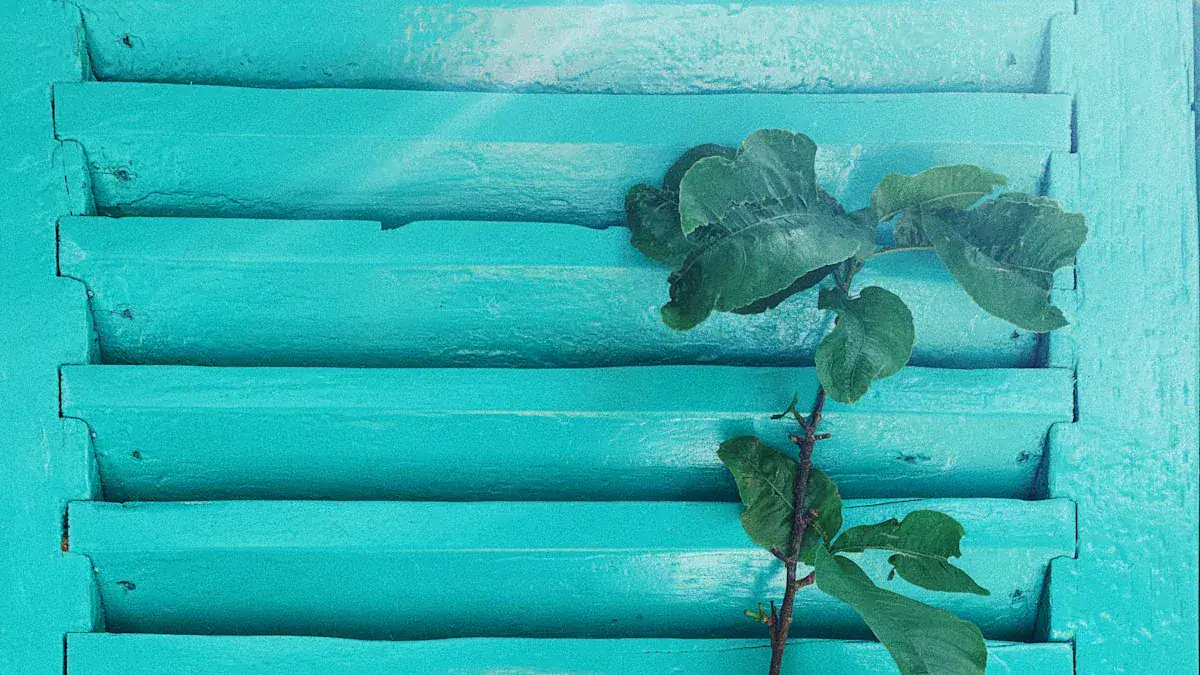
You need to follow specific steps for successful painting on glass jalousie windows. This ensures a beautiful and lasting finish.
Workspace Preparation and Window Cleaning
You need a well-prepared workspace. Good ventilation is crucial. Maintain a suitable temperature. Ensure a dry working environment. Most coating failures happen because of bad environmental conditions. You cannot control outside weather. But you can manage conditions around your window. Use temporary climate control solutions. These solutions help keep ideal conditions during the whole painting process.
Before you start painting on glass jalousie windows, clean your window thoroughly. Remove all dirt, grease, and grime. Use a specialized glass cleaner. A squeegee helps you get a streak-free finish. Scrapers remove stubborn old paint or build-up from your window. A clean surface ensures paint sticks well.
Masking and Protecting Surfaces
Protect areas you do not want to paint. Use masking tape. This creates clean lines on your window. Apply the tape carefully. Press down firmly to prevent paint from bleeding. For general masking, crepe paper masking tape works well. Products like 3M ScotchBlue Original Painter’s Tape or FrogTape Multi-Surface Painter’s Tape offer good adhesion to glass. They help create sharp lines. For very clean, sharp paint lines, use Washi Tape. FrogTape Delicate Surface Painter’s Tape or ScotchBlue Delicate Surface Painter’s Tape are excellent choices. They have low adhesion. This prevents residue or damage to your window. These tapes are ideal for intricate work on your jalousie windows. Many other specialized tapes exist for different needs.
Tape Type | Product Examples | Key Features Relevant to Glass/Clean Lines |
|---|---|---|
Crepe Paper Masking Tape | 3M ScotchBlue Original Painter’s Tape, FrogTape Multi-Surface Painter’s Tape | Good adhesion to glass, suitable for general masking, can create sharp lines if applied carefully. |
Washi Tape (Delicate Surface Painter’s Tape) | FrogTape Delicate Surface Painter’s Tape, ScotchBlue Delicate Surface Painter’s Tape | Excellent for very clean, sharp paint lines on glass, low adhesion to prevent residue or damage, ideal for intricate work. |
Etching or Light Sanding Glass
Glass is smooth. Paint needs something to grip onto. You can etch or lightly sand the glass surface. This creates a texture. This texture helps the paint adhere better.
Alumina sandblasting uses hard particles. It works well for various materials, including glass. You can choose particle sizes for detailed or large-area work. This method offers strong removal and controllable surface texture. It helps with optimal coating bonding.
Ceramic grit blasting beads are efficient. They give a higher finish and gloss. They cause less wear on the substrate.
Silica sand media is traditional and cheap. It cleans and grinds surfaces. It removes thick rust and paint. Be careful with high-precision parts. It can cause roughness.
Pad blasting media is newer. It treats surfaces with low wear. It is good for optical devices. It cleans gently and reduces damage. It works for materials like glass and plastic.
Other special blasting media include plastic particles and corundum. Each has specific uses.
Chemical etching also works. It uses acid or alkaline solutions. These solutions corrode the surface. This method is good for large areas and complex shapes. It is used in aerospace and semiconductor manufacturing.
Plasma treatment is another option. It modifies the surface. It improves coating, adhesion, and painting on glass. It cleans the surface. It adds polar groups. This increases surface energy and wettability. It does not change the bulk properties of the glass. This process enhances surface energy. It helps paint stick to your window.
Applying Glass Primer
After etching, apply a glass primer. This is a crucial step. The primer creates a strong bond. It helps the paint stick permanently to your window. Follow the primer manufacturer’s instructions. Apply a thin, even coat. Let it dry completely before painting. This ensures the best adhesion for your painted window.
Paint Application Techniques
Now you apply the paint. Use small brushes for detailed designs. Stencils help you create patterns on your window. Painting on glass jalousie windows can be tricky. Achieving clean lines with masking tape is a challenge. Apply paint carefully. You can also use alternative methods. For example, freehand painting or using a steady hand. Apply thin coats of paint. Let each coat dry before applying the next. This prevents drips and ensures an even finish on your window. Build up the color gradually.
Curing for Durability
Curing is the final step. It makes your paint durable. The curing time for glass paints varies. Always check the manufacturer’s instructions on the paint container.
Curing Method | Time | Temperature | Notes |
|---|---|---|---|
Air Drying | 20-21 days (3 weeks) | Room temperature | Recommended for outdoor decor with all-purpose acrylic paint; not dishwasher safe |
Oven Baking | 30 minutes | 350°F | Expedites permanence; allows for top-rack dishwasher use after cooling in oven |
Multi-surface Acrylics | Air-dry + Oven-bake | Varies | Improves durability; specific times depend on manufacturer instructions |
Multi-surface acrylic paints need proper curing. This often means a combination of air-drying and oven-baking. This process enhances their durability on glass. Make sure your painted window is fully cured before use. This ensures a long-lasting finish for your jalousie windows.
Tips for Best Results and Avoiding Mistakes
Achieving Smooth, Even Coats
You want smooth, even coats on your window. Avoid over-brushing. Over-brushing thins your paint. It leaves streak marks. Load your brushes fully. Apply paint in single-direction strokes. For complex designs, use stencils. Stencils help maintain pattern uniformity. If you see paint drips, wipe them immediately. Use a damp brush. For cured errors, lightly sand. Then reapply thin layers. Multiple light coats are better than thick ones. They dry faster. They prevent wrinkling on your window.
Understanding Drying and Curing Times
Drying and curing are different. Paint may feel dry in 30 minutes. It needs 4-6 hours to fully cure. Rushing recoats causes rippling. Test readiness with a fingernail. Press it into an inconspicuous spot. If no imprint is left, you can proceed. Improper drying leads to poor adherence. It can tarnish paint. Adjust drying temperature or time. Ensure your paint is fully dry.
Common Painting Errors to Avoid
Avoid common mistakes. Dust and debris create bumps. Seal paint containers immediately. Work in low-traffic areas. Cover your workspace. Fuzzy edges happen with wrong tape. Use artist-grade painter’s tape. Apply it firmly. Seal the edge with a fingernail. Remove tape while the final coat is slightly tacky. Inconsistent color intensity occurs. Test swatches in natural and artificial light. Dark hues on large panels can overpower a room. Balance them with negative space. Gloss finishes magnify imperfections on your window. Mix 10% water into acrylics for a smoother finish. Record paint batch numbers. This avoids variations on clear backgrounds. Incorrect paint viscosity changes color. Use consistent roller settings. Use paint thinned to the same degree. Use the same type of glass. Painting on different glass thicknesses or manufacturers affects shade. Always specify glass thickness. Provide glass samples to the paint manufacturer. Painting on the improper side of float glass also causes color differences. Apply paint on the proper side.
Troubleshooting Adhesion Issues
Poor adhesion causes paint to peel. Glass is smooth. It lacks texture. It does not absorb moisture. These factors make paint grip difficult. Microscopic contaminants also inhibit adhesion. Clean your glass thoroughly. Use warm soapy water. Rinse it. Wipe it with 70% isopropyl alcohol. This removes grease. Lightly sand with 180-grit paper. This creates microscopic grooves. Wipe away dust with a tack cloth. Use specialty primers. Water-based primers work for acrylics. Oil-based primers for enamels. Apply thin, even coats. Cold environments prevent proper curing. High heat causes bubbles. Maintain a workspace temperature of 65-75°F. Avoid direct sunlight on your window. High humidity extends drying times. Use dehumidifiers. Keep moisture below 50%. This ensures your paint adheres well to the window. You will have beautiful painted windows.
You transform your home when painting on glass jalousie windows. These windows gain improved aesthetics, privacy, and personal expression. Remember the critical steps for painting on glass jalousie windows: thorough preparation, correct material selection, and patient application. Tackle this project with confidence. Attention to detail ensures a successful, long-lasting finish for your windows.
FAQ
What type of paint should you use on glass jalousie windows?
You must use specialized glass paint. These paints adhere well to the smooth glass surface. They also offer durability and resist UV light. This ensures your painted window lasts a long time.
What is the best way to prepare the glass before painting?
Thoroughly clean the glass. Remove all dirt, grease, and grime. Use a specialized glass cleaner. Then, apply an adhesion promoter or primer. This creates a strong bond for the paint.
What if you need to remove the paint from your jalousie windows?
You can use paint strippers designed for glass. Always test a small, inconspicuous area first. Follow product instructions carefully. This process might be easier if you consider removing the windows first.
What are the benefits of removing the windows before painting?
Removing the windows allows for easier access to all surfaces. You can achieve a more uniform coat. It also protects surrounding areas from paint splatters. This makes the painting process more efficient.