

Outdoor home maintenance is crucial. It preserves your property value. Sellers often see a 7% increase in home value just from general curb appeal updates. This essential upkeep prevents expensive repairs. For example, you avoid costly roof repairs like missing shingles or flashing damage. You also prevent siding damage and serious water intrusion that leads to foundation cracks and basement leaks. This guide covers your yard, roof, and drainage systems. Proper drainage protects your property. We provide actionable advice for maintaining your yard and protecting your investment.
Essential Yard Maintenance
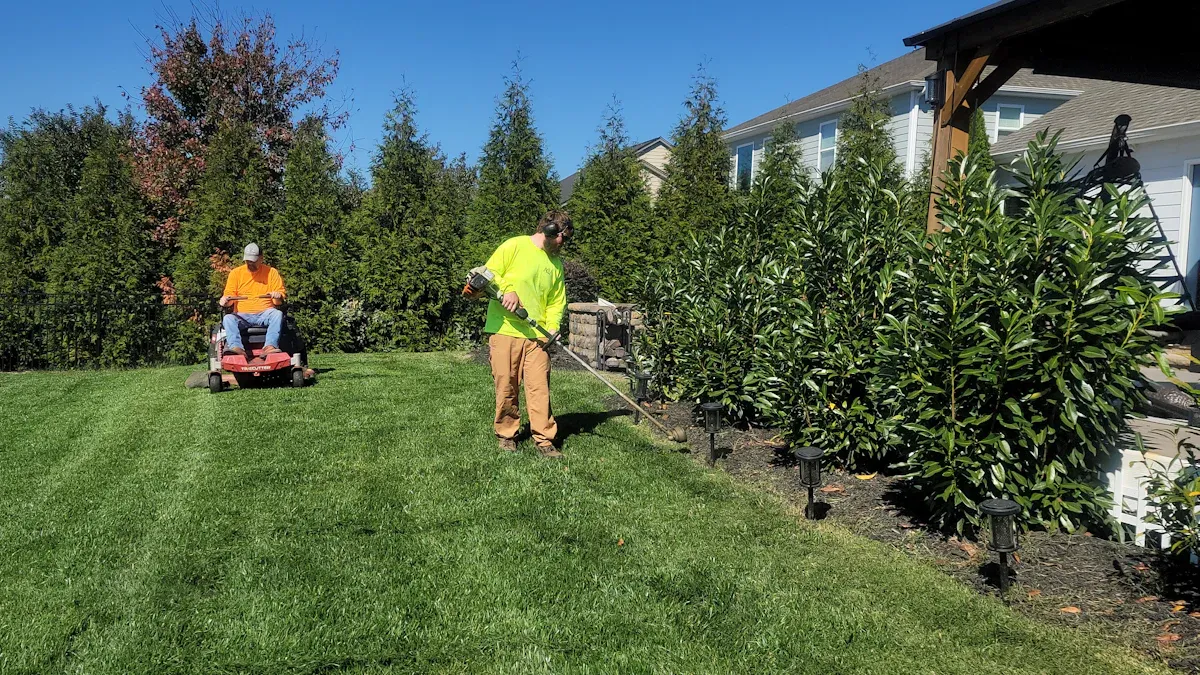
Maintaining your yard goes beyond aesthetics. It protects your home’s structural integrity and prevents costly issues. A well-kept yard also enhances your property’s curb appeal and value. You perform routine tasks to keep your outdoor spaces healthy and functional.
Lawn and Garden Care
A healthy lawn and garden are the foundation of a beautiful yard. You need to follow a consistent schedule for optimal plant health.
Mowing: Mow your lawn at least once a week during the growing season. This keeps grass at an ideal height and promotes dense growth.
Fertilizing: Fertilize your lawn 3-4 times a year. Apply fertilizer in early spring, late spring, late summer, and fall. This provides essential nutrients for strong growth.
Aeration: Aerate your lawn at least once a year. Consider aerating twice a year if you have heavy foot traffic or compact clay soil. Aeration helps air, water, and nutrients reach the grass roots.
Weeding: Regularly remove weeds from your lawn and garden beds. Weeds compete with your plants for resources.
Mulching: Apply mulch to garden beds. Mulch helps retain soil moisture, suppresses weeds, and regulates soil temperature.
Pest Control: Protect your plants from pests. First, identify the specific plant predator you are dealing with. Most plants are vulnerable to only a few specific predators and diseases. Always choose the least toxic option. For some insect predators, simple solutions include hosing them off or picking them off by hand. You can use natural insecticides like isopropyl alcohol, insecticidal soap, or neem oil. After using insecticides, consider applying a microbial inoculant like compost tea. This helps repopulate plants with beneficial microorganisms. You can also encourage beneficial critters to control pests. Ladybugs, for example, are voracious aphid-eaters in their juvenile stage. You can create a suitable habitat with diverse flowers and water sources to encourage them. Snakes are effective against slugs; provide hiding places like grassy slopes or sunny rock piles to attract them. Focus on growing diverse gardens that invite beneficial organisms to control plant predators naturally. This approach helps maintain a balanced ecosystem in your yard.
Tree and Shrub Trimming
Properly trimming trees and shrubs is vital for their health and to protect your home. You prevent damage to your house and promote plant vitality.
Preventing Damage: Tree branches should be at least 8 to 10 feet from your home. Ideally, no part of a tree should touch your home. Regularly trim branches hanging over the roofline. If branches do hang over the house, ensure they are high enough to allow air to pass between them and the roof or siding. The tips of a tree’s branches should be at least six feet from the roof. This prevents branches from scraping your roof or siding during windy conditions.
Health and Disease Prevention: Remove dead, diseased, or broken branches. Eliminate branches that rub against each other. Avoid topping trees, as it leads to health problems and weak branch structures. Make pruning cuts close to the branch collar. For larger limbs, start cuts from the underside to prevent bark tearing. Use ‘thinning’ cuts to remove entire branches at the branch collar. This is generally recommended. Prune during the late dormant season (late winter to early spring) for most plants. Prune young plants during their formative years to prevent future problems and encourage strong structure. For specific trees, prune oaks from April to October to prevent oak wilt. If pruning is necessary, apply wound dressing or latex paint. Prune honeylocusts in late winter while dormant to avoid stem cankers. Prune apple trees, crabapples, mountain ash, hawthorns, and shrub cotoneasters in late winter to prevent fireblight. For trees with free-flowing sap (e.g., maples, birches), prune after leaves are fully expanded in late spring or early summer to prevent bleeding.
Tool Usage: Use appropriate tools for the job. Use bypass pruners for living branches up to 0.5 inches. Use loppers for branches up to 1 inch. Use pruning saws for larger branches. Keep all pruning tools sharp to ensure clean cuts and proper healing. Sanitize tools between cuts, especially when moving between healthy and diseased plants. Use isopropyl alcohol or a 10% bleach solution to prevent disease spread. Prune healthy plants first and diseased plants last. Make thinning cuts to reduce branch length back to a living lateral branch. This redirects energy and improves structure. Perform removal cuts to take branches back to the main stem or trunk. Prune just beyond the branch collar. This swollen area where the branch connects to the trunk encourages proper wound healing and prevents decay. Avoid flush cuts that remove the branch collar or leave stubs. These hinder wound closure and invite decay. Limit removal to no more than one-third of a plant each year to avoid excessive stress and undesirable regrowth.
Hardscaping and Siding Upkeep
Your hardscaping and siding also require regular attention. This ensures their longevity and contributes to your home’s overall appearance.
Cleaning Patios, Walkways, and Driveways: Regularly clean your patios, walkways, and driveways. Use a pressure washer or a stiff brush with a cleaning solution to remove dirt, grime, moss, and algae. This prevents slippery surfaces and maintains their appearance. Consider the materials you use for hardscaping. Some materials offer greater durability and require less maintenance.
Material
Durability
Low-Maintenance Aspects
Concrete Pavers
Highly durable, withstands heavy foot traffic and various weather conditions.
Easy to clean with a hose or pressure washer. Individual pavers can be replaced if damaged.
Natural Stone (Flagstone, Travertine, Granite)
Extremely durable, long-lasting, and resistant to wear and tear.
Requires sealing to prevent staining and moss growth, but generally low maintenance once sealed.
Poured Concrete
Durable and long-lasting, especially when properly installed and maintained.
Easy to clean. Can be sealed to enhance durability and reduce maintenance.
Brick
Very durable and resistant to harsh weather conditions.
Low maintenance; occasional cleaning and re-sanding of joints may be needed.
Washing Exterior Walls/Siding: Wash your home’s exterior walls and siding annually. Use a soft brush or a low-pressure washer with a mild detergent. This removes dirt, mildew, and pollutants. This simple maintenance keeps your home looking fresh.
Inspecting for Cracks or Damage: Regularly inspect your siding for signs of damage. Look for soft spots or spongy panels. Press gently on siding that feels soft or spongy. This indicates deterioration, often due to water absorption. Check for interior signs of water damage. Issues inside the house like peeling paint, loose wallpaper, wall stains, or damp drywall can signal water intrusion from failing exterior siding. Look for fading, discoloration, or UV damage. While minor fading is normal, severe color loss means the siding’s protective finish is gone. This is common in vinyl and wood siding past its life expectancy. Watch for rising energy bills or drafty walls. Deteriorated siding with gaps and cracks compromises insulation. This forces HVAC systems to work harder and increases utility costs. Frequent repairs or high maintenance costs suggest the siding is nearing the end of its useful life. Check for pest damage or infestation. Damaged siding, particularly wood, attracts pests like termites and carpenter ants. This allows them to penetrate deeper into walls. Siding has a limited lifespan. For example, wood lasts 20-30 years, and vinyl lasts 20-40 years. Exceeding this indicates potential failure. Other signs include wavy, buckling, or cupped siding courses. Ripples or cupping can be caused by thermal stress, overdriven fasteners, trapped humidity, or heat sources. Look for soft, swollen, or crumbly trim and lower edges. Spongy or flaking material indicates moisture wicking from splashback, clogged gutters, or poor ground clearances. Hairline cracks, hail impact stars, or chalking allow wind-driven rain to enter. Powdery residue (chalking) indicates oxidation. Drafts and higher energy bills suggest air leaks in the exterior wall’s air barrier. This leads to increased energy consumption. Interior clues like peeling paint, musty odors, or warped drywall often point to hidden exterior failures and moisture intrusion behind the walls. Stains below roof-to-wall intersections indicate missing or improperly installed kickout flashing. This allows water to bypass siding and enter the wall cavity. Loose or gapped panels signify a loss of weather-tightness in the siding. Cracked siding panels allow water to leak behind panels, leading to rot, mildew, and wall damage. Look for vertical or horizontal cracks, especially near corners or edges, and discoloration around them. Holes in house siding allow bugs, rodents, and moisture to enter. This potentially causes long-term damage. Check for visible punctures, small gaps, or signs of pest activity. Warping or bubbling panels often indicate moisture damage, improper installation, or aging. Panels that do not lie flat, soft or spongy areas when pressed, or warping near windows or gutters are key indicators. Faded or peeling paint on siding may no longer be protective. For wood siding, peeling paint can signal trapped moisture. For vinyl, severe fading often points to sun damage or aging. Addressing these issues promptly prevents further damage and maintains your home’s integrity. Effective yard drainage and backyard drainage solutions, including proper drains, are crucial to prevent water from reaching your siding and foundation.
Roof and Gutter Maintenance
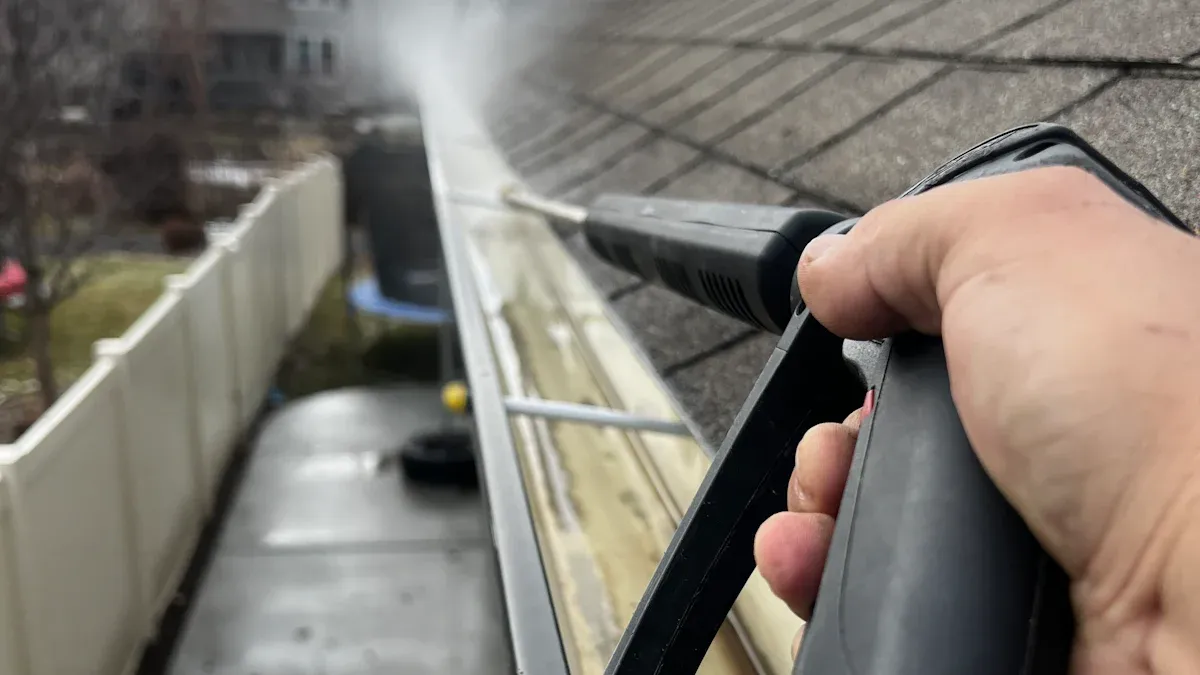
You must protect your roof structure. You also need to ensure proper water runoff. This section guides you through essential roof and gutter maintenance. It helps you prevent costly damage and extend your roof’s lifespan.
Regular Roof Inspections
Regular roof inspections are vital. They help you catch small problems before they become major issues. Most roofing professionals recommend getting your roof inspected at least once every two years. For new roofs, schedule inspections within the first year. This checks for any defects. If you live in an area with heavy rainfall, snowfall, or high winds, more frequent inspections may be necessary.
During an inspection, you look for specific signs of damage. These indicators tell you when your roof needs attention:
Missing, Cracked, or Curling Shingles: These are clear visual signs.
Granules in Gutters: You might see small, sand-like particles. This means your shingles are wearing out.
Sagging Roof: A dip or sag often points to structural or severe water damage.
Damaged or Missing Flashing: Flashing protects areas around chimneys, skylights, and vents. Damage here can lead to leaks.
Moss, Mold, or Algae Growth: These growths trap moisture. They can cause significant damage over time.
Water Stains on Ceilings or Walls: Yellow or brown spots inside your home indicate a roof leak.
Peeling Paint or Wallpaper: Moisture from a leaking roof can cause these issues.
Damp Spots or Drips During Rain: This suggests holes or gaps in the roofing material.
Light Coming Through Roof Boards in Attic: You see daylight in your attic. This indicates holes in the roof.
Wet Insulation in Attic: This reduces insulation effectiveness. It can lead to higher energy bills.
Understanding your roof material’s lifespan also helps you plan for future maintenance and replacement.
Material | Average Lifespan |
|---|---|
Clay Tile | 50-100 years |
Concrete Tile | 50-75 years |
Metal Roofing | 40-70+ years |
Architectural Asphalt Shingles | 25-30+ years |
Standard Asphalt Shingles | 15-20 years |
Metal roofs are very durable. They last 40 to 70 years. Clay tile roofs often last 50 to 100 years. They resist fire, insects, and moisture. Concrete tiles offer similar performance. They typically last 50 years or more.
Debris Clearing and Cleaning
You must keep your roof, gutters, and downspouts clear. Leaves and branches can cause significant problems. They block the proper flow of water.
Clearing debris from gutters is crucial. The safest way to clean gutters is from the ground. You do not use a ladder. This may take longer. Direct visibility might be limited. Always wear protective gear to prevent injury.
Here are effective tools and techniques for clearing gutters:
Leaf Blowers with Extensions: These are effective for clearing dry leaves and twigs. You can operate them from the ground.
Wet/Dry Vacuums with Extensions: These are ideal for stubborn clogs. They remove both dry debris and standing water.
Garden Hoses with Attachments: These are useful for flushing out lighter debris. They help with quick clean-ups.
Extendable Gutter-Cleaning Tools: These offer the safest method. They eliminate ladder use. You can often attach them to hoses or power washers.
Professional Gutter Cleaning: This is a convenient and safe option. You get expert service.
Gutter Guards: These significantly reduce cleaning frequency. They prevent debris accumulation.
Neglected gutter cleaning can lead to serious foundation damage. When gutters are clogged, rainwater overflows. This water pools around your home’s foundation. This excess moisture causes cracks, erosion, and even foundation settlement. This results in significant repair costs. Water pooling around the foundation is a costly consequence. Excess water erodes soil. It causes cracks, shifting, or structural failure. This is especially true in clay-heavy soils. Oversaturated soil weakens the foundation. It leads to cracks and water leaks into basements or crawl spaces. Simple gutter repairs or replacements prevent thousands of dollars in foundation repair costs. Clogged gutters prevent effective water redirection. This leads to water buildup and overflow. This causes water damage to the foundation. It potentially leads to structural damage and expensive repairs. Proper drainage is essential for your home’s health.
Moss and Algae Control
Moss and algae growth on your roof can cause damage. These growths trap moisture. They can lead to rot and weaken your roof structure. You can take steps to prevent their growth.
Here are effective methods for preventing moss and algae:
Trimming Tree Branches: Cut back branches. This increases sunlight exposure on the roof. It reduces debris accumulation. This creates a less hospitable environment for growth.
Regular Debris Clearing: Use a leaf blower or other non-abrasive methods. Regularly remove debris like leaves and twigs from the roof. This is part of routine maintenance.
Clean Gutters: Maintain clean gutters. This ensures proper water drainage. Avoid allowing gutters from an upper roof to drain directly onto a lower roof. Instead, extend the downspout into the lower gutter.
Algae Resistant Asphalt Shingles: Consider installing asphalt shingles with algae resistance technology. These often incorporate copper granules.
Zinc or Copper Strips: You can add zinc or copper strips. These release inhibitory metal ions. This prevents both algae and moss growth. This method works best during a new roof installation.
You should consider professional intervention for severe moss or algae infestation. These growths cause significant damage. They trap moisture. This leads to rot and weakens the roof structure. While DIY removal is risky, professionals ensure the job is done safely and thoroughly. Moss and mold issues escalate into more severe structural problems. The accumulation of growth creates an environment for water retention. Water pooling or seeping into underlying materials compromises structural components. Wood, common in roofing, is susceptible to rot. It loses load-bearing capacity when exposed to moisture. This weakening leads to sagging or structural failure. Structural meltdowns affect other parts of the building. They jeopardize occupant safety. If you detect severe moss or mold, hire professionals for proper removal and treatment. Professionals use specialized products. They eliminate growth. They also provide preventative solutions to deter future infestations. This ensures your roof’s long-term health and proper drainage.
Effective Drainage Solutions for Your Home
You need effective drainage solutions to protect your home. Managing water flow is crucial. This prevents foundation damage and water intrusion. Proper drainage solutions start with your gutters and downspouts.
Gutter and Downspout Management
Your gutters must be clear and sloped correctly. This ensures efficient water runoff. A gentle incline prevents water pooling and leaks. Experts recommend a slope between a quarter and a half of an inch for every 10 feet of gutter length. This ensures efficient drainage. You can also aim for 1 inch per 16 feet, but this may not always be practical. A slight pitch, like 1/2 inch in 20 feet, works well if no low spots exist. Avoid slopes that are too rapid. They can cause water to overflow. Slopes that are too shallow lead to pooling. This creates poor yard drainage.
Downspouts play a key role in your drainage system. They must divert water away from your foundation. This prevents water damage. Downspouts should relocate water’s discharge point at least four feet from your home. Ideally, keep them a minimum of 6 feet away from the foundation. This prevents water entry. Consider extending them further if you have a basement. For maximum protection against soil erosion and basement flooding, extend downspouts 4 to 10 feet. In areas with clay soil or poor drainage, 10-foot extensions or underground drainage are often required. These proper drainage solutions are vital to prevent flooding.
Optimizing Yard Drainage
Beyond gutters, optimizing your yard drainage is essential. You need to direct water away from your house. This prevents water from pooling near your foundation. Proper grading and landscaping techniques are key for effective yard drainage.
First, ensure positive drainage. The ground should consistently decline away from your buildings and foundations. Aim for a six-inch drop within the first 10 feet from the foundation. This prevents moisture accumulation. This directs water towards designated drainage areas. These areas include swales, ditches, or storm drains. Surface drainage uses the natural slope of the land. You can enhance this with features like swales and channels. For steep yards, terracing creates flat areas. Retaining walls separate these areas. This allows water to flow in controlled steps. It also prevents erosion. You can use grade breaks to shift slopes and create tiers on hills. Swales are shallow depressions. They channel water towards curbs. Berms can block and steer water flow. These are all effective drainage solutions for your yard.
Landscaping also helps manage water runoff. Certain plants are excellent for erosion control. They enhance water drainage.
Native Grasses: These have deep root systems. They are great for erosion control. Examples include Switchgrass, Little Bluestem, and Big Bluestem.
Ground Covers: These spread quickly. They create a dense mat. This stabilizes soil and reduces runoff. Creeping Juniper, Pachysandra, and Vinca Minor are good choices.
Shrubs and Bushes: They provide structure and stabilize soil. Red Osier Dogwood, Snowberry, and American Hazelnut work well.
Perennials and Wildflowers: They add beauty and control erosion. Black-Eyed Susan, Daylilies, and Purple Coneflower are effective. Other plants like Catmint, Russian Sage, Stonecrop, and Lantana also help. They offer solutions for backyard drainage and reduce soil erosion. These plants contribute to effective yard drainage.
Advanced Drains and Systems
Sometimes, surface drainage is not enough. You may need advanced drainage systems. These systems manage excess water more effectively. They prevent flooding and protect your property.
French Drains: These are subsurface drainage systems. They collect and redirect water beneath the surface. A French drain consists of a trench. You fill it with gravel and a perforated pipe. Water seeps into the pipe and flows away. French drains are excellent for soggy yards or areas with persistent standing water. They provide effective backyard drainage.
Sump Pumps: A sump pump removes water that collects in a sump basin. This basin is usually in your basement or crawl space. When water reaches a certain level, the pump activates. It then pumps the water out and away from your home. Sump pumps are crucial for preventing basement flooding.
Channel Drains: These are long, narrow drains. You install them in paved areas like driveways or patios. They quickly collect surface water. This prevents pooling and directs water to a main drain. They are great for managing water in hardscaped areas.
Dry Wells: A dry well is an underground pit. It is filled with gravel or rock. It collects and slowly disperses stormwater into the surrounding soil. Dry wells are good for managing runoff from downspouts or other drainage systems. They help manage excess water.
Yard Drains (Catch Basins): These are surface drains. You install them in low spots in your yard. They collect surface water and direct it into an underground pipe system. Catch basins prevent flooding in specific areas of your yard. They are key components of comprehensive yard drainage solutions.
Maintaining these drainage systems is important. For sump pumps, check for a level pump. Ensure it has not shifted due to vibration. Test its automatic start by filling the basin with water. Observe for unusual sounds or smells. Inspect the discharge line for leaks. Ensure the exterior line extends beyond the foundation. Its vent must be clear. You can optionally remove the pump to inspect and clean debris from the bottom of the basin. Check the power supply. It should be on an independent circuit. Use a surge protector or GFCI socket. Inspect the power cord for damage. Check the float and check valve. For battery backup systems, replace the battery every two to three years. Clean the terminals. Regular inspection and cleaning prevent issues. Test your sump pump regularly. Pour water into the pit. Ensure it starts immediately. It should dispose of water quickly. Consider professional maintenance for comprehensive care.
Dry wells also need attention. Ensure the inlet is clear of debris. Periodically check that water drains effectively. If water stands in the dry well, it may be clogged. You might need to clear the surrounding soil or flush the system.
These advanced drains and systems offer robust solutions. They enhance drainage efficiency. They prevent water damage and protect your home. For complex issues, consider professional drainage solutions. They can design and install the best drainage options for your specific needs.
Seasonal Outdoor Home Maintenance Checklist
You need a seasonal approach for effective outdoor home maintenance. This helps you protect your property year-round. You can prevent major issues with timely tasks.
Spring Preparations
Spring is a time for renewal. You prepare your home’s exterior for warmer months.
House Washing: Revitalize your siding. Use soft washing to remove dirt, mold, and mildew. This prevents damage.
Driveway and Sidewalk Cleaning: Remove dirt, algae, and oil stains. Pressure washing improves safety and appearance. Consider sealing pavers.
Roof Cleaning: Eliminate algae and moss. Professional soft wash treatments prevent shingle deterioration.
Gutter Cleaning: Clear leaves, dirt, and debris. This ensures proper water flow. It prevents foundation damage and leaks. Consider installing gutter guards.
Fence and Deck Washing: Use pressure or soft washing. Remove mold, mildew, and discoloration. This extends material life. It prepares surfaces for staining or sealing.
Window and Screen Cleaning: Wash exterior windows and screens. This improves natural light, visibility, and indoor airflow.
Pool Deck and Patio Cleaning: Pressure wash to remove slippery algae and grime. This makes the area safer and more inviting for warmer days.
Summer Routines
Summer routines focus on maintaining your lawn and garden. You keep them healthy and vibrant.
Mowing Your Lawn: Mow once a week. Cut one-third of the grass blade length. Leave grass taller in peak summer. This promotes root health and drought resistance.
Fertilize and Water Properly: Fertilize your lawn if it appears thin. Water deeply two to three times a week. Do this in the early morning. This encourages deep root growth.
Control Pests: Monitor for signs of pest infestation. Apply prompt treatments. Identify specific pests.
Control and Remove Weeds: Remove weeds as soon as they appear. This prevents spreading.
Enhancing Water Efficiency: Install smart watering systems. Use timers and moisture sensors. Collect rainwater with rain barrels. Adjust irrigation based on weather forecasts. This prevents overwatering and manages water effectively.
Fall Cleanup
Fall cleanup prepares your home for winter. You prevent issues from accumulating debris.
Cameron notes that “those are going to be the hardest spots to get them out of” when talking about leaves in landscaped areas. Wet leaves stick to everything. They become heavy. This makes cleanup much more difficult. “Gutters as well. That can be a pain in the butt,” Cameron adds. Clogged gutters cause water damage to your home’s foundation and roof. This makes this task critical for winter preparation.
Clean your gutters: This is vital. It prevents water damage to your home’s exterior and foundation. Clogged gutters lead to rust, corrosion, and basement flooding. Consider adding mesh gutter guards.
Seal up air leaks: Gaps around windows and doors allow cold air in. This increases heating bills. Sealing these leaks saves energy.
Prep your lawn for winter: Raking leaves and aerating prevent suffocation of your lawn. Fertilizing and winterizing grass ensure health through winter.
Repair walkways: Damaged walkways are hazardous. Fix cracks and uneven sections. This prevents minor issues from becoming major, costly repairs.
Winter Protection
Winter protection safeguards your outdoor plumbing and landscaping. You prevent freeze damage.
Shut off the water supply to outdoor plumbing. Use interior cutoff valves.
Open all outside faucets. Drain residual water.
Disconnect and store garden hoses indoors. This prevents ice blockages.
For irrigation systems, use a manual or automatic drain procedure. You can also use a professional blowout service. This clears water from pipes and valves.
Open backflow preventers slightly to drain. Consider insulating them.
Add specialized covers for hose bibs. Use them for above-ground systems. This provides an extra layer of defense.
You must winterize outdoor plumbing before temperatures consistently drop below 32°F. This proactive approach helps prevent damage from unexpected early frosts. Outdoor plumbing systems lack insulation. They are vulnerable to cold. When water freezes inside pipes, it expands. This causes cracks or bursts. This leads to leaks and water damage. Proper drainage is key to preventing this. This comprehensive outdoor home maintenance ensures your home’s longevity.
Consistent outdoor home maintenance is an investment. It protects your home’s value and safety. Regular attention to yards, roofs, and effective drainage prevents major issues. Proper drainage maintains aesthetic appeal. Good drainage ensures a safe environment. You implement these tips for better drainage. Consider professional services for complex drainage needs. This ensures optimal drainage. You protect your home. Enjoy a well-maintained exterior year-round. Effective drainage is crucial. Your home’s drainage needs care. Good drainage prevents problems. This outdoor home maintenance guide helps you.