

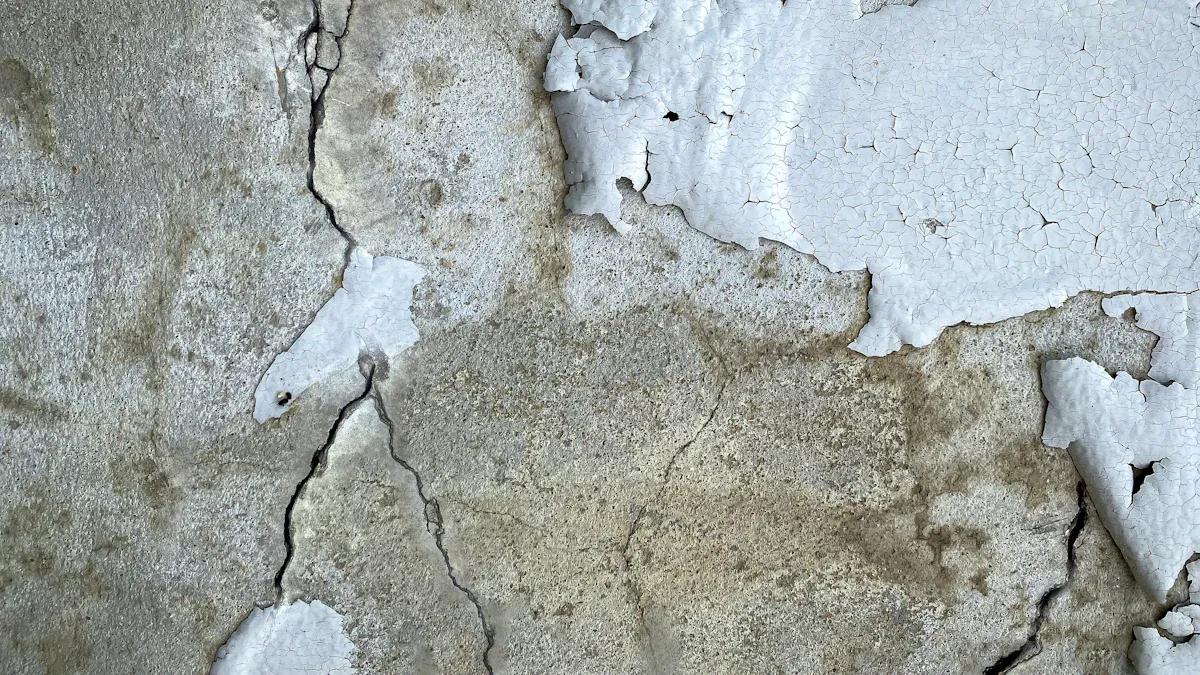
Mold and mildew are common fungal growths. You often find them in your home. Moisture directly causes these growths. It creates the perfect environment for them to thrive. Understanding and addressing these issues is important. It protects your home’s structural integrity. It also safeguards your health. Exposure to mold can lead to various problems. You might experience allergic reactions or breathing issues. Many people report allergic rhinitis or asthma.
Understanding Mold and Mildew
What is Mold
Mold is a type of fungus. It consists of many tiny threads called hyphae. These hyphae branch out and form a network called a mycelium. The mycelium is what you see as mold. Mold anchors itself and takes in nutrients from its surroundings. It also produces tiny reproductive particles called spores. These spores help the mold spread. Molds have cell walls made of chitin. They need oxygen to grow. They grow by extending their hyphae, which helps them get into surfaces. Mold organisms reproduce mainly through asexual spores, such as conidiospores. Molds get their energy from organic matter. They release enzymes to break down things like wood or food. This helps them absorb nutrients. Many molds produce mycotoxins. These can harm other organisms. Mold can grow on stored food, making it unsafe.
What is Mildew
Mildew is also a type of fungus. It is a common form of mold. Mildew reproduces through spores, just like other molds. It grows well on moist surfaces. Some mildews, like black mildews, are plant parasites. You often find them on leaves and twigs. These mildews form dark, circular spots. Their hyphae spread across the plant surface. They send tiny filaments into the plant cells to get nutrients. Downy mildew is another type. It creates a white, cottony growth on infected plants. Its hyphae spread deep inside the plant tissues. Mildew spores can travel by wind or water. They can stay dormant until conditions are right for mold growth.
Key Differences
You can tell mold and mildew apart by several features. Mildew often looks white, gray, or yellowish. It has a powdery or downy texture. It grows flat on surfaces. Mold, however, can be black, green, blue, red, or brown. It often looks fuzzy, slimy, or cottony. Mold growth is usually raised and three-dimensional. Mildew typically causes cosmetic damage and is easier to remove. You can often clean it with household cleaners. Mold can cause structural damage to your home. It is harder to remove. Mold can also lead to more severe health issues. Mildew usually has a mild, musty smell. Mold often has a strong, earthy odor.
Moisture: The Root Cause of Mold

Moisture is the single most important factor for mold growth in your home. You cannot have a mold problem without it. Understanding where moisture comes from helps you prevent mold.
Common Moisture Sources
Many things bring unwanted water into your home. Air infiltration is a big one; it moves over 98% of water vapor into building spaces. Water can also move through building materials. Roof leaks are common, and you might not notice them until you see damage. Plumbing leaks from broken pipes also introduce water. Flooding from outside, like runoff or rising groundwater, can cause significant water damage. Even your daily activities create moisture. Bathing, cooking, washing dishes, and doing laundry all release water vapor. Your indoor plants also contribute to the humidity. You might also find water seeping through small cracks in foundations, walls, or crawl spaces. This often happens when soil outside is very wet. Sewer line backups are another costly source of water intrusion.
How Moisture Fuels Growth
Fungi need moisture, nutrients, and the right temperature to grow. In your home, building materials provide plenty of nutrients. The temperature inside your home is usually comfortable for you, and it is also comfortable for mold. This means moisture is often the only thing stopping mold growth. Liquid water is a bigger threat than just high humidity in the air. When materials get wet, even once, mold spores can start to grow. For example, Penicillium chrysogenum can absorb water as humidity increases. Fungal growth on drywall mostly depends on surface moisture, especially liquid water. Increased moisture, like a wetting event, leads to more mold growth. Fungi can even grow on drywall under low humidity if it was wet before. This shows that liquid water is key for mold growth.
Ideal Conditions for Mold
Mold thrives in specific conditions. The ideal temperature for mold growth is between 60 and 80 degrees Fahrenheit. This is often the temperature range you keep your home. For humidity, you want to keep indoor humidity between 30% and 50% to prevent mold growth. High humidity levels, especially above 70%, create a perfect environment for mold to spread. You must control moisture to stop a mold problem.
Health Impacts of Mold in Your Home
Exposure to mold can significantly affect your health. You might experience various symptoms, from mild allergies to serious respiratory conditions. Understanding these risks helps you protect yourself and your family.
Common Allergic Reactions
Mold spores are tiny particles. You can easily inhale them. When you breathe in mold spores, your body might react. You can experience hay fever-like symptoms. These include a runny nose, stuffy nose, and sneezing. Your nose, eyes, ears, and mouth might feel itchy. Your eyes can become red and watery. Some people develop swelling around their eyes. You might also get a skin rash or hives. For individuals with asthma, mold can trigger or worsen asthma symptoms.
Respiratory Issues
Mold exposure can lead to several respiratory problems. You might develop or worsen asthma. Symptoms like wheezing, coughing, and shortness of breath can increase. Mold can also cause respiratory infections. You might experience bronchitis or allergic rhinitis. Upper respiratory tract symptoms are common. These include a persistent cough or difficulty breathing. Hypersensitivity pneumonitis, an inflammatory lung condition, can also result from inhaling mold particles.
Other Health Concerns
Beyond common allergies and respiratory issues, mold can cause other health problems. Prolonged exposure can lead to chronic sinusitis. This is a persistent sinus infection. You might experience nasal congestion, facial pressure, and loss of smell. This type of fungal sinusitis often resists standard treatments. Immunocompromised individuals face higher risks. They can develop aspergillosis, a serious infection from the Aspergillus mold. Symptoms include coughing, fever, and breathing difficulties. You might also feel persistent fatigue or brain fog. These are non-specific symptoms, but they can affect your overall health.
Who is Most at Risk
Certain groups are more vulnerable to mold’s adverse health effects. Immunocompromised individuals, like the elderly or those with chronic illnesses, face higher risks. Their weakened immune systems make them susceptible to severe mold infections. Infants should be removed from areas with suspected mold. Pregnant women are also more vulnerable to exposures in damp indoor spaces. Urban populations may face higher risks due to increased Aspergillus spores in city air.
Demographic Group | Odds Ratio (OR) | P-value |
|---|---|---|
Females | 1.72 | <0.001 |
Aged 65–79 | 1.86 | <0.001 |
Urban Residents | 2.50 | <0.001 |
Not Living with Family | 1.89 | <0.001 |
Higher Education | 2.01 | <0.001 |
Married Individuals | 1.80 | <0.001 |
In Very Good Health | 2.11 | 0.026 |

Mold Removal Strategies
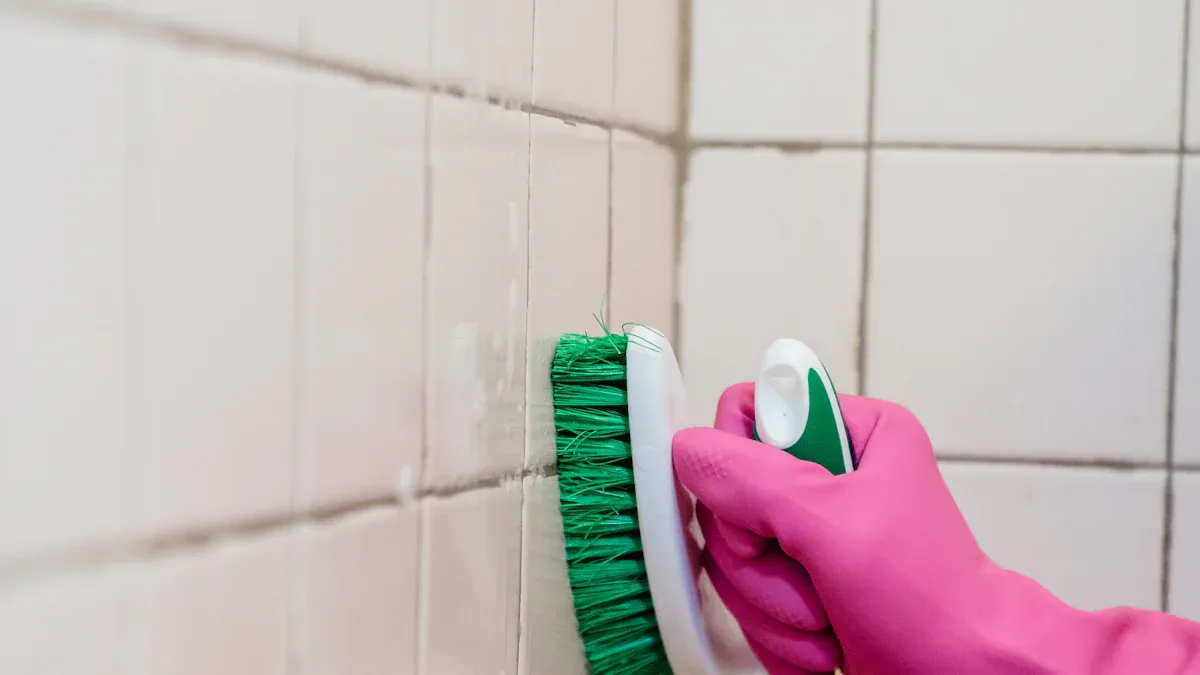
You need effective strategies to remove mold from your home. This includes knowing when to handle it yourself and when to call professionals.
Assessing the Problem
You must first assess the mold problem. Look for visible discoloration or fuzzy growth. Check areas with persistent musty smells. Investigate spaces with previous water damage. Inspect hidden areas like behind furniture and inside closets. Look for signs of moisture such as water stains or condensation. For a thorough assessment, consider hiring a highly trained professional. A certified inspector visits your home. They identify likely affected areas. They use advanced tools and techniques. These pinpoint moisture sources and potential mold growth zones. This establishes the foundation for the inspection. When you assess the area yourself, put on Personal Protective Equipment (PPE) for protection. Take photos or video. Inspect and sketch out the area. Create a tentative scope sheet. Then, take off and discard your PPE. Clean your respirator. This initial step is crucial for preventing future issues. It ensures effective remediation.
DIY Mold Removal for Small Areas
You can handle small mold cleanup jobs yourself. Scrub surfaces with a stiff brush, hot water, and household detergent. This works for minor mold growth.
You can use specific cleaning agents:
Bleach Solution: Mix one cup of bleach in a gallon of water. Apply it to the moldy area. Let it sit for 10-15 minutes. Scrub vigorously. Wipe away residue. Rinse with clean water. Dry completely with fans or dehumidifiers. Avoid using bleach on wood surfaces. Chlorine cannot penetrate wood. This can lead to potential regrowth.
Undiluted White Vinegar: Use undiluted white vinegar in a spray bottle for hard surfaces. Sprinkle it on mold. Let it sit for at least an hour. If mold remains, mix one teaspoon of baking soda with two cups of water. Spray it. Let it sit for a few minutes. Then scrub. Wipe with a clean cloth.
Ammonia Solution: Use a 50/50 solution of ammonia and water.
Hydrogen Peroxide: Use a 3% solution. Spray it directly onto the area. Let it sit for 15 minutes. Then wipe with a clean cloth. Repeat as necessary.
Borax: Mix one cup of borax with a gallon of warm water. Spray it onto mold. Gently scrub. Wipe with a clean cloth. Do not rinse.
Baking Soda: You can use baking soda as a paste. Mix equal parts baking soda and water. Apply it until dry. Then scrub. Or, use a spray solution. Mix 2 tablespoons of baking soda with 2 cups of water. Shake it. Apply it. Scrub.
Dish Soap and Warm Water: Add a teaspoon of soap to warm water in a spray bottle. Spray the moldy area. Scrub with a soft-bristled brush. Sponge up excess liquid. Dry completely.
Tea Tree Oil: Mix a teaspoon of tea tree oil with a cup of water. Spray it on mold. Let it dry for an hour. Then wipe clean.
Lemon Juice: Spray lemon juice on the moldy area. Let it sit for 10-15 minutes. Then wipe away.
Important Warning: NEVER mix bleach with ammonia or other cleansers. This creates dangerous toxic fumes.
To test for mildew, apply a few drops of household chlorine bleach. Mildew will lighten or disappear. Dirt will remain. This helps you identify the type of growth. Proper mold cleanup is essential. It prevents further water damage and mold growth.
Safety During Removal
You must protect yourself during mold cleanup. Wear appropriate personal protective equipment (PPE).
Respirators: Use disposable N95 masks. Full-face respirators or PAPRs offer more protection. These protect your respiratory system from inhaling mold spores.
Protective Gloves: Wear nitrile or latex gloves. They resist punctures and chemicals. These provide a protective barrier for your hands.
Full-Body Protective Suits: Use disposable or reusable coveralls. These shield your skin and clothing.
Eye and Face Protection: Wear safety goggles, face shields, or full-face respirators. These protect your eyes from mold spores, dust, and cleaning agents.
Shoe Covers: Use disposable covers. These prevent cross-contamination.
When to Call Professionals
You need professional mold remediation in certain situations.
Size Threshold: Mold contamination covering more than 10 square feet typically requires professional remediation services. The EPA and industry standards recommend this.
Health Risks: When you experience persistent respiratory symptoms, allergic reactions, or other health issues linked to mold exposure, professional assessment and remediation are essential.
Hidden Contamination: Mold growth within wall cavities, HVAC systems, or other inaccessible areas demands professional detection equipment. It also requires specialized removal techniques.
Water Damage Complexity: Significant water intrusion events, like flooding or major leaks, create conditions that almost always necessitate professional intervention. This prevents extensive mold development.
Structural Involvement: When mold affects building materials like drywall, insulation, or wooden structures, professional remediation ensures proper material removal and replacement. This prevents further damage to your home.
Toxic Mold Species: Suspected presence of dangerous mold types like Stachybotrys (black mold) or Aspergillus requires professional identification and specialized handling protocols.
Recurring Problems: When mold repeatedly returns after your DIY treatment attempts, professional services can identify and address underlying moisture sources and building defects.
Professional Remediation
Professional mold remediation follows strict guidelines. The ANSI/IICRC S520 Standard For Professional Mold Remediation defines the fundamental principle as source removal. This standard emphasizes removing materials if they cannot be effectively cleaned. For instance, porous materials like drywall are generally removed. Semi-porous materials like wood framing are often cleaned. Methods include damp wiping, HEPA vacuuming, and abrasive steps like wire brushing or media blasting.
Professionals use a comprehensive approach:
Thorough Inspections: They conduct visual assessments. They look for visible mold. They investigate odors.
Moisture Mapping: They use infrared cameras and moisture meters. These find hidden moisture.
Air and Surface Testing: They collect samples. These determine mold type and concentration.
Addressing Moisture Sources: They fix leaks, condensation, and poor ventilation.
Ensuring Proper Ventilation: They maintain adequate airflow.
Installing Dehumidifiers: They use these in high-humidity areas.
Containment and Air Filtration: They use physical barriers like plastic sheeting. This isolates affected areas. They employ negative air pressure machines. These prevent mold spores from spreading. They use air scrubbers with HEPA filters. These capture airborne spores.
Safe Mold Removal: Workers wear PPE. This includes N95 masks, gloves, and suits. They use abrasive cleaning for hard surfaces. They use encapsulation for porous materials. They dispose of contaminated items.
Addressing Water Damage: They perform water extraction. This removes standing water with pumps and vacuums. They use industrial dehumidifiers and fans for drying and dehumidification. They provide specialized disinfection and sanitization for sewage-contaminated areas. These cleanup guidelines ensure a safe and effective mold cleanup.
Preventing Mold Growth: Future Strategies
You can actively prevent mold growth in your home. This involves controlling moisture and maintaining a dry environment. Proactive steps help you avoid a costly mold problem and ensure a mold-free living space.
Controlling Indoor Humidity
You must maintain proper indoor humidity levels. This is crucial for effective mold control. Keep your indoor humidity between 30% and 50%. Mold can start to grow when humidity consistently goes above 50-55%. High humidity levels, especially above 60%, create ideal conditions for mold. Use dehumidifiers and air conditioners. These appliances remove moisture from the air. You effectively remove moisture from your home. Turn off or adjust humidifiers if you see moisture on windows or surfaces. For damp basements, use a dehumidifier. Do not use a humidifier in these areas.
High-capacity, heavy-duty dehumidifiers work best for basements and crawl spaces. These units perform well in low temperatures and high humidity. You can connect them to drainage systems like sump pumps for continuous operation. Whole-house dehumidifiers are good for overall home humidity control. Install them in your utility room and connect them to your HVAC system. Standalone units work well for specific problem areas. A dehumidifier in your basement prevents mold, odors, and structural damage. It also reduces moisture in crawl spaces, preventing wood rot and mildew. An attic dehumidifier prevents condensation, mold, and insulation damage in warmer climates. Products labeled as mildewstatic help prevent mildew from returning. You need to control moisture to keep your home mold-free.
Dehumidifier Type | Water Removal Capacity | Suitable Space Size | Humidity Level Suitability |
|---|---|---|---|
Compressor-based | Several gallons/day | Any reasonably sized space | Any humidity level |
Thermo-electric | A few ounces/day | Small spaces (e.g., closet) | Not very high |
Desiccant | A few ounces/day | Small spaces (e.g., closet) | Not very high |
Improving Ventilation
Good ventilation is key for mold prevention. It enhances air circulation. This disperses mold spores and stops moisture from building up. Ventilation regulates indoor temperatures. It reduces cold spots where condensation forms. It also reduces indoor humidity levels. Moist air escapes, and drier air enters. This creates an environment less favorable for mold growth.
You can use different ventilation strategies:
Exhaust ventilation systems: These push moist indoor air outside, decreasing humidity.
Supply ventilation systems: These bring filtered and conditioned outdoor air inside.
Balanced ventilation systems (HRVs/ERVs): These are energy-efficient. They remove stale indoor air and bring in fresh outdoor air. You must maintain these systems regularly to prevent them from becoming mold breeding grounds.
You can also use natural ventilation methods:
Open windows and doors. Especially open those opposite each other for cross-ventilation. This creates airflow to carry moisture outside.
Strategically place roof ventilators. They use wind flow and thermal buoyancy to expel warm, moist air.
Use vents or ventilating skylights. These expel warm, moist air from upper parts of your building.
Open your windows for at least 30 minutes daily.
Ceiling fans improve air circulation.
Open layouts naturally facilitate better airflow.
Mechanical aids also help:
Exhaust fans are essential in bathrooms and kitchens. They remove moisture-laden air before it spreads.
HVAC systems cool air and remove moisture. Change your HVAC filters every 1-3 months. Clean cooling coils and drain pans. Properly sealed and insulated ducts prevent humidity entry.
Sealing windows and doors with caulk and weatherstripping prevents outside air and water entry. Balance sealing with good ventilation to avoid trapping humidity.
Upgrade insulation. Good insulation keeps indoor surfaces at room temperature. This prevents condensation. Insulation with vapor barriers and spray foam blocks water vapor and seals gaps.
Avoid drying clothes indoors if humidity is high. Use a dehumidifier, space clothes out on racks for airflow, and use the highest spin cycle on your washing machine.
Fixing Leaks Promptly
You must fix leaks quickly to prevent a mold problem. You want to avoid the extensive cleanup that mold problems require. Common causes include faulty plumbing fixtures. Worn-out seals, poor installation, or overtightened connections cause leaks. Older homes often have pipe corrosion. This leads to small holes or cracks. High water pressure can strain pipes. Slab leaks occur under your home’s foundation. Damaged roofing and gutters also allow water to enter.
You can fix leaky faucets or loose fittings yourself. Tighten connections with a wrench. Use plumbing tape or epoxy for minor pipe patching. Call a professional for hidden leaks. They use infrared cameras, acoustic sensors, and moisture meters. These tools detect hidden water. Professional leak detection methods include acoustic leak detection and infrared thermography. Digital monitoring systems track water usage. They send alerts for unusual patterns, indicating potential leaks. Prompt action means you avoid a major cleanup.
HVAC System Maintenance
Regular HVAC maintenance is crucial for mold prevention. Clean and inspect drain pans regularly. This prevents standing water. Standing water is a common cause of mold development. Replace air filters frequently. This traps mold spores and pollutants. Use HVAC mold inhibitors. These products protect against mold growth on HVAC components. Ensure vents are free from blockages. Promote fresh air circulation. This reduces moisture and stops mold growth. Schedule professional duct cleaning. This removes existing mold and prevents future growth within the HVAC system. Consider ultraviolet air cleaners. These devices use UV light to inactivate mold spores. They improve indoor air quality. Proper HVAC maintenance reduces the likelihood of mold growth, saving you from a difficult cleanup.
HVAC Component | Maintenance Task |
|---|---|
Drain Pans | Regularly clean and inspect to prevent standing water, which is a common cause of mold. |
Air Filters | Replace frequently to trap mold spores and pollutants, improving air quality and system efficiency. |
HVAC Mold Inhibitors | Use these products for extra protection against mold growth on HVAC components. |
Ventilation | Ensure vents are free from blockages and promote fresh air circulation to reduce moisture and inhibit mold growth. |
Ducts | Schedule professional duct cleaning to eradicate existing mold and prevent future growth within the HVAC system. |
Dehumidifiers | Invest in whole-home or portable dehumidifiers to control moisture levels, reducing the risk of mold growth. |
Ultraviolet Air Cleaners | Install these devices, which use UV light to inactivate mold spores and other airborne impurities, improving indoor air quality. |
Smart Home Design for Prevention
Smart home design can significantly reduce mold risk. Sloped roofs with strategic overhangs direct water away from your home. Drainage planes for siding allow water to run its course. Rain screens let moisture escape. Vapor-permeable barriers allow trapped water vapor to exit. Continuous insulation systems reduce condensation. They minimize cold spots. Use mold-resistant gypsum boards. These are denser, less porous, and often coated with fiberglass or anti-fungal treatments. Closed-cell spray foam insulation fills cracks and seals your home. It does not absorb water. Magnesium oxide boards resist mold, termites, and fire. Mold-resistant roofing and siding materials perform better under sustained wet conditions.
Calculated ventilation design prevents stagnant air pockets. Mechanical ventilation, like ERVs, balances humidity. It helps your house ‘breathe’ to prevent mold. Zoning strategies ensure kitchens and bathrooms have adequate ventilation. This prevents localized high-moisture microclimates. Integrated dehumidification systems track conditions. They activate when thresholds are crossed. Smart home technology, like moisture sensors, detects micro-leaks. This prevents mold before it establishes. Smart design minimizes the chances of needing a mold cleanup.
Regular Cleaning and Inspection
Regular cleaning and inspection are vital for effective mold control. You want to avoid the need for major mold cleanup. Inspect high-risk areas like bathrooms and kitchens monthly. Perform overall home inspections quarterly. Check after significant rainfall or snowmelt. Clean high-moisture areas weekly. Focus on reducing moisture levels. Dust surfaces regularly. Address any signs of water damage immediately. Use dehumidifiers in humid areas. Ensure proper ventilation in bathrooms and kitchens. Fix leaks promptly. Wipe down wet surfaces regularly. Clean surfaces with a mold-killing solution. Focus on areas where moisture accumulates. Vacuum carpets and upholstery regularly. Clean curtains, couches, and fabric often. Dust surfaces frequently, especially in humid areas. Manage moisture to deter regrowth. Seal exposed surfaces in moisture-prone areas. Check areas where clothes and fabrics are stored. Improve airflow. Increase cleaning frequency in mold-prone areas. Use dehumidifiers to maintain appropriate levels. Employ air movers and fans for better ventilation. Install exhaust fans in bathrooms and kitchens. Immediately fix any signs of water leaks. Good prevention avoids the need for costly cleanup.
Moisture control is critical for mold prevention. You learned how to identify, safely remove, and proactively stop these issues in your home. Act quickly on any signs of fungal growth. A dry home promotes your health and peace of mind. Maintain your property regularly and stay vigilant.