


The kitchen sink has moved beyond a simple utility fixture. It now acts as a significant design element and a focal point in many modern kitchens. You see its dual role in both functionality and aesthetics. Consumers increasingly choose durable materials like stainless steel, granite, and composite sinks for their long-lasting performance. Granite is a fast-growing material type in the market, praised for its durability and aesthetic appeal. These modern kitchen sinks, including composite granite for its scratch resistance and fireclay for its classic look, drive many kitchen transformations. Stainless steel now even features noise-reducing technology. With so many kitchen sink trends and choices, how do you find the perfect blend of style and practicality for your home?
Key Takeaways
Modern kitchen sinks offer many materials. Each material has unique benefits. Stainless steel is durable. Granite composite resists scratches. Fireclay gives a classic look.
Workstation sinks save counter space. They have ledges for cutting boards. Farmhouse sinks offer a classic style. Undermount sinks create a smooth look.
Choose a sink that matches your kitchen style. Think about how you use your kitchen. Consider durability and how easy it is to clean.
Set a budget for your sink. Look at installation costs. Proper care keeps your sink looking new. Avoid common mistakes like not planning for your faucet.
Modern Kitchen Sink Materials
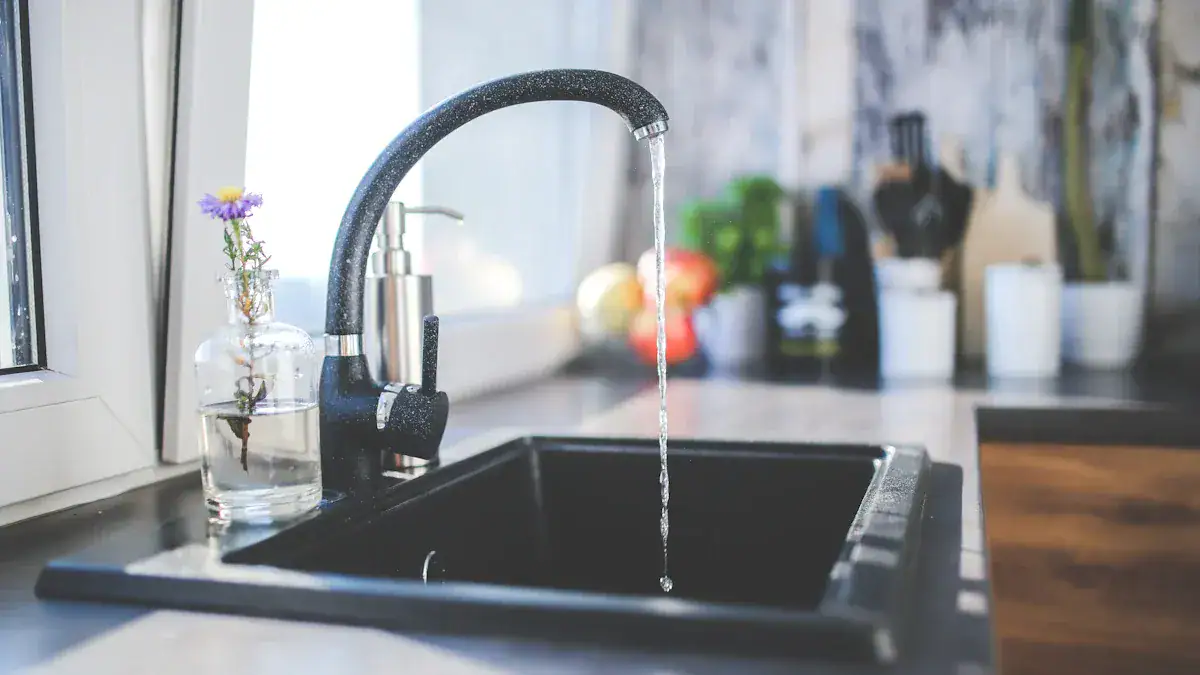
When you choose a kitchen sink, you are not just picking a basin. You are selecting a key element that defines your kitchen’s style and functionality. Modern kitchens offer many different types of kitchen sinks, each with unique benefits. Let’s explore the materials that make up today’s top kitchen sinks.
Stainless Steel Sinks
Stainless steel sinks remain a popular choice. You get a sleek, modern look that fits many kitchen designs. These sinks are very durable. They resist heat and stains well. Cleaning them is usually simple. You just need mild soap and water. Many stainless steel sinks today use recycled materials, making them an eco-friendly option. They also often include sound-dampening pads to reduce noise from dishes and water.
Granite Composite Sinks
Granite composite sinks offer a beautiful, stone-like appearance. Manufacturers create these sinks by mixing granite and quartz particles with acrylic resin. This blend makes them incredibly tough.
Granite composite is the most scratch resistant sink material on the market today. These sinks offer the highest level of durability thanks to an extremely high density of rock particles at the sink’s surface.
You will find these sinks resist scratches, dents, and chips very well. They also handle heat effectively. You can place moderately hot pots and pans in them without worry. However, remember that while they are heat resistant, they are not heatproof. Extremely hot items might damage the resin binders. These sinks are nonporous, which means they are hygienic and resist stains.
Fireclay Sinks
Fireclay sinks bring a classic, farmhouse charm to your kitchen. They are known for their smooth, glossy finish and extreme durability. The creation of a fireclay sink is a detailed process:
Clay Mixing and Molding: Workers mix clay with water until it is like honey. They pour this mixture into a plaster mold. The mold absorbs water, shaping the sink.
Smoothing: After drying, skilled artists hand-sponge the sink to make it perfect.
Glazing: Sinks get a thick layer of glaze by hand. Then, a spray application of ground glass, cellulose, and water finishes the glazing.
Firing: The glazed sinks go into a very hot oven. This high heat fuses the clay and glaze together, creating a new, strong material.
This process makes fireclay sinks very resistant to chips, scratches, and stains. They are also easy to clean.
Cast Iron Sinks
Cast iron sinks offer a heavy, robust feel with a classic look. Manufacturers coat a cast iron base with a thick layer of enamel. This enamel gives the sink its smooth, glossy finish and protects the iron. You will find them very durable and resistant to dents. However, you need to care for them properly to prevent issues.
Preventing Rust: Clean your sink weekly with hot water and gentle dish soap. Always rinse thoroughly and dry completely. For deeper cleaning, use a mixture of hot water, baking soda, and ammonia. Avoid abrasive sponges or steel wool, as they can scratch the enamel and lead to rust.
Preventing Chipping: Hard impacts can chip the porcelain enamel. Be careful with heavy pots and pans. If your cast iron sink chips, consult a professional for repair.
Copper and Brass Sinks
For a touch of warmth and luxury, consider copper and brass sinks. Copper sinks have warm, reddish tones that instantly add character. They develop a natural patina over time. This unique aging process creates a soft, aged look, telling a story and ensuring no two sinks are exactly alike. Copper fits many styles, from farmhouse to modern. Brass sinks offer a golden glow, showing sophistication and elegance. You can choose a high-shine polished finish for glamour or an aged finish for a vintage feel. Brass pairs well with marble, dark wood, and modern matte black fixtures. These materials offer a truly unique kitchen sinks option.
Quartz Sinks
Quartz sinks are another excellent composite option. They are very durable and resist scratches, stains, and heat. They are also non-porous, making them hygienic and easy to clean. When you compare quartz sinks to granite composite sinks, you see some differences:
Feature | Quartz Sink | Granite Composite Sink |
|---|---|---|
Durability | Very durable, resistant to scratches, stains, and heat; non-porous, hygienic, and easy to clean. | Very strong, scratch-resistant, and heat-resistant. |
Maintenance | Limited surface maintenance. | May need more maintenance, can discolor or wear over time, especially with hard water. |
Surface | Ultra-smooth, non-porous, stain, chip, or fade resistant. | More textured surface, may fade or show wear over time, and tend to discolor more in hard water conditions. |
Heat Resistance | Less resistant to heat; be careful with hot objects to prevent discoloration. | More resistant to heat. |
Quartz sinks often have an ultra-smooth surface that resists chips and fading.
Porcelain and Solid-Surface Sinks
Porcelain and solid-surface sinks offer a seamless, integrated look. Solid surface sinks are man-made from acrylic, polyester resins, and natural minerals. They often fuse with the countertop, creating a continuous surface. This seamless design eliminates crevices where dirt and bacteria can hide, improving hygiene. You will find these sinks in many places:
Residential Kitchens: Homeowners love their unified look and easy cleaning.
Commercial Foodservice: Restaurants use them for hygiene and durability.
Healthcare Settings: Hospitals value their non-porous surfaces that prevent bacterial growth.
Ceramic sinks, often used in restaurant kitchens, also offer durability against temperature changes and heavy use. They maintain a professional appearance in demanding environments.
Unique Materials: Soapstone and Concrete
For those seeking something truly distinctive, soapstone and concrete offer unique kitchen sinks.
Soapstone: This natural stone is nearly indestructible. It can withstand extremely hot pots. You need to oil it initially, much like a cast iron pan, to create a durable surface. Scratches can be sanded out, and it requires minimal maintenance once established.
Concrete: Concrete sinks allow for great customization in size, shape, color, and texture. They offer a modern, industrial look. However, concrete is softer than granite and porous. It needs sealers to prevent staining and discoloration. The finish may not hold up well over time in a busy kitchen due to constant abrasion and chemicals. Concrete can also chip and scratch.
Top Kitchen Sink Trends
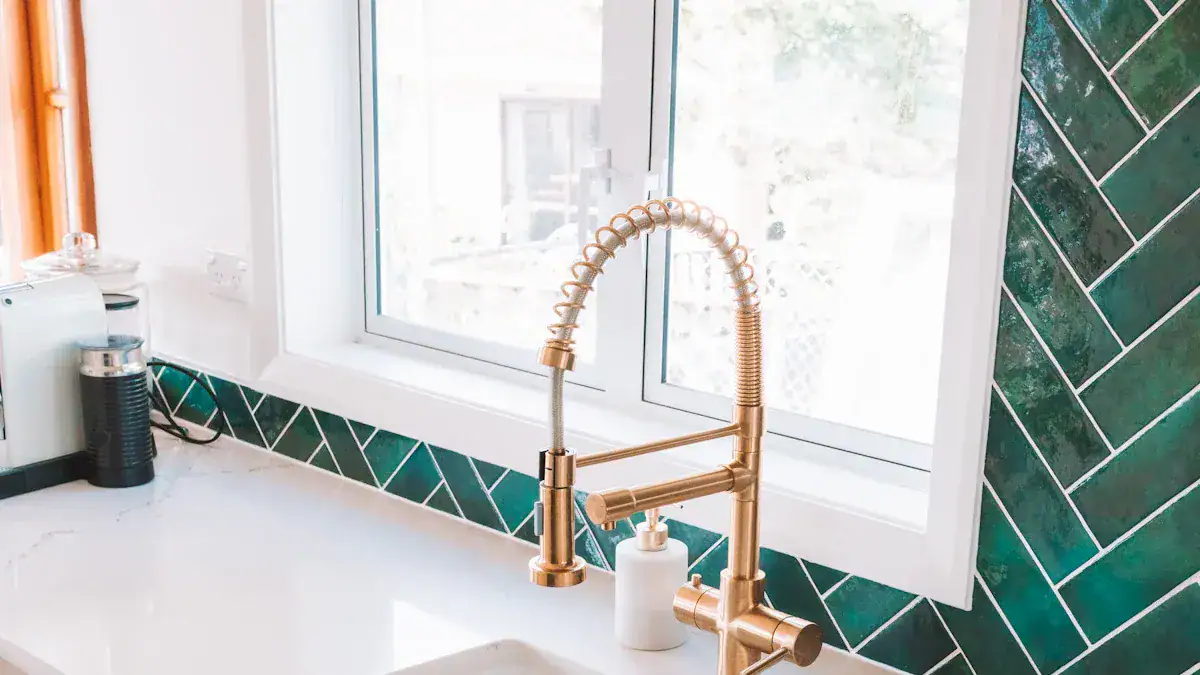
Modern kitchens offer many exciting kitchen sink trends. These trends focus on making your kitchen more efficient and beautiful. You will find many different types of kitchen sinks that combine smart features with stylish looks. These modern kitchen sinks design ideas truly transform your space.
Workstation Sinks
Workstation sinks are a top choice for busy kitchens. These sinks come with integrated ledges. You can slide accessories like cutting boards, colanders, and drying racks over the basin. This design creates a versatile prep area right over your sink.
Workstation sinks offer many benefits:
Maximized Counter Space: You free up valuable counter space. This is especially helpful in smaller kitchens.
Enhanced Organization: Workstation sinks help keep your kitchen tidy. They provide specific areas for different tasks. This prevents cluttered counters.
Improved Efficiency: You can do many tasks in one spot. Rinsing vegetables, chopping, and waste disposal are all within easy reach. This reduces the time you spend moving around.
Improved Workflow: You can wash, chop, and rinse in one central location. This ‘cook-and-clean’ workflow makes meal prep more efficient.
Less Mess & Easy Cleanup: Messy tasks stay inside the sink basin. This makes cleanup simpler. You can slide vegetable scraps directly into the sink or disposal.
Entertaining & Multi-Use Convenience: You can adapt workstation sinks for various needs. Use an insert as an ice chest for drinks. You can still wash your hands. They also work as a two-person prep station.
These workstation sinks truly combine functionality with fashionable design. They are a smart investment for any modern kitchen.
Farmhouse and Apron Front Sinks
Farmhouse sinks, also known as apron front sinks, bring a classic, charming look to your kitchen. Their history goes back centuries. Early farmhouse sinks met the need for large basins in rural homes. People hauled water manually. The apron front design made washing more comfortable. You did not need to lean over a countertop.
Over time, farmhouse sinks evolved:
Early Origins: These sinks prioritized comfort for long hours of washing.
17th Century Britain: Belfast and London butler sinks became popular. Belfast sinks had a larger basin and an overflow. London sinks were smaller to save water.
Late 19th Century France: French farmhouse sinks became popular for their strength. They often came from white clay.
1920s United States: Cast iron sinks were fashionable. During WWII, cheaper stainless steel sinks replaced traditional farmhouse kitchen sinks.
Modern Resurgence: Farmhouse sinks are popular again. People appreciate their function and form.
Modern farmhouse sinks offer ergonomic benefits. They give you increased basin space for large items. You also reduce strain from leaning. The apron front often extends past cabinetry. This directs pooling water to the floor, not your cabinets. Today, you find farmhouse sinks in new materials. These include concrete, stone, and copper. These materials offer upscale interpretations of classic porcelain or fireclay models. They make the farmhouse sink an architectural focal point in modern kitchen designs.
Undermount Sinks
Undermount kitchen sinks create a sleek, seamless look in your kitchen. Install these sinks beneath your countertop. This design eliminates the lip or rim found on traditional drop-in sinks. This gives you an uninterrupted transition from the sink to the counter. This style lets your countertop material be the star of your kitchen’s design.
Undermount kitchen sinks offer significant advantages:
Modern & Seamless Design: They provide a clean, modern look. This complements contemporary designs. Your countertop material blends perfectly.
Effortless Maintenance: There is no rim to collect crumbs or debris. You can simply wipe food scraps directly into the sink. This makes cleaning much easier.
Hygienic Benefits: The lack of gaps between your sink and countertop reduces mold and bacteria growth. This helps create a cleaner, healthier kitchen.
The benefits of modern kitchen sink design like undermount styles are clear. They offer both beauty and practicality.
Integrated Sinks
Integrated sinks are part of the countertop itself. Manufacturers craft them from a single material. This creates a sleek and seamless design. This style contributes to a very modern aesthetic.
You can find integrated sinks in many materials:
Material | Characteristics | Design Implications |
|---|---|---|
Quartz | Durable, heat and scratch-resistant | Looks great in any kitchen, uniform look |
Granite | Unique patterns and colors | Provides a natural look, desired for integrated sink and countertop combo |
Marble | Pure luxury, elegant feel | Oozes class, can be costly, requires sealing |
Laminate | Affordable luxury option | Cannot feature truly integrated sinks, but can use an undermount sink for a similar impression |
Integrated sinks offer great versatility. You can customize them to exact specifications. This includes size, shape, color, and finish. This creates a unique centerpiece for your kitchen. The seamless construction also eliminates hard-to-reach nooks. This makes cleaning effortless.
Low Divide and Single Bowl Sinks
Low divide and single bowl sinks are popular kitchen sink trends. They offer practical benefits, especially for washing large items.
Low Divide Sinks: These sinks have a divider that is lower than a traditional double sink. This gives you an expansive workspace. You can easily handle large cookware. Think oversized pots, pans, and baking sheets. The low divider does not get in the way. You get more space for larger cookware compared to traditional double sinks.
Single Bowl Sinks: These sinks provide one large basin. They offer ample space for big items. This makes them perfect for households that frequently wash large pots and pans.
Both of these kitchen sink designs focus on maximizing usable space. They make your dishwashing tasks much easier.
Oversized Single Bowls
Oversized single bowls take the single bowl concept even further. These sinks are extra-large. They provide maximum capacity for all your kitchen needs. You can easily soak large roasting pans or stack many dishes. This style is perfect for those who cook often or have large families. It offers unmatched convenience and a clean, uncluttered look. This is one of the most practical kitchen sink styles available today.
Modern kitchen sink trends also include smart features. Some sinks now have touchless faucets or built-in water filtration systems. These innovations add convenience and efficiency to your daily kitchen routine.
Selecting Your Modern Kitchen Sink
You now understand the many materials and styles available for your kitchen. Choosing the right modern kitchen sink involves more than just looks. You need to balance aesthetics with practical needs. Consider how you use your kitchen every day.
Kitchen Aesthetic Match
Your sink should complement your kitchen’s overall style.
Overall Kitchen Style: A modern kitchen might suit a glossy acrylic sink. A traditional space could benefit from cast iron or stone.
Durability and Maintenance: Stainless steel is robust and easy to clean. Composite granite offers exceptional durability and low maintenance.
Aesthetics and Style: Porcelain, stainless steel, and granite offer various colors, shapes, and textures. Composite stone can mimic natural stone.
Eco-Friendliness: Choose durable, long-lasting materials. Recycled stainless steel or plant-based composite sinks are good options.
Cost: Prices vary widely. Balance cost with expected wear and tear.
Lifestyle and Usage Needs
Think about your daily cooking habits. If you cook often or entertain guests, consider these features:
Double or Triple Bowl Sinks: These are ideal for multitasking. You can wash and rinse at the same time.
Deep Sinks: A deeper sink (9-12 inches) holds larger items. It also reduces splashing.
Accessory Integration: Sinks with integrated cutting boards or colanders streamline food prep. Workstation sinks are excellent for this.
Sound-Absorbing Pads: These reduce noise from dishes and water.
Second Prep Sink: A smaller, secondary sink with a touchless faucet enhances convenience. It helps with food preparation or as a beverage station. This is great for entertaining.
Installation Type
The installation type affects both cost and appearance.
Plumbing Modifications: Rerouting pipes can increase costs.
Labor Costs: Professional installation fees vary.
Countertop or Cabinet Modifications: Farmhouse and undermount sinks often need custom cabinet work. This adds to expenses.
Additional Hardware: Drain strainers or garbage disposals add to the total.
DIY Costs: If you install it yourself, factor in tools, plumbing supplies, and safety gear.
Budget Considerations
Sinks range from $70 to $2000. Many budget-friendly options look high-end. Do not buy expensive brands unless you need a specific feature. You can also find high-end sinks at thrift stores or salvage outlets.
Maintenance and Care
Proper care keeps your sink looking new.
Rinse the sink with warm water after each use.
Wipe the surface dry with a soft cloth. This prevents water spots.
Clean spills immediately.
Use gentle, non-abrasive cleaners.
Avoid harsh chemicals like bleach or ammonia. Do not use metal scouring pads. Consistent daily care prevents stains and odors. It preserves your sink’s beauty and durability.
Common Selection Mistakes
Avoid these common errors when choosing your kitchen sink designs:
Not considering the faucet first: The faucet is central to how you use the sink. Its size and style must match the sink.
Counting the wrong number of sink holes: Choose your faucet before the sink. This ensures you get the correct number of holes.
Not buying stainless steel: Stainless steel is a popular and durable choice. It performs well.
Not considering your budget: Set a budget. Stick to it.
Not shopping salvage and thrift stores: You can find expensive sinks at a fraction of the cost.
You have explored many modern kitchen sink materials and styles. Remember to balance your personal taste with practical needs. Consider durability, maintenance, and functionality. View your modern kitchen sink as an investment. It enhances your kitchen’s beauty and efficiency. You can now confidently choose the perfect sink. This will fit your home and lifestyle. These kitchen sink trends offer great options.
FAQ
What is the most durable sink material?
Granite composite sinks are very durable. They resist scratches, dents, and chips well. They also handle heat effectively. This material is a top choice for long-lasting performance.
What is a workstation sink?
A workstation sink has ledges. You can slide accessories onto these ledges. These include cutting boards or colanders. This creates a versatile prep area. It helps you save counter space.
How do I clean my stainless steel sink?
Clean your stainless steel sink with mild soap and water. Use a soft cloth. Rinse it well. Dry it completely to prevent water spots. Avoid abrasive cleaners or steel wool.
Can I install a farmhouse sink in any kitchen?
Farmhouse sinks often need special cabinet modifications. Their apron front extends past the cabinets. This means you might need custom work. Plan for this during your kitchen design.