

You spend much time in your home. Yet, you might overlook your indoor air quality. The air inside can often be more polluted than outdoor air. Poor indoor air quality causes headaches, eye irritation, and fatigue. It also links to infections, lung cancer, and chronic lung diseases like asthma. Children with asthma often experience more symptoms from indoor pollutants. This blog provides practical steps to improve indoor air quality. You will learn how to enhance your home air quality, achieve healthy indoor air, and create a healthier living environment for your family.
Understanding Indoor Air Pollutants
Common Indoor Air Contaminants
You need to know what you are breathing. Many different indoor air pollutants can affect your health. These include biological contaminants like mold, dust mites, and pet dander. You also find chemical pollutants such as Volatile Organic Compounds (VOCs) and formaldehyde. Other common indoor air pollutants are carbon monoxide (CO), nitrogen dioxide (NO2), radon, and particulate matter. Secondhand smoke also contributes to poor indoor air quality. These various indoor air pollutants can come from many places inside your home.
Everyday Sources of Indoor Air Pollution
Many everyday items create indoor air pollution. Your cleaning products, paints, and furniture release VOCs. For example, formaldehyde comes from furniture, carpets, and paints. Benzene is in cigarettes and stored fuels. These are common sources of indoor air pollution. Cooking also creates particulate matter, especially when you fry or grill food. Burning candles, using fireplaces, or smoking indoors are other significant sources of indoor air pollution. Particles also enter your home from outdoor air through windows and doors. Pets, plants, and mold also release biological contaminants. These are all significant sources of indoor air pollution.
Health Impacts of Poor Indoor Air Quality
Poor indoor air quality can cause many health issues. You might experience headaches, dizziness, or fatigue. Exposure to indoor air pollutants can worsen allergy symptoms. You may also notice eye, nose, and throat irritation. Long-term exposure can lead to more serious respiratory problems. These include asthma and other respiratory issues. Children and the elderly are often more sensitive to these effects. Indoor allergens like dust mites and pet dander can trigger severe allergy symptoms and respiratory problems. Addressing these issues improves your overall health.
Controlling Indoor Air Pollution Sources
You can significantly improve your home’s air by controlling indoor air pollutants at their source. This involves making conscious choices about the products you use and the activities you do indoors. Taking these steps helps you reduce indoor air pollution.
Minimizing Chemical Exposure
Many common household products release harmful chemicals into your air. You should choose safer alternatives for cleaning. For example, vinegar is an acetic acid solution. It cuts grease, removes mildew, and dissolves mineral deposits. You can use it on glass and smooth surfaces. Baking soda works as a gentle abrasive. It scrubs grime and neutralizes odors. When you combine vinegar and baking soda, they fizz. This action helps lift stains and dislodge debris. Hydrogen peroxide is a green alternative to bleach. It disinfects by killing bacteria and viruses. It does this without harsh environmental or health impacts. Hydrogen peroxide breaks down into water and oxygen. Essential oils add antibacterial, antifungal, and aromatic properties to homemade cleaning solutions. They enhance natural cleaning routines.
Warm water and soap are often effective for cleaning. This is especially true in homes. The EPA’s Safer Choice list provides products. These products meet specific requirements for cleaning and other needs. You should choose products with fewer VOCs, fragrances, and irritants. You should avoid air fresheners completely. They just mask odors and add more chemicals to your air. These simple indoor air quality solutions help you breathe easier.
Reducing Combustion Byproducts
You can also reduce indoor air pollution by controlling combustion byproducts. Avoid burning items inside your home. Fireplaces, wood stoves, and gas appliances release harmful gases and particles. Candles also contribute to poor indoor air quality. Burning candles releases particulate matter (PM), polycyclic aromatic hydrocarbons (PAH), and sulfur dioxide (SO2). This is especially true with improperly refined wax. PM10 concentrations from scented candle burning can reach high levels. These levels exceed Korean indoor air quality guidelines. PM2.5 levels can also peak very high. Finer particles like PM2.5 and PM1 spread widely. They stay elevated far from the candle. This shows they can travel long distances. Burning scented candles also changes the airborne microbiome. It increases nano-sized bacterial extracellular vesicles.
Never smoke indoors. Cigarette smoke and secondhand smoke are major sources of indoor air pollutants. Do not use a gas stove or oven to heat your home. This releases carbon monoxide and nitrogen dioxide. Avoid cooking methods like frying or grilling. These methods increase airborne particles.
Managing Biological Contaminants
Managing biological contaminants is another key step. Mold, dust mites, and pet dander are common biological indoor air pollutants. The most effective way to prevent mold growth is to control moisture. Keep indoor humidity below 60%. Ideally, it should be between 30% and 50%. You can use dehumidifiers and air conditioners for this. Promptly repair leaky pipes and faucets. Use exhaust fans when you bathe and cook. Clean gutters regularly. Ensure water drains away from your home’s foundation. Decrease moisture sources by fixing air conditioning flaws and building leaks. Increase surface temperatures of cold items with insulation. This prevents condensation. Prevent moisture flow by sealing air leaks. Install vapor barriers. Enhance air circulation with fans and proper ventilation. Regularly clean high-moisture areas with mold-killing products. This prevents growth. Use mold-resistant paints and building materials in susceptible areas. Schedule routine checks of pipes, roofs, and windows. This helps detect issues early.
Improving Ventilation and Filtration
You can significantly improve your home’s air quality by bringing in fresh air and removing pollutants. This involves both natural and mechanical methods. Implementing these indoor air quality solutions helps you achieve breathing cleaner air.
Enhancing Natural Airflow
Opening windows regularly is a simple yet powerful way to enhance natural airflow. Even in winter, you should open windows, especially when you cook. This helps clear out stale air and pollutants. Leaving interior doors open also promotes better air circulation throughout your home. Ceiling fans can help move air around, making your home feel more comfortable and aiding in air distribution.
Consider the best times to open your windows for maximum benefit. Early morning hours are ideal for natural ventilation, especially in spring and fall. The air is cooler and fresher then. This helps lower indoor temperatures and circulates fresh air before midday heat. As temperatures drop in the evening, particularly during summer, open windows again. This allows cooler air to enter, reducing indoor temperatures.
Cross-ventilation is especially effective. You create cross-ventilation when you open windows on opposite sides of your home. This allows air to flow directly through. Cross-ventilation removes stale air and brings in fresh air. It reduces concentrations of pollutants like dust, pollen, and mold spores. This continuous exchange of air effectively reduces indoor pollutants such as CO2, volatile organic compounds (VOCs), and particulates. This fresh air circulation creates a healthier indoor environment. It also helps cool your home naturally, reducing your reliance on air conditioning and saving energy.
Utilizing Mechanical Ventilation
Mechanical ventilation systems actively bring fresh air into your home and remove stale air. Running exhaust fans in bathrooms and kitchens is crucial. These fans remove moisture and cooking fumes, which often contain pollutants. Always use your kitchen exhaust fan when cooking, especially if you use a gas stove.
You can also consider more advanced mechanical ventilation systems. Mechanical Ventilation with Heat Recovery (MVHR) systems are a top standard for energy efficiency and air quality. They extract warm, stale indoor air and use its heat to warm fresh incoming air through a heat exchanger. This is very effective in colder climates. It offers significant energy savings and a continuous supply of fresh air. Continuous Mechanical Extract Ventilation (MEV) systems continuously remove moisture-laden air from areas like kitchens and bathrooms. They are simpler and have lower initial costs than MVHR.
When you choose mechanical ventilation, consider energy efficiency. Select systems like high-efficiency exhaust fans or heat recovery ventilators (HRVs). Use programmable timers or sensors to operate ventilation only when necessary. Design ductwork for maximum airflow and minimal energy loss. Insulate walls and seal gaps to reduce heat loss. Advanced systems can recover up to 90% of thermal energy from outgoing air. This significantly lowers heating and cooling expenses. Proper sizing of the system is also crucial. Incorrect sizing leads to excessive energy use. You should also maintain these systems regularly. Clean or replace filters every 6–12 months. Check fan operation and ducting annually to maintain efficiency.
Air Purification and Filtration
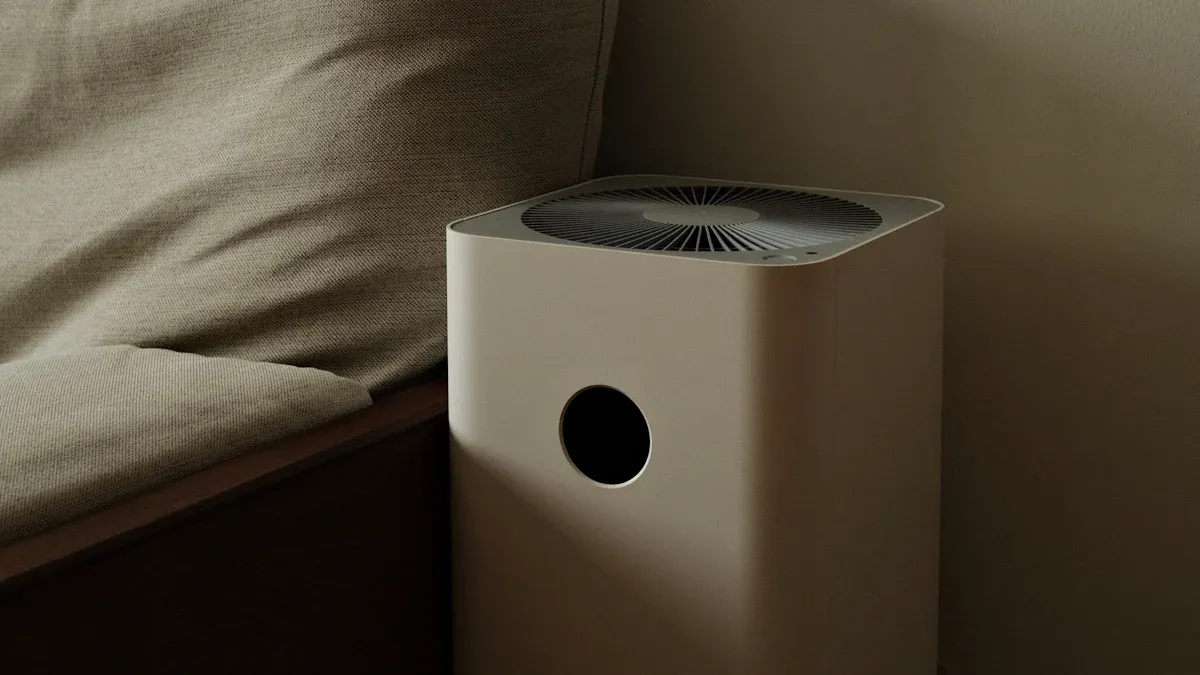
Your home’s air filters play a vital role in removing airborne particles. You must regularly replace your furnace and air filters. This is a key part of maintaining good indoor air quality. Most HVAC systems use air filters. You should replace these filters every 6-12 months. This ensures your system runs efficiently and captures pollutants effectively.
The Minimum Efficiency Reporting Value (MERV) rates how effectively an air filter captures particles. A higher MERV rating indicates finer filtration.
MERV Rating | Best For | Captures | Targets |
|---|---|---|---|
MERV 8 | Standard residential and commercial use | 90% of airborne particles (3.0–10.0 microns) | Dust, lint, debris, mold, pollen, pet dander, and dust mites |
MERV 11 | Homes with pets or mild allergy concerns | 95% of airborne particles (1.0–10.0 microns) | Everything MERV 8 targets, plus finer particles like smoke and smog |
MERV 13 | Homes with asthma, severe allergies, or immune-sensitive individuals | 98% of airborne particles (0.3–10.0 microns) | Fine allergens, bacteria, and even some viruses |
MERV 1-4 filters offer basic protection. They primarily protect HVAC equipment. MERV 5-8 filters provide moderate protection. They capture mold spores and pet dander. MERV 9-12 filters offer enhanced protection. They capture smaller particles like lead dust. MERV 13-16 filters provide high-efficiency filtration. They capture bacteria and tobacco smoke. However, higher MERV ratings can increase resistance to airflow. This might impact your HVAC system’s performance.
You can also use an air purifier to further clean your air. A HEPA air purifier is highly effective. HEPA filters capture 99.97% of particles 0.3 microns or larger. This includes dust, pollen, mold spores, and pet dander. HEPA filters reduce allergy and asthma symptoms. They do not produce ozone. However, HEPA filters do not kill microorganisms. Trapped bacteria and viruses can multiply. You must replace HEPA filters regularly.
Activated carbon filters are another type of air purifier. They are highly effective at removing odors. This includes cooking, smoking, and pet odors. They also adsorb VOCs and other harmful chemicals. Activated carbon filters complement HEPA filters for comprehensive purification. They are not designed for particulate removal. Their effectiveness decreases over time, requiring regular replacement.
UV light filtration systems are also available. They are highly effective at eliminating bacteria, viruses, and mold spores. They are chemical-free and low maintenance. However, UV light systems are not effective at removing particulate matter. Direct exposure to UV-C light can be harmful to humans and pets. Ensure proper enclosure if you use these systems. Some air purifiers, especially ionizing ones, can produce ozone. Ozone can irritate your lungs. Always opt for ozone-free models. When outdoor air quality is unhealthy, adjust your AC or heating system to recirculate air. This prevents outdoor pollutants from entering your home.
Maintaining a Clean Home to Reduce Indoor Air Pollution
You can significantly improve your home’s air by keeping it clean. Consistent maintenance helps you reduce indoor air pollution. A clean house directly contributes to better indoor air quality.
Regular Cleaning Practices
Regular cleaning removes dust and indoor allergens. You should vacuum rugs and carpets often. Vacuum once a week for general cleanliness. If you have pets or allergies, vacuum two to three times weekly. Use a vacuum with a HEPA filter. This traps fine particles like dust mites, mold spores, and pet dander. Focus on high-traffic areas. These spots collect more dust. Vacuum furniture and drapes monthly with an attachment. Dust settles on these surfaces too.
Dust with microfiber or damp cloths. This captures dust instead of spreading it. Mop hard floors regularly. Damp wipe walls, ceilings, and fan blades. For ceiling fan blades, slip a pillowcase over each blade. This contains the dust. For deep cleaning, wipe away loose dust first. Then use a household cleaner on a damp sponge. Wipe the blades dry. You can use an extendable duster for in-between cleanings. Thoroughly clean your home at least once a week. This helps you reduce indoor air pollution.
Managing Humidity Levels
Controlling moisture prevents mold and dust mites. Keep indoor humidity between 30% and 50%. High humidity, above 60%, creates a breeding ground for mold. Humidity between 70% and 80% helps dust mites grow. Fix leaks and seepage promptly. Use exhaust fans in bathrooms and kitchens. These vent moisture outside. Utilize dehumidifiers and air conditioners in humid climates. Increase the temperature of cold surfaces with insulation. Improve air circulation with fans.
Pet Care for Better Air
Pets contribute to indoor allergens, especially pet dander. You can reduce pet dander with consistent grooming. Brush long-haired pets daily. Brush short-haired pets three to four times weekly. Brush them outdoors when possible. Consider professional grooming every 4-6 weeks. This is especially helpful for cats. If you have allergies, wear a mask and gloves when grooming. Wash pet bedding weekly in hot water. Use hypoallergenic pet bedding materials. These resist allergen accumulation. Tightly woven cotton or microfiber fabrics create a barrier against dust mites and other particles. Establish pet-free zones in your home, especially bedrooms.
Improving your home’s air brings many benefits. You will experience better health, increased comfort, and overall well-being. You can reduce risks of headaches and serious respiratory problems.
Even small changes make a big difference in creating a healthier home.
Start taking proactive steps today. View this as an ongoing process for a better quality of life. Your efforts will lead to a healthier living space.