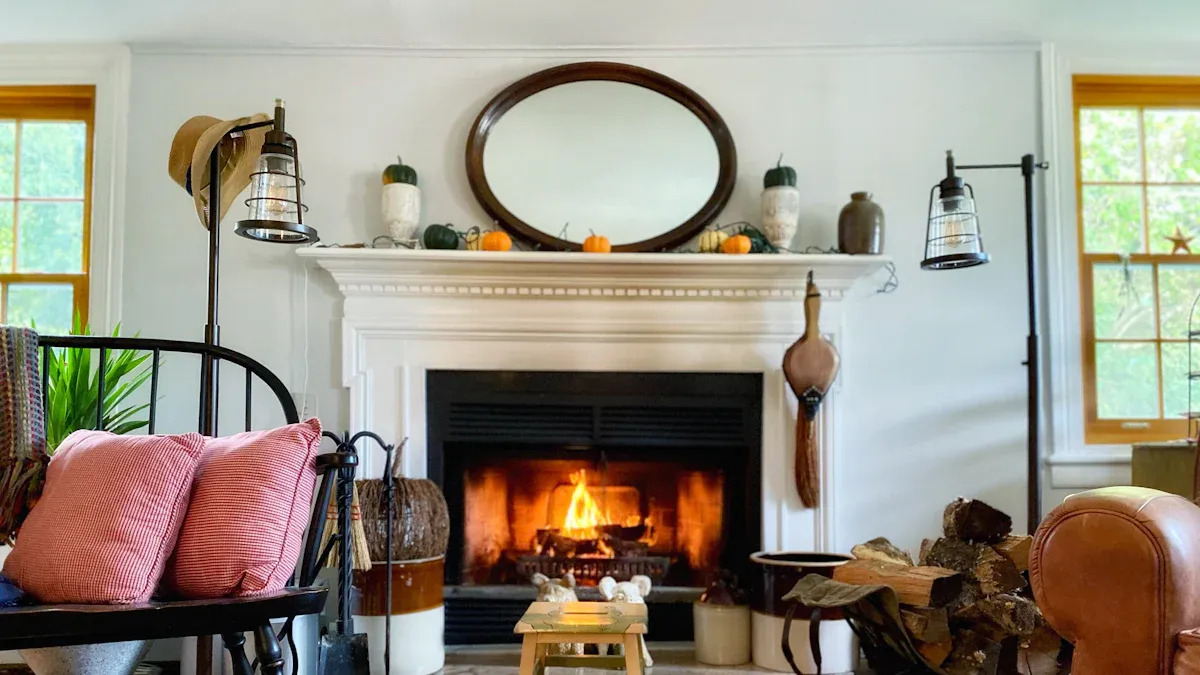
Your dated brick fireplace might feel like an eyesore. Many homeowners want to update this central feature. Whitewashing is a simple, budget-friendly DIY project that offers a dramatic transformation. This guide will show you how to whitewash a brick fireplace, turning it into a modern rustic focal point. You will brighten your space and increase its home appeal.
Your refreshed fireplace is sure to become one of your favorite design elements. These updated features add both value and style to your home.
This straightforward project will give your brick fireplace a fresh look. You will love your newly transformed fireplace.
Why Whitewash Your Fireplace
Brighten Your Space
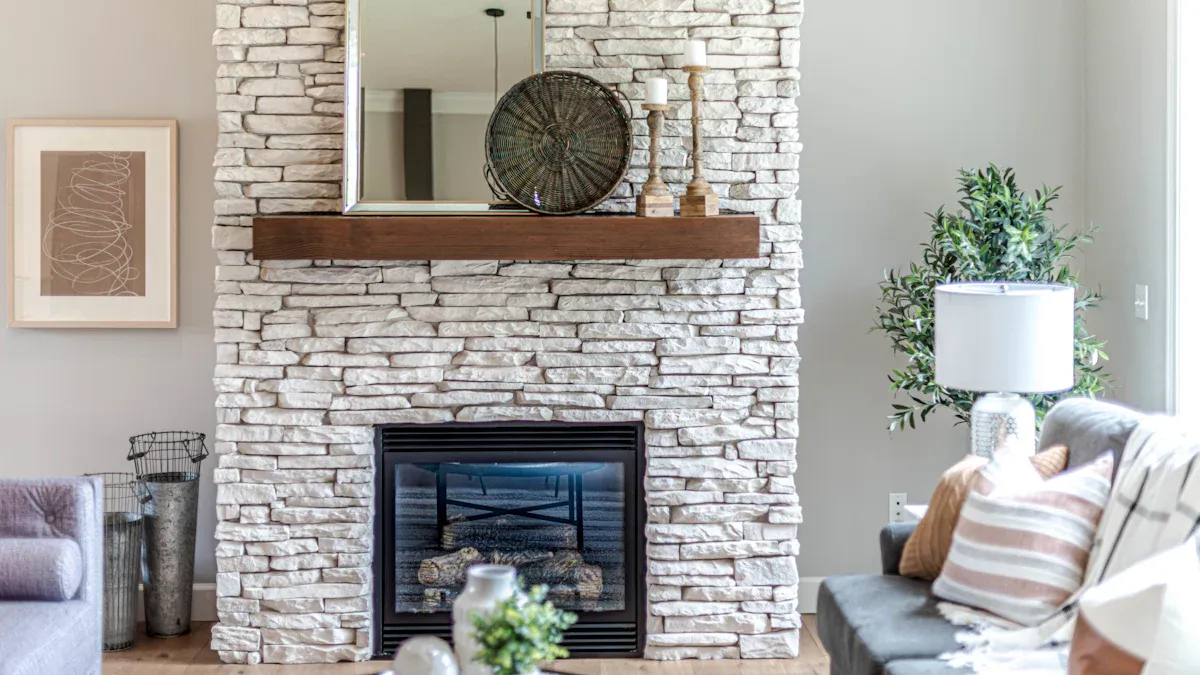
Whitewashing your fireplace instantly brightens a room. It makes the space feel more open and inviting. A brighter living area offers many benefits. Exposure to more light can increase your serotonin levels. This helps improve your mood and can even reduce feelings of fatigue. Dark, poorly lit spaces can make you feel tired or down. Whitewashing transforms a heavy, dark brick fireplace into a fresh, light focal point. You will notice a significant change in the room’s overall atmosphere.
Enhance Brick Texture
Whitewashing allows you to highlight the architectural texture of your brick. It does this without the heavy, dark feel of natural brick. The thin coat of paint lets the unique character of each brick show through. You get the charm of exposed brick but with a softer, more refined appearance. This technique emphasizes the natural variations and imperfections of the brick, adding depth and interest to your fireplace.
Achieve Modern Rustic Style
This technique helps you achieve a popular modern rustic aesthetic. Modern rustic style blends old charm with new style. It combines natural materials like wood and stone with a neutral color palette. You often see elements like reclaimed wood, natural fiber rugs, and handcrafted decor. Whitewashing your brick fireplace fits perfectly into this design. It offers a clean, fresh backdrop that complements other rustic accents. You can achieve a whitewashed look that feels both timeless and modern. This creates a cozy yet sophisticated atmosphere in your home.
Gather Whitewashing Essentials
Before you begin your whitewash project, you must gather all necessary supplies. Having everything ready makes the process smooth and efficient. This careful preparation ensures a successful transformation for your fireplace.
Cleaning Supplies
You will need several items to properly clean your brick fireplace. Get a stiff brush, a bucket, and some rags. For effective cleaning, you can use a mild detergent. A baking soda paste (baking soda mixed with water) works well for tough spots. White vinegar mixed with water is another good option, especially for soot stains. Painter’s tape and drop cloths are also essential. They protect surrounding areas from paint. This thorough cleaning is a crucial step in your brick fireplace preparation.
Paint and Mix Components
You will need white latex paint for your whitewash solution. For brick surfaces, ‘4476 White Fast Dry Latex’ is a suitable option. This paint is 100% acrylic and dries fast. You will also need water to dilute the paint. A mixing stick or a drill attachment helps you combine the paint and water evenly. As a professional alternative, consider limewash. Products like Romabio’s Classico Limewash offer a unique finish. Limewash is highly breathable and has low VOCs. It also protects your brick from mold and insects. This type of paint ages beautifully and is very durable.
Application Tools
For applying the whitewash, you will need a large paintbrush. This brush helps you cover the brick surface effectively. A spray bottle is optional, but it can help wet the brick before paint application. You will also need rags or a sponge for wiping away excess paint. These tools help you achieve the desired look for your fireplace.
Safety Gear
Your safety is important during this project. Wear gloves to protect your hands from paint and cleaning chemicals. Eye protection shields your eyes from splashes. A mask helps prevent you from inhaling paint fumes. When you handle paint and cleaning chemicals, always ensure good ventilation. Open windows and doors. Never mix cleaning products, especially those containing bleach and ammonia. Always read warning labels on your paint and cleaning supplies. This careful approach ensures a safe application.
Step-by-Step Whitewashing Guide
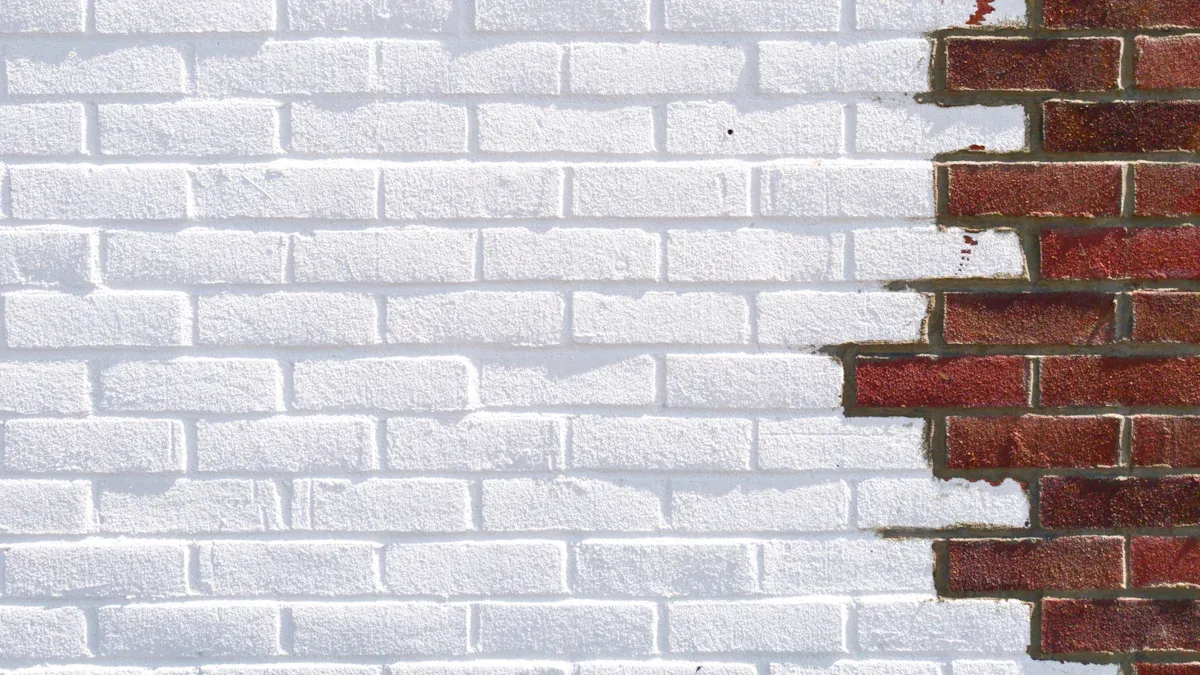
Transforming your fireplace with whitewash involves several clear steps. Following these steps ensures a beautiful and lasting finish. This guide will walk you through each part of the process. Proper preparation is key to a successful project.
Prepare Your Fireplace
Thorough preparation is the first crucial step. You must clean your brick before you apply any paint. This ensures the whitewash adheres properly. Start by scrubbing the brick surface with a stiff brush and a mild detergent solution. Remove all dirt, dust, and soot. Rinse the brick well with clean water. Let the brick dry completely. Next, use painter’s tape to protect any areas you do not want to paint. This includes the mantel, hearth, and surrounding walls. Lay down drop cloths to catch any drips. This careful preparation makes the painting process much cleaner.
Mix Your Whitewash Solution
Now, you will create your whitewash mixture. The most common ratio is equal parts white latex paint and water. This means a 1:1 ratio. For example, mix one cup of paint with one cup of water. This ratio offers good coverage while still letting the brick texture show. Some people prefer a thinner whitewash. You can use a ratio of four parts water to one part latex paint for a very sheer look. This works well over any existing paint color. Another option is a 2:1 mix, using two parts water to one part paint. More water in your mixture means more of the brick grain will show through. Less water means more opaque paint. Stir the paint and water together thoroughly with a mixing stick. You want a smooth, consistent liquid.
Test Your Whitewash Application
Before you apply the whitewash to your entire fireplace, test it. Find an inconspicuous area on your brick. This could be a hidden spot or a single brick. Apply a small amount of your whitewash mixture to this area. Let it dry completely. This test helps you see how the paint looks on your brick. You can decide if you like the opacity. If it is too opaque, add more water to your whitewash mixture. If it is too sheer, add a little more paint. This testing step ensures you achieve your desired look.
Apply the First Coat
You are ready to begin mastering the application process. Start by lightly misting a small section of the brick with water from a spray bottle. This helps the paint absorb better. Dip your large paintbrush into the whitewash mixture. Do not overload the brush. Apply a thin, even coat to the brick. Work in small sections. Brush the paint onto the brick, making sure to get into the mortar lines. You want the brick texture to show through. Do not try to achieve full coverage with this first coat. You are aiming for a translucent wash. Use a rag or sponge to gently wipe away any excess paint if you want more brick to show.
Apply the Second Coat
Let the first coat dry completely. This usually takes a few hours. Check the manufacturer’s instructions for your specific paint. Once dry, assess the look. If you want more opacity, you can apply a second coat. Follow the same application technique as the first coat. Apply another thin, even layer of paint. You can choose to apply it more heavily in some areas for a varied look. Remember, you can always add more paint, but it is harder to remove it.
Dry and Cure Time
After you apply the final coat, let your whitewashed fireplace dry. The paint will feel dry to the touch within a few hours. However, paint needs time to cure. Curing means the paint hardens completely. This process can take several days or even weeks. Avoid heavy use or cleaning of your fireplace during the curing period. This protects your new finish. Your patience will ensure a durable and beautiful result for your newly transformed fireplace.
Tips for a Modern Rustic Finish
You can achieve a beautiful modern rustic look for your fireplace. These tips help you customize the finish and decorate your space.
Control Opacity
You control how much of the original brick shows through. This lets you achieve your desired level of transparency. The porosity of your brick affects how much whitewash it absorbs.
Brick Type | Whitewash Absorption | Finish Longevity | Uniformity of Look |
|---|---|---|---|
Porous | More effective | Longer-lasting | Easier to achieve |
Non-porous | Resists | Shorter-lasting | Harder to achieve |
For a very sheer look, add more water to your paint mixture. For more coverage, use less water. You can also apply multiple thin layers. This builds opacity gradually.
Create a Distressed Look
A distressed finish adds character. It enhances the rustic charm of your fireplace. You can achieve this look in several ways:
Wipe back: After applying the whitewash, gently rub back certain areas with a wet cloth. Do this while the paint is still wet. This reveals more of the original brick underneath.
Layering: Apply limewash in layers. Then, gently rub back certain areas with a wet cloth for a worn look.
Sponge technique: Mix one part paint and one part water. Use a lightly damp sponge to work in the paint. Pat the sponge to add texture.
Decorate Around Your Fireplace
Your newly whitewashed fireplace becomes a focal point. Decorate around it to complete your modern rustic style.
Anchor piece: Start with a large item. A bold painting, a vintage mirror, or a television works well.
Layer objects: Use items of varying heights. Vases, books, and candlesticks add visual interest.
Natural elements: Add greenery or flowers. This softens the design.
Mix materials: Combine glass, metal, and wood. Keep a consistent color palette.
Minimalist approach: Focus on one large piece. Use a simple color palette like white, beige, or charcoal. Add one or two small accents.
Avoid Common Mistakes
You can ensure a successful project by avoiding common pitfalls.
Improper cleaning: Do not skip cleaning the brick. Dirt prevents the paint from sticking well. This leads to an uneven finish.
Too much paint: Do not apply too much paint at once. This creates a thick, opaque finish. It hides the desired translucent look.
Rushing the process: Take your time. Apply thin coats. Allow each layer to dry completely. This ensures a smooth, professional result.
Maintain Your Whitewashed Fireplace
Your beautifully transformed fireplace needs some care. Regular maintenance keeps it looking fresh. You will enjoy its modern rustic charm for years.
Clean Regularly
You should clean your whitewashed brick fireplace often. Dust and cobwebs can accumulate on the brick surface. Use a soft brush or a vacuum cleaner with a brush attachment. This removes loose debris. For tougher spots, mix a small amount of mild soap with water. Dampen a soft cloth with this solution. Gently wipe the affected areas. Avoid harsh chemicals. They can damage the whitewash finish. Always test any cleaning solution on an inconspicuous spot first. This ensures it does not alter the color or texture.
Touch-Up Your Whitewash
Over time, your whitewash might show signs of wear. This is especially true in high-traffic areas. You can easily touch up these spots. Keep a small amount of your original whitewash mixture. When you notice a scuff or a faded area, clean it first. Then, apply a thin layer of the mixture with a small paintbrush. Blend it carefully with the surrounding area. This simple step keeps your fireplace looking pristine.
Protect Against Soot
Soot can stain your beautiful brick fireplace. You can take steps to prevent this. Ensure your chimney is clean and well-maintained. A clean chimney helps proper ventilation. This reduces soot buildup. Consider using a fireplace screen. A screen catches sparks and prevents soot from escaping. If soot does appear, clean it quickly. Use a dry brush first. Then, gently wipe with a damp cloth. This proactive approach protects your fireplace.
You now see the significant impact of whitewashing a brick fireplace. This simple DIY project transforms your home’s aesthetic. You can confidently undertake this rewarding project. Whitewash a brick fireplace for a fresh, bright, and modern look. This affordable update gives your old brick a new life. Enjoy your beautifully transformed fireplace as a new focal point.
FAQ
Can I whitewash a previously painted fireplace?
You can whitewash a previously painted fireplace. First, clean the surface well. Then, apply a primer if the existing paint is glossy. This ensures the new whitewash adheres properly. Test a small area first.
What kind of paint works best for whitewashing?
Use white latex paint for whitewashing. It mixes well with water. This creates the translucent effect you want. You can also use limewash for a more traditional, breathable finish.
How long does a whitewashed fireplace last?
A properly applied whitewashed fireplace can last many years. Its durability depends on cleaning and maintenance. Regular cleaning and touch-ups extend its life. Protect it from heavy wear and soot.
What if I want to change the look of my whitewashed fireplace later?
You can paint over your whitewashed fireplace. Clean the surface thoroughly. Apply a good quality primer. Then, you can paint it any color you choose. This gives your fireplace a fresh new style.