


Have you ever wondered about the stories hidden within your walls? Researching your home’s history can be a thrilling adventure. You might discover tales of past residents, architectural changes, or even local events that shaped your neighborhood. Many homeowners dive into this journey for various reasons, such as rehabilitation, historic designation, or simply out of curiosity. Understanding your home’s past can deepen your personal connection to it and even save you money in the long run. So, why not start your exploration today?
Key Takeaways
Researching your home’s history can reveal fascinating stories and enhance your connection to your property.
Understanding your home’s past can help you assess its value and make informed renovation decisions.
Engaging with local history fosters a sense of community and encourages civic participation.
Utilize online databases and historical websites to gather valuable information about your home.
Organize your findings with a research log to keep track of your discoveries and avoid redundant searches.
Why Research Home History
Understanding the history of your home can significantly impact how you view it and its value. When you research your home’s history, you uncover stories that add character and depth. Here are a few reasons why this knowledge matters:
Understanding Value
Knowing your home’s past can help you gauge its value. Older homes often carry a charm that attracts buyers. They may have unique architectural features that newer homes lack. However, it’s essential to consider both sides. Here are some points to keep in mind:
Older homes can be perceived as having character and historical significance, enhancing their appeal and value.
On the flip side, potential buyers might worry about repair costs and outdated designs, which can affect their interest.
Newer homes often seem more convenient and ready for immediate occupancy, leading to a higher perceived value.
When you research the property history, you might find that the location and history of your area significantly drive up demand and pricing for older homes. For instance, in cities like Boston, the unique features of older homes attract buyers seeking historical significance. However, remember that older homes may require significant repairs or updates to systems like plumbing and electrical. This can deter some buyers, as they often consider the cost of necessary repairs when evaluating the price of older properties.
Local Connections
Connecting your home to local history can deepen your sense of community. When you learn about the events that shaped your neighborhood, you become part of a larger narrative. Here’s why this connection matters:
There’s a correlation between historical interest and civic engagement. When you understand your home’s role in local events, you may feel more inclined to participate in community activities.
Individuals who lack interest in history often tend to be less civically active. By engaging with your home’s past, you might find yourself more connected to your neighbors and local initiatives.
Researching your home’s history not only enriches your understanding but also fosters a sense of belonging. You become part of the story that defines your community.
By diving into the history of your home, you can appreciate its value and the connections it has to the world around you. So, grab your research tools and start uncovering the fascinating tales that lie within your walls!
Online Methods to Research Your Home’s History

When you decide to research your home’s history, online resources can be incredibly helpful. They offer a wealth of information at your fingertips. Here are some effective online methods to get you started.
Online Databases
Online databases are a fantastic way to gather information about your property. They provide access to various records, including ownership history, tax assessments, and more. Here’s a list of some of the most widely used online databases for researching residential property history in the United States:
Database Name | Description |
|---|---|
NETR Online | Provides tools for researching property data, environmental concerns, and aerial photographs. |
National Archives | Preserves historical records related to land acquisition and American history. |
DataTree by First American | Offers advanced search fields for property research, including sale history and market value. |
To use these databases effectively, follow these steps:
Choose a Database: Start with a database that suits your needs. For example, if you want detailed property data, NETR Online is a great choice.
Enter Your Property Information: Input your address or other relevant details into the search fields.
Review the Results: Look through the information provided. You might find past owners, property tax records, and even environmental concerns.
Take Notes: Document any important findings. This will help you keep track of your research as you dig deeper into the history of your home.
While online databases are convenient, they do have some limitations. For instance, the accuracy of the data can vary. Some records may be outdated or incomplete. It’s essential to cross-reference information with other sources to ensure you have a complete picture.
Historical Websites
In addition to databases, various historical websites can enrich your research. These sites often provide access to digitized maps, photographs, and documents that can give you insight into the history of your home and neighborhood. Here are some valuable resources to explore:
Maps from the Library of Congress: The largest and most comprehensive cartographic collection in the world.
Old Maps Online: Digital historical maps from library collections globally.
David Rumsey Map Collection: Focuses on rare 18th and 19th-century North and South American maps.
Perry-Castaneda Library Map Collection: Extensive collection of scanned international topographic maps.
Online Archive of California (OAC): Access to primary resource collections from libraries and archives throughout California.
These websites can help you visualize how your property and its surroundings have changed over time. You might discover old photographs or maps that reveal fascinating details about your home’s past.
By utilizing these online methods, you can effectively research your home’s history. Whether you’re looking for property records or historical context, the internet offers a treasure trove of information waiting to be uncovered.
In-Person Research Techniques
When you dive into researching your home’s history, don’t overlook the power of in-person methods. Local libraries and engaging with your neighbors can provide rich insights that online resources might miss. Let’s explore how you can make the most of these techniques.
Local Libraries
Local libraries are treasure troves of historical documents. They often house a variety of records that can help you research the property history. Here’s a list of some valuable resources you might find:
Deeds and related property records
Building permits
Local taxes, such as property tax assessments
Genealogical records, including birth, marriage, or death records
Manuscript or published histories, biographies, or memoirs
Letters or papers of individuals or families
Maps and atlases
Photographs, prints, and illustrations
Architectural drawings
Builders’ or architects’ records
Local or regional newspapers
Town or city directories
Newsletters or directories of local groups and institutions
These documents can provide a detailed picture of your home’s past. When you visit, don’t hesitate to ask library staff for assistance. They can guide you to the right resources and help you navigate the archives. Here’s how they can assist you:
Resource | Description |
|---|---|
Independent Researchers Available for Hire | The National Archives offers a list of independent researchers who can assist with extensive research needs. |
Archives Library Information Center (ALIC) | ALIC provides access to a wide range of information beyond traditional library holdings, aiding researchers in various topics. |
Find it in the Archives | King County Archives offers research guides that recommend archival records and search strategies for specific topics. |
By tapping into these resources, you can uncover fascinating details about the history of your home.
Engaging Neighbors
Your neighbors can be a goldmine of information when it comes to the history of your home. Engaging them can lead to discovering personal anecdotes and stories that enrich your understanding of the neighborhood. Here are some effective strategies to gather oral histories:
Emphasize Personal Connections: Start conversations by sharing your interest in the history of your home. This can create a bond and encourage neighbors to share their stories.
Build Trust: Create a comfortable environment for discussions. Perhaps invite them for coffee or engage in a shared activity. This approach can lead to more natural storytelling.
Record Conversations: With permission, record your conversations. This helps preserve local heritage and allows you to compile these stories into a community archive. Doing so not only documents the neighborhood’s history but also strengthens connections among residents.
By engaging with your neighbors, you can uncover the rich tapestry of stories that define your community. These personal narratives often provide context that you won’t find in written records.
In-person research techniques can yield deeper insights into the history of your home. While online methods offer convenience, nothing beats the personal touch of talking to people and exploring local archives. So, grab your notebook and start connecting with your community!
Look Up the History of Your Home
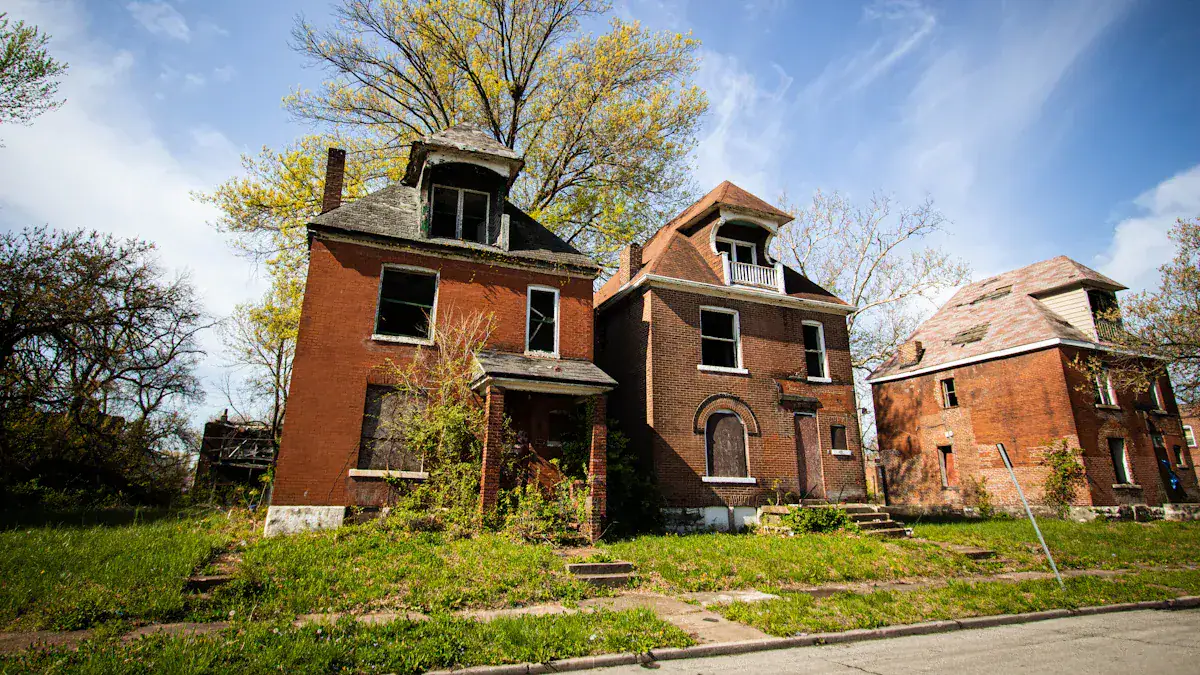
When you want to look up the history of your home, public records are your best friend. These documents can reveal a wealth of information about previous owners, property modifications, and even the land itself. Here’s how you can access these records effectively.
Public Records
Public records include various documents that can help you trace the ownership and modifications of your property. Here’s a handy table summarizing the most useful types of public records:
Type of Record | Description |
|---|---|
Deeds | Legal documents that transfer ownership, detailing the grantor, grantee, property description, and transfer date. |
Liens | Legal claims against a property, which can be voluntary (like mortgages) or involuntary (like tax liens). |
Plat Maps | Official documents showing land subdivisions, boundaries, and features of the property. |
Mortgage Information | Details about the current owner’s mortgage, including lender name, loan type, and property sale price. |
To access these records, follow these steps:
Visit Your Local Government Office: Start by going to your local county clerk or recorder’s office. They usually maintain property records.
Use the Records Index: Look for the Records Index to locate public documents related to your property.
Search by Topic: Use the categorized carousel to find specific records, such as deeds or tax assessments.
View Full Records Index: Check the Full Records Index (often available as a PDF) for comprehensive information.
Access Building Applications: If you need building permits, there’s usually a link provided for that.
Remember, the Board of Equalization (BOE) complies with public access laws. Anyone can file a Public Records Act request if they need specific documents.
City Directories
City directories are another valuable resource for uncovering the history of your home. They can help you track previous residents and changes in property use over time. Here’s why they matter:
City directories are a cost-effective way to identify past occupants of buildings, including those linked to environmental issues.
They allow you to analyze changes in the mix of commercial and residential properties over time.
Unlike census records, which are published every ten years, directories were often published annually. This enables you to track individuals year by year, revealing migration patterns and economic changes.
You can also use city directories to look up ancestral addresses. This can help you find previous and subsequent owners of properties, giving you a clearer picture of your home’s history.
Additionally, insurance maps, like Sanborn maps, provide detailed visual depictions of building locations and modifications over time. They serve as a historical record that can help identify changes in structure and usage, which is essential for various industries, including insurance and historical research.
By utilizing public records and city directories, you can effectively look up the history of your home. These resources will help you uncover fascinating stories about previous owners and the evolution of your property.
Organizing Your Findings
When you dive into researching the history of your home, organizing your findings is crucial. Keeping track of what you discover helps you avoid redundant searches and makes your research journey smoother. Here are some effective methods to help you stay organized.
Research Logs
Creating a research log is one of the best practices for documenting your findings. Here’s how to set one up:
Choose Your Preferred Tool and Template: Pick a format that works for you. Whether it’s a notebook, a spreadsheet, or an app, find something that feels comfortable.
Establish a Workflow: Make it a habit to log your findings at the end of each research session. This routine keeps your information fresh in your mind.
Start Logging: Document your research as you go. Include details like the ancestor’s name, the date of your search, and the specific question you’re investigating.
Keeping a family history research log serves as a record of your journey. It helps you track your thoughts, successful searches, and areas for future exploration.
Here’s a quick checklist of what to include in your research log:
Place of research
Source description with complete citations
Results of your searches, both positive and negative
Documenting Sources
Documenting your sources is just as important as logging your findings. Here’s why:
It provides a comprehensive understanding of the past.
It acknowledges multiple perspectives, which is essential for a balanced historical narrative.
It helps avoid oversimplification and bias in your interpretation.
When referencing historical property records and oral histories, use clear citation formats. For example:
Oral History interview with _______________ (year of the interview), Collection or Project Title (when applicable), pages ________, Oral History Archives at Columbia, Rare Book & Manuscript Library, Columbia University in the City of New York.
Using digital tools can also enhance your organization. Consider these options:
Tool/Template | Purpose |
|---|---|
Research Templates | Provide structured formats for recording and tracking information, preventing duplication. |
Tech Tools | Help catalog family archives and tag digital images for easy retrieval. |
By keeping your findings organized, you’ll make the process of uncovering the history of your home much more enjoyable and efficient.
Researching your home’s history opens up a world of discovery. You can uncover fascinating stories and make informed decisions about renovations. Here are some significant benefits you might experience:
Informed renovation decisions
Eligibility for tax exemptions
Enhanced resale value
By understanding your home’s past, you also contribute to community pride. This effort fosters local identity and encourages preservation.
Aspect | Description |
|---|---|
Community Engagement | Engaging the public in historical preservation fosters a dialogue that educates and inspires action. |
Economic Impact | Historical preservation stimulates economic growth and enhances property values. |
Local Identity | It enhances local identity and fosters a sense of ownership and connection to the past. |
So, take that first step! Dive into the rich history of your home and enjoy the rewards of your journey.
FAQ
What is the first step in researching my home’s history?
Start by gathering basic information about your home, such as the address, year built, and previous owners. This foundation will guide your research and help you locate relevant records.
Where can I find public records for my home?
You can access public records at your local county clerk or recorder’s office. Many records are also available online through government websites or local historical societies.
How can I engage my neighbors in this research?
Talk to your neighbors about your interest in your home’s history. Share stories and ask if they have any memories or documents related to the neighborhood. This can lead to valuable insights.
Are there any costs associated with researching my home’s history?
Most local libraries and public records are free to access. However, some online databases may charge fees for detailed reports. Always check for free resources first!
How do I keep track of my findings?
Create a research log to document your discoveries. Include details like the source, date, and key findings. This will help you stay organized and avoid repeating searches.