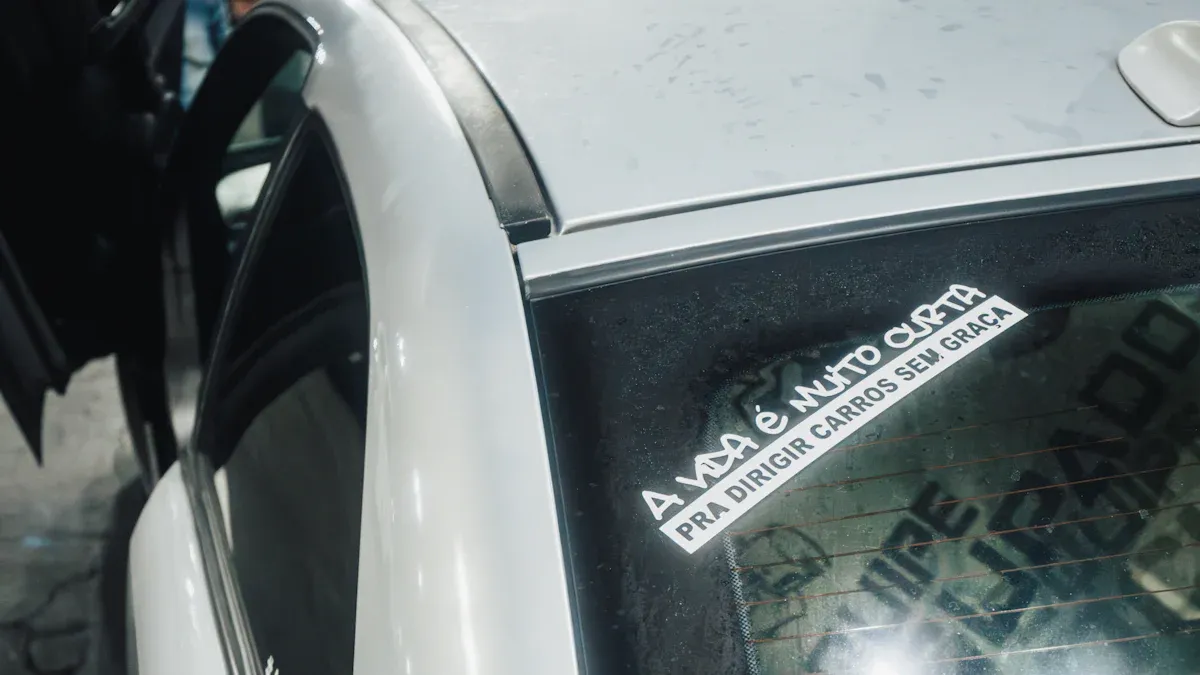
You know the frustration: you peel off a sticker, label, or tape, and a stubborn, sticky mess remains. A survey reveals that 53% of consumers report sticky residue after label removal. This annoyance is widespread; 82% of consumers experience frustration when removing labels. Fortunately, you can often remove sticker residue using common household items. Think rubbing alcohol, white vinegar, or various oils. Proper removal prevents surface damage and restores items. This post will show you simple, step-by-step DIY methods for how to remove stickers effectively. These DIY solutions genuinely work.
Alcohol and Acetone for Sticky Residue
Sometimes, you need a stronger approach to tackle stubborn adhesive. Alcohol and acetone are powerful solvents. They can dissolve many types of sticker adhesives. You just need to know how to use them safely and effectively.
Rubbing Alcohol: Application and Surfaces
Rubbing alcohol, also known as isopropyl alcohol, is a fantastic diy solution for sticky messes. It works by breaking down the glue. When you apply rubbing alcohol, its molecules penetrate the pressure-sensitive adhesive. This action reduces the glue’s strength. Common adhesives are soluble in alcohol. This means the alcohol can completely dissolve the glue when it soaks in. The dissolved glue then becomes easy to wipe away. The alcohol molecules interact with the adhesive. They weaken its sticky forces and the chemical bonds inside it. This weakening makes the glue’s bond to the surface much easier to remove. Rubbing alcohol penetrates and dissolves the adhesive. It releases the glue’s hold. This simplifies removal and helps prevent surface damage.
You can use rubbing alcohol on many surfaces. These include glass, metal, hard plastics, and finished wood. Always test a small, hidden area first. This ensures the alcohol does not damage the finish. For best results, many people find 91% isopropyl alcohol very effective. It is also easy to find. Some experts suggest any isopropyl alcohol concentration above 90% works well. You can use 99% isopropyl alcohol. However, it tends to absorb moisture from the air. This makes it less concentrated over time. So, 91% is often a practical and cost-effective choice for your diy sticker remover kit.
To use it:
Dampen a clean cloth or cotton ball with rubbing alcohol.
Place it over the residue. Let it sit for a few minutes. This allows the alcohol to break down the glue.
Rub the area firmly. The residue should start to lift.
Wipe away any remaining stickiness with a clean part of the cloth.
Acetone Nail Polish Remover: Use with Caution
Acetone is a very strong solvent. It is often found in nail polish remover. Acetone can quickly dissolve many types of adhesives. However, you must use it with extreme caution. Acetone can damage certain surfaces permanently.
Here are surfaces where you should not use acetone:
Lacquer finishes: Acetone easily dissolves or smudges these.
Plastic binding on guitars: It will melt when exposed to acetone.
Most finishes: Acetone will destroy almost any finish it touches, except for cured epoxies. Even a light swipe can fog a finish. Two or three swipes can lift and smudge it.
Specific plastics:
PVDF
Polycarbonate
Polysulfone
Cast Acrylic
PVC
CPVC
Always test acetone in an inconspicuous spot first. If you see any discoloration or damage, do not use it. If safe, apply a small amount to a cotton swab. Gently dab the residue. Wipe it away quickly. Do not let acetone sit on any surface for long.
Vodka as an Alternative Solvent
If you do not have rubbing alcohol, vodka can be a surprising substitute. Vodka contains ethanol, which is also a solvent. It works similarly to rubbing alcohol, though it might be less potent. You can use vodka to remove sticker residue from glass or hard plastic. Apply it with a cloth. Let it sit for a few minutes. Then, scrub the residue away. It is a good option when you need a quick fix and have no other solvents available.
Natural Oils and Vinegar to Remove Sticker Residue
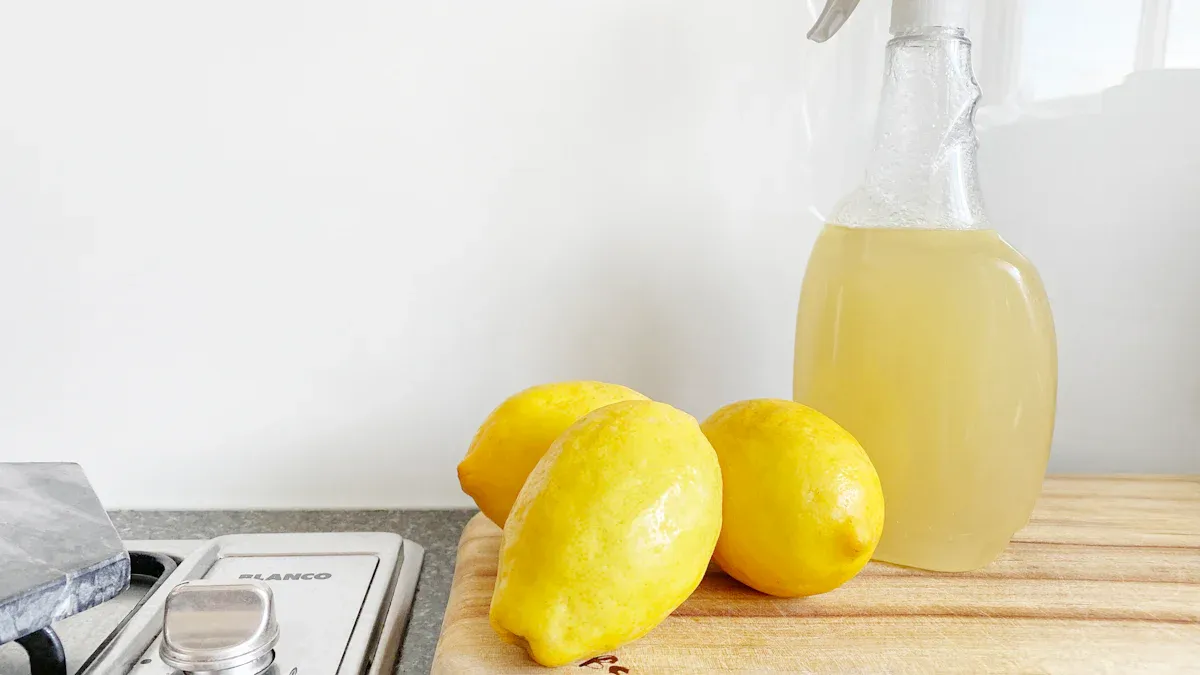
Sometimes, you need a gentler approach to remove sticky messes. Natural oils and vinegar offer effective, non-toxic solutions. They work by breaking down the adhesive without harsh chemicals.
Household Oils: Application and Soaking
Household oils are excellent for tackling sticker residue. They work by penetrating and loosening the adhesive. This makes the sticky substance easier to wipe away. Olive oil is gentle but effective. It breaks down adhesives without harming surfaces. Coconut oil is also a good choice. You can use it to clean sticker residue from items like toys and walls. Other household oils, such as baby oil or vegetable oil, also work well. They penetrate and loosen both the paper and the adhesive of stubborn stickers.
Coconut oil is very effective for removing sticky adhesive. It dissolves the adhesive, allowing the label to come off in one piece. Olive oil also works, but you might need to do more scraping to remove the adhesive completely.
To use household oils as a diy solution:
Pour a generous amount of oil directly onto the sticky area.
Let the oil sit. This allows it to penetrate and loosen the adhesive.
For light residue, a few minutes might be enough.
For tougher residue, you might need to wait longer. One client successfully removed mason jar labels for a wedding craft project by applying vegetable oil and letting it sit for 15 minutes. The jars were clean and looked new afterward.
While the oil soaks, you can do other tasks, like making coffee or folding laundry.
Return to the item and rub the area with a soft cloth. The residue should come off easily.
After removing the residue, wash the area with dish soap. This removes any oily residue left behind.
White Vinegar: Acidic Action on Residue
White vinegar is another common household item that helps remove sticker residue. Its acidity helps break down the adhesive. This allows you to wipe it away easily. White vinegar is especially effective on glass and metal surfaces. While both vinegar and rubbing alcohol are good, vinegar’s acidic properties make it strong for these specific materials. Rubbing alcohol is better for quick cleanups on smooth surfaces in general. For very stubborn residue, you might need commercial removers.
To use white vinegar:
Soak a cloth or paper towel in white vinegar.
Place the soaked cloth over the sticker residue.
Let it sit for several minutes. This gives the vinegar time to work on the adhesive.
Scrub the area with the cloth. The residue should start to loosen.
Wipe the surface clean. Rinse with water if needed.
Scraping Residue with a Credit Card
After applying an oil or vinegar, you might find some stubborn bits of residue remain. A credit card can be a great diy sticker remover tool for this. It provides a firm edge without being too sharp. This helps you to remove sticky residue without scratching the surface.
To use a credit card:
Hold the credit card at a shallow angle to the surface.
Gently scrape the remaining residue. Use short, firm strokes.
Be careful not to press too hard. This prevents damage to the item.
Wipe away the loosened residue with a clean cloth.
Heat, Soaking, and Other Clever Tricks
You can use heat, soaking, and other smart techniques to remove sticky residue. These methods are often effective for stubborn adhesives. They offer gentle yet powerful solutions.
Heat Application with a Hairdryer
Heat can be a powerful ally against sticky residue. It softens the adhesive. This makes it easier to peel or scrape away. A hairdryer is a perfect tool for this diy method.
To use heat:
Hold a hairdryer a few inches from the sticker residue.
Apply medium heat for 30 seconds to one minute. You will see the adhesive soften.
Carefully peel off the sticker or gently scrape the residue. Use a plastic scraper or an old credit card.
Wipe away any remaining stickiness with a cloth.
Soaking Methods for Glass and Plastic
Soaking is an excellent strategy for items you can submerge. This method works well for glass jars, plastic containers, or other non-porous objects. Many contact adhesives dissolve effectively in oil. This includes vegetable and mineral oils. Petroleum-based products are also great for removing glue. They dissolve the bonds within the adhesive. Lamp oil or odorless lamp oil is highly effective. Brushing it onto the sticker and allowing it to soak can help remove most of the sticker in one piece. You will have minimal residue.
For glass items, try this:
Fill a tub or sink with hot water.
Add a splash of dish soap or laundry detergent. This gives extra cleaning power.
Submerge your containers. Let them soak for at least an hour. For tough labels, soak them overnight.
Once softened, peel off the label. Scrub away any adhesive residue with a sponge. This helps to remove sticky tape residue.
Erasers and Tape for Light Residue
Sometimes, you only have a small amount of residue. An eraser can be your best friend. A standard rubber eraser can rub away light sticky marks. Simply rub the eraser over the residue. The friction will ball up the adhesive. Then, you can brush it away.
Fresh tape also works as a clever diy sticker remover. Press a piece of strong tape (like duct tape or packing tape) onto the residue. Rub it firmly. Then, quickly pull the tape off. The fresh tape will lift the old tape residue. Repeat this process until the surface is clean. These are simple sticker removal methods for minor issues.
Washing Soda for Tougher Adhesives
Washing soda, or sodium carbonate, is a stronger cleaner than baking soda. It can tackle very tough adhesives. You can create a paste with washing soda and water. Apply it to the residue. Let it sit for a while. Then, scrub and rinse. This method is particularly useful for very stubborn, dried-on glue.
Specialized Solutions and Cautionary Advice
Sometimes, you face a truly stubborn mess. You might need stronger solutions. Always use these with care.
WD-40 for Stubborn Adhesives
WD-40 can be a powerful ally for tough adhesives. It helps you to remove sticker residue effectively. However, you must use it with caution. WD-40 might be fine for newer car paints, like two-stage paints. But its safety on older paints, such as acrylic or lacquer, is less certain. One user reported using WD-40 on car paint for over five years without problems. They found it great for tar and bug removal.
Be very careful with plastics. WD-40 can soften certain plastics. This makes them brittle. An expert warns against using it on plastic parts under stress, like window tracks. He has seen cabinet hinges degrade after WD-40 treatment. It is also highly damaging to wood finishes. This includes both stains and paints. Using WD-40 on wood will likely cause permanent visual damage.
Baking Soda Paste for Gentle Scrubbing
Baking soda paste offers a gentler scrubbing option. You can make a paste with baking soda and a little water. Apply it to the sticky adhesive label residue. Let it sit for a few minutes. Then, gently scrub with a soft cloth or sponge. This paste works well on many surfaces. You can use it on kitchen counters, sinks, bathtubs, and the inside of ovens or microwaves. It is also safe for tiles. This method is a great diy solution for sticky spots.
When to Avoid Harsh Abrasives
Harsh abrasives can damage surfaces. You should avoid them. For example, abrasive cleaners like The Pink Stuff can scratch shiny or delicate surfaces. This includes stainless steel, enamel, and plated metal. Never use acetone on plastic. It can cause damage. Avoid steel wool or other scratchy materials on furniture. Harsh chemicals, like acetone or nail polish remover, can harm a laptop’s finish. Using these can lead to different types of wear. You might see erosive wear, where material slowly disappears. Impact wear can cause deformation. Sliding wear leaves marks from particles moving across the surface. Corrosive wear involves chemical reactions that degrade surfaces. Fatigue wear causes tiny cracks from repeated stress.
Testing Methods on Inconspicuous Areas
Always test any diy sticker remover method first.
When testing a sticker residue removal method, always test an inconspicuous area first, such as an inside surface. This is crucial because some highly concentrated citrus oils, like D-limonene, can damage or melt certain plastics. Similarly, when using label-off sprays on plastics, always test the product on a small corner or an inconspicuous spot beforehand. These sprays can damage various materials, especially clear plastics used for protective screens.
Look for signs of damage during your test. You might see the paper surface get rougher. The surface gloss might dull. Dirt could smudge on hard surfaces. Check how well eraser particles are removed. Soft papers might trap dirt and eraser bits.
Sticker residue is a common problem. You can easily tackle it with the right DIY approach. Your home holds the best diy sticker remover solutions. You learned about rubbing alcohol, white vinegar, various oils, and heat. These are effective and versatile methods. Choose the best method for your specific surface and residue type. To prevent future issues, always remove stickers slowly and carefully. You can also use easily removable labels. Achieve a perfectly residue free surface. You can keep your items clean and looking new.
FAQ
🤔 What is the best method for delicate surfaces?
For delicate surfaces, you should use household oils like olive oil or baby oil. They are gentle. Apply the oil. Let it soak. Then, gently wipe the residue away. Always test a small, hidden area first.
💧 Can I use water to remove sticker residue?
Yes, you can use water for some residues. Soaking items in hot, soapy water works well for glass and hard plastics. This softens the adhesive. Then, you can easily scrub it off.
⚠️ What should I avoid when removing sticker residue?
You should avoid harsh abrasives like steel wool. Do not use acetone on plastics or lacquered surfaces. Always test any method on an inconspicuous spot first. This prevents damage.
🌿 Is there a completely natural way to remove sticker residue?
Yes, natural oils and white vinegar are completely natural options. Oils dissolve the adhesive. Vinegar’s acidity breaks it down. Both are effective and safe for many surfaces.
⏳ How long should I let a solution sit on the residue?
The soaking time depends on the residue’s stubbornness. For light residue, a few minutes is enough. For tougher, dried-on glue, you might need to let it sit for 15 minutes or even overnight.