Finding unwanted spray paint on your glass surfaces can be frustrating. You can effectively remove spray paint and restore clarity. This guide shows you simple, effective, and safe methods to remove paint from glass using common household items or specialized products.
Successfully removing paint on glass depends on choosing the right approach for the paint type and age. Prioritize safety with every step as you learn how to remove paint.
Preparation: Safety & Assessment
Before you begin removing spray paint, proper preparation is essential. This step ensures your safety and helps you choose the most effective method. Taking time now prevents potential damage to your glass or harm to yourself.
Gathering Supplies
You will need a few basic items before starting. Gather clean rags or microfiber cloths. Have a bucket of warm water ready. You might also need a spray bottle for applying solutions. Keep a soft sponge or non-abrasive scrubbing pad nearby. These supplies will help you with application and cleanup.
Personal Protection & Ventilation
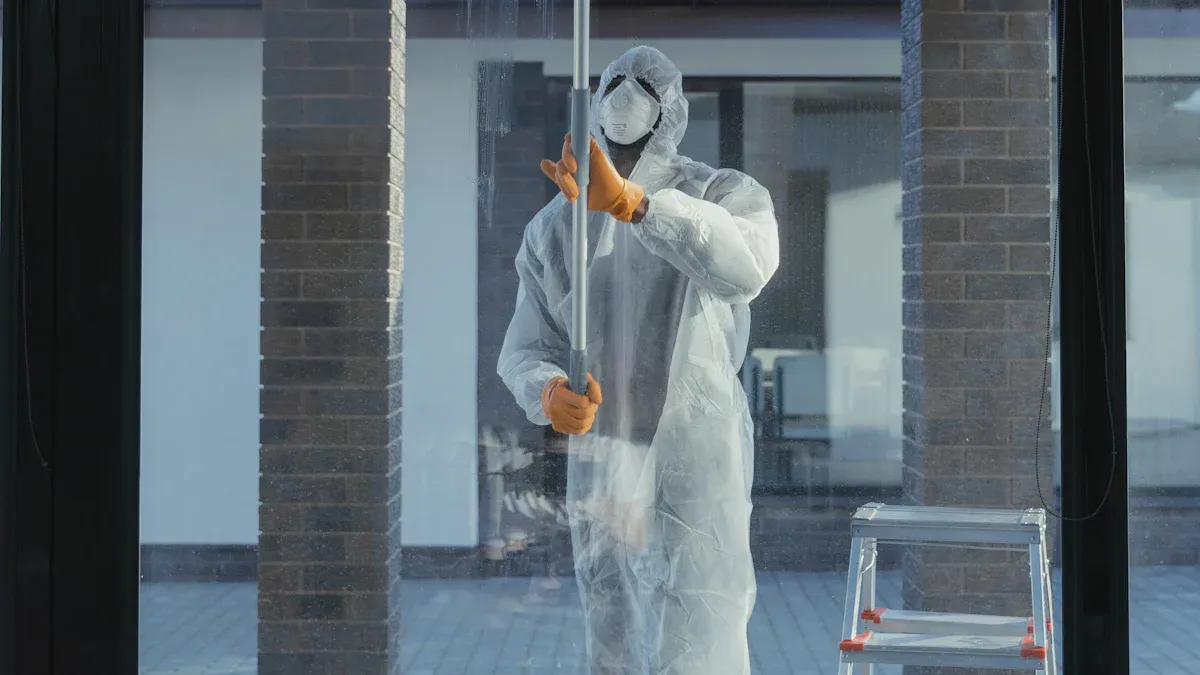
Your safety is a top priority. Always wear personal protective equipment (PPE) when working with paint removers or chemicals. This protects you from fumes and direct contact.
Gloves
Masks
Goggles
Coveralls
Wear gloves to protect your hands. Goggles shield your eyes from splashes. A mask helps you avoid inhaling fumes. Ensure you have adequate ventilation, especially when working indoors. Open windows and doors to create airflow. Use fans to direct fresh air into the area. Good ventilation disperses chemical fumes, making the process safer for you.
Assess Paint & Glass Condition
Examine the paint and the glass surface carefully. Determine how old the paint is. Fresh paint often comes off more easily than old, dried paint. Identify the type of paint if possible. This helps you select the best removal method. Also, check the condition of the glass. Look for any existing scratches or damage. This assessment guides your choice of tools and solutions. You want to remove paint from glass without causing further damage.
Method 1: Mechanical Removal to Remove Spray Paint
This method is very effective for removing spray paint. You use tools to scrape the paint off the glass.
When to Use: Dried Paint
You should use mechanical removal when you have dried paint on your glass. This method works best for thicker layers of paint that have fully hardened. If the paint is old and stubborn, scraping can be the most direct way to get it off. It is a good choice when other, gentler methods might not work as well.
Tools: Blades & Scrapers
You will need specific tools for this job. A razor blade scraper is a common tool. You can also use a utility knife with a fresh blade. For common glass surfaces, a thin 0.15mm stainless steel blade is often a good choice. Its slight flexibility helps reduce the chance of gouging the glass. However, you must be careful. Softer or lower-quality glass types scratch more easily. Tempered glass is more resistant.
If you are working on painted or coated glass, use extreme caution. A plastic blade is a safer choice for these delicate surfaces. Even flexible stainless blades can be too aggressive on decorative finishes or tinted glass. Always use a fresh, sharp blade. Dull blades are more likely to scratch the glass. Also, make sure the glass surface is clean of debris or dust. These small particles can cause scratches when you drag the blade across the glass.
Scraping Technique & Cleaning
Using the correct technique is vital to avoid scratching your glass. Hold the scraper at a 30–45° angle to the glass. This angle allows the blade to lift off the paint safely. It prevents the blade from digging into the surface. Maintaining this angle ensures the blade removes contaminants instead of scratching the glass. A shallow angle is less effective. A steep angle increases the risk of scratches.
Apply light, even pressure. Work in one direction, pushing the paint away from you. Do not press too hard. Excessive pressure can cause the blade to dig into the glass. After you scrape off the dried paint, wipe the area with a clean, damp cloth. This helps to remove paint from glass residue. You are now one step closer to successfully removing paint on glass. This method helps you learn how to remove paint effectively.
Method 2: Chemical Solvents for Paint Removal
This method works well for paint that is still fresh or thin. Chemical solvents dissolve the paint, making it easier to wipe away.
When to Use: Fresh Paint
You should use chemical solvents when the paint is fresh. This method is also good for thinner layers of paint. Fresh paint has not fully hardened. It reacts better with solvents. If you act quickly, you can often remove spray paint with less effort.
Household Solvents
Many common household items can act as effective solvents.
Rubbing Alcohol: Rubbing alcohol, mainly isopropyl alcohol (IPA), is a good choice. Its solvent properties make it effective for paint removal. A higher concentration, like 99% IPA, works better than 70% for stripping paint. This is why it can even clean dried paint from airbrushes.
Nail Polish Remover (Acetone): Nail polish remover, which contains acetone, also works. Before you apply acetone, wipe the glass with a microfiber cloth. This removes dirt. Clear the area around the glass. This prevents acetone from damaging wood or plastic. Always test a small, hidden area first. This ensures no discoloration. When using acetone, ensure good ventilation. Open windows and doors. Wear chemical-resistant gloves and eye protection. If vapor concentrations are high, use respiratory protection. Store acetone away from flames. Designate no-smoking zones. Have fire extinguishers ready.
Vinegar: White vinegar is a milder, natural cleaner. It can sometimes soften fresh paint.
Mineral Spirits: Mineral spirits can also help, but they require more effort. Be aware of their environmental impact. Mineral spirits can harm the environment if you do not dispose of them correctly. They can contaminate soil and water. This harms aquatic life.
Application & Wiping
To use these solvents, apply a small amount to a clean cloth. Gently rub the painted area. You will see the paint begin to soften and lift. For stubborn spots, let the solvent sit for a few minutes. Do not let it dry on the glass. Then, rub again. Use a fresh part of the cloth as you remove paint from glass. This prevents spreading the paint around. After the paint is gone, wipe the area with a damp cloth. This removes any solvent residue. This method helps you with removing paint on glass effectively. You learn how to remove paint using common items.
Method 3: Specialized Paint Removers
Sometimes, paint proves very stubborn. When household items do not work, you need stronger solutions. Specialized paint removers are powerful products. They tackle the toughest paint jobs.
When to Use: Stubborn Paint
You should use specialized paint removers for stubborn paint. This includes old, dried paint that resists other methods. You also use them for large areas of paint. If you have tried mechanical scraping or household solvents without success, these products are your next step. They are designed to break down paint more effectively.
Commercial Removers
Many commercial products exist for paint removal. Paint strippers are one type. They contain strong chemicals to dissolve paint. For example, Dumond Smart Strip Advanced Paint Remover is a powerful option. Its active ingredient is benzyl alcohol, making up 30-50% of the formula. It also contains 40-60% water and titanium dioxide pigments. This product is safe for use on most glass surfaces. Other options include graffiti removers. Products like Safewipes or Sensitive Surface Graffiti Remover are effective. They are often designed to remove spray paint without harming the underlying surface. Always choose a cleaner specifically for glass.
Safety & Application
Using specialized removers requires strict safety. Always read the product instructions carefully. You must wear full personal protective equipment. This includes chemical-resistant gloves, eye protection, and a respirator. Ensure excellent ventilation. Work outdoors if possible. If you work indoors, open all windows and use fans.
Apply the remover according to the product’s directions. You typically apply a thick layer to the painted area. Let it sit for the recommended time. This allows the chemicals to soften the paint. Do not let the remover dry on the glass. Once the paint softens, you can scrape it off with a plastic scraper. You can also wipe it away with a clean cloth. After removing paint from glass, clean the area thoroughly with water. This neutralizes any remaining chemicals. This method helps you learn how to remove paint effectively. You will succeed in removing paint on glass.
Post-Removal Cleaning & Finishing
After you successfully remove paint from glass, the job is not quite finished. You need to clean the surface thoroughly. This ensures no lingering traces of paint or chemicals remain. This final stage brings back the glass’s original clarity and shine.
Residue Removal
Once you have scraped or dissolved the main paint, you will often find some residue. This might be tiny paint flecks, smudges, or chemical film. Use a clean, soft cloth, like a microfiber towel. Dampen it with warm water. You can add a small amount of mild dish soap to the water. Gently wipe down the entire glass surface. Pay close attention to the edges and corners where residue can hide. Rinse your cloth frequently. This prevents you from just moving the residue around. Continue wiping until the glass feels smooth and looks mostly clear. This step is important. It prepares the glass for the final buffing. It ensures you have removed all loose debris.
Buffing for Shine
Now, you want your glass to truly sparkle. Achieving a streak-free finish is the goal after cleaning paint off glass. You can use a few methods for this.
First, clean the glass using a dedicated glass cleaner. You can also use a simple mixture of water and white vinegar. This helps eliminate any remaining residues.
Wipe the glass surface with a clean, dry microfiber cloth. This type of cloth is excellent for preventing streaks. It leaves the glass clear.
For an extra boost, consider a homemade streak-free cleaner. Rubbing alcohol, especially a 90% concentration, works very well. Apply it to a clean cloth. Wipe the glass.
After using alcohol, rinse the glass. Use warm soapy water or your preferred glass cleaner. Then, dry it completely. Use another clean, dry cloth or a paper towel.
This careful process makes your glass look pristine. It restores its original, clear appearance.
Tips for Success & Avoiding Damage
Removing spray paint from glass requires careful attention. These tips help you achieve the best results. They also prevent damage to your glass surfaces. Following these guidelines makes the process smoother and safer. You can successfully remove paint from glass with the right approach.
Test in Inconspicuous Area
Always test any cleaning solution or method first. Choose a small, hidden spot on the glass. Apply your chosen cleaner or try your scraping technique there. Wait a few minutes. Check for any adverse reactions. This includes discoloration, etching, or scratching. This simple step prevents potential damage to a visible area.
Avoid Abrasive Materials
Glass can scratch easily. Do not use abrasive scrubbers, steel wool, or harsh powders. These materials can leave permanent marks on your glass. Instead, use soft cloths, microfiber towels, or plastic scrapers. If you use a razor blade, keep it flat against the glass. This reduces the risk of scratching.
Work in Small Sections
Tackling a large painted area all at once can be overwhelming. It also makes the cleaning solution dry too quickly. Work on small sections at a time. This allows you to focus your effort. You can manage the application and removal more effectively. This approach ensures the cleaner stays active on the paint. It also helps you monitor for any damage.
Patience is Key
Removing stubborn paint takes time. Do not rush the process. Allow chemical removers enough time to work. Apply gentle, consistent pressure when scraping. Repeated applications or gentle scrubbing are often more effective than aggressive, quick attempts. Patience prevents frustration and reduces the chance of damaging your glass.
Note on Plexiglass: Plexiglass (acrylic) is softer than glass. It scratches much more easily. Avoid harsh chemicals like acetone or strong paint strippers. These can cloud or melt the plastic. For plexiglass, use warm water and mild dish soap. A soft cloth or a nylon dish scrubber works best. Some people find success with hot water and a nylon scrubber. Always test a small area first.
You can successfully remove spray paint from glass. This task is manageable with the right approach. You achieve success by combining careful preparation, choosing the correct method, and executing each step precisely. Always prioritize your safety. You must also test methods in a small area first. You will restore the clarity and appearance of your glass surfaces.
FAQ
Can I use a regular razor blade to remove paint?
You can use a regular razor blade. Hold it at a 30-45 degree angle. This prevents scratching. Always use a fresh, sharp blade. Dull blades can scratch the glass.
What if the paint is very old and dried on the glass?
For old, dried paint, start with mechanical removal. Use a scraper. If that does not work, try specialized paint removers. These products are stronger. They break down stubborn paint.
Is it safe to use chemical removers indoors?
You can use chemical removers indoors. Ensure good ventilation. Open windows and doors. Use fans. Always wear gloves, goggles, and a mask. Read product instructions carefully.
How do I prevent scratching the glass during removal?
To prevent scratches, use soft tools first. Try plastic scrapers. If you use a razor blade, keep it flat. Always test any method on a small, hidden area. Avoid abrasive materials.
Can these methods work on car windows?
Yes, these methods can work on car windows. Be very careful with tinted windows. Some chemicals can damage tint. Always test a small, inconspicuous area first. Use gentle methods.