
Your home is likely your largest asset. Its value is not static; it constantly changes. For example, yearly appreciation rates vary widely across U.S. metro areas, from -7.0% to +23.0% in Q1 2025. You must take proactive steps to not only maintain the value of your home but also increase the value of your home. This involves consistent care, strategic upgrades, and smart decisions. This guide will help you protect your home’s value over time with actionable strategies for long-term preservation and growth.
Regular Maintenance to Protect Home Value
Consistent upkeep is crucial for your home. It helps you avoid big problems later. Think of it as taking care of your health. Small actions now prevent major issues.
Conduct Routine Home Inspections
You should regularly check your home. This helps you find problems early. Routine home inspections ensure a safe living environment. They uncover hidden hazards. Detecting small issues before they become big problems saves you from costly repairs. Regular inspections and maintenance help maintain or even increase your home’s value over time. This gives you peace of mind. Knowing your home is in good shape allows you to enjoy your space. You do not worry about unexpected problems. According to Zillow’s 2022 Consumer Housing Trends Report, more buyers are opting for inspections. As a homeowner, routine home inspections can prevent future buyers from undercutting your optimal selling price. You avoid costly surprises that a full home inspection might uncover. This leads to significant financial savings. It also helps protect your home’s value.
Address Minor Repairs Promptly
Do not ignore small issues. A leaky faucet or a loose shingle might seem minor. However, these small problems can grow into major damage. “Through regular inspections, we’ve been able to identify problems that were literally hiding behind the walls, helping us to deal with them before they turn into more costly repairs.” One of the fastest ways to devalue your property is by letting small issues accumulate. Homes that appear neglected often fetch lower offers. Buyers assume they will need to spend additional money on repairs after closing. For example, a missing shingle costs about $300 to fix. If you neglect it, water can get in. This can cause mold and ceiling collapse. Then, you might need a full roof replacement costing $15,000 or more. A dripping pipe under the sink costs about $150 to repair. If ignored, it can cause mold and warped flooring. This leads to $7,000 in repairs. Addressing these quickly helps maintain the value of your home.
Maintain Essential Systems
Your home’s systems need regular care. This includes your plumbing, electrical, and HVAC systems. For your HVAC system, schedule maintenance at least once a year. Many experts recommend inspections twice a year. Do this before the cooling and heating seasons. Older systems need more frequent check-ups, ideally every six months. Each HVAC system comes with specific manufacturer guidelines. These usually recommend annual servicing. This keeps warranties valid. Following these guidelines ensures compliance with warranty requirements. It also optimizes performance. Regular maintenance of these systems helps protect your home from unexpected breakdowns and costly repairs.
Strategic Upgrades to Maintain Home Value
Smart upgrades help you maintain the value of your home. Focus on improvements that offer a good return on investment (ROI). These changes should appeal to many buyers. Think about updating rather than over-customizing. You want modern, functional changes.
Prioritize High-ROI Renovations
You should focus on renovations that give you the most money back. Exterior upgrades often provide the best ROI. For example, replacing your garage door or front door can return nearly all its cost. These home improvements create a strong first impression. Kitchen and bathroom renovations also offer great returns. A minor kitchen remodel can yield an impressive 96% ROI nationally. This means if you spend $27,187, you could see $25,669 back at resale. Even small bathroom updates, like a powder room refresh, make a big difference. Finishing an unfinished basement adds valuable living space. This appeals to buyers who want more usable square footage.
Update Key Interior Spaces
Modern buyers look for specific interior features. You can make your home more attractive with a few key updates.
High-Quality Lighting Fixtures: Good lighting transforms a room. Layered lighting makes a space feel warm and inviting. Smart lighting adds convenience and energy efficiency.
Spa-Like Bathrooms: Features like heated floors and rainfall showers are popular. Marble finishes and custom vanities also add value.
Fresh Coat of Paint: A new coat of paint, especially with refinished floors, makes your home more appealing. An updated kitchen with modern appliances and a functional layout is always a strong selling point.
Enhance Home Functionality
Modern families want homes that work for them. You can increase your home’s appeal by improving its functionality. Buyers now prefer versatile living spaces over formal dining rooms. They also like hard surface flooring instead of wall-to-wall carpeting. This makes cleaning easier. Many homeowners now choose larger, more efficient showers over jetted bathtubs. Smart locks offer convenience and security. Better Wi-Fi infrastructure is also a must-have. Consider advanced water filtration systems for improved comfort. These types of home improvements make your home more desirable and protect your home’s value.
Boost Curb Appeal and Exterior Health
Your home’s exterior creates the first impression. A well-maintained outside attracts buyers and signals a cared-for property. Focusing on your home’s exterior health helps you maintain the value of your home.
Maintain Landscaping and Gardens
A beautiful yard significantly impacts your home’s appeal and value. Landscaping investments can yield a return of up to 20% of your home’s value. For example, a $10,000 investment in professional landscaping could potentially double that amount in your home’s resale price. Focus on features that buyers notice.
Landscaping Feature | Homeowner ROI Ranking | Homebuyer Enticement Ranking |
|---|---|---|
Lawn care and maintenance | 27% | 61% (Well-maintained lawn) |
Fencing | 14% | 42% |
Hardscaping features (patios and walkways) | N/A | 45% |
Landscape and gardening | N/A | 37% |
Outdoor lighting | N/A | 30% |
Regular lawn care, neat gardens, and well-defined walkways enhance your home’s curb appeal.
Refresh Exterior Surfaces
The condition and color of your home’s exterior paint matter. A fresh coat of paint can dramatically boost home value. Choose colors that are popular and timeless.
Classic White: This color is timeless, fresh, and inviting. It makes homes look larger.
Soft Gray: This choice is contemporary and sophisticated. It works well on many home styles.
Warm Beige or Taupe: These colors offer an earthy feel. They blend well with natural surroundings.
Navy Blue: This color is bold and elegant. It gives a high-end feel.
Sage Green: This earthy color blends seamlessly with nature. It suits Craftsman-style homes.
Charcoal or Dark Gray: These colors are dramatic and stylish. They create a modern look.
Soft Yellow: This color is cheerful and welcoming. It brings warmth and personality.
Light Blue or Powder Blue: These colors are calming and coastal-inspired. They offer a breezy charm. Clean your siding regularly. Repair any cracks in your home’s foundation or walls.
Ensure a Welcoming Entry
Your home’s entryway sets the tone for visitors. Make it inviting to protect your home’s value.
Layered Lighting: Combine overhead lights with wall sconces. This creates a warm ambiance. A statement fixture can also be a design centerpiece.
Welcoming Colors: Use light colors to make small spaces feel open. A bold accent wall adds depth. Earthy tones create a tranquil transition.
Engaging Flooring: Choose bold or patterned flooring. This makes a statement and guides guests. Use durable, easy-to-clean materials like tile or wood. Add a weather-resistant rug.
Bringing the Outdoors In: Incorporate plants like Boston Ivy or Begonias. They add a natural feel and improve air quality. Vary plant heights for visual interest.
Functional Seating: Add a bench or other seating. It serves as a focal point. Include storage baskets underneath. Enhance it with throws and pillows for comfort.
Embrace Energy Efficiency and Smart Tech

Modern buyers look for homes that save money and offer convenience. Upgrading your home with energy-efficient features and smart technology makes it more attractive. These improvements protect your home’s value and enhance your daily life.
Upgrade to Energy-Efficient Appliances
You can significantly reduce utility bills with new appliances. Look for models with an ENERGY STAR® label. These appliances use less electricity and water. They also appeal to environmentally conscious buyers. Replacing old refrigerators, dishwashers, and washing machines with efficient models shows you care about your home’s long-term costs.
Improve Insulation and Windows
Good insulation keeps your home comfortable year-round. It prevents heat loss in winter and heat gain in summer. This directly impacts your heating and cooling costs. Different insulation types offer varying thermal performance. You can see the R-value per inch for various insulation types below:
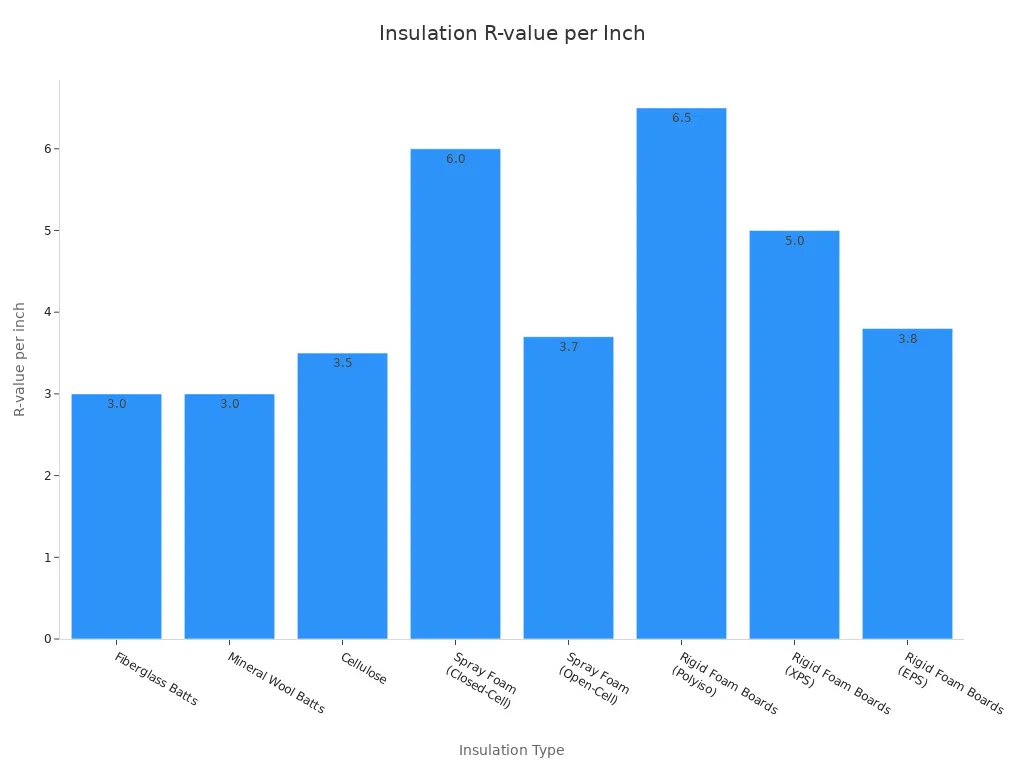
Upgrading to high-efficiency windows also makes a big difference. They block drafts and reduce noise. The payback period for investing in high-efficiency windows typically ranges from 7 to 15 years. This means you recover your investment through energy savings.
Integrate Smart Home Systems
Smart home technology makes your home more appealing to buyers. It offers convenience, comfort, and enhanced security. Buyers are increasingly willing to pay more for these features. Smart home integration is a strategic decision. It offers long-term benefits. You enhance your quality of life. You also position your home as a desirable asset in the real estate market. This leads to increased resale potential.
Consider adding these systems:
Smart Thermostats (e.g., Nest, Ecobee): These reduce energy bills and carbon footprints. They offer long-term savings and modern energy management.
Smart Security Systems (video doorbells, motion-sensing cameras, smart locks): Buyers now expect these features. They signal a well-cared-for and modernized home.
Smart Lighting Systems: These elevate a home’s ambiance. They offer features like adjustable color temperatures and voice control.
Smart Appliances (refrigerators, ovens, dishwashers): These signal an updated home. They add a ‘wow’ factor during home tours.
Whole-Home Automation Systems: These centralize control of lighting, temperature, and entertainment. They make your home stand out.
Homes with smart features sell faster and at higher prices. A National Association of Realtors study confirms this. Homes with smart security systems saw a 5% increase in value. Homes with smart thermostats experienced a 3% increase in value. Smart home technology is a key factor in raising property values. It meets the evolving needs of modern buyers. It offers energy efficiency, enhanced security, and convenience.
Protecting your home’s value is an ongoing journey. It requires consistent effort and thoughtful planning. You have learned about regular maintenance, strategic improvements, boosting curb appeal, and embracing energy efficiency. Even small, consistent actions can lead to significant long-term gains. Assess your home’s specific needs. Prioritize actions that align with your budget and goals. You can maintain the value of your home. Enjoy the rewards of a well-maintained and valued property.