You worry about hawks in your yard, especially for your small pets and other vulnerable animals. Hawks hunt small mammals like squirrels, rabbits, and voles. Great Horned Owls also target chickens. Pat Silovsky notes birds of prey cannot carry anything heavier than their own body weight. Effective hawk deterrence involves understanding their behavior. You can use humane strategies to keep hawks away. This post shares practical deterrent tips. It shows you how to keep hawks away and create a safer yard for everyone.
Key Takeaways
Hawks visit your yard for food, perching spots, and open hunting areas. Understanding these reasons helps you deter them.
Use visual deterrents like reflective objects, scarecrows, or motion-activated sprinklers. These make hawks feel unsafe or confused.
Remove food sources like bird feeders and secure trash. This makes your yard less attractive to hawks.
Provide safe shelters for small animals. Use netting or covered runs to protect them from aerial attacks.
Combine different deterrent methods and rotate them often. This prevents hawks from getting used to one strategy.
Why Hawks Visit Your Yard
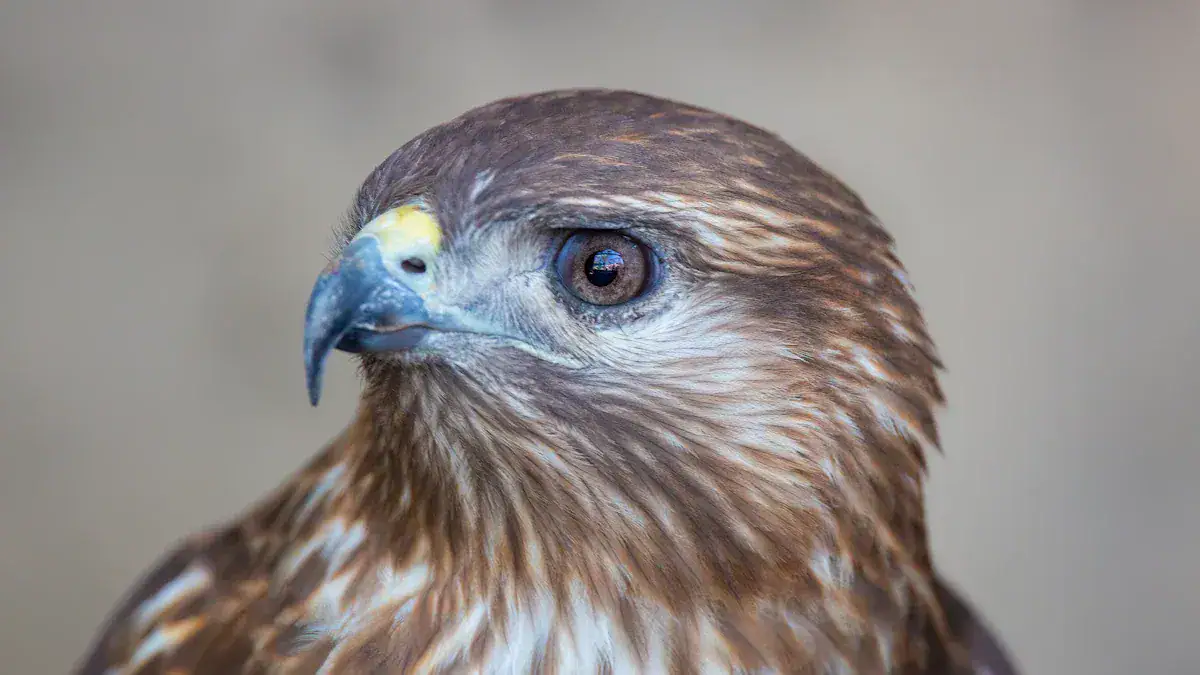
You might wonder why hawks choose your yard. Hawks are efficient hunters. They look for three main things. These factors make your yard an attractive hunting ground for them.
Presence of Prey
Hawks come to your yard because they find food there. Your yard might have many small animals. These animals are easy prey for hawks. Common prey includes Rock Pigeons and Mourning Doves. You might also see invasive birds like pigeons and starlings. Native species such as American Goldfinches, Dark-eyed Juncos, Northern Cardinals, and more Mourning Doves also attract hawks. Bird feeders often gather many of these birds. This creates a concentrated food source. Hawks notice these easy meals.
Perching Spots
Hawks need good places to watch for prey. Tall trees, utility poles, or even your roof provide excellent perching spots. From these high points, hawks can see a wide area. They scan your yard for any movement. A clear view helps them spot their next meal. These spots also offer a safe place for hawks to rest.
Open Hunting Areas
Your yard might have open spaces. These areas are perfect for hawks to hunt. Hawks use a ‘perch and swoop’ method. They sit on a high spot. They wait for prey like voles, mice, or small animals such as chickens. Then, they swoop down quickly. This strategy works well in backyards. Hawks also use a ‘Sit and Wait’ technique. A hawk perches on a high branch. It watches an open field or meadow. It waits until prey like squirrels, rabbits, or pheasants appear. Then, the hawk plunges from the tree to catch its prey. Open areas with little tree cover also allow for other hunting styles. These include high soaring, low soaring, and hover and pounce.
Visual Deterrents to Keep Hawks Away
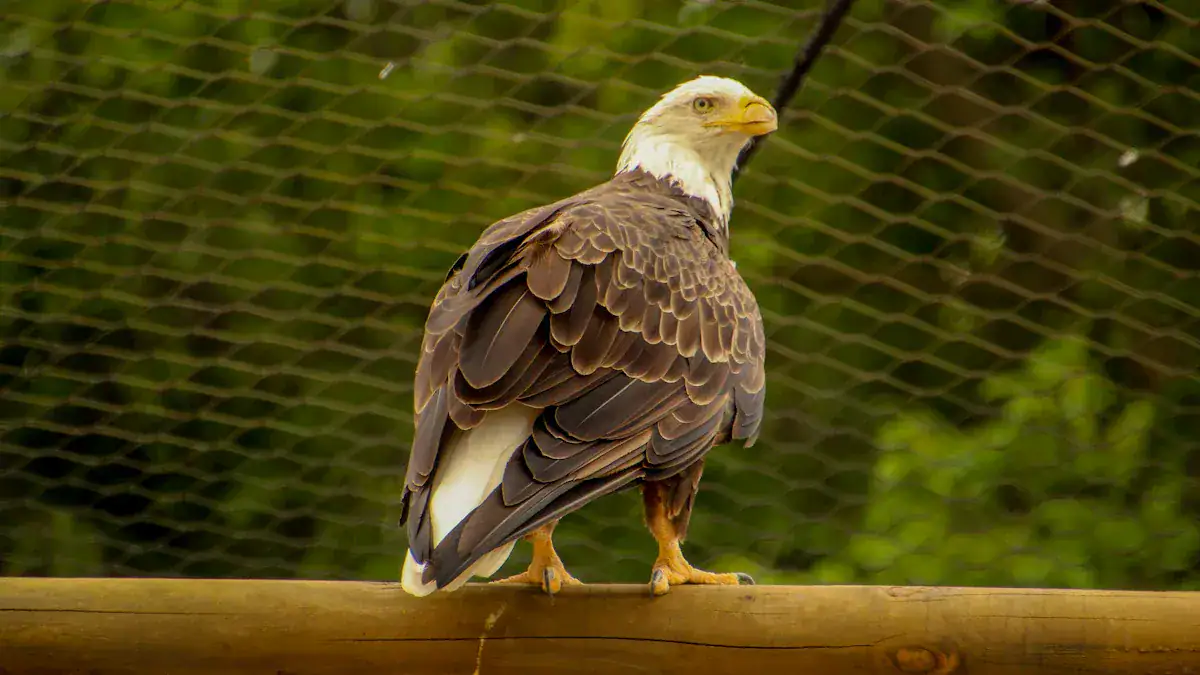
You can use visual deterrents to keep hawks away from your yard. These methods rely on what hawks see. They create an environment that makes hawks feel unsafe or confused. These deterrent tips help you protect your small animals.
Reflective Objects
Reflective objects create sudden flashes of light. These flashes can startle and disorient hawks. You can hang old CDs around your yard. Mylar tape or strips of aluminum foil also work well. The North American Bluebird Society suggests these items. They create bright, unpredictable flashes when sunlight hits them. This can confuse and unnerve visually oriented predators like hawks. You can place these objects near areas where hawks might hunt. You can also put them near where your pets or chickens spend time.
Scare Tactics
Scare tactics make hawks believe a threat is present. You can use various items for this. Scarecrows are a classic example. They create the illusion of human presence. Hawks fear humans, so scarecrows can deter them. You must move scarecrows often. This prevents hawks from getting used to their static presence.
Owl decoys are another option. Some have rotating heads. These movements make them seem more real. However, hawk decoys are often more effective. Experts agree hawk decoys are superior to owl decoys. Hawks hunt during the day. Most pest birds, like pigeons and sparrows, are also active then. Owls are nocturnal. This makes them less identifiable as a predator to daytime birds. Red-Tailed Hawk decoys are especially effective. They activate a bird’s sense of danger. This causes them to flee. These visual deterrents work best as a preventative measure. They are also good in the early stages of a bird problem. They work well against small to medium-sized birds. Larger birds might not scare as easily.
You can also use scare-eye devices. These mimic the eyes of larger predators. They often have intimidating patterns on balloons or reflective materials. These devices make hawks think another dangerous predator is nearby. Some are wind-activated. This movement makes them more convincing.
Flags and Streamers
Flags and streamers move in the wind. This movement can make hawks nervous. You can hang bright-colored flags or long streamers. Place them in open areas. The unpredictable motion can make hawks avoid the space. You can also use reflective streamers. These combine movement with flashing light. This increases their deterrent effect.
Motion-Activated Sprinklers
Motion-activated sprinklers offer a surprising deterrent. They spray water when they detect movement. This unexpected spray startles hawks. It sends them away from the area. Installing these sprinklers is a smart deterrent. They create an “instant no-fly zone.” They keep hawks from settling near your flock. You can place them around chicken coops or pet areas.
Motion-activated sprinklers deter hawks by unexpectedly spraying them with water. This happens when they try to approach. This sends them away. You must check them regularly to maintain their effectiveness. Over time, these sprinklers can condition animals. Their noise, movement, and burst of water teach animals to avoid the protected area permanently. Proper setup and adjustment are key. You must set them for the specific critter and area you want to protect. This helps you keep hawks away.
Auditory and Habitat Deterrents
You can make your yard less appealing to hawks by changing its sounds and layout. These deterrent tips focus on making your yard feel unsafe or unproductive for hunting, helping you keep hawks away effectively.
Noise Makers
Sounds can startle and deter hawks. You can use various noise makers to achieve this. Wind chimes create unpredictable sounds that make hawks feel uneasy. Ultrasonic devices emit high-frequency sounds that humans cannot hear but that birds and other animals may find irritating.
For more direct deterrence, you can play recordings of hawk distress calls. These calls signal danger to other hawks, prompting them to leave the area. Commercially available noisemakers can also work; they emit loud, unexpected sounds that startle and deter hawks.
Red-tailed hawks respond to a wide range of frequencies and are most sensitive to sounds around 2 kHz. Their hearing extends up to about 8 kHz. High-frequency and highly variable sounds work best for general bird deterrence because they cause stronger reactions and increase escape distances and speed. Many bird repellent devices use combinations of high-frequency sounds, which are more effective than low or medium frequencies.
Strategic Radio Use
You can use a radio to create a sense of human presence. Set it to a talk show station and place it near areas you want to protect. The sound of human voices can make hawks think people are nearby, discouraging them from approaching.
You can also play Great Horned Owl calls at different times after sunset. This may make hawks think a predator is in the area.
Removing Food Sources
Hawks come to your yard for food, so reducing their food supply is a key step in keeping them away. Bird feeders often attract many small birds - easy prey for hawks. One study found a large increase in Accipiter hawk numbers in cities because bird feeders created a “predator’s bonanza,” providing plenty of prey.
Manage your bird feeders carefully:
- Temporarily remove bird feeders for a few days to encourage smaller birds to spread out.
- Reintroduce feeders after a week or two; hopefully, the hawk will have found new hunting grounds.
- If hawks keep returning, close down feeding stations for about a week to help them establish a new routine.
- Consider closing the feeding station for the entire season if hawks return often.
- Avoid ground feeding, which makes prey birds more vulnerable.
- Reduce spilled seed, as it attracts small birds and rodents.
- Cover your feeders to make it harder for hawks to spot prey.
- Do not refill feeders immediately if you see a hawk nearby.
- Modify feeders to make them less accessible to large birds.
You should also secure your trash. Open trash cans attract rodents and other small animals, which are also prey for hawks. Securing trash helps reduce rodents, removing another food source for hawks.
Reducing Perching Spots
Hawks need high spots to watch for prey. Removing these vantage points makes your yard less attractive to them.
- Prune tall trees near areas you want to protect, as hawks use them as perching spots.
- Evaluate your property to identify and remove any high perches or nesting spots, since hawks tend to gather there.
- Eliminate tall fences or other structures near coops. Hawks use these as lookout points, which increases their hunting opportunities. Removing them limits observation spots and discourages hawks from staying in the area.
Providing Animal Shelter
You can protect your small animals by giving them safe places to hide.
- Plant dense shrubs and trees to create enclosed areas. Hawks find it difficult to swoop down and grab prey in such spaces, disrupting their hunting strategy.
- Build covered runs for poultry to protect chickens from aerial attacks.
- Create “duck and cover” zones - simple, low-lying shelters made from cinder blocks and boards, bricks and plywood, or even old dog crates. These provide quick protection from air attacks.
- Use shade structures such as patio umbrellas, pop-up canopies, or tarps to create shaded hiding areas. These break up open spaces and make your yard less appealing to hawks.
- Brush piles also serve as effective shelters for birds against hawks, foxes, and pets. Brush piles can be 3–8 feet tall and 6–20 feet wide; larger ones tend to be used more.
- You can build A-frame huts using 2×6 or 2×4 boards for legs and crosspieces, secured with plywood at the peak. Galvanized corrugated roofing resists rust and prevents animals from climbing. Use all-weather screws or nails. Treated 2x6s last longer in harsh weather. The height should be just taller than the animals to help retain body heat.
Netting and Covers
Physical barriers are highly effective because they prevent hawks from accessing your birds.
- Hawk-proof netting is a special protective barrier that shields poultry and gardens from predatory birds.
- Polyethylene, nylon, and other high-density fabrics are commonly used materials.
- Stainless steel rope mesh is very durable, offering superior strength and better resistance to rust and corrosion than plastic or nylon netting.
- A mesh size of one inch or less works best to deter hawks and also protects against other predators like raccoons or cats.
Pet Supervision to Protect Your Pets
The simplest and most effective method is direct supervision.
- Keep pets indoors during peak hawk activity - typically early morning and late afternoon.
- Always supervise small pets when they are outside. Your presence alone can often deter a hawk, making an attack far less likely.
Advanced Strategies to Keep Hawks Away
You might need more advanced methods if basic deterrents do not work. These strategies require more effort. They can be very effective to keep hawks away.
Attracting Crows
Crows are intelligent birds. They are also territorial. You can attract crows to your yard. They can help deter other predators like hawks. Crows often chase away hawks. You can encourage crows to visit. Offer them unsalted, whole peanuts in the shell. They also enjoy walnuts, almonds, and hazelnuts. Provide a wide, deep bird bath for drinking and bathing. Give them safe roosting spots like tree limbs or fences. Feed them at regular times, especially morning and evening. Keep noise levels low. Use friendly crow calls to attract them. Create a safe environment by removing threats. Offer nesting materials like twigs. Ensure they have open spaces for gathering.
Adding a Rooster
Adding a rooster to your flock can offer protection. Roosters are vigilant. They act as an early warning system. They crow loudly to signal danger. This alerts your flock and you to potential threats. Roosters are naturally protective. They provide an extra layer of security against predators like hawks. Some roosters actively pursue hawks. They drive them off. Mature roosters are effective against hawks targeting chicks or hens.
However, roosters have drawbacks. They can be aggressive towards humans. They crow frequently throughout the day. This can be noisy. Roosters might over-mate with hens. This causes stress or injury. You need ample space for roosters. This prevents territorial conflicts. Roosters have sharp spurs. These can injure hens. A ratio of 8-12 hens per rooster is recommended.
Hazing Techniques
Hazing involves actively scaring hawks away. You can use human supervision. Free-range your chickens only when you can watch them. Your presence and intervention can deter hawks. Run, scream, or throw rocks near the hawk. This teaches them to avoid your yard. Move plastic owl decoys regularly. Hawks are afraid of owls. Vary your chickens’ free-ranging times. Move objects in your yard often. This prevents hawks from learning predictable routines. Be aware of increased hawk activity. This happens during migration seasons. Hawks are often more active in the morning. Consider free-ranging chickens later in the day.
Scent Deterrents (Limited)
Scent deterrents have limited effectiveness for hawks. Hawks rely on sight for hunting. They do not use smell to find prey. Some products claim to deter birds with scent. These are generally not effective for hawks. You should focus on visual and auditory deterrents. These work better to deter a hawk.
Combining Deterrent Tips for Success
You can achieve the best results by combining different strategies. A single method might not always work. Hawks are smart. They adapt to one type of deterrent quickly.
Multi-Faceted Approach
Effective hawk deterrence requires a multi-faceted approach. You must consider legal protections for hawks. Think about their ecological importance. Also, consider potential risks to your pets and livestock. Combining various deterrence methods creates a balanced strategy. You can use visual deterrents, landscaping techniques, and auditory deterrents. Birds, like seagulls, quickly adapt to single deterrent methods. Integrating multiple products and strategies is essential for long-term success. This principle extends to hawk deterrence. A comprehensive system combines physical barriers with sensory and humane deterrents. This effectively addresses most pest bird species.
Rotating Deterrents
Hawks can become accustomed to static deterrents. You must rotate them. For example, move fake owls regularly. Rotate their location every few days. This keeps the hawks guessing. Move reflective items weekly. This prevents hawks from getting used to them. Regularly changing the location of deterrents maintains their effectiveness. This keeps hawks away from your yard.
Humane Practices
Always use humane practices when deterring hawks. Your goal is to encourage them to find food elsewhere. You do not want to harm them. Focus on making your yard less appealing. Avoid any methods that could injure or trap these birds. You can protect your animals while respecting local wildlife. These deterrent tips help you create a safe environment for everyone.
You can create a safe yard for your animals and local wildlife. This requires proactive and consistent deterrence. You learned about visual, auditory, and habitat modifications. Advanced strategies also help keep hawks away. A multi-pronged approach works best. You need patience and persistence with these deterrent tips. You can build a balanced and secure outdoor environment for everyone.
FAQ
What is the best way to protect my small pets from hawks?
You should always supervise your small pets when they are outside. Keep them indoors during peak hawk activity. Provide covered runs or dense shelters. Your presence alone often deters hawks.
What time of day should I be most careful about hawks?
Hawks are most active during early morning and late afternoon. These are prime hunting times for them. You should be extra vigilant during these hours. Consider keeping pets inside then.
What kind of netting should I use for my chickens?
You should use hawk-proof netting. Polyethylene, nylon, or stainless steel rope mesh work well. Choose a mesh size of one inch or less. This protects against hawks and other predators.
What if I see a hawk in my yard?
You can try hazing techniques. Run, scream, or throw rocks near the hawk. This teaches them to avoid your yard. Move plastic owl decoys regularly. Vary your chickens’ free-ranging times.