


Dogs entering your yard create many frustrations. They can cause property damage, chewing up your landscaping or outdoor furniture. You also face sanitation concerns and safety worries for children or pets. You need effective solutions to prevent dog damage. This guide provides practical tips. It helps you keep unwanted dogs off your property. We explore various strategies. These include physical barriers, deterrents, and community approaches. Each solution is humane and protects your yard.
Key Takeaways
Install strong fences and secure gates. This creates a physical barrier to keep dogs out of your yard.
Use scents like vinegar or citrus. These natural smells can make your yard less appealing to dogs.
Remove food and trash from your yard. This stops dogs from coming in to look for food or water.
Talk to your neighbors about their dogs. This can help solve problems with dogs entering your yard.
Check your fence often for damage. Fix any holes or loose parts to keep your yard secure.
Understanding Why Dogs Enter Your Yard
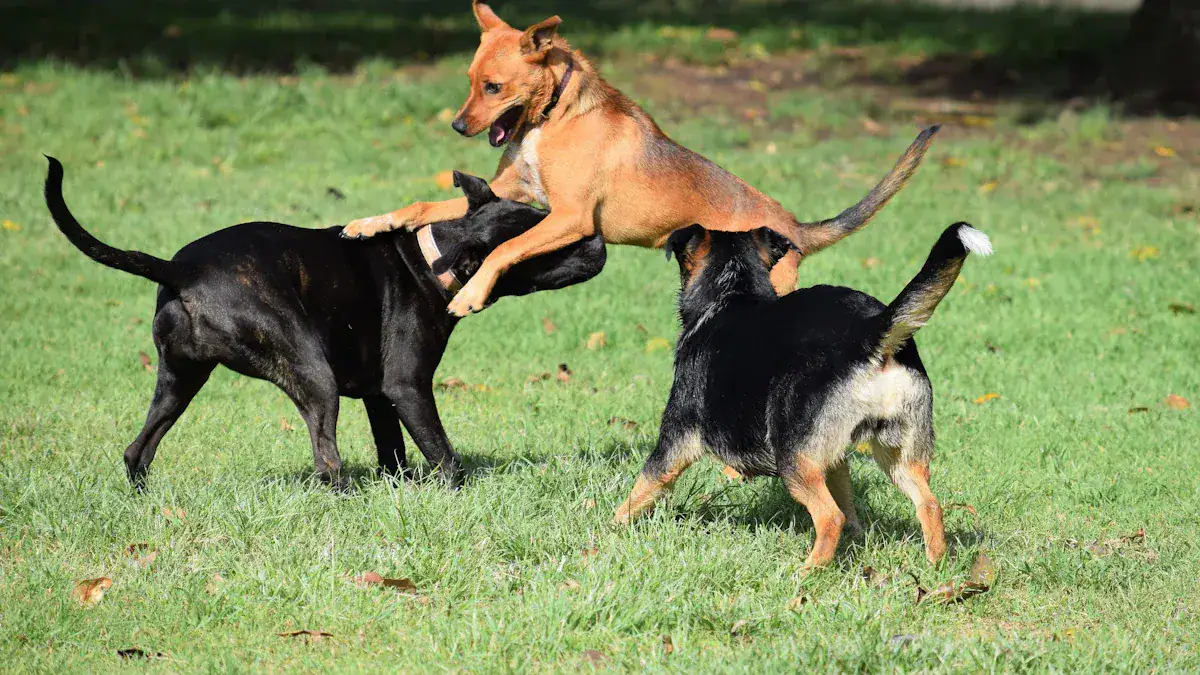
You might wonder why a dog keeps coming into your yard. Several reasons explain this behavior. Understanding these motivations helps you choose the best prevention methods.
Scent Marking And Territory
Dogs use scent to communicate. They mark areas to tell other dogs about their presence. This is a natural behavior for canids, including wolves and domestic dogs. They use urine, feces, and secretions from glands on their paws. These scent marks carry a lot of information. They tell other dogs about the individual’s sex, health, and social status. For dogs, scent marking helps define territory. It also influences how other dogs behave.
Seeking Food Or Water
Dogs are always looking for easy resources. Your yard might offer a tempting meal or a drink. Unsecured trash cans are a common target. Leftover pet food or fallen fruit can also attract them. A bird bath or a puddle can provide needed water. Dogs will enter your yard if they smell food or see a water source.
Curiosity And Exploration
Dogs are naturally curious creatures. They love to explore new environments. This drive to investigate helps them learn new things. Giving dogs choices, like where to explore, helps them express themselves. Activities like ‘hunt-and-find’ games stimulate their natural instincts. A specific gene, DRD4, is even linked to increased exploratory behavior in dogs. The environment greatly influences a dog’s behavior. Your yard offers new sights and smells for them to investigate.
Escaping Their Own Yard
Sometimes, dogs enter your yard because they are escaping their own. Several factors cause this. Unneutered male dogs often escape to find female dogs. Unfixed female dogs may also try to find mates. Dogs need physical and mental stimulation. If they are bored or lonely, they might escape. Separation anxiety can also make dogs try to get out when left alone. Loud noises, like thunder or fireworks, can scare dogs. They may escape to get away from the sound.
Physical Barriers: First Line Of Defense
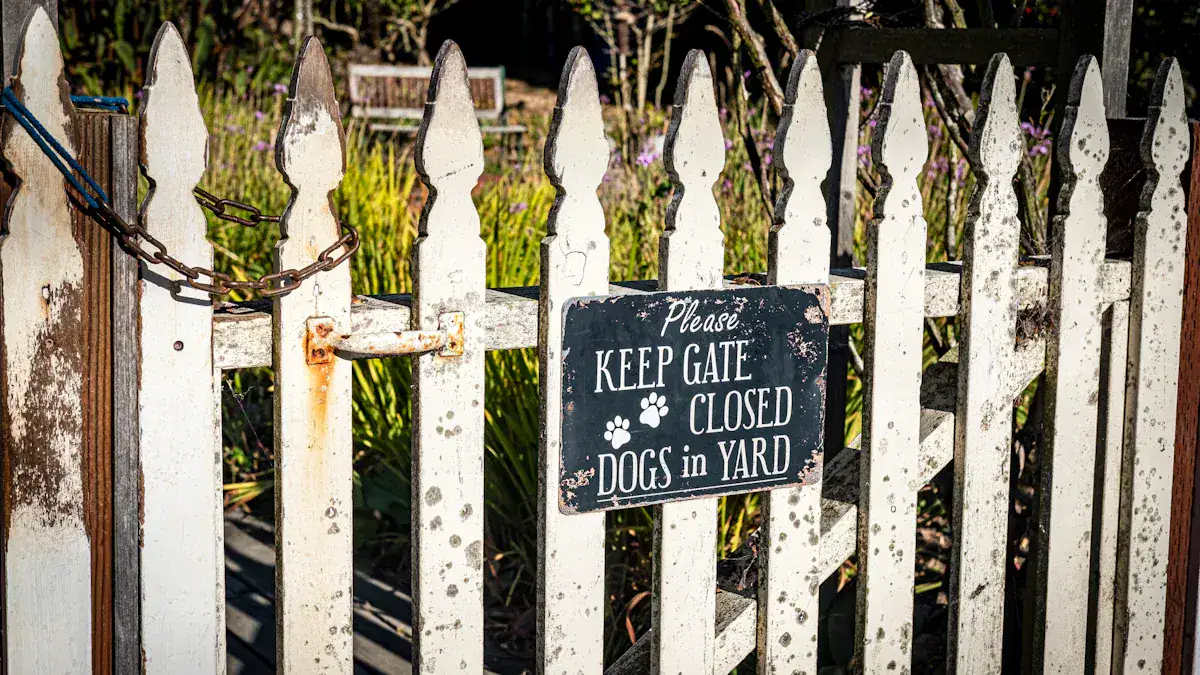
Physical barriers are your first and most effective way to keep unwanted dogs out of your yard. A strong, well-maintained barrier creates a clear boundary. It prevents dogs from entering your property.
Fencing Solutions
Choosing the right fence is crucial. You need to consider the size and behavior of the dogs you want to deter. Different dogs require different fence heights and materials.
Dog Behavior | Recommended Fence Height | Additional Measures |
|---|---|---|
General Containment | 6 feet | N/A |
Digging | N/A | Concrete base or buried wire mesh beneath fence line; designated ‘dig zone’ |
Jumping | 6 feet (most dogs); 8 feet (athletic breeds like Belgian/German Shepherds, Border Collies) | Smooth surfaces (PVC, metal) to prevent footholds; anti-jump devices (angled extensions, coyote rollers) |
Climbing | N/A | Solid panel fences (composite, PVC) with smooth finish; chain-link with slats/mesh attachments; metal pickets with spears |
You can also match fence height to dog size:
Dog Category | Examples | Recommended Fence Height | Additional Measures |
|---|---|---|---|
Small Dogs (<20 lbs) | Chihuahua, Yorkshire, Dachshund | 4 feet | N/A |
Medium Dogs (30-60 lbs) | Corgis, Beagles, Bulldogs | 5 to 6 feet | N/A |
Large/Giant Breeds (>60 lbs) | Retrievers, German Shepherds, Great Danes | 6 feet (privacy fence) or higher | N/A |
High Prey Drive | Greyhounds, Whippets, Afghans | 7 to 8 feet | N/A |
Diggers | Terriers | N/A | Fencing extended 6-12 inches into the ground |
Roamers | Alaskan Huskies, Malamutes | 8 feet | Dig barrier installed |
Consider the material when you build a fence. Galvanized steel wire fences, like STAY-TUFF Stiff-Stay and Fixed Knot, offer excellent impact resistance. They keep their shape even after impacts. This design also means low maintenance. These fences are durable and last a long time.
Chain link fences are also popular and durable. They use galvanized wire. They need minimal maintenance. Their diamond-shaped openings deter predators and keep most dogs inside. STAY-TUFF offers galvanized wire chain link fences for many uses. They come with a limited warranty.
Wooden fences have been around for a long time. Their durability depends on constant care. They are generally less resistant than wire fencing. Wire options often need less upkeep.
Brick and stone fencing are very durable. They withstand extreme weather. They need little maintenance once installed. They offer better security. These are great choices for dog-proofing, but they cost more at first.
Chain link fences offer some benefits:
Pros | Cons |
|---|---|
Lower cost than wood fencing | Not suitable for dogs that can jump |
Unobstructed property view | Little privacy, may distract some dogs |
Durable and easy maintenance | Not as aesthetically pleasing |
Preventing Digging Under Fences
Some dogs are expert diggers. They can tunnel under your fence. You can use several methods to stop this.
Pile a layer of large gravel at the fence base. This makes digging difficult.
Pour concrete at the fence base. This creates a strong, impenetrable barrier.
Use dog-safe deterrent sprays, like diluted vinegar. These discourage dogs from approaching the fence.
Provide a designated digging area. This redirects a dog’s natural instinct away from the fence.
Neuter or spay a dog. This can reduce urges related to roaming behaviors that lead to digging.
Increase physical exercise. This helps use up energy that might lead to digging.
Block the dog’s view beyond the fence. Use a privacy fence or strategic landscaping. This prevents digging driven by prey instinct.
You can also install a ‘Dig Proofer’ system. This system uses heavy-duty vinyl-coated galvanized welded steel wire mesh. It creates a physical barrier on the ground leading up to the fence. You stake this system into the ground. You can attach it to various fence types. It offers 8-12 inches of ground coverage and 8-12 inches of vertical coverage (Standard version). An XL version offers up to 24-30 inches of ground coverage and 12 inches of vertical coverage.
You can place pavers or bricks along the fence line. This prevents digging. You can also lay trench mesh on the ground and bury it. Partially insert it into the ground and attach it to fence posts. This creates a barrier.
Consider these materials for burying along fence lines:
Hardware cloth: This is popular and effective. Its durability is a concern. It typically lasts years, not decades, especially in wet soils.
Rubble (chunks of rock, brick, and concrete): You can bury this shallowly in a trench. It deters digging and improves drainage. This can extend the life of metal barriers.
Paver blocks: You can lay these on their side or as heavy squares. They create a solid barrier. Predators cannot dig under or push them up. They are reusable and effective.
Flashing: A roll of flashing, about 16 inches wide, works as an alternative to hardware cloth. You can bury it around structures.
Combination of materials: Use pavers and flashing together at the base and corners. This provides better protection.
Securing Gates And Entry Points
A strong fence is useless if your gate is weak. Dogs can push through or jump over gates. You need to secure them properly.
For inward-swinging gates with poly mesh, install two extensions side-by-side on the latch side. One extension goes on the latch post. The other goes on the gate door’s latch side. The mesh should bunch at the hinge side when the gate opens.
For outward-swinging gates or gates using welded wire, install two extensions side-by-side on each post (latch and hinge). Also, put an extension on each side of the gate door itself.
If the gate has a header, or you plan to build one, run the Dog-Proofer extensions over the top of the header. This allows the gate to open freely underneath. This works well for difficult installation spots.
Freestanding fence gates come in 4.5 ft and 6 ft heights. These match fence heights. The 7 ft tall ‘Houdini-proof’ fence uses the 6 ft tall gate. Gate widths are 36 inches and 60 inches. Gate kits include a second, smaller diameter post for the latch side. You install this off an existing fence post. These tips help keep your yard secure.
Fence Maintenance And Repair
Regular maintenance keeps your fence strong. It prevents dogs from finding weak spots. The frequency of inspections depends on your property and local rules. Routine inspections identify issues early. This prevents costly repairs and safety risks.
Every season: This is a general recommendation for fence inspections.
Quarterly: Inspect wooden fences every three months. They are vulnerable to weather. Check for rot.
Biannual: This is often enough for vinyl and metal fences. However, metal fences in high-humidity areas may need more frequent checks for rust.
Tailored frequency: Adjust inspection frequency based on the fence material and environment. Wooden fences in dry climates may need less frequent checks, but still monitor for pests.
Regular checks ensure your fence remains an effective barrier.
Scent And Sound Deterrents For Dogs
You can use various deterrents to keep unwanted dogs out of your yard. These methods use scents or sounds to make your property less appealing.
Natural Repellents: Vinegar And Citrus
Natural scents can help keep dogs away. Vinegar and citrus fruits like lemons or oranges are common household items. Dogs often dislike their strong smells. These scents make your yard less attractive to them.
Apply homemade repellents generously. Focus on the specific areas you want to protect.
Reapply the repellent every few days. Reapply it after rainfall. This helps maintain its effectiveness.
Focus on entry points and paths into your garden or yard. These areas often need more frequent treatment.
Commercial Dog Repellents
Commercial dog repellent devices offer another option. These products use ingredients that animals find unpleasant. They work by taste, odor, or by irritating nasal passages. This makes certain areas undesirable for dogs. This approach is particularly effective with dogs because you can train them. The unpleasant sensations help reinforce training efforts.
Many commercial dog repellent devices use all-natural ingredients. Effective active ingredients include castor oil, dried blood, putrescent egg, garlic, and white pepper. These repel animals through their odor and taste. Other ingredients like capsaicin, oil of black pepper, and piperine overwhelm a dog’s sense of smell and taste. They create an unpleasant environment dogs will avoid. These are effective repellents.
When you choose a commercial product, safety is very important. You want a safe dog repellent.
Ensure the product is safe for both pets and humans.
Be aware that some repellents contain harmful chemicals.
Choose non-toxic and environmentally friendly products. This helps reduce health risks.
Always follow the manufacturer’s instructions.
Avoid applying repellents in areas children or pets frequently use.
Prioritize eco-friendly options to protect the environment.
Do a patch test in a small area first. Check for any bad reactions.
Ultrasonic Devices
Ultrasonic dog repellent devices emit high-frequency sounds. Humans cannot hear these sounds. Dogs can hear them. The idea is that these sounds bother dogs. This makes them leave the area.
Here are typical ranges and frequencies for these devices:
Characteristic | Range/Frequency |
|---|---|
Typical Frequency | 23 kHz to 30+ kHz |
K9 Shield Frequency | 20–45 kHz |
K9 BarkLess Frequency | 20–45 kHz |
Ideal Range for Yards/Driveways | 20–30 ft |
K9 Shield Coverage Area | Up to 30 ft |
General Device Range | 15–30 ft |
However, independent studies do not confirm these devices work well. Research indicates a lack of effectiveness. For example, ultrasonic pet-collar devices did not reduce flea numbers on cats. A study by Schein et al. showed no difference in fleas and ticks on dogs wearing ultrasonic collars. This was true even after 14 days of device operation. Another study tested nine ultrasonic devices against ticks. It found less than 19.5% repellency. This is not enough for good protection. You should not recommend these devices for pest management.
Motion-Activated Sprinklers
Motion-activated sprinklers offer a humane way to deter dogs. These devices detect movement. They then spray a burst of water. This startles the dog. It makes them leave your yard. This is a good option for effective solutions.
Here are tips for placing your motion-activated sprinkler:
Review the Damage: Identify the specific areas where nuisance animals cause damage. This helps you determine the best placement for the dog repellent devices.
Choose a Location: Install the motion-activated sprinkler where most damage occurs. Ensure it faces outward from the protected area. It should point towards the animal’s entry point.
Adjust Spray Radius: The sprinkler can spray up to 35 feet. Adjust the radius as needed. Avoid spraying unwanted areas like sidewalks.
Fine-Tune Sensitivity: Adjust the motion sensor’s sensitivity knob. You can detect either small or large animals. Set it high for smaller creatures. Set it low for larger ones.
Consider Multiple Units: For comprehensive coverage of an entire yard or larger landscape, use multiple motion detector sprinkler units.
Landscape Modifications To Keep Dogs Off The Lawn
Dog-Repelling Plants
You can use certain plants to keep unwanted animals from your lawn. These plants release scents many animals dislike. Consider planting chili peppers, citronella, Plectranthus canina, rue, citrus trees, curry plant, or lavender. Many people believe marigold flowers repel dogs. However, this is a myth. These blossoms only act as a physical barrier on your lawn. Rose bushes with prickly stems are very effective. You can add them to your garden design. You can also scatter trimmings at the edge of flower beds. A single encounter with the thorns can teach an animal to avoid that part of your lawn.
Creating Uncomfortable Surfaces
Animals often avoid certain textures. You can create uncomfortable surfaces to keep them off your lawn. Thorny bushes like roses, blackberries, or pyracantha prevent animals from entering your yard. They form a physical barrier. A border of gravel or mulch also deters animals. They dislike the change in texture and footing on your lawn. However, be careful with thorny plants. They can harm pets. They might cause eye injuries or get stuck in paws. Avoid using such plants where pets have easy access to your grass. You want to protect your grass.
Removing Attractants
Remove anything that might attract animals to your yard. This includes fallen fruit, pet food left outside, or spilled birdseed. A clean lawn is less appealing to unwanted visitors. Make sure your grass is free of tempting items. This helps keep your grass pristine.
Securing Trash And Food Sources
Secure your trash cans. This is one of the best tips to keep animals out. Use locking lids on garbage cans to keep animals out. You can add weighted bases to prevent tipping. Store cans in a secured area. You can also build a garbage can enclosure for extra protection. Use bag ties for extra secure trash. Spray ammonia on trash bags. This repels raccoons with the scent. You can also set up a light directly over your trash bins. Animals prefer to work in darkness, so a bright light deters them from your grass.
Community Solutions And Long-Term Prevention
You can also work with your community to keep unwanted dogs out of your yard. These long-term strategies involve communication and understanding local rules. They provide effective solutions for a peaceful outdoor space.
Communicating With Neighbors
Talking to your neighbors is often the first step. You want to resolve issues with dogs entering your yard. Approach these conversations with care.
Begin with curiosity, not criticism. You can ask, “Hey, I’ve noticed the dogs barking a lot during the day. Have you noticed that too?” This frames it as a shared observation.
Clearly state your goal. You might want to reduce tension, protect the dogs, or prevent future issues. Focus on shared concerns.
Use “I” statements instead of “you” accusations. For example, say, “I get nervous when the barking escalates at the fence.” Avoid saying, “Your dogs bark too much.”
Assume good intentions. Believe your neighbors care about their pets. They likely want to be good neighbors.
Be patient and solution-focused. Change may not happen immediately. A respectful approach encourages collaboration.
Be mindful of your tone and body language. Keep a calm voice, relaxed posture, and a smile. This avoids escalating the situation.
Choose the right timing. Do not discuss concerns right after a barking incident. Pick a calm moment instead.
If direct communication does not work, other options exist. You can contact Animal Control or Local Ordinance Enforcement. They can mediate or enforce regulations. Homeowners Associations (HOA) or mediation services can also provide support. If many households are affected, consider organizing neighborhood meetings. You can invite an animal control officer to discuss responsible pet ownership.
Local Animal Control And Ordinances
Local laws often govern how dogs behave in public and private spaces. For example, many areas have leash laws. These laws require dogs to be on a leash, usually six feet or shorter, when on public property. It is illegal to let dogs run at large. This creates dangers. Dogs can get hit by cars or attacked by other animals. They can also spread disease or contribute to pet overpopulation.
Local ordinances often state:
You cannot allow any animal to stray or run at large on unenclosed property.
You cannot stake out an animal so its tether extends beyond your property.
An animal at large is a public nuisance.
Dogs must be on a leash in public places, unless in designated off-leash areas.
California state law also prohibits owners from allowing female dogs in heat to run at large. Owners cannot let any dog run at large on farms with livestock. Violations can lead to impounding, injury, or even killing of the dog. Owners can face criminal and civil charges. A first offense might be a $50 fine. If a dog kills or seriously injures livestock, it becomes a misdemeanor. This carries a potential $500 fine or jail time.
You can report a consistently trespassing dog. Fill out an online form for leash law violations. You can also report a stray dog in your neighborhood using an online form. These are effective solutions for ongoing problems.
Regular Yard Inspection
Regularly inspect your yard. Look for any new entry points or damage to your existing barriers. Check fences for loose boards or holes. Ensure gates still latch securely. This proactive approach helps you catch problems early.
Consistent Deterrent Application
Deterrents work best when you use them consistently. Reapply natural or commercial repellents as needed. Ensure motion-activated sprinklers have water and working batteries. Consistency reinforces the message that your yard is not a place for unwanted dogs.
You now have many strategies. These help keep dogs out of your property. Combine physical barriers, deterrents, and proactive communication. This multi-faceted approach offers the most effective long-term solution. Implement these methods consistently. You will create a peaceful and protected outdoor space. This ensures your yard remains free from unwanted canine visitors.
FAQ
What is the best first step to keep dogs out of my yard?
You should install a strong physical barrier. A well-built fence is your most effective defense. Ensure the fence is tall enough. Also, prevent digging underneath it. Secure all gates properly.
What natural scents deter dogs from my property?
Dogs often dislike strong smells. You can use vinegar or citrus scents. Spray diluted vinegar around your yard’s perimeter. Place citrus peels in areas you want to protect. Reapply these after rain.
What should I do if my neighbor’s dog keeps entering my yard?
First, talk to your neighbor calmly. Explain the issue using “I” statements. If that does not work, contact local animal control. They can help enforce leash laws or other ordinances.
What plants can I use to keep dogs off my lawn?
You can plant certain dog-repelling plants. Chili peppers, citronella, and rue are good choices. Rose bushes also work well. Their thorns create an uncomfortable barrier. Avoid plants that could harm pets.