Start with a thorough vacuum, then spot-test a gentle cleaner and work in small damp sections with a soft-bristle brush and microfiber cloth. That approach lifts soil without flooding the foam, which helps you avoid rings, odors, and mildew.
This walkthrough shows what to use, what to skip, and how to handle stains, odors, and drying when you clean fabric car seats at home.
Start With The Fabric, The Stain, And The Right Supplies
Seat cloth responds differently depending on weave, age, and backing. A light cleaner that works on cloth upholstery in one car can leave another seat tacky or faded if you use too much moisture.
- Check the seat fabric so the cleaner fits cloth, microfiber, or a blend in your car.
- Gather the tools needed, including a vacuum cleaner, soft-bristle brush, microfiber cloths, baking soda, dish soap, and upholstery cleaner.
- Match the mess to the method, since fresh spills, set-in stains, odors, and heavy grime call for different handling.
- Keep water light because seat foam under the fabric can hold liquid for hours and create drying issues.
A dedicated upholstery cleaner is a safe starting point for clean fabric car seats. A mild soap mix can work for light soil, but it has to rinse clean or the seat can dry with a dull film that attracts fresh dirt.
For a coffee spill, a grease spot, and a muddy patch, the surface problem looks similar, but the stain chemistry is not. Coffee leaves colored compounds, grease binds to oils, and mud brings grit that can abrade the weave, so your next step depends on the mess rather than the seat alone.
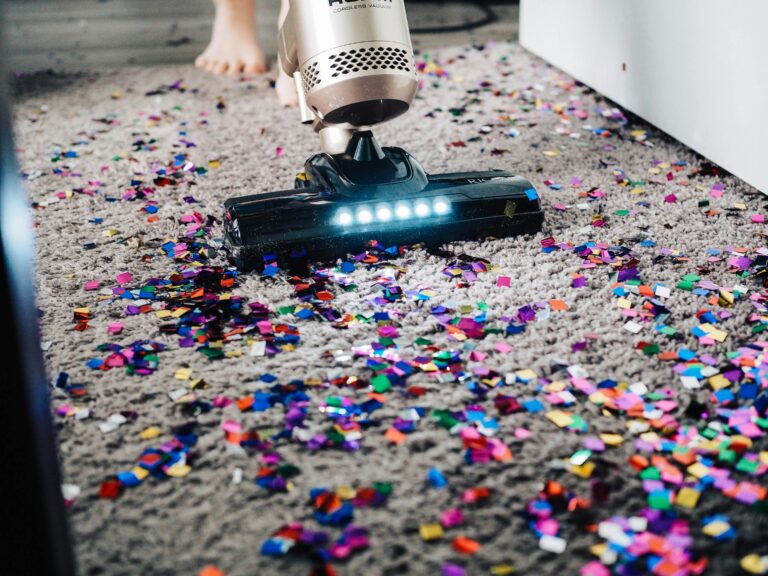
Vacuuming first removes grit before any cleaner can push it deeper into the fibers.
Vacuuming And Spot-Testing Set The Safety Baseline
Loose grit acts like sandpaper under your hand and brush. A vacuum cleaner pass before any liquid work keeps that grit from grinding deeper into the fibers and makes the rest of the cleaning easier to control.
Run the nozzle through seams, bolsters, seat creases, and the lower edge where crumbs settle. Those folds hide the most debris, and once the dirt is gone, you can judge whether the fabric is stained or simply dirty.
Vacuum The Hidden Grime
Use a crevice tool on the seams and around seatbelt anchors, then switch to a brush attachment for the flat areas. A thorough dry pass changes the whole job because you stop turning loose soil into muddy streaks the moment moisture arrives.
Test Cleaner In A Concealed Spot
Place a small amount of cleaner on a tucked-away area, then wait for color transfer, texture change, or spotting before you continue. That tiny check matters more on dark dyes and older seats, where the finish can shift even from a mild solution.
Keep liquid use small at this stage. A light mist or a damp cloth gives you control, while a wet seat back can send liquid into the foam and leave you dealing with drying problems later, especially during humid weather. That safety step sets up the hand-cleaning stage next.
A careful scrub with the right dilution keeps the foam from becoming soaked.
Skip any product that leaves the fabric slick after wiping. Residue attracts fresh dirt, and that makes the seat look dirty again faster than the stain did.
A Gentle Hand-Cleaning Method For Most Cloth Seats
Small sections work better than a full-seat soak. You clean the surface before moisture has time to migrate, which keeps the foam under the upholstery from staying wet for hours and lowers the chance of rings forming around the cleaned area.
Start with one panel, apply cleaner lightly, and brush in short strokes. A soft-bristle brush lifts embedded dirt without pulling at the weave, and a microfiber cloth picks up the loosened residue before it settles back in.
Work In Short Passes
Use a circular motion only where grime is stuck, then switch to straight strokes along the grain of the fabric. That pattern helps the fibers stand back up instead of matting down, so the seat keeps a more even appearance after it dries.
Blot, Then Pull Out Moisture
Press a clean microfiber cloth into the damp area instead of rubbing hard. If you have a wet/dry vacuum, draw out the excess liquid after agitation, since an extractor removes more residue than a towel alone and can shorten your drying time.
- Spray lightly so the cleaner sits on the fibers instead of flooding the cushion.
- Brush softly to lift soil without roughing up the weave.
- Blot firmly with a microfiber cloth to pull moisture upward.
- Repeat in sections until the panel looks even and the surface feels only damp.
PRO OXY Spot & Stain with StainProtect Technology Formula and OXY Stain Pretreat for Carpet & Upholstery are common stain products because they are built for targeted fabric work. The value is simple: they give you a pretreat option before a full hand-clean or extractor pass, which can make your next step easier.
Stained cloth can turn patchy when someone tries to scrub the whole seat at once. A sectioned approach keeps the cleaning ring small, which matters more than speed once the fabric starts drying and you need a uniform finish. That same idea helps when you choose stain-specific tactics next.
Because each stain behaves differently, the cleaning approach has to change with it.
Stain-Specific Moves For Coffee, Grease, Food, Mud, And Ink
Fresh spills are easier because the stain has not bonded deeply with the fibers. Blot the spill right away, then move to a light cleaner before the residue dries into a set mark that takes more work to remove.
| Stain Type | Best Move | Why It Works |
|---|---|---|
| Coffee | Blot, then use light upholstery cleaner in short passes | The liquid lifts before the color sets into the weave |
| Grease | Use a small amount of cleaner and a gentle dwell period | Oil needs time to loosen before lifting, not hard scrubbing |
| Food | Remove solids, then spot treat the remaining film | Chunks spread residue unless you clear them away early |
| Mud | Let the soil dry, vacuum it, then clean the trace left behind | Dry dirt comes off without smearing through the fabric |
| Ink | Use a minimal amount of cleaner and a light blotting motion | Too much rubbing spreads pigment across the fibers |
Coffee stains contain color compounds that grab onto fibers fast, so speed matters. Grease behaves differently because oil resists water, which is why a short dwell time helps more than aggressive scrubbing when you are treating the spot.
Mud and food need a different rhythm. Mud should dry before removal so you can break it up and vacuum it away, while food residue often hides sugars and fats that smear if you press too hard. Ink sits in its own category because motion spreads it; a calm blot is safer than a fast scrub when you want to protect the weave. Those stain patterns also help you decide what to use in the cabin and what to leave out.
That same caution extends to everyday products, since some help and others leave residues behind.
What To Use, And What To Leave Out Of The Car
A dedicated upholstery cleaner gives you the cleanest margin of safety for cloth seats. It is made to lift soil from fabric without leaving much residue, which matters because residue becomes the next layer of grime on your seat.
Dawn dish soap can help in a pinch, but dilution matters. A few drops in a bowl of water is enough for light soil, and the seat has to stay only damp, never soapy or wet to the touch, to avoid streaking.
Leave bleach, harsh detergents, and heavy overwetting out of the cabin. Those choices can fade dye, stiffen the fibers, and push moisture into the padding where odor starts.
Leather car seats need a different cleaner entirely because the surface is sealed and the risk is cracking, not fiber damage. Fabric seats are more forgiving in some ways, yet they absorb liquid faster, so the same product choice can create a new problem under the surface if you use too much.
Bissell’s Little Green line is known for upholstery work because extractor cleaning pulls dirty liquid back out of the fabric. A machine like that helps on large spills, but a hand-clean method still makes sense for small spots and routine upkeep when you do not need full extraction. After the cleaning products are sorted, drying becomes the last job that protects the seat.
Once the products are chosen, patience matters while moisture works its way out.
Drying The Seats Fully To Prevent Rings, Odors, And Mildew
Water rings form when the wet edge dries slower than the center and leaves a visible halo. The fix starts before you stop cleaning, because the more liquid you remove at the towel stage, the less chance you have of seeing that outline later on your seat.
Open the doors, turn on fans, and keep air moving across the seats. Heat alone can skin over the top layer while moisture stays trapped deeper in the foam, so airflow does more useful work than a hot blast through the cabin and gives you a more even dry-down.
Pull Out Moisture Before You Walk Away
Press a dry microfiber cloth into each cleaned area until the towel no longer picks up much liquid. A wet/dry vacuum or extractor can shorten that stage because it removes more of the rinse water than hand blotting, which helps protect the padding beneath the fabric.
Wait For Complete Dryness
Do not put the seats back into heavy use until they feel fully dry from surface to cushion. Trapped moisture feeds mildew and sour odor, and the smell can linger even after the seat looks clean, so give the upholstery enough time to finish drying.
The 2 hour rule for car seats applies in child-safety use, not fabric drying, so do not confuse the two. For upholstery, dry time depends on humidity, airflow, and how much liquid touched the foam, which is why a cool fan can matter more than a short timer while you wait.
Even after the fabric feels dry, lingering odors can signal deeper moisture or contamination.
Freshening Smells And Knowing When A Detailer Makes More Sense
Baking soda helps by absorbing odor molecules from dry fabric, especially after a spill or a wet clean. Sprinkle a light layer, let it sit on the seat after the fabric has dried, then vacuum it away to help reduce lingering smells.
That works well for mild smells, but a sour odor that returns after a day points to liquid deep in the cushion. At that stage, extractor cleaning or professional detailing makes more sense because the smell source sits below the surface and your surface cleaning may not reach it.
| Cleaning Choice | Best For | Trade-Off |
|---|---|---|
| Hand-cleaning | Small spots, light soil, routine upkeep | Slower on large areas |
| Extractor or wet/dry vacuum | Broad stains, deeper residue, damp buildup | Needs equipment and careful drying |
| Professional detailing | Old stains, strong odors, widespread grime | Costs more than doing it yourself |
One quick maintenance habit makes the next clean easier: vacuum weekly, blot spills right away, and keep a microfiber cloth in the glove box. That routine limits grit, and grit is what turns a light spill into a stubborn stain that takes longer to remove.
For how to clean cloth car seats at home, the rule is simple: start gentle, stay dry enough to protect the foam, and step up only as far as the stain demands. That gives you cleaner fabric without creating a moisture problem under the seat or a bigger repair later.
Handled well, the process leaves the cabin cleaner without inviting new problems later.
Final Thoughts
The safest path is patient, not aggressive. Vacuum out the grit, spot-test the cleaner, use just enough liquid to lift the soil, and dry the seat fully before the cabin goes back into normal use. Keep that sequence, and you give your seats a better result with less risk of rings, odor, or fiber damage.
FAQ
What is the best thing to clean fabric car seats with?
A dedicated upholstery cleaner is the safest all-purpose choice for cloth seats because it lifts dirt without leaving much residue. For light soil, a diluted mild soap solution can work, but keep the fabric damp rather than wet if you want a cleaner finish and less residue.
Can you use Dawn dish soap on car upholstery?
A diluted mix of Dawn dish soap can help in a pinch on fabric upholstery when the stain is fresh and the fabric is lightly soiled. Use only a few drops in water, blot the seat after cleaning, and avoid leaving a soapy film in the fibers so you do not pull new dirt into the seat later.
How do you clean fabric car seats without leaving water stains?
Use small amounts of cleaner, work in sections, and blot with a microfiber cloth before drying. Even airflow from open doors or a fan helps the seat dry more evenly, which lowers the chance of rings and marks on your upholstery.
What do professional car detailers use to clean seats?
Detailers often use upholstery cleaners, extractors, and wet/dry vacuums that pull dirty liquid back out of the fabric. They choose the tool based on stain age, odor, and how much of the seat has been affected, so the method matches the problem.
How do you remove set-in stains from cloth car seats?
Set-in stains need pretreating, gentle agitation, and patience. A soft brush and a small amount of upholstery cleaner work better than hard scrubbing, and a wet/dry vacuum helps remove the loosened residue before it dries back into the fibers.