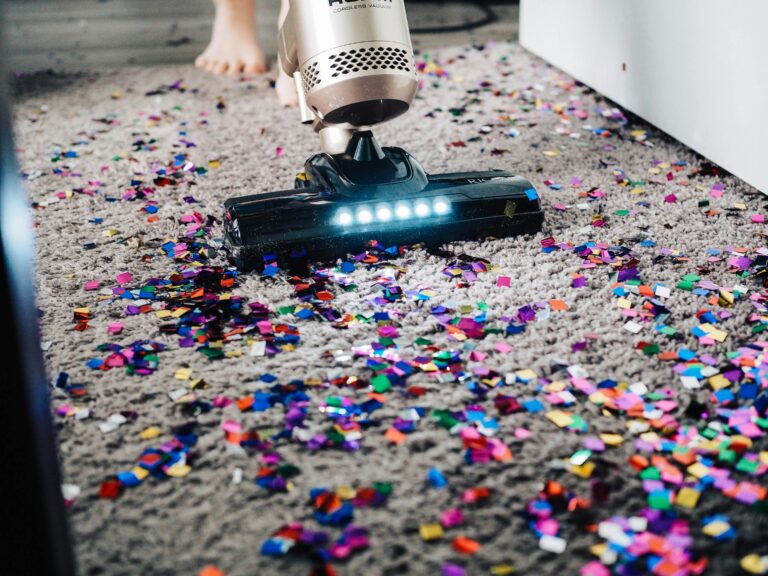
A vacuum cleaner, a mild soap mix, and very little moisture let the fabric lift soil without soaking the foam. A coffee ring, pet odor, or muddy footprint usually looks worse after a rushed scrub, but careful stain removal can change the result quickly.
This guide covers the safest way to refresh cloth car seats, from choosing the right supplies to handling stubborn marks, so a minivan owner or commuter can clean confidently without damaging fabric.
Start With The Right Supplies And A Clean Work Area
Dry crumbs and grit act like sandpaper once water touches the fabric, so your setup matters before any cleaner reaches the seat. A shaded driveway, garage, or covered carport gives you better control over drying and helps keep the fabric from flashing with new water marks.
- Vacuum cleaner: Lift loose dirt from seams, bolsters, and seat tracks before moisture loosens it deeper.
- Microfiber cloths: Use them for blotting, wiping residue, and drying without leaving lint behind.
- Soft-bristle brush: Loosen embedded grime without cutting into the weave.
- Mild upholstery cleaner: Pick a fabric-safe formula or dilute a little dish soap in warm water.
- Clean water bucket: Rinse cloths and lift leftover cleaner so it does not dry chalky.
Cloth car seats respond best to calm, measured work. A carpet extractor can help later, but hand cleaning upholstery stays safer for a beginner because you control the moisture and can stop before the foam gets wet enough to hold odor. That control makes the next prep step easier to get right, especially when you clean car upholstery by hand in a tight cabin.
A clean start matters most when the first pass can prevent set-in grime and stubborn smells.
Vacuum, Pre-Treat, And Spot-Test Before You Scrub
A full vacuum removes the dry layer that blocks cleaner from reaching the stain. Use a crevice tool along stitching and seat edges, because crumbs trapped there turn muddy the moment liquid hits them.
Spot testing takes under a minute and saves the seat finish. Hide a small patch under the cushion edge, apply a little cleaner, wait for fading or texture change, and move on only when the fabric stays steady.
That small test matters even with gentle products. Dawn dish soap in dilution can work on cloth seats, but strong solvent sprays, bleach, and full-strength soap leave residue or lighten the dye, which is why a hidden patch tells more than a label ever will.
Once the fabric passes the test, treat one spot at a time. A coffee spill, sauce drip, and tracked-in mud all behave differently, and a single focused pass keeps the stain from spreading into a larger halo. That difference matters even more when you move from spot work to a full-seats approach, because the wrong first pass can make remove stains from fabric car seats harder instead of easier.
A little preparation pays off here, since the gentlest approach works best before any deeper seat cleaning begins.
Use A Mild Solution With Light, Controlled Moisture
Mix warm water with a small amount of upholstery cleaner or a few drops of dish soap, then dampen the cloth or brush rather than pouring solution onto the seat. That limits soaking and helps the fibers release soil instead of trapping it in the foam below.
Choose Gentle Household Cleaners
White vinegar can help with odor on some fabrics, but it works best in a light mix and a well-aired cabin. Laundry detergent belongs in very small amounts, because too much surfactant leaves a sticky film that grabs dirt again. That is why many drivers clean cloth car seats with household products only in moderation.
Keep The Fabric Damp, Not Wet
Think of the seat like a sponge with a skin. The surface should darken a little while you clean, then dry within a short time, because oversaturation makes the foam underneath the real problem. If the cloth feels soggy, stop and blot before the moisture travels deeper.
Strong solvent cleaners work faster on grease, yet they can pull dye or stiffen the weave. A safer path is a mild formula, short passes, and a second clean microfiber towel ready for residue removal. That same light-touch method also makes how to clean fabric car seats feel more controlled and less risky.
That careful balance matters again when different stains call for different treatments instead of a one-size-fits-all scrub.
Lift Stains By Type Instead Of Scrubbing Everything The Same Way
Different stains sit in fabric in different ways, so a single scrubbing motion wastes effort and can grind soil deeper. Food residue clings to fibers, drink spills wick outward, and grease binds to the cloth in a thin film that needs patience more than force.
Handle Food, Mud, And Drink Spills Separately
Food spots respond to short brush strokes and blotting with a dry towel. Mud should dry a little before you vacuum the loose layer, while beverage spills work best from the outside edge toward the center so the ring stays small. That approach makes it easier to remove stains from fabric car seats without leaving a larger halo.
- Coffee or soda: Blot the edge inward so the stain does not spread into a bigger circle.
- Grease or fry oil: Use lighter passes, then repeat after a brief pause instead of scrubbing hard.
- Pet mess: Lift solids, dab the area, and use an odor-safe cleaner before drying.
- Dusty grime: Brush in short strokes, then vacuum the loosened debris.
Use Baking Soda For Odors And Fresh Spills
A thin baking soda layer can sit on a dry spot for a short time before vacuuming. It helps with smell because the powder absorbs odor compounds on the surface, which is useful after milk, food, or pet accidents.
You may have seen this play out after fast-food drinks tipped in the back seat. The seat can look worse than it is, and a careful blot, light cleaner, and air movement can restore the cloth without the hard ring that heavy rubbing leaves behind. That same discipline matters again when you rinse and dry the seat, because odor control and stain control usually rise or fall together.
Specific stain handling helps, but the final rinse is where leftover cleaner and lingering odor finally get addressed.
Rinse Away Residue And Deep-Clean The Full Seat
Cleaner residue left in the cloth dries into a pale film and pulls dirt back faster, so a damp wipe matters after every treatment. Use a fresh microfiber towel with clean water, then follow with a dry towel to pick up what remains.
| Method | Best Use | Main Risk |
|---|---|---|
| Hand cleaning | Beginners, spot work, small stains | Over-wetting a small area |
| Extractor | Deep cleaning fabric seats across a full cushion | Too much water in the foam |
| Dry foam or spray cleaner | Light soil and quick maintenance | Residue if the product is left behind |
For a full seat, work in sections so you can clean and dry one panel before moving to the next. That rhythm matters because a damp front bolstered section and a dry center panel do not age the same way, and uneven drying leaves blotches. It also keeps you from losing track of where you have already treated the fabric.
An extractor speeds the job, but only shallow passes and an empty waste tank keep the result clean. Overfilled tanks or heavy spray can push moisture too deep, which is the main reason a seat smells stale after a detail at home. That leads straight into drying, which makes or breaks the finish and is central to how to deep clean fabric seats without leaving a lingering odor.
Moisture left behind can undo good work, which is why thorough drying comes before any long-term freshness benefits.
Dry Completely And Keep Cloth Seats Cleaner Longer
Drying is where a decent cleaning becomes a lasting one. Blot with dry towels, then open the doors or run cabin airflow so the foam releases moisture instead of holding it against the fabric.
Do not put the car back in service until the seat feels dry through the cushion. A damp foam pad can leave water marks, then build a mildew smell that lingers for days.
- Blot firmly: Press a dry towel into the seat to pull out surface moisture.
- Move air: Crack the windows or run the fan on fresh air for faster evaporation.
- Check seams: Touch stitching and bolsters, since those spots hold water longest.
- Inspect in daylight: Natural light reveals residue, rings, and missed soil faster than garage lighting.
- Vacuum again later: A final pass lifts dried particles that loosened during cleaning.
A simple maintenance routine keeps fabric car seats cleaner between full sessions. Vacuum weekly, wipe spills right away, and save heavier stain removal for the moment a mark appears instead of letting it set into the weave. That habit also makes the next full cleaning much faster, especially when you clean cloth car seats at home after a long commute or a weekend trip.
Once the fabric is fully dry, the seats stay fresher longer and the next cleanup becomes far less daunting.
Final Look
The safest way to clean cloth car seats is slow, light, and dry at every stage. Vacuum first, test the cleaner, use only enough moisture to loosen soil, then dry the foam fully so your work leaves fresh fabric instead of a damp smell. If you keep the process controlled, you avoid most of the common mistakes that lead people to clean car upholstery by hand twice.
FAQ
Can I use Dawn dish soap to clean cloth car seats?
Dawn can work in dilution for cloth car seats because it breaks up oily soil without a harsh solvent load. Use only a few drops in warm water, apply it to a cloth or brush, and wipe the area afterward with clean water so residue does not stay behind. That makes it one of the safer ways to clean cloth car seats with household products when you need a light spot treatment.
What household items can you use to clean car upholstery?
You can use microfiber cloths, warm water, a little dish soap, white vinegar, and baking soda to cover most light jobs on car upholstery. Keep the mix mild, test it in a hidden area, and avoid bleach or strong solvents that can fade fabric or leave a stiff finish. Those basics cover most jobs when you need to it at home.
How do you clean cloth car seats without leaving water stains?
Use very little liquid, blot as you go, and dry the seat with towels and airflow right after cleaning. Water marks form when moisture sits in one spot and dries unevenly, so section work and good ventilation matter more than stronger cleaner. That same rule also helps when you want to deep clean fabric seats without blotching.
How do you remove stains from fabric car seats?
Match the method to the stain. Blot drinks from the outer edge inward, brush dry mud after it firms up, and use light passes for grease so you do not push it deeper into the weave. You get the best result when you work stain by stain instead of trying to clean everything the same way.
Can fabric seats in a car be cleaned by hand?
With a soft brush and a bucket of warm water, most fabric seats respond well to hand cleaning and give you the most control over moisture. A soft brush, microfiber towel, and mild cleaner can handle spot work and even a full cushion without the risk that comes from flooding the foam. That is why many drivers prefer to clean car upholstery by hand before reaching for stronger equipment.