Your vinyl siding collects dirt over time. You want an effective, safe, and affordable way to clean this dirt. A homemade vinyl siding cleaner is the best diy solution for house washing. This homemade cleaner offers a cost-effective and environmentally friendly cleaning. You get clean vinyl siding without harsh chemicals. This homemade solution protects your family and landscaping. It is also the best diy solution for removing tough dirt and grime. This homemade cleaner provides a cost-effective way for cleaning vinyl siding. We will reveal ultimate recipes and step-by-step instructions for a sparkling clean home.
Why Use Homemade Siding Cleaner
Cost-Effective Cleaning Solutions
You save money when you choose a homemade cleaner. Commercial siding cleaners often carry a high price tag. You can make effective homemade cleaning solutions using common household items. These items are already in your pantry or under your sink. This makes your cleaning efforts much more cost-effective. You get a sparkling clean home without spending a lot. This approach is a smart financial choice for any homeowner.
Eco-Friendly and Reduced Chemical Exposure
You protect the environment with homemade options. Many store-bought cleaners contain harsh chemicals. These chemicals can harm local ecosystems. An eco-friendly homemade cleaner reduces your chemical footprint. You avoid exposing yourself and your family to strong fumes. This choice supports a healthier planet. You also create a safer living space. This eco-friendly method is good for everyone.
Safe for Plants, Pets, and Family
You ensure safety for your loved ones and landscaping. Traditional cleaners can damage plants. They can also pose risks to pets and children. A homemade cleaner, especially an eco-friendly one, uses gentler ingredients. This means you can clean your vinyl siding with peace of mind. You do not worry about harming your garden or your furry friends. This best diy solution offers a safe way for cleaning vinyl siding. You achieve a clean exterior while keeping everyone safe.
Best Homemade Siding Cleaner Recipes
You want to know the best homemade siding cleaner recipes. These recipes help you tackle various levels of dirt and grime on your vinyl siding. You can choose a gentle solution for light cleaning or a powerful formula for tough stains.
Gentle DIY Cleaning Solutions
You can create effective homemade cleaning solutions with simple ingredients. For a gentle all-purpose cleaner, you mix water and white vinegar. A solution of 70% water and 30% white vinegar works well for general cleaning. This homemade cleaner helps remove light dirt.
When you see mildew or algae, you need a slightly different approach. You can use a solution of one part white vinegar to one part water. This equal parts mixture is effective. You apply it to affected areas. Let it sit for 10 to 15 minutes. The vinegar’s acidity helps break down mildew without harming your vinyl. You can also add one cup of white vinegar per gallon of water for a gentle cleaning. This helps break down organic matter.
For a standard DIY solution that handles general grime and greasy buildup, you can add dish soap.
Cleaning Need | Water | Active Ingredient | Mixing Ratio |
|---|---|---|---|
General Grime | 70% | White Vinegar | 7 parts water to 3 parts vinegar |
Greasy Buildup | 70% | White Vinegar & Dish Soap | 7:3 ratio + 1 tsp of soap per gallon |
You dissolve two tablespoons of liquid dish soap, like Dawn, in one gallon of warm water. This homemade solution is great for everyday cleaning.
Powerful Formulas for Tough Stains
Sometimes, you face stubborn dirt and tough stains. You need a more robust cleaner for heavy grime. You can make a powerful homemade solution. Mix one gallon of water with 1/3 cup of powdered laundry detergent. Add 2/3 cup of trisodium phosphate (TSP). TSP is very strong. You must use caution when you handle it. Wear gloves and eye protection. This formula tackles deep-set grime and stains.
For mold and mildew, bleach-based solutions are very effective. You can mix one gallon of water with one cup of Clorox bleach and one teaspoon of Dawn dish detergent. This cleaner helps eliminate mold and mildew stains. Another option is a 20% bleach solution. You mix one ounce of laundry detergent per gallon of this solution. This allows for a no-scrub method. You apply it, let it sit, and then rinse.
You can also use a stronger bleach solution. Mix one part bleach with five parts water. For example, you combine 1/4 gallon of bleach with 1-1/4 gallons of water. This dilution effectively removes mold and mildew from your siding.
Eco-Friendly Additives and Alternatives
You want eco-friendly options for cleaning vinyl siding. Oxygen bleach is an excellent alternative to chlorine bleach. It is less harsh. It is also environmentally friendly. Oxygen bleach breaks down into water and oxygen. This makes it safe for plants and most siding materials. It penetrates porous surfaces. It attacks mildew at its roots. This helps prevent regrowth of mold and mildew. Chlorine bleach evaporates quickly. This can lead to mildew regrowth. It can also cause environmental pollution.
You can add other ingredients to your homemade cleaning solutions. Borax helps with mildew. Baking soda provides extra scrubbing power for tough stains. These additives enhance your homemade cleaner without harsh chemicals.
DIY House Washing Steps
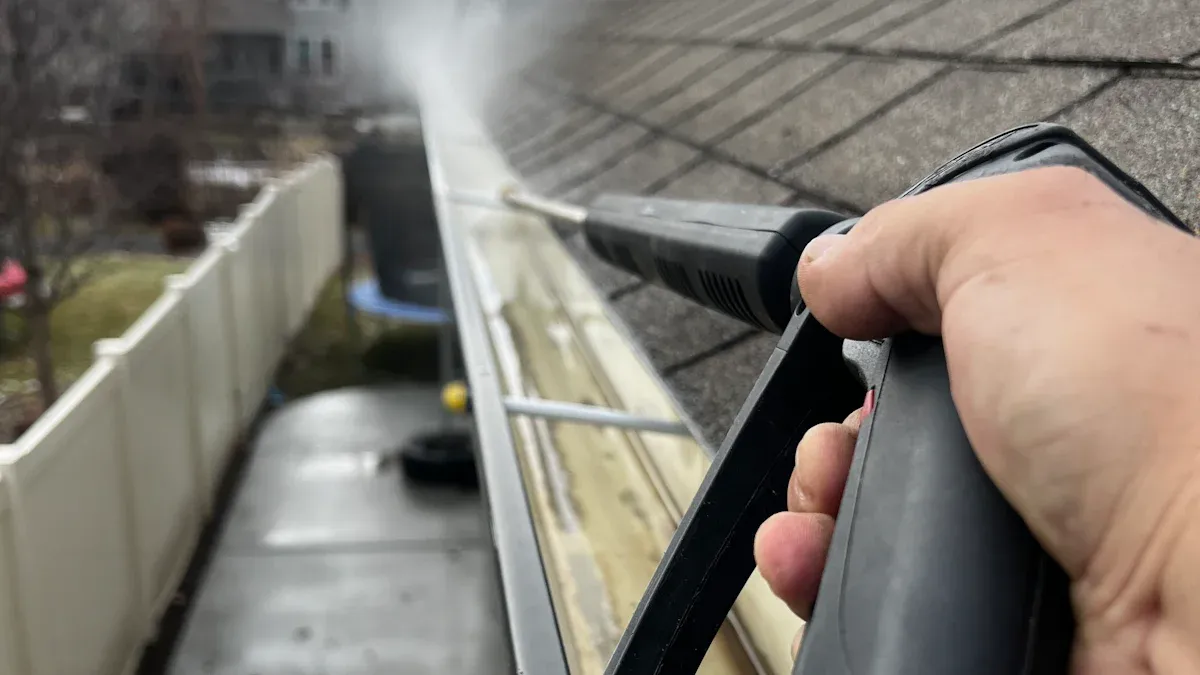
You can achieve a sparkling exterior for your home. Follow these steps for effective cleaning your siding. This guide helps you apply your homemade solutions correctly.
Preparing for a Thorough Clean
You must prepare your area before you start. First, gather all your supplies. You need your chosen homemade cleaner, a garden hose, and possibly a soft-bristle brush. Next, protect your landscaping. You can cover delicate plants with tarps. You should also wet down the soil around your house. This dilutes any cleaner that might drip onto your plants. Finally, pre-rinse your siding with water. This helps loosen surface dirt and prepares the vinyl for the cleaner.
Applying Your Homemade Cleaner
You have several ways to apply your homemade cleaner. For small areas or spot treatments, use a spray bottle. A garden sprayer works well for larger sections. You can also use a bucket and a soft-bristle brush for manual scrubbing. A low-pressure water application, like a garden hose with a sprayer attachment, is also effective.
For a 5-to-1 dilution of Simple Green, you apply it with a long-handled car-washing brush. You work on a pre-wetted 10-square-foot area. Work the solution in lightly. Let it sit for a few minutes. Then, you rinse it with a pressure washer. This method might be challenging for two-story homes.
When you use bleach, apply it with a pump-up garden sprayer. You must wet surrounding vegetation before, during, and after application. This prevents harm to your plants. For dirt beyond surface dust or mold, you can use TSP. For really black streaks on gutters, tire cleaner is recommended. Around service entrances, hand scrub with TSP. Then, lightly rinse with a water hose. Do not spray water upwards. This can force water behind the siding. Rely more on the cleaning agent than increased pressure. A ladder is essential. It helps you avoid spraying behind the siding. It also helps you move along the wall to prevent spraying into end laps.
For stubborn stains and heavy grime, you might need to scrub. Use gentle scrubbing for general dirt. Focus your scrubbing on tough spots. If you use a bleach-based solution, you can try a no-scrub method. Apply the solution. Allow it to sit for 15 minutes. Then, hose it off. This diy approach saves you effort.
Rinsing for a Spotless Finish
You must rinse your siding thoroughly. This prevents streaks and residue. After scrubbing, rinse the siding with clean water from a garden hose. Ensure all homemade cleaner and dirt are removed. Pay close attention to washing off all soap residue. It can dry and leave unsightly streaks. You must rinse well to avoid any buildup. This buildup could lead to stains. Prevent soap or cleaning solution residue from drying on the surface. This can lead to streaking. Use a garden hose with a spray nozzle or a pressure washer for rinsing. Make sure no vinegar residue remains. This avoids streaks or attracting more dirt. This diy method ensures a spotless finish.
Effective & Safe Cleaning Tips
Optimal Conditions for Cleaning
You want the best results when you clean your home. Choose an overcast day with mild temperatures. This prevents your homemade cleaner from drying too quickly. Quick drying can leave unsightly streaks on your siding. Avoid cleaning on days with direct sunlight. Also, do not clean on windy days. Wind can dry the solution too fast. It can also spread your cleaner where you do not want it. Opt for cleaning when the area is shaded. This helps the solution work effectively on tough stains. This ensures your homemade efforts pay off.
Best Practices for Application
You should always test your homemade cleaner first. Apply it to an inconspicuous area. This ensures no discoloration or damage occurs. This step prevents potential issues. You can observe how your siding reacts. Neglecting this precaution can lead to undesirable outcomes. Always conduct a spot test. This is especially true if you are unsure how your material will respond. This systematic approach reduces damage. You can make adjustments before treating visible surfaces. Clean small sections at a time. Work from the bottom to the top. This avoids streaks. Then, rinse from the top to the bottom. This washes away all the loosened stains. This method helps prevent new stains.
Essential Safety Measures
You must prioritize safety. Wear protective clothing. This includes gloves and eye protection. A face mask helps you avoid fumes from cleaning chemicals. Goggles safeguard your eyes from dirty backsplash. Thick gloves protect your hands from loose siding or nails. Wear closed-toe shoes. Ensure children and pets are safely indoors. Remove toys and outdoor furniture. If you use a ladder, have someone hold it for stability. Shut windows and doors. This prevents soap and water from entering your house. Cover landscaping and plants with tarps. This protects them from your homemade cleaner. Switch off outlets and unplug power cords. Protect electrical units with plastic sheets. This prevents electrical hazards. These steps help you tackle tough stains safely. Your homemade solution works best with proper safety. This prevents future stains.
Troubleshooting Common Siding Stains
You will encounter specific challenges when cleaning your home’s exterior. You can tackle these common siding stains with the right approach.
Tackling Mold and Mildew
You often face mold and mildew on your vinyl siding. These can be unsightly stains. For mild cases, a simple mixture of water and detergent works. You can also use vinegar. Vinegar has natural antifungal properties. It helps remove mold. Hydrogen peroxide offers a stronger solution. It tackles moderate mold growth. Bleach can kill mold. However, it may not fully remove stains. Bleach can also damage certain types of siding. You should use specialized mold cleaners or natural alternatives. These are safe for your specific material.
Eliminating Rust Marks
Rust marks are another common problem. You can find commercial rust removers at hardware stores. Always follow the manufacturer’s instructions. These products can contain harsh chemicals. Vinegar is an effective acidic solution. Use white vinegar for light rusting. Apple cider vinegar or distilled vinegar works for heavy rusting. You can soak a cloth in vinegar. Rub it on the rusted area. Let it sit for a few minutes. A homemade solution also works. Mix half a cup of white vinegar or lemon juice. Add 1/4 cup of baking soda and 1 gallon of warm water. This mixture helps remove rust stains. The Works Toilet Bowl Cleaner, containing hydrochloric acid, can remove about 95% of rust stains. Use plenty of water to wash it away. You might also use some baking soda. Hydrochloric acid can be corrosive to concrete and brick.
Avoiding Streaks and Spots
You want to avoid streaks and water spots. Regular cleaning and maintenance prevent stubborn stains. Clean your vinyl siding every 6 to 12 months. Use a mild dish soap and water mixture. This stops dirt, pollen, and other dirt from hardening. Trim overhanging branches and foliage. This minimizes debris like tree sap and leaves. It prevents them from falling onto the surface. Install gutter guards. Gutter guards prevent clogs. This stops water from overflowing. It prevents streaks and stains. Apply a vinyl protector after cleaning. This protective layer helps repel dirt. It prevents stains from adhering. Ensure proper ventilation. Maintain low humidity levels. This prevents fungal and mildew growth. It stops dark spots and streaks. Schedule professional pressure washing every 1–2 years. This removes deeper grime and oxidation. It prevents discoloration and tough stains.
You now understand the power of a homemade vinyl siding cleaner. This homemade solution offers effectiveness, safety, and a cost-effective way to clean. You achieve a sparkling exterior with a homemade, diy approach. This is the best diy solution for your home. Try these homemade recipes and tips. You can clean vinyl siding easily. Enjoy a beautiful home. You save money and help the environment with your diy efforts. This homemade method is truly cost-effective.
FAQ
How often should you clean your vinyl siding?
You should clean your vinyl siding every 6 to 12 months. This prevents dirt and grime buildup. Regular cleaning keeps your home looking fresh. It also helps avoid stubborn stains.
Can you use a pressure washer with homemade solutions?
Yes, you can use a pressure washer. Set it to a low-pressure setting. High pressure can damage your siding. Always spray downwards. This prevents water from getting behind the panels.
Will homemade cleaners harm your plants?
Most homemade cleaners are plant-safe. Vinegar and dish soap solutions are gentle. Always wet your plants before cleaning. Rinse them thoroughly afterward. This protects your landscaping.
What if mold or mildew returns quickly?
You might have a persistent moisture issue. Check for leaky gutters or poor drainage. Use an oxygen bleach solution for better mold removal. This helps prevent quick regrowth.