

Choosing the right siding for your home is a big decision. It protects your house, boosts curb appeal, and adds long-term value. You can expect to recoup about 76.7% of new siding costs when you sell your home. Fiber cement siding, for example, offers an impressive 88.5% return on investment, adding over $17,000 to your home’s value. You might wonder: How do different home siding types compare in terms of durability, maintenance, and lifespan? This post will break down popular siding options. It helps you make an informed choice for your home.
Key Siding Considerations
Choosing siding is more than just looks. You must think about practical things. These things affect your home’s safety. They also affect its value.
Climate Impact
Your home’s spot changes siding life. Heat and cold make materials grow and shrink. This causes bending or cracks. Wood can bend. Vinyl might buckle. This happens if not installed right. Cold makes asphalt and vinyl break easily. This increases damage risk. Repeated changes cause cracks. Metal also grows and shrinks. This can make seams split. Such damage looks bad. It also causes water leaks. Mold can grow. This makes siding less strong. Fiber cement handles heat better. Pick siding for your weather. Good installation helps too.
Budget & Cost
Your money matters for siding. Different materials cost different amounts. Think about material and install costs. Vinyl siding costs $3 to $8 per square foot. Fiber cement costs $5 to $14. Wood siding is $0.75 to $23.50. Aluminum siding is $6 to $10. Steel siding is $7 to $16. Engineered wood is $4 to $13. Stone veneer is $10 to $25. Plan your money carefully.
Aesthetic Appeal
How your home looks is important. Siding makes your home look good. Arctic White sold a lot. But gray colors like Cobble Stone are popular now. Some places like certain colors. Boothbay Blue is liked in the West. Pick colors that fit your home. Lighter colors are easy to care for in sun. You can also use different textures. Mix vertical panels or shingles. This makes it look interesting.
Building Codes
Building codes keep your home safe. They are strict where hurricanes happen. These codes test siding hard. They check for wind. They check for hits. They check for water. Strong composite siding meets these rules. This is true in Florida and Texas. These codes have rules for strong winds. Fiber cement, brick, and tough vinyl are good. Everlast siding meets Florida rules. It can handle 198 mph winds. This is when it’s screwed in. This makes your siding strong and safe.
Vinyl Siding
Durability & Lifespan
Vinyl siding offers good longevity for your home. You can expect your vinyl siding to last between 20 and 40 years. Many high-quality vinyl products are designed to last for two to four decades. Some vinyl siding can even last more than 40 years. This happens with professional installation and proper care. Factors like weather conditions and how well you maintain it affect its lifespan.
Maintenance Needs
You will find vinyl siding is low maintenance. You should clean your vinyl siding once a year. This keeps it looking good and protects your home. Gather a soft-bristle brush, a bucket, and a garden hose. You can use a basic solution of 70% water and 30% distilled white vinegar for light stains. For tougher dirt, mix powdered laundry detergent, household cleaner, and bleach with water. Always read product instructions. Start cleaning from the bottom of your house and work up. Rinse each section before it dries. Avoid abrasive scrubbers or undiluted bleach. You can use a power washer, but use low settings. Keep the nozzle 3-4 feet away. Aim downwards to prevent water from getting behind the vinyl panels. This regular maintenance protects your investment.
Vinyl Siding Pros
Vinyl siding is a budget-friendly choice. It is also very cost-effective. This siding is durable. It does not need much upkeep. You get many color and style options with vinyl. This helps you match your home’s look.
Vinyl Siding Cons
Vinyl can crack in very cold weather. It might also fade over time. Poor installation can cause vinyl to buckle or warp. This affects its appearance and protection.
Fiber Cement Siding
Durability & Lifespan
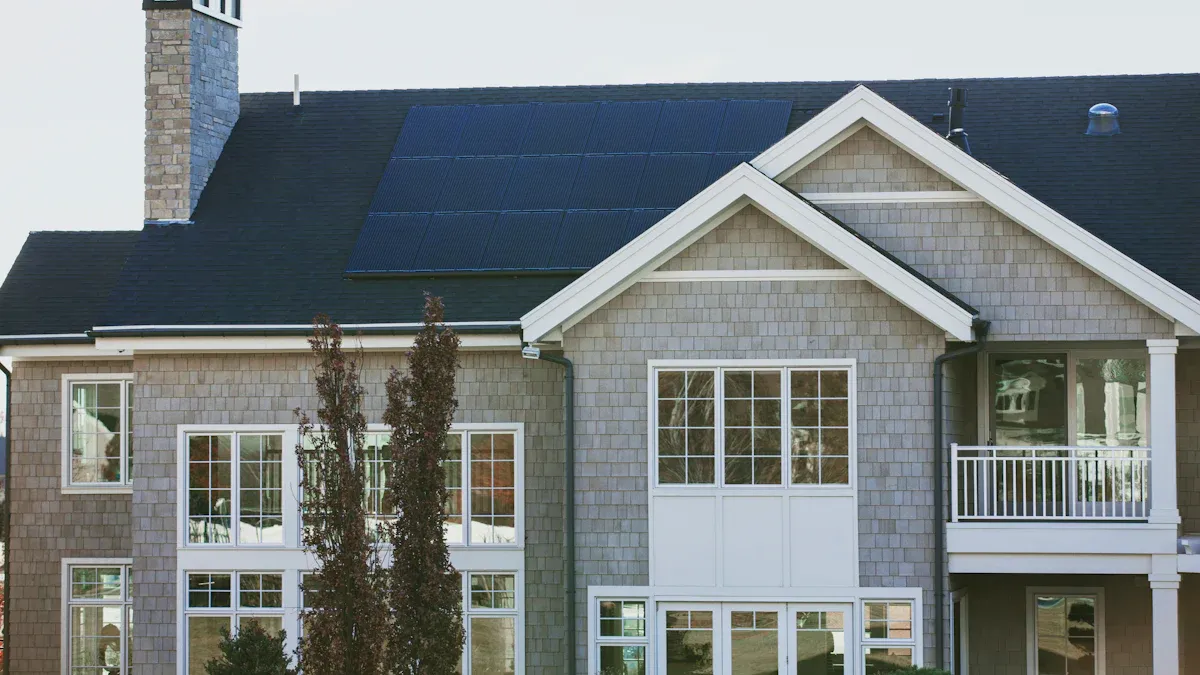
Fiber cement siding lasts a long time. It can stay good for over 60 years. This is twice as long as wood siding. It often lasts 50 to 100 years. Big brands like James Hardie offer this. Nichiha and Allura do too.
Brand | Expected Lifespan |
|---|---|
James Hardie | 50 to 100 years |
Nichiha | 50 to 100 years |
Allura | 50 to 100 years |
Fiber cement works well everywhere. It stops swelling and mold. It resists rot in wet places. It handles cold and snow. It is strong against impacts. It stays put in strong winds. Special coatings stop fading. This protects it in sunny areas.
Maintenance Needs
Fiber cement needs little care. Clean it once a year. Use mild soap and a soft brush. This stops dirt from building up. Look for gaps around windows. Check doors and seams too. This keeps water out. Pre-painted siding lasts 15+ years. Then it needs new paint. Regular paint needs repainting every 3-7 years. Check it every year. Fix small cracks fast. This stops bigger issues. Make sure air flows behind it. This stops water from collecting.
Fiber Cement Pros
Fiber cement siding is tough. It resists fire. It stops rot. It keeps termites away. It is a good long-term buy. It handles bad weather well. You have many design choices. It can look like wood. It can have other textures. This makes it look nice.
Fiber Cement Cons
Fiber cement costs more at first. It costs more than vinyl. Putting it up is harder. It needs special tools. It needs skilled workers. It is also a heavy material. This can make labor costs higher. It needs repainting later. This adds to upkeep costs.
Wood Siding
Durability & Lifespan
Natural wood siding offers a classic look for your home. You can expect wood siding to last between 20 and 40 years. However, high-quality wood types, like cedar or redwood, can last much longer. Cedar siding often lasts 20 to 60 years. Redwood siding typically lasts 30 to 50 years. With consistent care and proper maintenance, some wood siding can even exceed 75 years. This longevity depends on the wood type, climate, and how well you protect it.
Maintenance Needs
Wood siding requires regular maintenance to stay in good condition. You must clean it often to prevent mold and mildew. You should also inspect it for damage, such as rot or insect infestations. Repainting or restaining your wood siding is crucial. This protects the wood from moisture and UV rays. You will need to do this every 3 to 7 years, depending on the finish and weather. Proper maintenance extends the life of your wood siding.
Wood Siding Pros
Wood siding provides a natural, beautiful appearance. You can customize its look with various stains and paints. It is also an environmentally friendly option, as it comes from a renewable resource. Wood offers good insulation for your home. This helps with energy efficiency.
Wood Siding Cons
Wood siding needs more upkeep than many other materials. It is susceptible to rot, pests, and fire. The initial cost can be higher than vinyl. You will also face ongoing costs for painting or staining. This adds to the overall expense of wood siding over time.
Engineered Wood Siding
Durability & Lifespan
Engineered wood siding offers a practical alternative to traditional wood siding. This type of siding usually lasts between 20 and 30 years. Its lifespan depends on the product’s quality and how well you maintain it. Some engineered wood siding products can even last up to 60 years. This makes it a durable choice for your home.
Maintenance Needs
Engineered wood siding is a low maintenance option. You should inspect your siding regularly. Do this at least twice a year, in spring and fall. Look for chips, cracks, fading, or moisture. Clean the siding yearly. Use a soft brush or a low-pressure power washer. For tough stains, use mild detergent and water. Manage mildew and mold with a bleach and water solution. Promptly touch up any scratches or chips. This stops moisture from getting in. Check the caulk often. Make sure sprinklers or soil splash do not hit the boards. You will need to recoat or repaint every 7–10 years. This keeps the finish intact and protects the wood.
Engineered Wood Pros
Engineered wood siding looks like real wood. It comes in many styles and textures. This gives your home a classic look without the high cost of solid wood. It resists pests and moisture better than traditional wood siding. This makes it a strong and reliable choice.
Engineered Wood Cons
Engineered wood siding can cost more than vinyl siding upfront. It still needs painting or staining every few years. If moisture gets into the core, it can swell or warp. This means you must keep the finish in good condition.
Metal Siding
Durability & Lifespan
Metal siding is a very durable choice for your home. It offers a long lifespan. You can expect metal siding to last from 40 to 60 years or even more. Steel siding is known for its superior durability. It can last for 50 years or even longer. This makes it one of the longest lasting siding options available. Aluminum siding also provides good longevity.
Siding Type | Average Lifespan |
|---|---|
Aluminum Siding | 30–40 years |
Steel Siding | 40–50+ years |
Maintenance Needs
Metal siding is a low maintenance siding material. You should clean your metal siding a couple of times each year. Use a garden hose and a soft brush or cloth. Mild detergent helps with tougher stains. Inspect your siding annually. Look for dents, scratches, or loose panels. This is especially important after bad weather. Promptly repair any damage. This prevents corrosion. Use touch-up paint made for metal siding. This stops rust in scratched areas. Replace damaged caulk around windows and doors. This prevents water from getting in.
Metal Siding Pros
Metal siding is very strong. It resists fire and pests. It stands up well to harsh weather. You get a long-lasting exterior for your home. It also offers a modern look. You can find it in many colors and finishes.
Metal Siding Cons
Metal siding can be more expensive to install than vinyl. It can dent if hit hard. Some types might fade over time. You might also hear noise during heavy rain or hail.
Brick & Stone Siding
Durability & Lifespan
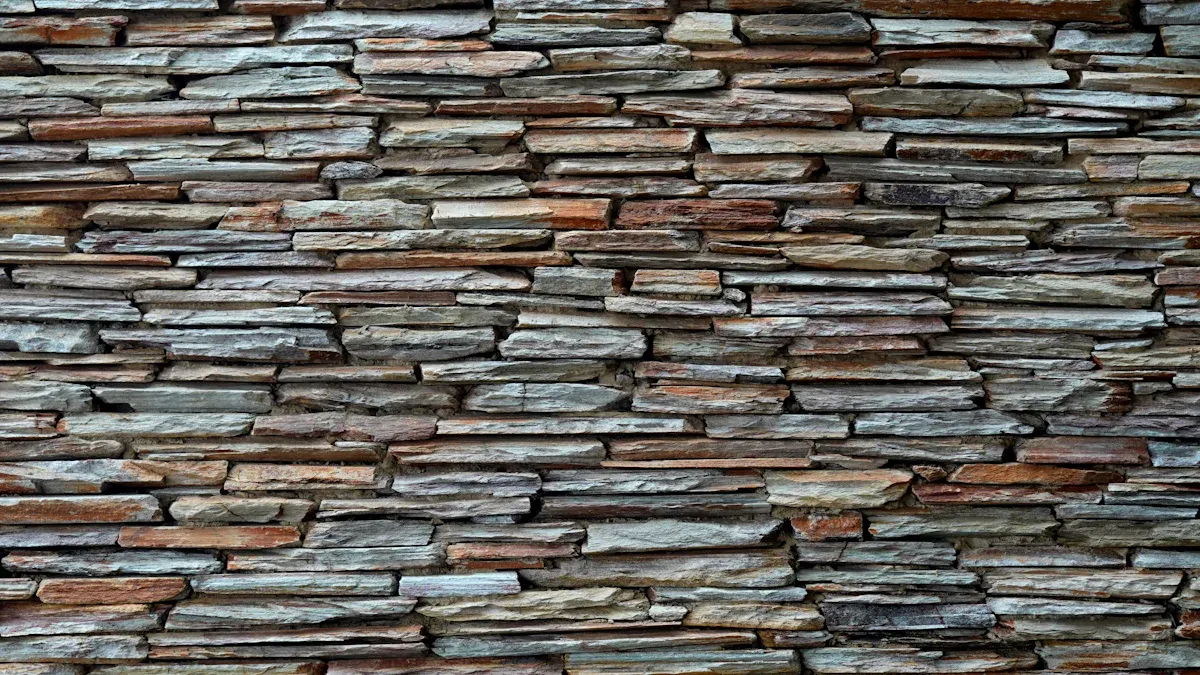
Brick and stone siding lasts a very long time. They are strong choices for your home. Natural stone can last over 100 years. It can last as long as your house. Fake stone usually lasts more than 50 years. Brick siding also lasts many decades. It is a smart choice for the future.
Maintenance Needs
Brick and stone siding needs little care. Clean it once a year. Use a soft brush. Use soapy water. This removes dirt. For tough stains, use warm water. Add white vinegar or bleach. Do not use strong cleaners. If you use a power washer, use a low setting. Stand one foot away.
Check the mortar often. This is called repointing. You take out old mortar. You put in new mortar. This keeps walls strong. It stops water from getting in. Make sure water drains well. Clean gutters often. Keep plants away from the siding. This helps air move. You can use a sealant. It stops water from pooling. Look for cracks. Check for loose stones. Look for pests sometimes.
Brick & Stone Pros
Brick and stone siding is very tough. It stops fire well. It keeps pests away. It handles bad weather. This siding keeps your home warm. It keeps it cool too. Your home will look classic. It will look good for a long time.
Brick & Stone Cons
Brick and stone siding costs a lot at first. It costs more than other types. Putting it up is hard. It needs special workers. This makes labor costs higher. Repairs can be hard. They can cost a lot. You do not have many color choices. Colors are usually natural.
Stucco Siding
Durability & Lifespan
Stucco is a strong siding. It lasts a long time. It works well in dry places. It protects your home. It also keeps heat in or out. But weather changes how long it lasts. Bad weather can harm stucco. It can cause tiny cracks. It can wear away. Water can get in. Wet summers and cold winters are bad. Freezing and thawing hurt stucco each year. Salt air near coasts also causes damage. You need to check it more often there. You also need to fix it more. This keeps the stucco looking good.
Maintenance Needs
Stucco needs regular care. This keeps it strong. You must control water. Make sure it has good waterproofing. Fix leaks fast. Control inside moisture. Use dehumidifiers if it’s wet. Make sure air flows well. Use fans in wet rooms. Check air systems often. Clean stucco often. Remove dirt. Use mold stoppers sometimes. Check for mold fast. Fix it quickly. Look at your stucco every year. Check for cracks. Look for stains. Feel for soft spots. Fix small cracks with caulk. Use stucco patch for bigger holes. This stops water from getting in.
Stucco Pros
Stucco siding is very strong. It stops fire well. It also insulates great. This keeps your home warm. It keeps it cool too. You can pick many looks. You can pick many colors. This makes your home special. Stucco lasts long with good care.
Stucco Cons
Stucco can crack easily. This is true in wet places. It needs more care in wet areas. Fixing it can be hard. You might need experts. It costs more to put in at first. Water behind stucco can cause big problems.
Siding Comparison
Key Attributes Overview
You can compare home siding types. Look at their strengths. Each one has good points. See how they handle hits. See how they handle weather. See how much care they need.
Siding Material | Impact Resistance | Temperature Sensitivity | Moisture Vulnerability | Wind Resistance | Overall Longevity/Maintenance |
|---|---|---|---|---|---|
Plastic Siding | Breaks easily from hail. | Heat warps it. Cold makes it crack. | It does not rust. | Strong winds can rip it. | Sun harms it. Hard to fix. Fails in storms. |
Wood Siding | You can fix it. | N/A | It soaks up water. This causes rot. | N/A | Needs much care. Pests like it. It can catch fire. |
Metal Siding (Steel) | Very strong. Resists hail. | N/A | Keeps water out. | Handles strong winds. | Needs little care. Pests avoid it. Resists fire. Lasts long. |
Metal Siding (Aluminum) | Snowballs dent it. Hail dents it. | N/A | Water does not harm it. | N/A | Needs little care. Can rust without coating. |
Fiber cement siding is strong. It works well in cold. It works well in wet. It stops rot. It stops pests. Vinyl siding is popular. It resists water. It handles heat changes. Engineered wood resists water. It handles heat changes. Brick siding is very strong. It needs little care. Metal siding also needs little care.
Cost Range Comparison
Siding costs are very different. Think about materials. Think about putting it on. Here are general costs. These are per square foot.
Siding Type | Cost per Square Foot |
|---|---|
Vinyl | $3 – $12 |
Composite Wood | $1 – $6 |
PVC Cladding | $11 – $16 |
Fiber Cement | $5 – $14 |
Wood | $1 – $15 |
Metal | $1 – $35 |
Engineered wood costs $9 to $15. Composite siding costs $9 to $15. This includes putting it on. Stone veneer costs $12 to $20+. Stucco costs $12 to $20+.
Environmental Impact
Think about the earth. Your siding choice matters.
Wood Siding: It grows back. It makes less carbon. But paint makes waste.
Fiber Cement Siding: Making it uses much energy. It is not easy to recycle.
Vinyl Siding: It comes from oil. Making it can release bad chemicals. Recycling is getting better.
Metal Siding: Making it uses much energy. But you can recycle it. It often uses old metal.
Composite Siding: It uses old materials. It uses less energy. It makes less trash.
Choosing Your Siding
Assessing Needs
Think about your home’s needs. Consider your local weather. How will the siding handle heat? How will it handle cold? What about storms? Think about how much care it needs. Do you want easy care? Or is more work okay? Look for good energy saving. Good insulation saves money. Make a budget. This helps you choose. Look into ways to pay. Better siding costs more at first. But it lasts longer. It needs less care later.
Professional Consultation
Find a good contractor. Check their licenses. This shows they are legal. Make sure they have insurance. This protects you. Ask about special training. James Hardie needs special training. Certified workers install it right. This keeps your warranty. A good contractor helps you choose.
Long-Term Investment
Good siding helps your home. It can cut energy use by 20%. This means lower bills. Insulated vinyl resists heat. Better materials mean fewer fixes. You save money on upkeep. Good materials like fiber cement and vinyl pay off. They can return 94.7% of the cost. This makes your home look better. It protects it for many years.
Picking the right siding for your home has many parts. You learned about different kinds of siding. The best siding depends on what you need. You must think about how long it lasts. You must think about the cost. Also, think about how much care it needs. Think about how it looks. Each siding type has good points. Think about all these things. Ask experts for help. Do this before you pick your siding. This helps you choose the best siding for your home.