
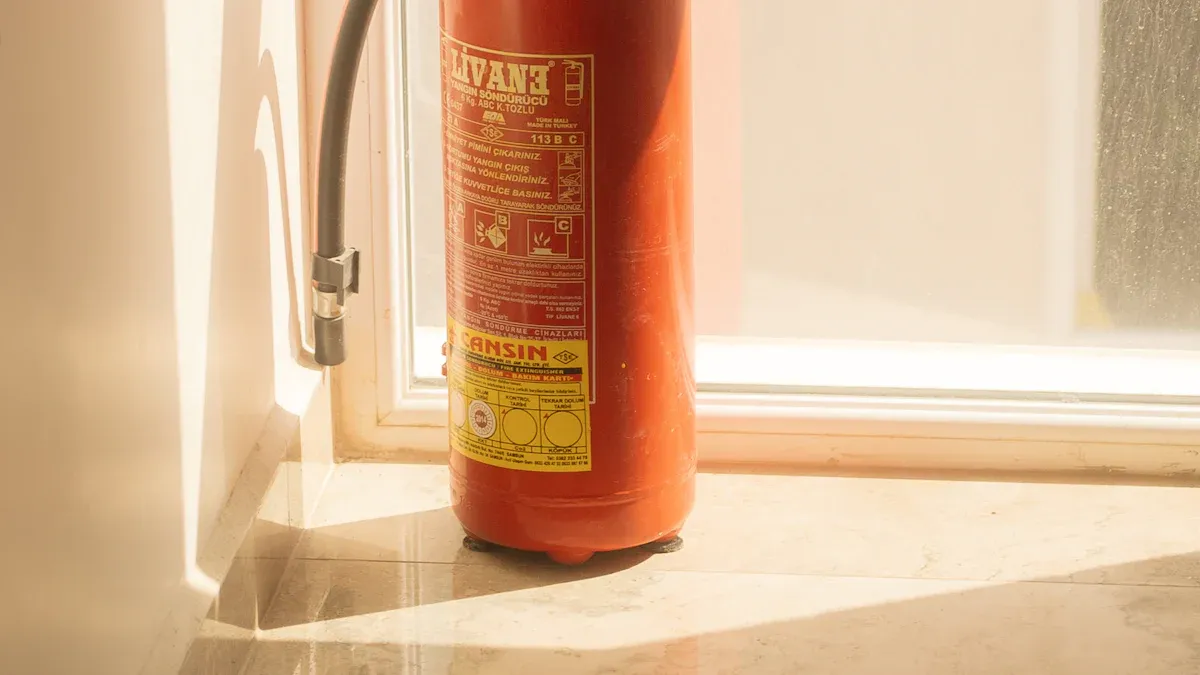
Home fire safety is critically important. It protects lives, prevents injuries, and safeguards your property. Fires can happen to anyone, so preparedness is key for any emergency. Consider these statistics from 2023:
Category | 2023 |
|---|---|
Fires (general) | 1,389,000 |
Fire Deaths (general) | 3,670 |
Fire Injuries (general) | 13,350 |
Fire Dollar Loss (general) | $23,219,000,000 |
Residential Building Fires | 344,600 |
This post helps you understand essential equipment, effective planning, and vital prevention strategies. You will gain knowledge to make your home safer. This builds strong home fire preparedness.
Essential Home Fire Safety Equipment
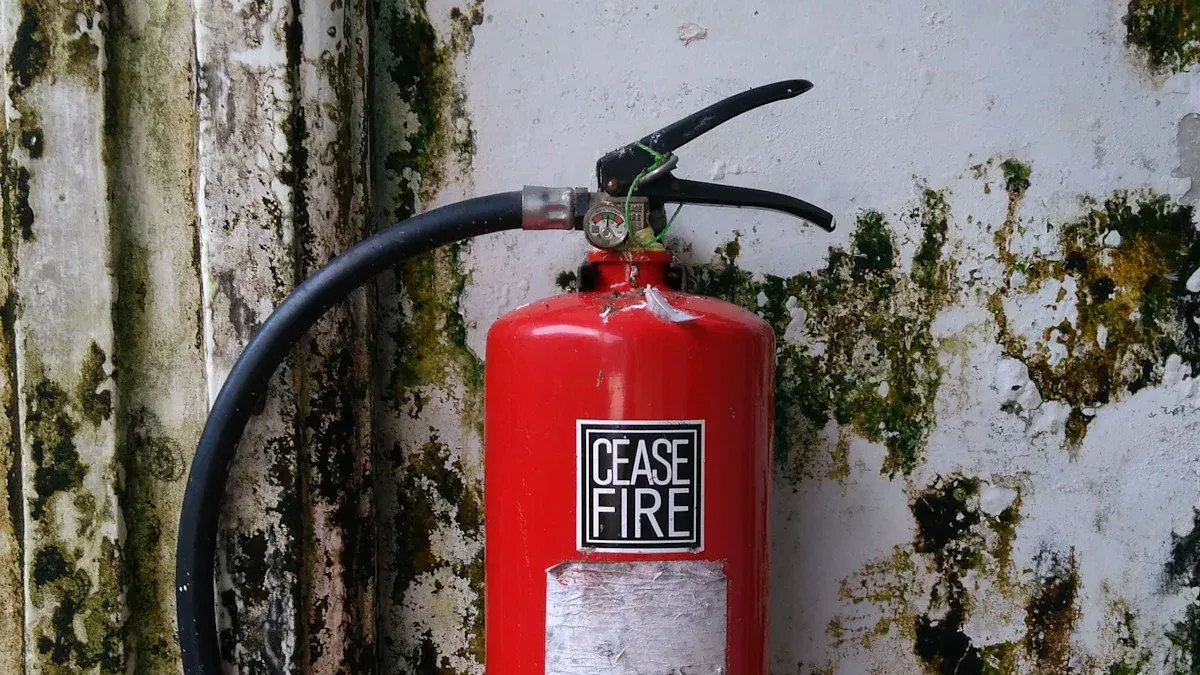
You need the right tools to protect your home from fire. This section details the essential equipment for your home’s fire safety. You can significantly reduce risks with these items.
Smoke Alarms: First Line of Defense
Smoke alarms are your earliest warning system against fire. They are crucial for your home’s safety. You have different types of smoke alarms available.
Ionization smoke alarms detect fast flaming fires. These fires often start quickly, like those from cooking or flammable liquids. Ionization alarms use electrically charged plates to sense smoke.
Photoelectric smoke alarms detect slow, smoldering fires. These fires burn slowly and produce a lot of smoke. Photoelectric alarms use a light source and sensor. Smoke scatters the light, triggering the alarm.
Dual-sensing smoke alarms combine both technologies. They offer the best protection. These alarms remove the guesswork. They give you the earliest possible warning for any type of fire.
You must place smoke alarms correctly. The National Fire Protection Association (NFPA) recommends specific locations:
Install a smoke alarm inside each bedroom.
Place one outside each sleeping area.
You need an alarm on every level of your home, including basements.
Install one in main living areas, like your living room.
Put an alarm at the base of stairs leading to an upper level.
Mount alarms high on walls, no more than 12 inches below the ceiling. If you have pitched ceilings, place the alarm within three feet of the peak. Avoid placing alarms near cooking appliances, furnaces, or fireplaces. Keep them at least 10 feet away to prevent false alarms. Also, avoid areas near doors, windows, or ducts that create drafts. These drafts can interfere with smoke detection.
Test your smoke detector monthly. Change batteries annually. Replace the entire smoke alarm unit every 10 years. Consider interconnected alarms. When one alarm sounds, all alarms in your home will sound. This provides maximum warning.
Carbon Monoxide Detectors: The Silent Threat
Carbon monoxide (CO) is a colorless, odorless gas. It is extremely dangerous. A carbon monoxide detector protects you from this silent threat. Your red blood cells prefer carbon monoxide over oxygen. This leads to oxygen deprivation in vital organs like your brain and heart. Severe exposure can cause loss of consciousness and suffocation quickly. Lingering problems can include breathing difficulties or memory loss.
Common symptoms of carbon monoxide poisoning include headache, dizziness, weakness, and nausea. People often describe these as “flu-like.” High levels of CO can cause unconsciousness or death. This is especially true for people who are sleeping.
You need a carbon monoxide alarm on each level of your home. Place them especially on levels with fuel-burning appliances. Install them outside sleeping areas. You can also place additional carbon monoxide alarms 5-20 feet from CO sources. These sources include furnaces, water heaters, or fireplaces. Choose locations free of obstructions. Avoid placing the detector in dead air spaces or next to a window or door. Maintain your carbon monoxide alarm by testing it regularly and replacing it as recommended by the manufacturer.
Fire Extinguishers: Knowing Your ABCs
A fire extinguisher can put out small fires. You must know how to use it. You also need to know when to evacuate instead. Different types of fires require different extinguishers.
Fire Class | Common Fuels | Characteristics | Effective Extinguisher Types |
|---|---|---|---|
Class A | Wood, paper, cloth | Involve solid materials | Water, Foam, Dry Chemical (ABC) |
Class B | Flammable liquids, gases | Involve liquids or gases | Foam, Carbon Dioxide, Dry Chemical (ABC, BC) |
Class C | Electrical equipment | Involve electrical current | Carbon Dioxide, Dry Chemical (ABC, BC) |
Class D | Combustible metals | Metals burning at high temperatures | Dry Powder (specific for Class D) |
Class K | Cooking oils, fats | High-temperature cooking oils | Wet Chemical (specifically for Class K) |
You should have an ABC multi-purpose fire extinguisher in your home. Place them in your kitchen, garage, and near exits. For kitchen fire safety, consider stove top fire suppression units as an additional measure.
You use the ‘PASS’ method to operate a fire extinguisher:
Pull: Pull the pin at the top of the extinguisher. This allows discharge.
Aim: Aim the nozzle at the base of the fire. Target the source, not the flames.
Squeeze: Squeeze the handle firmly. This releases the extinguishing agent.
Sweep: Sweep the nozzle from side to side across the base of the fire. Continue until the fire is out. Watch for re-ignition.
Only use an extinguisher if the fire is small and contained. If the fire is too large, evacuate immediately. Call 9-1-1. Knowing how to use a fire extinguisher is important, but your safety comes first.
Escape Ladders: For Multi-Story Homes
An emergency escape ladder is vital for multi-story homes. It provides an alternative exit if stairs are blocked. When you choose a fire escape ladder, ensure it meets safety standards. The primary safety standard for residential escape ladders is ASTM F2175. This standard outlines minimum safety criteria. It covers structural integrity, load capacity, and ease of deployment. Many compliant fire escape ladder options are available.
Store your emergency escape ladder properly. Keep it accessible near windows. Practice deploying your fire escape ladder. This ensures everyone knows how to use it during an emergency. Regular checks are also important. Inspect the ladder for wear and tear. Replace it if needed. Teach all family members how to use the emergency escape ladder. This includes its folding and locking mechanisms. Consistent oversight ensures your fire escape ladder is ready when you need it most. These fire safety tips help keep your family safe.
Creating Your Home Fire Escape Plan
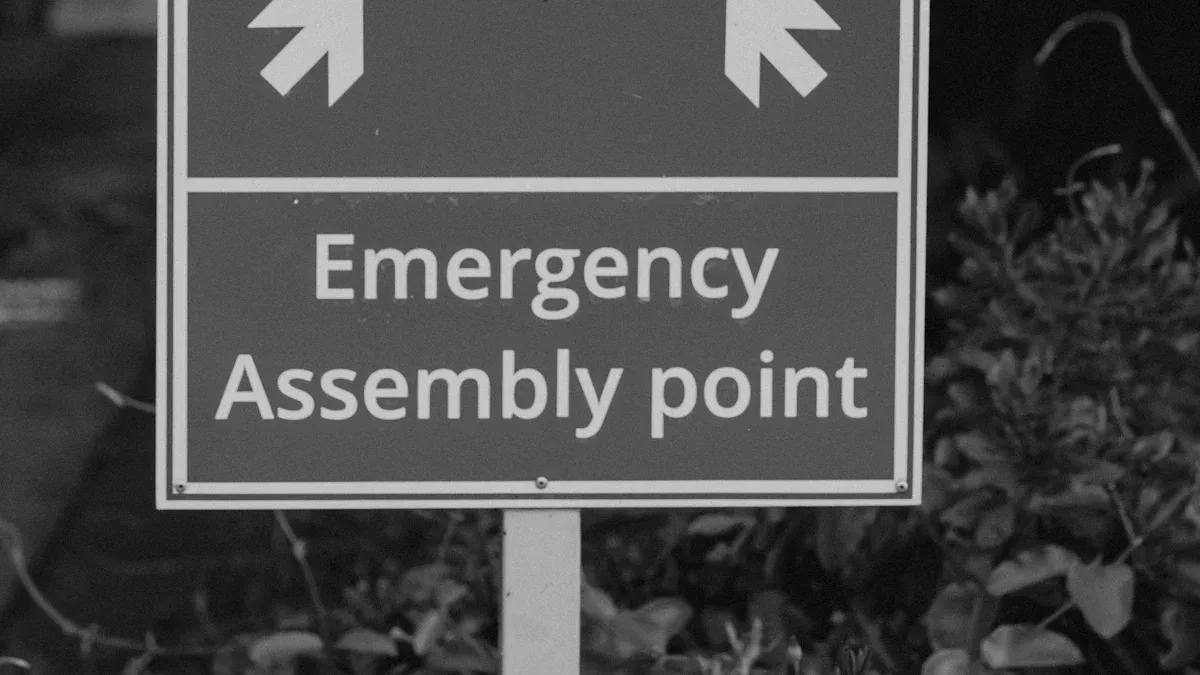
You need a comprehensive fire safety plan for your home. This plan guides your family to safety during a fire. A well-practiced plan reduces panic and saves lives.
Mapping Exits and Escape Routes
Start by drawing a floor plan of your home. Mark all doors and windows as potential exits. You need at least two escape routes from every room. This ensures you have options if one exit is blocked. Use visual aids like color-coded arrows on your floor plan. Bold arrows can show primary routes. Dotted lines can represent secondary routes. Include a clear ‘You Are Here’ point on your map. This helps everyone orient quickly. You must also mark all emergency exits and staircases.
Designating a Safe Meeting Place
Establish a designated outdoor meeting spot. This place should be a safe distance from your home. A neighbor’s mailbox or a specific tree works well. Choose a memorable and accessible location. Consider safety concerns like adequate ground cover and proper lighting. Ensure the pathways to this spot are wide and even. This meeting place helps you account for everyone after an emergency.
Practicing Your Plan Regularly
Practice your fire safety plan regularly. Conduct home fire drills at least twice a year. Vary the times to include both day and night scenarios. This prepares your family to escape from different locations. Practice using alternative exits if a primary route is blocked. Review what went well after each drill. Identify areas for improvement. This feedback enhances future drills.
Special Needs and Pet Safety
Consider special needs for vulnerable family members. Children and the elderly may need assistance. Assign responsibilities and create a ‘buddy’ system. For individuals with mobility impairments, explore specific tools. These include specialized chairs for stair descent or transport boards. Ensure good communication systems are in place. This includes audible alarms with voice communication. Adapt living spaces with accessible entrances. Develop personalized escape plans. Include your pets in your family fire safety plan. Know their hiding spots. Assign someone to get them if it is safe.
Key Fire Prevention Strategies for Your Home
You can significantly reduce the risk of a fire in your home. This section covers crucial fire prevention strategies. These tips help you keep your family and property safe.
Kitchen Fire Safety: Preventing Home Blazes
Your kitchen is often the heart of your home, but it is also where many fires start. Cooking is the leading cause of home fires and injuries. Unattended equipment is the primary factor. It contributes to 37% of nonconfined home cooking fires. A significant majority of kitchen fires, injuries, and fatalities come from cooking oil, fat, grease, and similar substances. An unattended appliance is the leading factor in these incidents. You must stay in the kitchen when you cook. Never leave cooking food unattended.
To prevent grease fires and ensure overall fire safety in the kitchen, follow these guidelines:
Monitor Heat Levels: Use a thermometer for deep-frying. Ensure stove settings match recipe needs. This prevents oils from reaching their smoke point and igniting.
Clean Regularly: Keep stovetops, hoods, and exhaust fans clean. This prevents grease buildup, which can easily catch fire.
Avoid Overcrowding: Do not have too many pans on the stove. This prevents oil splashes when you add food. Splashes can lead to spills and fires.
Prevent Splashing Oil: Use a lid or screen when frying. Avoid overcrowding the pan. Dry wet food before adding it to hot oil.
Keep Combustibles Away: Store flammable materials like paper towels, curtains, or wooden utensils at least three feet away from stoves and ovens.
Maintain Equipment: Ensure cooking equipment like burners and appliances work correctly. Regular maintenance prevents malfunctions that could cause fires.
If a grease fire starts, act quickly and safely:
Turn Off the Stove: Immediately cut off the heat source. If the fire is in the oven, keep the door closed and turn off the heat.
Cover the Flames: Use a metal lid or baking sheet to smother the fire. This cuts off oxygen. A damp towel can also work if a lid is not available. Do not use glass.
Use Baking Soda or Salt: For small fires, these can smother flames. Baking soda releases carbon dioxide. Salt absorbs heat.
Use a Fire Extinguisher: If the fire is too large to cover or smother, use a Class B or Class K extinguisher. Follow the PASS method: Pull the pin, Aim at the base, Squeeze the handle, Sweep side to side. Ensure the extinguisher is in date and accessible.
Call Emergency Services: If the fire spreads, or you are unsure about extinguishing it, call 911 immediately and evacuate.
Never pour water over hot oil. Water vaporizes rapidly. This causes the oil to splatter and spread the fire, creating a dangerous fireball. Do not use flour or water. These substances can worsen a grease fire. Do not remove the pan from the burner or place it in the sink. This can cause oil to splash and burn you. Also, do not remove the lid from the pan. Removing the lid may cause the fire to re-ignite.
Electrical Fire Safety: Avoiding Overloads
Electrical issues are a common cause of home fires. You can prevent these fires by understanding the risks. Watch for warning signs of an overloaded electrical circuit or faulty wiring:
Flickering Lights: Lights may dim or flicker if an electrical circuit is overloaded. This often happens when too many energy-intensive appliances are on the same circuit.
Bad Smells: A foul odor from outlets, the breaker box, or appliances can indicate wiring problems.
Sparks: Sparks from an appliance, breaker panel, or fuse box are a serious sign of an electrical issue.
Tripped Breakers: Frequent circuit breaker trips signal an overloaded circuit. If a specific appliance always trips it, that appliance might be the cause. If an outlet trips regardless of what you plug in, it is likely an overload.
Buzzing: Electrical appliances should not make buzzing sounds. This can indicate a problem with an outlet or wiring.
Use extension cords and power strips safely to avoid electrical fires:
Always inspect extension cords and power strips for damage before use. Look for exposed wires, scorching, or smoke marks. Discard damaged items.
Avoid overloading outlets or circuits. Do not exceed 80% of a circuit’s maximum load. For example, this is 1,800 watts for a 15-amp circuit or 2,400 watts for a 20-amp circuit.
Do not daisy-chain power strips or extension cords. If you daisy-chain extension cords, ensure they have the same gauge and power rating.
Only use cords and power strips rated for outdoor use when outdoors. Indoor-rated items are not waterproof or robust enough.
Use extension cords only for temporary power needs. They are not permanent solutions. Consider longer power strips or professional outlet installation for permanent needs.
Utilize GFCI (Ground Fault Circuit Interrupter) protection when you use electricity outdoors or near water sources.
Unplug small appliances when you do not use them. Check for frayed wires on all appliances and cords. If your home has old wiring, consider a professional inspection. This helps ensure your electrical system is safe.
Heating Fire Safety: Safe Appliance Use
Heating equipment is another common source of home fires. Proper maintenance and safe practices are essential for fire prevention.
Furnace Maintenance: Have your furnace professionally inspected and cleaned annually. This ensures it operates safely and efficiently.
Clearance from Heat Sources: Keep all combustible materials at least three feet away from heat sources. This includes fireplaces, wood stoves, radiators, space heaters, and candles.
For example, a single wall stove pipe needs 18 inches of clearance to combustible walls. A double wall stove pipe needs 6 inches.
An unlisted stove needs at least 18 inches of floor protection on all sides.
The top of a stove needs 48 inches of clearance to a combustible ceiling.
Space Heater Safety: Place space heaters on a level, non-flammable surface. Plug them directly into a wall outlet. Never use an extension cord with a space heater. Turn off space heaters when you leave a room or go to sleep.
Fireplace Safety: Use a sturdy screen in front of your fireplace to catch sparks. Have your chimney inspected and cleaned by a professional every year.
Never use a stove range or oven to heat your home. This practice is extremely dangerous. Gas stoves are a common source of indoor air pollution. They release particulate matter and nitrogen oxides. Homes with gas stoves can have nitrogen dioxide (NO2) levels 50% to 400% higher than those with electric stoves. Exposure to NO2 can lead to difficulty breathing, wheezing, and chronic respiratory conditions like asthma. Unburned natural gas contains benzene, a known carcinogen. It can leak into the air from gas appliances. Medical experts consider nitrogen dioxide the biggest concern. It can irritate airways and contribute to asthma development.
Smoking Fire Safety: Reducing Risks
Smoking materials can cause serious fires if you do not handle them carefully. You can reduce these risks with simple fire safety practices.
Smoke Outside: If you smoke, do so outside your home. This greatly reduces the risk of an indoor fire.
Use Sturdy Ashtrays: Use deep, sturdy ashtrays. They should not tip over easily. Place them on a stable surface.
Never Smoke in Bed: Falling asleep with a lit cigarette in bed is extremely dangerous. It can quickly ignite bedding and furniture.
Ensure Butts are Fully Extinguished: Always ensure cigarettes are completely extinguished every time. Do not leave lit smoking materials unattended. Apply water to ashes and butts to confirm they are fully out before discarding them in the trash. Utilize an ashtray or a bucket filled with sand for extinguishing cigarettes.
Candle Fire Safety: Safe Practices
Candles create a nice ambiance, but they are also a fire hazard. You must use them safely.
Keep Away from Flammables: Place candles at least 12 inches away from flammable items. This includes curtains, garlands, holiday décor, clothing, books, and paper.
Use Sturdy Holders: Use sturdy, non-flammable candle holders. They should not tip easily. They should also be large enough to collect dripping wax.
Stable Surfaces: Place candle holders on a sturdy, uncluttered surface. Avoid placing candles near doorways, walkways, or crowded tables.
Never Leave Unattended: Extinguish all candles when you leave a room or go to sleep. Never leave a child unattended in a room with a lit candle. Children should not sleep in a room with a lit candle.
Out of Reach: Keep candles well out of reach of children and pets. Never allow children to light or handle them.
Consider Alternatives: Use flameless LED candles as a safe alternative. This is especially true in households with young children or pets. Electric and battery-powered devices, reed diffusers, air fresheners, wax melts, and room sprays are also great options for home ambiance.
Flammable Materials: Safe Storage
Proper storage of combustible and flammable liquids is crucial for fire prevention.
Store Away from Heat: Keep flammable liquids like gasoline, paint thinners, and cleaning solvents away from heat sources. This includes furnaces, water heaters, and direct sunlight.
Approved Containers: Store these materials in properly labeled, non-glass safety containers. Metal containers are recommended over plastic ones.
Ventilation: Store flammable liquids in a well-ventilated area. Adequate ventilation near the ground is essential. This prevents the buildup of dangerous gas mixtures.
Quantity Limits: Do not store large quantities of flammable liquids in your home or garage. For example, a maximum of 20 liters (5.3 gallons) of gasoline or diesel is permissible for storage in garages up to 100 square meters (1,076 square feet).
Portable Generator Safety
Portable generators provide power during outages, but they pose serious risks if you do not use them correctly.
Never Use Indoors: Always operate a portable generator outdoors. Never run a generator indoors, in a garage, basement, crawlspace, or under a carport. This is true even with doors open. Improper generator use can lead to carbon monoxide (CO) poisoning. CO is a colorless, odorless gas that can be fatal within minutes.
Outdoor Ventilation: Position the generator at least 20 feet from windows, doors, and vents. Direct the exhaust away from the building. Install working CO alarms in your home.
Refueling Safety: Turn off the generator and let it cool down before refueling. Gasoline spilled on hot engine parts could ignite. Never refuel a running portable generator. Store fuel outside of living areas in properly labeled, non-glass safety containers. Never store fuel near a fuel-burning appliance. Vapors can ignite from pilot lights or electric arcs.
Outdoor Fire Safety: Grills and Pits
Outdoor cooking and fire features are popular, but they require careful handling to prevent a fire.
Safe Distance: Position your grill or fire pit at least 10 feet away from any structures or combustible materials. This includes your home, shed, deck, fences, and even low-hanging tree branches. The National Fire Protection Association (NFPA) generally recommends a minimum clearance of 10 to 20 feet. For vertical clearance, a safe standard is at least 20 feet. Do not set up fire pits under string lights or power lines.
Stable Surface: Place your fire pit on a stable, even, fire-resistant surface. Avoid placing wood-burning fire pits on wood decks due to intense heat.
Supervision: Never leave a fire pit unattended. Watch children and pets closely when you use the fire pit. Make sure everyone sits a safe distance from the fire.
Fire Suppression: Have a readily available fire extinguisher, a bucket of water, or a garden hose nearby. This helps you quickly douse any potential flare-ups.
Extinguishing Coals and Embers:
Oxygen Cut-Off Method (for Grills): Close the grill lid and shut all vents. This deprives coals of oxygen. Leave it closed for up to 48 hours to ensure full cooling. Once cold, clean out ashes using a metal scoop.
Water Dousing Method (for Faster Cooling): Wait until coals have mostly burned down. Wearing heat-resistant gloves, slowly sprinkle water over coals. Avoid dumping water to prevent steam and grill damage. Gently stir with a charcoal tool to ensure all embers are extinguished. Once cool, collect ash and residue into a metal bucket for disposal.
Safety Tips: Never pour water directly on active, flaming coals. Always use gloves and appropriate tools. Allow coals to cool completely before disposing of ashes. Use only metal containers for ash disposal, not plastic. Keep ash buckets outdoors and away from flammable materials.
Fire safety is an ongoing commitment. It is not a one-time task. You need proper equipment. You must have a well-rehearsed escape plan. Diligent prevention is powerful. Take immediate steps to improve your home’s fire safety. Prioritize the safety of your loved ones and your home. Make your home a safe place from fire.