

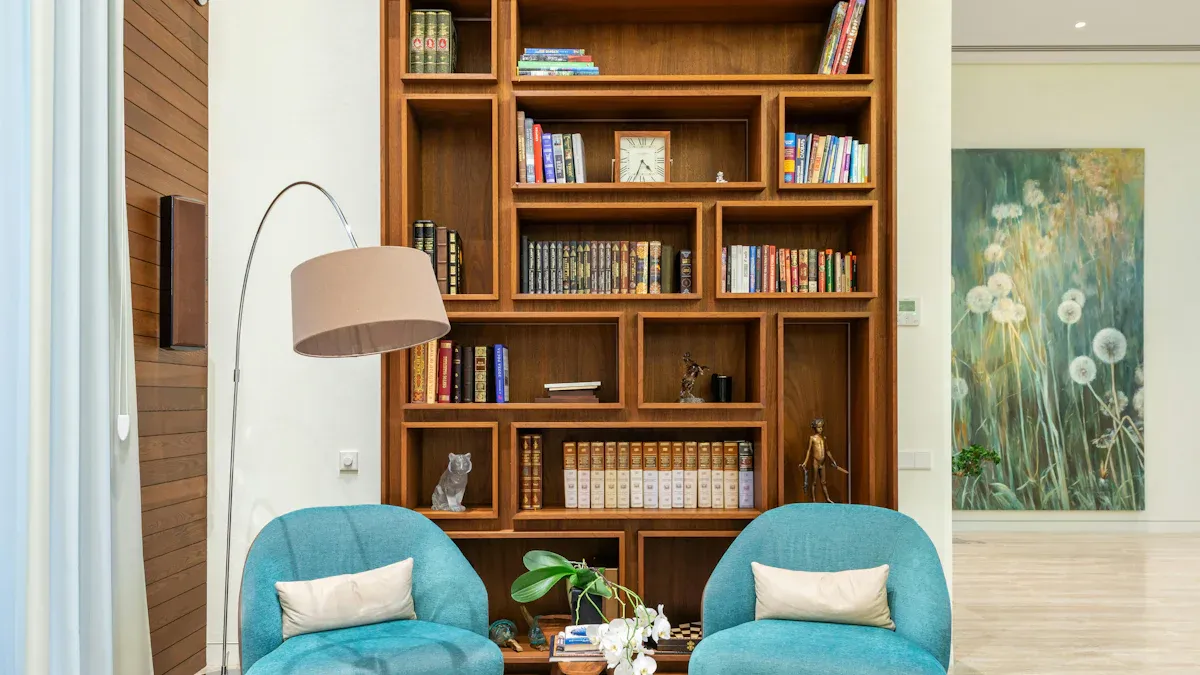
Do you ever feel your home just seems “off” or disconnected, despite having many beautiful individual pieces? You want your space to feel unified. A cohesive interior goes beyond just matching items. It emphasizes unity, harmony, and intentionality in your design. This blog provides home décor fundamentals and practical steps. You can transform a disjointed space into a beautifully unified home. A cohesive interior design enhances comfort, reducing stress and elevating your mood. It also improves flow and truly reflects your personal style. Such inviting spaces foster overall well-being.
Cohesion in Home Decor
Defining Cohesion for Your Space
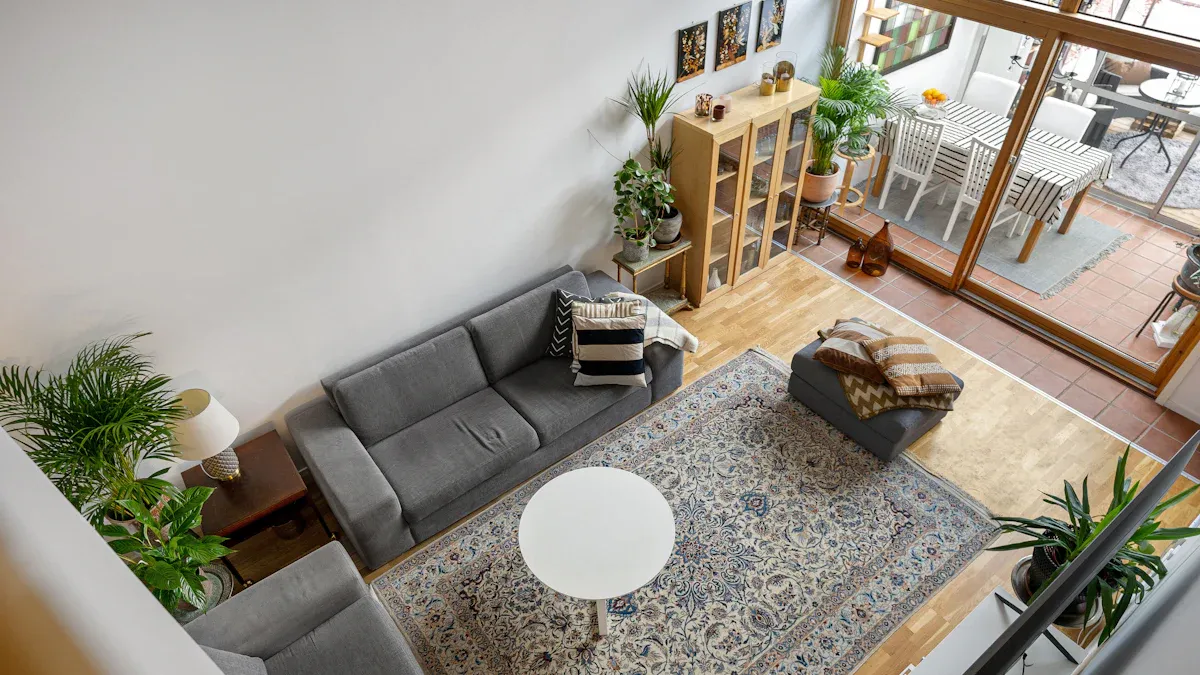
Cohesion in your home’s interior design means unity through variety. It is not just about matching every item. Instead, you create a harmonious look where all elements work together. You want your space to feel connected and intentional. To achieve this, you start with a whole-home vision. You envision the overall feeling you want your home to evoke. This ensures all your design decisions align with a consistent style. You also repeat key elements throughout your home. This includes:
Architectural features
Consistent color palettes (3-5 core hues)
Hardware and fixtures (e.g., brass or polished nickel)
Textiles (similar patterns or materials)
Wood tones (within a similar range) You use transition spaces like hallways to maintain visual flow. You carry your color palette from room to room. This creates a unified interior.
Why Cohesion Elevates Your Home
A cohesive interior design significantly enhances your home. It improves comfort, flow, and aesthetic appeal. When each room flows smoothly into the next, it creates a sense of harmony. This makes your home more inviting. A well-designed luxury property features a cohesive design theme. This theme reflects the home’s architecture and your tastes. The continuity of design elements throughout the property adds immense value. These thoughtfully designed spaces, where form merges with function, exude harmony. They greatly appeal to buyers who appreciate attention to detail. A cohesive design scheme can also raise the perceived value of your property. It creates a unified theme. This makes your home aesthetically pleasing.
Common Design Pitfalls to Avoid
Many people make common mistakes that lead to a disjointed aesthetic. One major pitfall is forgetting to consider the big picture. You might focus on small elements like throw pillows. However, you neglect how everything works together. This leads to an unfocused design. You must create a cohesive look that flows from room to room. Ensure color schemes and furniture styles complement each other. Other common mistakes include:
Selecting colors that clash: Choosing colors that do not complement the home’s overall ambiance creates a jarring feel.
Choosing mismatched furniture: Selecting furniture that does not align with your home’s style results in an unappealing look. These errors prevent your home from having a unified interior.
Foundational Interior Design Basics
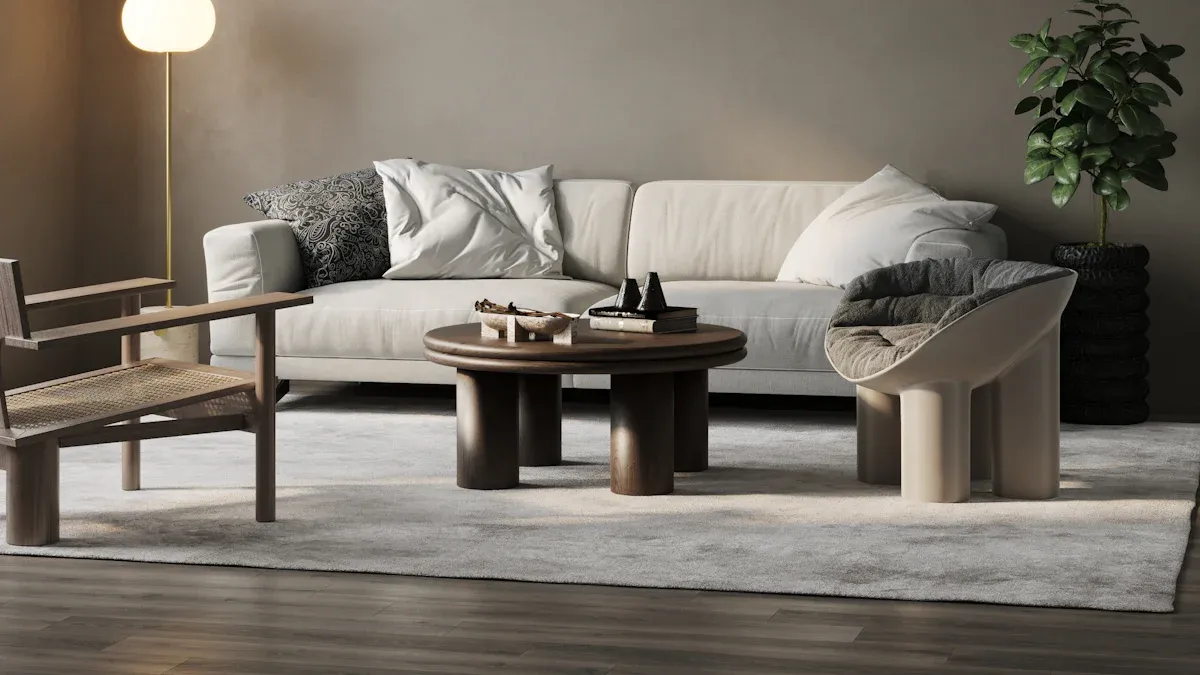
You want to create a cohesive home. You must understand the core elements that make up any successful design. These interior design basics provide the framework for every decision you make. Balancing these elements is crucial for a unified interior.
The Seven Elements of Interior Design
You build your interior design on seven fundamental elements. These key elements of interior design are:
Space: This is the fundamental framework for all interior decorating. You assess it at the start of any project. It involves balancing positive space (filled with elements) and negative space (intentionally left empty). This affects both functionality and aesthetic appeal.
Line: Lines direct your eye. They create stability and direction. You see horizontal lines in furniture and counters. Vertical lines appear in windows and doors. Dynamic lines are diagonal or curved. They define flow.
Light: Light establishes a room’s mood. It includes natural and artificial sources. Natural light creates openness. Artificial light fosters intimacy. Light dramatically alters a room. It influences the impact of texture, lines, and color.
Color: Color is a fundamental aspect. You use it to unify a space with complementary tones or create emphasis.
Texture: You experience texture visually and tactilely. Texture adds history and permanence to spaces. It defines styles. It creates illusions or palpable sensations.
Pattern: Pattern introduces repeating shapes, themes, and textures. It creates emphasis, contrast, and rhythm. Pattern unifies larger spaces. It influences scale and proportion, especially in fabrics, wallpaper, and tiling.
Form: Form represents the shape of the space and its contents. This includes the shapes lines create. You must consider proportion. This ensures elements neither overwhelm nor get lost in the space.
Professional designers balance these elements. They use symmetrical, asymmetrical, and radial balance. This creates visual equilibrium. They ensure all objects complement each other. This prevents any single item from standing out. They create rhythm through repetition of patterns, color, or textures. They ensure objects are proportionate to the room’s size. They create focal points using color or texture. They use contrast to add drama. They pay attention to details. This ties the entire design together.
Crafting a Unified Color Palette
A unified color palette is essential for cohesion. You can use the 60-30-10 rule. This rule suggests allocating 60% of a room’s color to a dominant hue. You allocate 30% to a secondary color. You allocate 10% to an accent color. This framework helps you achieve balance and visual interest.
Here is how you apply it:
The 60% (Dominant Color): This hue forms the main backdrop of the room. You apply it to large elements like walls, rugs, and significant furniture. It sets the overall mood. It establishes a cohesive foundation.
The 30% (Secondary Color): This color adds depth and interest. It is often a complementary or contrasting hue. You use it for elements such as window treatments, upholstered furniture, or an accent wall.
The 10% (Accent Color): This is a bolder, more vibrant color. It provides a pop of personality. You incorporate it through decorative items like throw pillows, artwork, and accessories.
For example, a living room might have soft beige as 60% of the space. Deep navy blue makes up 30%. A bold coral accounts for 10%. This demonstrates effective color coordination. You can use neutrals as primary or secondary color. This creates a balanced space. For a monochromatic design, you vary shades, tones, and textures within one color family. This applies the same percentages.
You must consider your home’s architecture and natural light. Map natural light patterns in each room. Light quality alters how color appears. Use a three-tier color strategy. Use consistent neutrals (60-70%) across main living areas. Introduce supporting color (20-30%) in multiple rooms. Use accent color (10-20%) for personality. Plan natural color transitions between spaces. This ensures a unified interior. This is a key aspect of color theory.
Achieving Style Consistency
You need to identify and maintain a core aesthetic. This creates a consistent style throughout your home. There are many popular interior design styles.
Modern Design: This style features simplicity, sleekness, and functionality. It has clean, straight lines and open spaces. You see neutral colors with bold accents. Key elements include glass, metals, polished natural wood, and geometric patterns. This modern design is clean and streamlined. It uses materials truly. It lacks decoration. It has a neutral color palette, polished surfaces, strong geometric shapes, and asymmetry.
Traditional Styles: These styles offer warmth, comfort, and classic elegance. They draw inspiration from European decor. You find rich, dark woods and ornate details. These include crown molding and carved furniture. The palette is warm and inviting. It features classic furniture and symmetry.
Boho Styles: This style is free-spirited and eclectic. It mixes textures, patterns, and colors. Natural materials like rattan, bamboo, and jute are staples. It emphasizes eclectic decor, natural elements, and layering.
You can maintain consistency without monotony. Introduce accent colors in small doses. Incorporate personalized decor. This includes family photos or heirlooms. These personal touches allow self-expression. They maintain harmony through complementary frames or display styles. You can allow for unique iterations within specific rooms. A child’s room can feature vibrant colors. It still remains consistent with the overall color scheme. This is through complementary elements. This approach ensures your home has a consistent aesthetic. It avoids a monotonous feel.
Harmonizing Textures and Materials
Texture is a powerful ingredient. It appeals to both tactile senses and visual perception. It transforms a sterile room into a tactile haven. Texture adds visual weight. It influences balance. It can make large spaces cozy. It can make small rooms expanded. The interplay of textures evokes emotions and memories. It creates an experience that feels good. Texture and color share a symbiotic relationship. Color sets the mood. Texture adds depth and dimension. It allows colors to pop and harmonize.
Different types of textures create various effects:
Soft Textures (Fabrics): Fabrics like thicker rugs, knit blankets, or throw pillows ‘soften’ a space. They imply a flowing sensation. Higher pile rugs are associated with warmth and comfort. Velvet evokes luxury. Chenille feels inviting. Cotton is breathable.
Wood and Metal Materials: These can feel incredibly warm. They add depth, visual interest, and contrasting texture. Wood with visible graining and knots ‘feels’ soft. Copper’s warm color contributes to warmth. Sleek metal conveys modernity.
Natural Interior Design Textures: Plants contribute to relaxation. Imagery of water or fields evokes calm and peace. Bamboo offers a unique texture. Rattan provides a relaxed, tropical feel.
Textured Surfaces: Materials with physical patterns or irregularities. Wood is warm and organic. Stone is durable and rugged. Concrete is modern and industrial.
Patterned Textures: You use patterns for visual interest and depth. Geometric patterns create a structured look. You find them in wallpapers, fabrics, and rugs.
You can enhance comfort with soft textures. You can alter perceptions. Rough textures make a room feel cozier. Smooth ones create an illusion of spaciousness. Natural wood evokes warmth. Sleek metal conveys modernity. Texture adds character and personality. Each material’s unique texture infuses a room with personality. It tailors it to your needs.
Strategic Lighting for Connection
Lighting is a crucial element in home decor. Strategic lighting creates mood. It improves transitions between different areas of your home. You use three main types of lighting:
Lighting Type | Function |
|---|---|
Ambient Lighting | Creates a balanced and inviting atmosphere. It is soft and diffused. It avoids harsh shadows and glare. Dimmers adjust intensity for mood and activities. |
Task Lighting | Provides direct, focused light for specific activities. This includes reading, cooking, grooming, or working. |
Accent Lighting | Highlights artwork, architectural features, or focal points. It draws attention. It enhances visual impact. |
You should tailor lighting solutions to your home. This reflects your lifestyle and aesthetic intent. It creates spaces that feel intentional and welcoming. You can use layered lighting. Combine different light sources. This adds depth. It balances brightness. It allows spaces to serve multiple purposes. It avoids harsh contrasts or shadows. This creates a seamless transition.
Experiment with color temperature. Cooler tones highlight work areas. Warmer hues promote relaxation. This allows for adaptable environments. Choose appropriate fixtures, finishes, and materials. This influences both mood and appearance. Precision in placement ensures balanced illumination. It creates visual harmony. Lighting should integrate seamlessly with architectural elements and decor. Consider the structure of your home. Consider furniture placement. This helps create focal points. It ensures lighting complements the overall design. Use dimmers. They allow you to tailor light intensity. This provides flexibility to adapt the mood.
Practical Steps for Cohesive Interior Design
You can transform your home into a unified space. You need actionable advice and a clear plan. This section provides practical steps. You will learn to create a cohesive interior design.
Developing a Whole-Home Vision
You begin your design journey by developing a whole-home vision. This vision guides all your decisions. It ensures every room contributes to a unified aesthetic.
First, define the feelings you want your home to evoke. Do you want a joyful, cozy, or serene atmosphere? Specify these feelings for each room. For example, you might want a peaceful bedroom and a social living room.
Next, seek design inspirations. Browse home décor magazines, Pinterest, and Instagram. Look for images that resonate with your desired feelings and design elements. Save these images. Note any emerging patterns. These patterns will help you refine your ideas.
Then, choose a whole-house color scheme. Select a cohesive color palette for your entire home. Consider colors you naturally like. Think about how you can incorporate them into each room. Ensure the overall palette has similar undertones.
Select 5-10 specific images. These images should visually represent your dream home. They should align with the overall feeling you aim to create.
Finally, compile all these elements into a mood board. This can be physical or digital. Your mood board serves as a visual reference. It guides your future design decisions. Mood boards help you refine your ideas. They allow you to review existing works. You decide what elements you like or dislike. They provide guidance in uncertain design phases. This saves time. You can agree on a direction for colors, layouts, and overall style before actual design work begins. Mood boards lay the groundwork for an initial style guide. They give you confidence in your design. They also foster collaboration if you work with others.
Furniture Placement for Flow and Scale
Strategic furniture layout is crucial for flow and scale. It guides the eye. It ensures comfortable movement. It also impacts the perceived size of your space.
Arrange furniture around natural focal points in a room. These might be fireplaces or windows. This guides placement. It creates balanced compositions. Maintain clear pathways of 30-36 inches wide. This allows for comfortable movement. It prevents obstacles.
Select furniture sizes appropriate for room dimensions. Consider ceiling heights. This maintains visual harmony. Create intimate seating arrangements. Place furniture 8-10 feet apart. This encourages comfortable interaction. Distribute visual weight evenly. Use symmetrical or balanced asymmetrical arrangements. Vary furniture sizes and heights. Position furniture to maximize natural light. Do not block windows or create glare. Maintain 18-24 inches between sofas and coffee tables. This provides comfort. It creates breathing room. Arrange furniture to support multiple activities. Allow for easy reconfiguration. Vary furniture distances from walls. Layer pieces at different depths. This creates visual interest. It makes rooms feel larger.
The density and arrangement of furnishings influence perceived spatial dimensions. They also affect spaciousness. Near-wall furnishing can optically enlarge interior space. Scale refers to the size of a furniture piece. It relates to the room it occupies. Proportion describes how different furniture pieces relate to each other in size. An oversized sectional in a small apartment makes the room feel cramped. A small couch in a large open-concept home makes the room feel empty. Proper application of scale and proportion ensures the room feels balanced and comfortable. For example, a sofa should occupy about two-thirds of the wall space. A coffee table should be about two-thirds the length of the sofa. Side tables should be close to the armrest height of the couch. High-ceiling rooms benefit from tall bookshelves, large art, and statement lighting. This draws the eye upwards. Low-ceiling rooms benefit from lower-to-the-ground furniture. This visually expands the space. Effective spatial planning creates comfort, cohesiveness, and balance.
Accessorizing with Purpose and Visual Weight
Accessorizing with purpose enhances your home’s narrative. It adds visual interest. You curate items that tell a story. You understand balancing visual weight.
Group accessories in odd numbers. Vary their heights and sizes. Maintain a cohesive color palette. Leave negative space. This prevents overcrowding. Choose accessories that serve both form and function. Storage baskets offer organization and texture. Decorative trays corral smaller items.
Layer lighting. Use overhead fixtures, table lamps, and floor lamps. This creates depth. Use task lighting near seating. Use accent lights for artwork. Add depth with wall decor. Use gallery walls with a mix of artwork, photographs, and wall sculptures. Consider scale for impact. Incorporate mirrors strategically. Position mirrors opposite windows or as effective focal points. This amplifies natural light. It creates the illusion of space. Use mixed-size mirrors for sophisticated dimension. Layer with textiles. Introduce color, pattern, and texture with accent pillows and throws. Layer different sizes and shapes of pillows. Drape throws casually for an inviting feel.
You can create a cohesive look. Arrange accessories with a common theme, color palette, material, or style. Use standout pieces. These include statement artwork or unique sculptures. They draw attention to specific areas. They guide the eye. Experiment with intentionally irregular arrangements. This adds an element of surprise. It creates a more dynamic aesthetic. Ensure accessories do not obstruct movement or conversation. Place functional items where they serve both practical and aesthetic purposes.
The concept of visual hierarchy is important. Objects with higher visual weight should be placed where they contribute most to balance. Grouping similar elements or collections together increases their collective visual weight. A gallery wall is a good example. A collection of art pieces grouped together possesses more visual weight than a single piece. You can arrange objects in groups. This creates visual interest. It maintains harmony. Adding mass to an element, like pairing an armchair with a side table, increases its visual weight. Generally, you hang items with the highest visual weight in the center of a display. You cluster other pieces around them. Alternatively, you can place high visual weight items in the bottom center position. This anchors the display. You place other items above or to the sides. This is key for balancing visual weight.
Infusing Personal Touches Thoughtfully
You can infuse personal touches into your home decor. You do this without disrupting cohesion. These items add character. They reflect your personal style.
Incorporate personal collections and heirlooms. Use them as focal points. Surround them with complementary design elements. Consistent framing, curated placement, and thoughtful lighting can make diverse pieces feel intentional. You can blend vintage or personal artifacts with contemporary surroundings. Anchor them in cohesive color palettes or repeated textures. For instance, a family china cabinet can feel more integrated. This happens if nearby woodwork matches its tone or detailing.
Family photos or travel souvenirs add character. They do not disrupt the overall design. Select art and wall decor pieces that resonate with you. These include framed prints, mirrors, or a gallery wall. Layer rugs, throw pillows, and curtains. This introduces color and texture. Plants enhance aesthetics. They improve air quality. They bring life to a room. Choose items that hold sentimental value. They reflect your interests and hobbies. Harmonize accessories with the room’s existing color palette. Opt for colors that complement or contrast dominant hues. Diversify the tactile experience. Mix soft fabrics with hard surfaces. This creates a balanced composition. Maintain a consistent style or theme. This ensures a unified interior.
The Power of Repetition and Consistency
The strategic repetition of design elements creates continuity in a home. This includes color, shape, or texture. It establishes visual rhythm. It creates harmony. It connects different spaces.
This approach ensures each room has its unique personality. It still feels like part of a larger, unified whole. Repeating elements helps maintain flow and balance. These elements include consistent wood tones, coordinated metal finishes, complementary colors, and shared patterns. For example, echoing millwork profiles or using organic motifs subtly ties the home together. Carrying the same finish, like matte black hardware, across various functional areas also creates continuity. This repetition builds a quiet rhythm. It creates visual interest. It guides the eye through the space. It makes the home feel intentional, inviting, and artfully curated. It does not become monotonous.
Rhythm is the creation of a pattern. It uses repetition and contrast of elements. These elements include shape, color, texture, or material. They appear in a regular way throughout a space. Rhythm helps create visual interest. It leads the eye around a room. It produces a feeling of continuity. Harmony means the different elements in a room should coordinate with each other. Unity means everything should work together. It creates a cohesive whole. You can create unity in a space by repeating colors, materials, shapes, and textures throughout.
To achieve consistency without exact duplication, focus on themes. Use consistent finishes. For example, use matte black hardware or warm brass accents. Use natural wood tones. Carry these into different functional areas. Repeat core materials. These include warm woods, deep tones, and clean-lined cabinetry. Repeat shapes. For instance, use spheres in pendant lights. This approach ensures a cohesive design. It avoids a monotonous feel. You start with basic items, like a solid couch. Then, you layer in patterns and colors with accessories. This creates a rich and varied interior. This is a fundamental principle of planning a cohesive home.
Refining Your Cohesive Home Décor
Identifying Areas of Disconnect
You can identify areas of disconnect in your home. Sometimes, each room may appear fine individually. However, the overall home feels disconnected when you view it as a whole. You might notice rooms that feel disconnected from each other, as if they belong in different homes. You see abrupt changes in wall color or flooring styles between areas. A mix of trends or styles might clash or compete for attention. Furniture or accessories are not appropriately scaled to one another. You also find subtle inconsistencies. These include whites with clashing undertones or unrelated metal finishes. These issues prevent a harmonious feel in your home decor.
Small Changes, Big Impact
You can make small changes for a big impact on your home’s design. Build a soothing color foundation. Use muted, balanced tones and the 60-30-10 rule for a cohesive palette. Maximize natural light and airflow. Keep windows clear. Use sheer curtains. Hang mirrors opposite windows. Open windows for fresh air. Layer evening lighting. Use warm bulbs, dimmers, and a combination of ambient, task, and accent lights. This creates ambiance. Declutter to restore mental clarity. Create breathing room. Use stylish baskets, lidded boxes, or built-in shelving. Weave in natural elements. Use wood, stone, rattan, linen, cotton, wool, and houseplants. This adds depth and warmth. Carve out a relaxation zone in a low-traffic area. Use a cozy armchair, reading lamp, or meditation mat. Keep it free from screens and clutter. These small adjustments significantly improve your home’s overall design.
When to Seek Professional Guidance
You might consider professional guidance for your interior design. A designer ensures every element works together harmoniously. They achieve a cohesive, polished look. This is especially true when you pull together different pieces and personal style preferences. Interior designers create a cohesive, personalized plan. A designer is trained to conceptualize the entire interior living space within your home’s architecture. They help you choose the right colors, textures, and materials. This creates the look and feel you want. They help you achieve a unique and personalized look. They consult with you and listen to your needs. They get to know your design style. They help you create a space that reflects your personal style. This is tailored to your specific needs and preferences. Interior designers help you avoid impractical mistakes. These mistakes could compromise your design vision. They steer a design strategy in a direction that holds long-term value and aesthetics. This prevents errors like buying ill-fitting furniture or unsuitable finishes. Professional designers excel at translating your ideas into reality. They ensure every element in your space is cohesive and purposeful. They work closely with you. They understand your preferences. They provide custom interior solutions that reflect your style. They offer seamless coordination of all elements.
Design professionals offer a comprehensive suite of services.
Discovery Phase: They explore your lifestyle and aspirations. They understand how you interact with your home.
Design Development: They present refined concepts. This includes material selections, furniture approvals, and layout confirmations. They often use 3D renderings.
Procurement: They source, order, and coordinate hundreds of elements. They manage deliveries and vendor relationships.
Implementation: The design becomes a physical reality. They manage contractor coordination and conduct site visits.
Installation & Styling: They install furnishings, hang art, and arrange accessories. They refine compositions to ensure every element contributes to the overall aesthetic and functionality.
You now understand the home décor fundamentals. Creating a cohesive interior is an achievable goal for anyone. This thoughtful design transforms your home. A unified home enhances daily living and reflects your personal style. Apply these basics and practical steps for your home’s design. You will create a harmonious and unique interior. This improves your home’s aesthetic appeal. You will love your space. Your personal style will shine through all the chosen styles. Explore different styles. Find the styles that truly speak to you. Embrace this journey of design and personal style.