

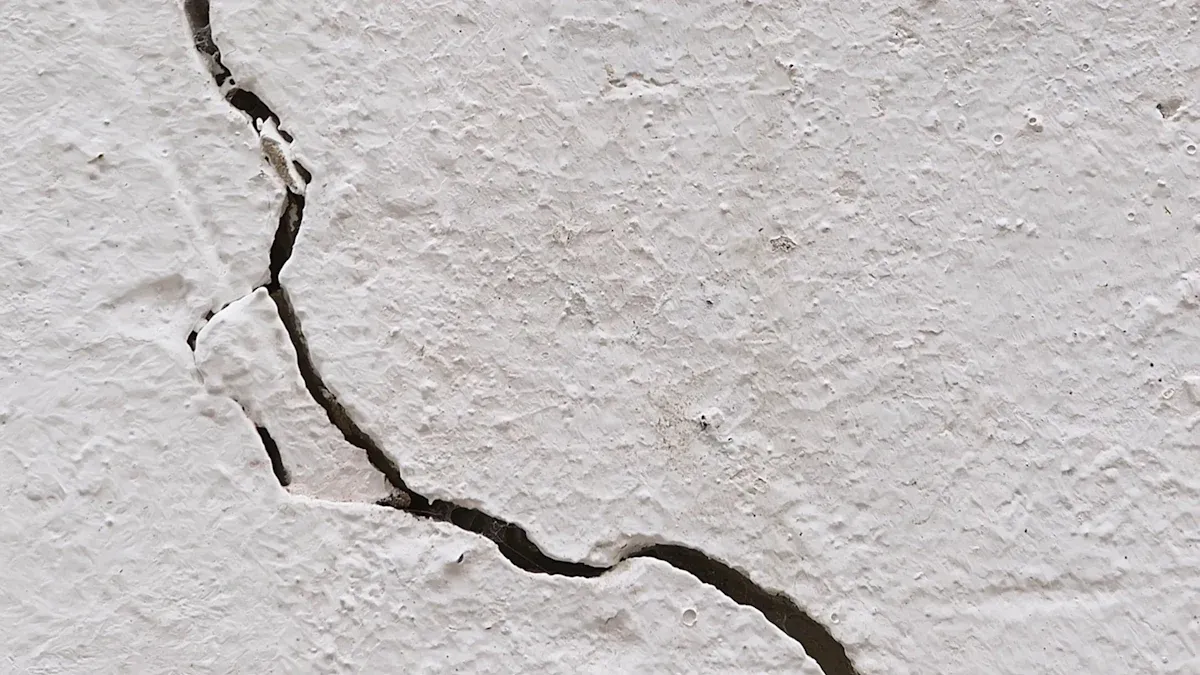
Your home’s foundation is its bedrock. It supports your entire investment. Proper exterior care is crucial for preventing water damage and costly structural damage. Water is the primary threat to your foundation.
This water causes significant foundation damage through various forms of water intrusion. Managing water around your home is key. Foundation repair often costs between $2,500 and $15,000, making proactive prevention a wise solution. Protecting your foundation ensures your home’s long-term health.
Water’s Threat to Your Foundation
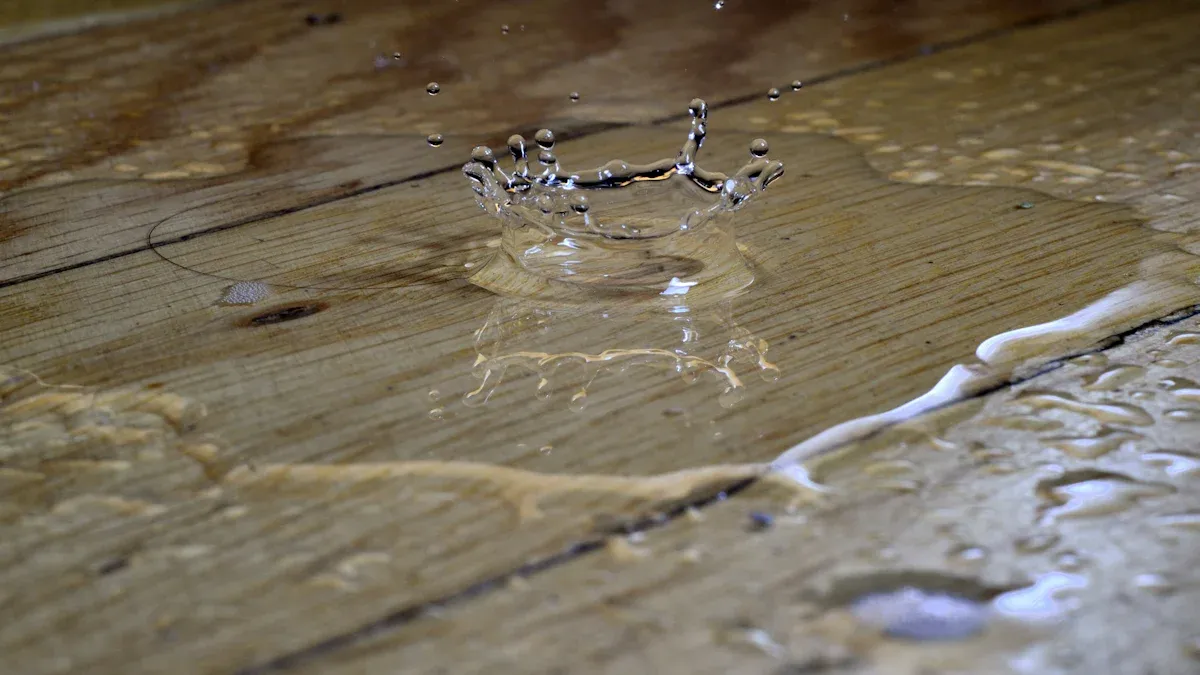
How Water Causes Foundation Damage
Water is a powerful force against your home’s foundation. It causes damage through several mechanisms. For example, hydrostatic pressure builds when water saturates the soil around your foundation. This pressure pushes directly against your foundation walls. Freeze-thaw cycles also create significant problems. Water seeps into the soil around your home. When temperatures drop, this water freezes and expands, pushing against your foundation. As temperatures rise, the ice thaws, and the soil contracts, potentially leaving voids. This repeated expansion and contraction degrades your foundation’s structural integrity.
Water also moves through soil in complex ways.
Thermal Gradient Diffusion: Warmer water vapor moves to cooler areas under your foundation slab, causing moisture accumulation.
Clay Suction: Clay soil attracts water, drawing it towards drier areas beneath your foundation.
The Stack Effect: Water vapor moves from around your home’s perimeter, replacing gases that rise through the foundation. Air conditioning can trap moisture below the slab in warmer climates.
The Evapotranspiration Cycle: Water vapor rises from underground sources. Your foundation slab can intercept this vapor, leading to moisture accumulation.
Soil types react differently to water. Expansive clay soils swell dramatically when they absorb water, causing your foundation to heave upward. In contrast, wet clay soils shrink as they dry, causing your home to settle around the edges. Water draining through sandy or silty soils can compact them under your home’s weight, removing air pockets. All these processes contribute to foundation damage.
Common Sources of Water Intrusion
Water finds many ways to enter your foundation. You must identify these sources for preventing water damage.
Cracks in the foundation itself provide direct entry points.
Hydrostatic pressure pushes water through any weak spots.
Poorly sealed or damaged footing drains fail to direct water away.
Inadequate grading and poor drainage allow water to pool right next to your foundation.
Porous concrete or masonry can absorb water directly.
Groundwater levels can rise, pushing water into your basement or crawl space.
Capillary suction draws moisture up through foundation materials.
Underground springs can create constant water next to foundation walls.
Faulty basement windows also allow water intrusion.
Water’s Impact on Structural Integrity
Water intrusion directly threatens your home’s structural integrity. Water weakens structural components over time, compromising your home’s stability and safety. Wooden structures absorb water, leading to swelling, warping, and rot. This weakens critical load-bearing elements like beams and floor joists. Metal supports, such as steel beams, corrode from prolonged water exposure.
Rust reduces their load-bearing capacity, potentially leading to structural failure. Water saturation around your foundation exerts pressure, causing cracks and shifts. This can lead to the eventual failure of your foundation, compromising the entire structure. Damp conditions from water damage also promote mold and mildew growth, which further degrades building materials and weakens your home. Preventing water damage is crucial for maintaining a strong barrier against these threats.
Preventing Foundation Water Damage
Protecting your home’s foundation from water intrusion is a critical investment. You can take several proactive steps to prevent water damage and ensure the long-term stability of your foundation. These measures create a robust barrier against moisture, safeguarding your home.
Proper Grading and Landscape
Effective grading around your home is your first line of defense against water. Proper grading ensures water flows away from your foundation, not towards it. You should aim for a significant slope. For every 10 feet extending from your house foundation, a drop of approximately two to three inches is recommended for proper grading. More specifically, the ground should decline by one inch for every foot moved away from the house, especially for the first 5 to 10 feet surrounding the structure.
Proper grading offers many benefits for foundation protection. It ensures lasting soil compaction, preventing soil from slumping and pushing against the foundation. This creates a solid base layer and stabilizes the grade, protecting the building line. Correct foundation grading leads to cleaner siding and drier soil by directing water away from your home. It also prevents water from pooling near footings and entering crawlspaces, thus keeping basements dry.
This redirects runoff away from the stem wall, protecting the foundation from water intrusion. Ultimately, proper grading prevents foundation damage by avoiding water pooling and hydrostatic pressure, which can cause cracks and costly structural repairs. It also mitigates basement or crawl space flooding, preventing damage to belongings, mold growth, and compromised indoor air quality. Furthermore, it protects against severe soil erosion, which can wash away topsoil, expose utility lines, damage plant roots, and create dangerous gullies.
Gutter and Downspout Management
Your gutters and downspouts play a vital role in managing roof runoff. They collect rainwater and direct it away from your foundation. Neglecting them can lead to significant water intrusion. You should clean your gutters at least twice a year, typically in the spring and fall. If you live in an area with many trees, you may need to clean them more frequently. Remove leaves, dirt, and debris to prevent clogs. Clogged gutters overflow, dumping water directly next to your foundation.
Extending your downspouts is equally important. Downspout extensions should be installed at least 6 feet from the house to effectively keep rainwater away from the foundation and safeguard against water damage. An ideal extension length is at least 4 to 6 feet, with consideration for local weather patterns and land slope. For maximum protection against soil erosion and basement flooding, downspouts should extend at least 6 feet, and ideally up to 10 feet. This ensures rainwater moves away from walls and the foundation, reducing structural damage and water infiltration risks.
Effective Drainage Solutions
Beyond grading and gutters, you can implement various drainage solutions to manage water around your foundation. These systems actively remove collected groundwater, providing crucial protection.
French Drains: These are common drain pipes installed around foundations to prevent flooding and reduce water damage. They can last 30-40 years. They are cost-effective and aesthetically pleasing, though installation can be lengthy and expensive. French drains prevent hydrostatic pressure by collecting and channeling excess moisture in the soil away from the foundation. They work by preventing water from building up in the soil around the foundation, which is the primary cause of hydrostatic pressure. A perforated pipe collects excess water in the soil and then releases it away from the foundation, either via gravity or a sump pump.
Footing Drainage: This effective system installs around the perimeter of foundation walls at footing level, similar to a French drain. It prevents water accumulation, can last up to 50 years, and is cost-effective. However, installation is costly, and pipes can clog.
Grading Drainage: This involves creating a slope around your home to direct water away from the foundation. It is efficient, can redirect water naturally without clogging, and is the most inexpensive solution. However, it can lead to oversaturation of garden soils or ponding if poorly installed.
Sump Pit and Pumps: This system is best for areas with heavy rain and snowfall. It collects water in a pit and pumps it away once a certain level is reached. It protects against sewage backups, removes excess basement water, and can increase property value. However, it relies on electricity and requires a pit, which can risk radon gas leakage.
Exterior Foundation Moisture Barrier
An exterior foundation moisture barrier provides a critical layer of protection against moisture penetration. This barrier creates a waterproof shield, preventing water from reaching your foundation walls. You can choose from several materials for an exterior foundation moisture barrier:
Liquid-applied membranes: You spray or roll these on to form a seamless, flexible, waterproof shield. They are ideal for foundations with many angles.
Sheet membranes: These are tough, pre-made rolls of materials like rubberized asphalt or high-density polyethylene. You apply them with overlaps for a continuous seal.
Dimple boards: These textured plastic sheets create an air gap between the board and the foundation. This allows the wall to breathe and directs water to a drainage system. They are durable and can bridge wall cracks.
Cementitious coatings: These cement-based mixtures create a rigid, waterproof coating. They bond directly to concrete or block foundations.
Other materials include polyethylene plastic sheets, builder’s foil, and foam board insulation.
Exterior waterproofing systems are highly effective in preventing moisture penetration, especially from rainwater and groundwater. They create a robust barrier against moisture, reducing the risk of structural damage, mold, and mildew growth. Proper installation, quality materials, and regular maintenance are crucial for effectiveness. While exterior waterproofing alone cannot stop all water intrusion, especially from indoor humidity, it is best used in combination with other solutions for comprehensive protection of your investment. This comprehensive approach ensures your foundation remains dry and strong.
Spotting Foundation Damage
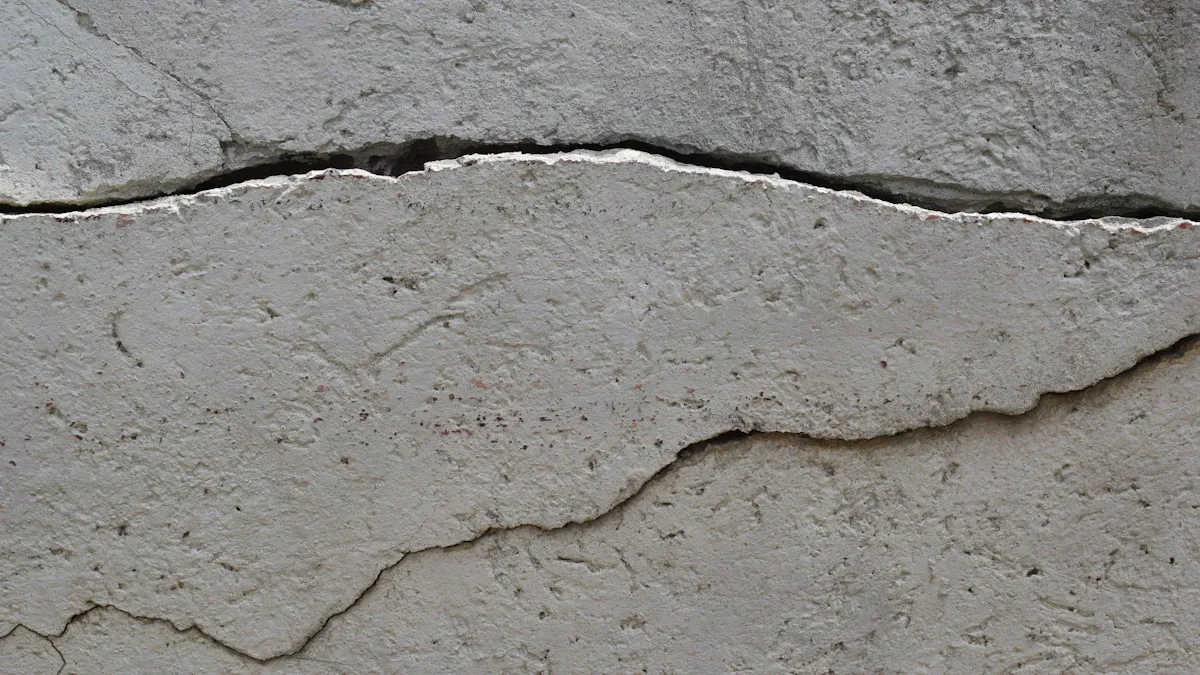
You need to know the signs of foundation problems. Early detection helps prevent more serious issues. You can look for clues both inside and outside your home.
Exterior Signs of Foundation Issues
Look for gaps around your windows or doors. These gaps can start small and grow. They make windows and doors difficult to operate. You might also see cracks in caulking or trim. A chimney pulling away from your house is a serious sign. Look for vertical cracks, crumbling mortar, or tilting. Chimneys are heavy and connect to the foundation. Gaps between walls or large cracks along them suggest uneven foundation settling. This causes walls to lose support.
You will also see cracks in the foundation itself. Hairline cracks (1/16″) are normal in new homes. However, horizontal cracks in brick exteriors or basement walls are concerning. Cracks 1/4 inch or wider are serious. Horizontal cracks can mean hydrostatic pressure. Stair-step cracks in brick exteriors, especially near corners, need inspection. Cracks around exterior window frames and doors also indicate a foundation issue. Doors that do not latch or align correctly are another sign.
Interior Indicators of Damage
Inside your home, you will find other clues. Look for cracks in drywall, floors, or ceilings. Diagonal cracks or those with other signs are important. You might notice uneven floors. They will have slopes or dips when you walk. Doors and windows may stick or not close properly. This shows misalignment. Gaps between windows or doors and their frames are also indicators. You might also see gaps between walls and floors.
Foundation settlement causes many issues. This includes drywall cracks, sticking doors, and uneven floors. These problems appear on main and upper levels. Sagging crawl spaces make the floor above sink. This pulls on partition walls and causes interior drywall cracks. Movement of concrete floors also causes cracks. When your home’s foundation shifts, it creates stress. This stress shows as visible cracks in drywall. Diagonal cracks around windows and doors are classic signs of foundation settlement. These cracks angle upward or downward from corners. They show uneven sinking. Horizontal cracks are more likely to show foundation movement than vertical cracks. This is true if they extend across multiple panels. Stair-step cracks on interior walls are red flags. Cracks wider than 1/8 inch suggest ongoing foundation movement. If a patched crack reappears, the structural issue is still active.
Assessing the Severity of Cracks and Leaks
You need to assess the severity of cracks. Monitor cracks for growth. Track if the crack is stable or expanding. Look for related symptoms. Check for sticking doors, uneven floors, or interior wall cracks. These indicate serious foundation problems. Assess the overall pattern. Multiple cracks suggest more significant foundation movement.
Here is how you can differentiate crack severity:
Feature | Minor (Non-Structural) Cracks | Severe (Structural) Cracks |
|---|---|---|
Width | Typically less than 1/16 of an inch wide (hairline cracks) | Wider than 1/10 inch, expanding over time |
Cause | Natural concrete shrinkage, minor settling | Significant movement or stress in the home’s foundation, shifting soil, poor construction, foundation settlement |
Patterns | Vertical cracks, hairline cracks | Stair-step cracks in brick or masonry, horizontal cracks (with or without wall bowing), vertical cracks near one another, cracks that expand across ceilings and walls, diagonal cracks |
Implications | Surface-level, do not compromise the foundation’s strength, may allow moisture intrusion | Weaken the home’s structural integrity, indicate inward pressure from soil or water (horizontal cracks), often caused by differential settlement (diagonal cracks) |
Consider the location of the crack. Cracks in load-bearing walls are more critical. The size of the crack matters. Hairline cracks (less than 1/16 inch) are cosmetic. Moderate cracks (up to 1/4 inch) suggest settlement. Large cracks (wider than 1/4 inch) signal structural issues. The shape and pattern are important. Vertical cracks are often minor. Diagonal cracks suggest structural stress. Horizontal cracks indicate lateral pressure. Stair-step cracks in masonry suggest foundation settlement. Cracks that widen or deepen show ongoing structural failure. Urgent cracks include any horizontal crack, stair-step cracks, cracks wider than 1/4 inch, growing cracks, or cracks with water leakage.
Professional Foundation Solutions
When to Seek Expert Help
You need to know when to call in the experts for your home’s foundation. Do not try to fix serious foundation problems yourself. Improper DIY work can make problems worse or hide symptoms. You should seek professional help when you see constant water pooling around your foundation. This water can weaken the foundation over time.
Look for specific signs that indicate serious issues.
Cracks in your foundation walls or slabs larger than 1/8 inch need attention.
Cracks that show vertical displacement, meaning one side is higher or lower than the other, are serious.
Any cracks with water intrusion suggest significant structural problems.
Warning signs inside your home also point to foundation issues. These include doors and windows sticking or not latching properly.
Cracks in drywall or ceiling corners, uneven floors, or gaps between walls and ceilings suggest your foundation is shifting or settling.
Professionals have specialized knowledge and tools. They can accurately assess your foundation’s condition. They use diagnostic tools like soil analysis, load testing, and moisture assessments. Experts can tell the difference between minor and severe problems. Early recognition of structural damage by experts prevents costly repairs and potential hazards. They spot and interpret less obvious indicators and potential damage progression.
A reputable foundation repair specialist often holds a ‘Certified Foundation Repair Specialist’ (CFRS) credential. This certification shows knowledge beyond standard field competency. It means the individual passed rigorous testing based on theoretical knowledge and practical experience. The National Foundation Repair Association (NFRA) provides these tests and grants the certification. This aims to establish professionalism, honesty, credibility, and integrity within the industry. Choosing a certified professional is a smart investment for your home’s foundation.
Understanding Foundation Waterproofing
You must understand the difference between damp-proofing and waterproofing for your foundation. These terms are not the same.
Suitability | Damp-proofing | Waterproofing |
|---|---|---|
Soil Type | Sandy/gravel-rich soils, areas with less water risk | High water tables, clay-rich soil, flood-prone regions |
Damp-proofing keeps soil moisture out. It slows moisture absorption. However, it cannot resist water under pressure. It only controls water vapor from soil moisture. Damp-proofing will not stop liquid water inflow. It will not prevent water from seeping through cracks. It cannot seal cracks and holes in the foundation. It is not sturdy in varying temperatures. It has limited resistance to concrete movement or cracking. Coarse backfilling can easily damage the application.
Waterproofing is much more effective. It keeps all moisture and liquids out. It protects against hydrostatic pressure. Waterproofing prevents water in its various states from crossing a surface. This includes soil moisture, water vapor, and water under hydrostatic pressure. Waterproofing materials are more flexible. You apply them as a thicker layer. This helps cover cracks and provides better insulation.
A comprehensive exterior waterproofing system offers many benefits.
It provides stronger building protection. It guards your foundation, walls, and other vulnerable surfaces against harsh weather. This keeps your building stable and minimizes deterioration.
You will have lower maintenance and repair costs. Preventive protection reduces emergency repairs. It keeps your building in better condition, saving time and budget.
It improves property value. Well-maintained exteriors appeal more to tenants and investors. It protects the structure’s integrity and maintains its value and appeal.
It prevents basement flooding. It catches water before it enters your home’s foundation. It diverts water safely away.
It protects your property’s structural integrity. It reduces the risk of water seepage weakening the foundation. This prevents cracks and instability. It extends your home’s lifespan.
It offers health benefits. It wards off mold and mildew. These thrive in damp basements.
It increases property value. It adds protection and peace of mind for potential buyers. This makes it a sound investment.
Exterior waterproofing creates a robust barrier against moisture. It reduces the risk of structural damage, mold, and mildew growth. Proper installation, quality materials, and regular maintenance are crucial for effectiveness. An exterior foundation moisture barrier creates a waterproof shield. This prevents water from reaching your foundation walls. This comprehensive approach ensures your foundation remains dry and strong.
Common Foundation Repair Methods
Professionals use several common methods to repair foundation damage. These solutions address different types of foundation problems.
Slabjacking (Concrete Lifting): This method works for homes on concrete slabs. Workers drill holes. They inject a synthetic lifting solution under the slab. This fills voids. Then, they patch the holes. It is a quick, low-cost solution with minimal disruption. You can also use it for walkways, patios, and driveways.
Piering: This involves using metal or concrete posts to support a failing foundation.
Push Piers: These are galvanized or epoxy-coated steel pipes. Workers drill them into the foundation with a hydraulic ram.
Helical Piers: These are large steel screws. Workers drive them deep into the ground with a hydraulic torque motor. Hydraulic jacks lift the foundation to the correct level. Then, workers lock it into place. This method works well for homes on expansive soils. It costs less than full excavation. It causes minimal landscaping disruption. A structural engineer must verify the work.
For pier and beam foundations, repairs stabilize a compromised foundation.
Hydraulic Jacks: Workers use these to correct load distribution across the foundation. This reduces strain on individual piers. It creates a more robust structure.
Reinforcing or Replacing Beams: This fixes current defects and prevents future issues. It provides high resistance to wear and tear. It enhances structural integrity and longevity.
Epoxy or Polyurethane Injections: These penetrate deep into the foundation. They seal cracks. This prevents water and pest intrusion. It enhances overall structural strength.
Moisture Barriers: Workers use these to address water damage. Water weakens the foundation.
Installation of Support Piers: This technique counteracts structural damage from soil shifting.
Shimming: This method involves inserting steel plates or wooden shims above the pier. This levels the foundation. It suits minor settling or sagging.
Pier Adjustment or Replacement: For more severe issues, workers raise, lower, or fully replace piers. This restores foundation support.
Beam Replacement: Workers use this when beams are extensively rotted or damaged. It involves installing a new beam without compromising structural integrity.
Mud Jacking: Workers pump a mud mixture beneath the foundation. This lifts it and fills voids from soil erosion. It offers a less invasive lifting method.
Long-Term Maintenance for Foundation Health
You must maintain your foundation over the long term. This protects your investment.
Maintain consistent soil moisture levels. This prevents expansion and contraction.
Conduct regular visual inspections monthly. Look for new cracks, unevenness, or issues with doors and windows.
Address minor cracks promptly with sealant.
Keep gutters and downspouts clear. This prevents excess water exposure.
Seek professional help for large or growing cracks, significant unevenness, or persistent water problems.
Here are more detailed practices:
Maintain Proper Drainage:
Clean and maintain gutters at least twice a year.
Extend downspouts at least 5-10 feet away from the foundation.
Grade the soil to slope away from your house. Aim for a 6-inch drop over 10 feet.
Consider installing a French drain for persistent issues.
Control Moisture Levels:
Use a dehumidifier in basements or crawl spaces. Keep humidity between 30-50%.
Install a sump pump in areas with high water tables.
Repair plumbing leaks promptly.
Avoid overwatering near the foundation.
Manage Landscaping and Tree Placement:
Maintain a 2-3 foot plant-free zone around the foundation.
Choose plants with shallow root systems near your home.
Plant large trees at least 20-30 feet away from your house.
Remove problematic trees too close to your home.
Consult with landscaping experts. They understand local soil and weather patterns. They advise on plant types and techniques that prevent foundation damage. This includes proper soil grading and strategic plant placement.
Choose plants appropriate for your region and soil type. This minimizes excessive watering and reduces soil instability. Consider the mature size and root behavior of plants. This avoids encroachment on the foundation.
Implement regular maintenance. Prune trees and shrubs to control root growth. Routinely check irrigation systems. Ensure even water distribution. Promptly repair leaks to prevent pooling and soil issues.
Opt for drought-tolerant plants near the foundation. This reduces watering needs. It minimizes the risk of soil saturation.
Install root barriers if trees are close to the foundation. This prevents roots from causing damage.
Maintain a consistent, moderate moisture level in the soil around the foundation. Water regularly to prevent soil shrinkage without over-saturating.
Monitor for Signs of Foundation Problems:
Conduct regular visual inspections. Do this at least once a year and after significant weather.
Look for cracks in walls, floors, ceilings. Check for sticking doors or windows. Look for uneven floors, gaps, separation of exterior trim, or bulging basement walls.
Address Minor Issues Promptly:
Seal small cracks with epoxy injection or hydraulic cement.
Repoint deteriorating mortar joints in brick or block foundations.
Fix grading issues by adding soil where water pools.
Invest in Professional Inspections:
Have a professional inspection every 3-5 years. Do this more frequently if your home is prone to problems.
Be Cautious with Home Improvements:
Avoid DIY foundation repairs.
Exercise care with excavation near the foundation.
Consider foundation impact when adding on.
Prepare for Seasonal Changes:
Winter: Clear gutters and downspouts. Use heat tape on pipes.
Spring: Check drainage systems for increased rainfall.
Summer: Monitor and water soil in dry climates. This prevents excessive drying.
Fall: Clear leaves from gutters and the foundation.
For concrete slab foundations, pay close attention to moisture control. This prevents shifting or uneven settling. You must direct water away from the foundation. Address any cracks immediately. Maintaining even moisture levels around the slab minimizes expansion and contraction. Regular visual inspections, at least twice a year, spot early signs of trouble. Look for cracks, water intrusion, or other damage. Proper drainage solutions are important for the vulnerable edges of concrete slabs. Ensure expansion joints are in place. This mitigates issues from thermal and moisture-related expansion.
Basement foundations need rigorous waterproofing protocols. This is due to common moisture concerns. Effective moisture control systems like sump pumps and dehumidifiers are essential. Regularly inspect basement walls for efflorescence. These chalky deposits indicate moisture. Address leakages swiftly. This prevents mold and mildew. Check for bowing or cracking in basement walls. This indicates pressure from surrounding soil. Waterproofing measures, including sealants and proper drainage, are key. Insulate and treat walls. This prevents thermal bridging, condensation, and mold growth.
Your home’s foundation is a critical investment. Consistent exterior care is essential for preventing water damage. Proactive measures are a better solution than reactive fixes. You save money and protect your home. Regularly inspect your foundation. Address any issues promptly. This ensures your foundation’s long-term stability. You gain peace of mind. You also preserve your investment’s value with a well-maintained foundation.