
Buying your new home brings immense excitement. You also feel a bit overwhelmed. The first year is a significant learning curve. It brings both joys and unexpected challenges. This homeowner guide prepares you for what lies ahead in your initial 12 months. It covers practical, financial, and emotional aspects. Many new homeowners face financial surprises.
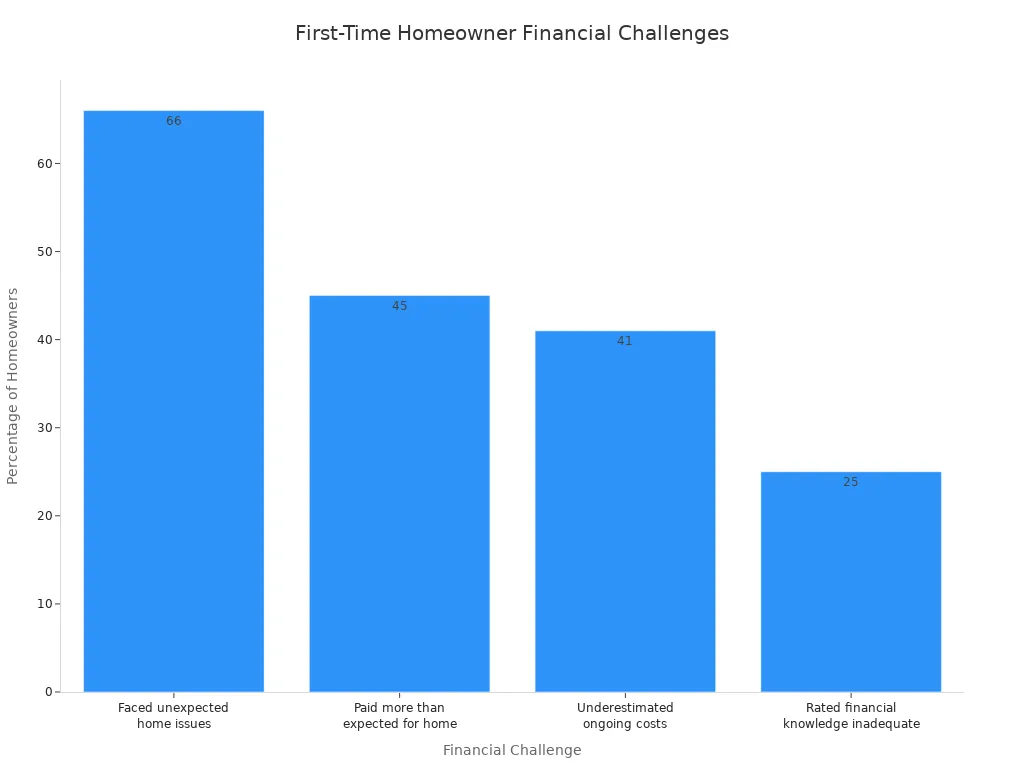
This preparation makes your first year journey smoother.
Settling Into Your New Home

Moving into your new home is an exciting time. You want to make it yours right away. Take a breath and approach this initial period thoughtfully. This approach helps you avoid costly mistakes.
Avoid Major Renovations
Resist the urge to start big renovation projects immediately. You might have many ideas for your new home. Large-scale changes can be expensive and disruptive. You need time to understand your home’s true needs. Live in the space for several months. This allows you to discover its quirks and how you use each room. You will then make more informed decisions about any major upgrades.
Live in the Space First
Spend time in each area of your house. Observe the natural light. Notice how traffic flows through rooms. You can start with smaller, more personal touches. Paint walls with colors you love. Hang your favorite pictures and artwork. Consider planting privacy trees or shrubs in your yard. These small steps make your new home feel more like your own. Remember to update your mailing address with all services. Register your new appliances. This ensures you receive warranty information and important updates.
Understand Home Layout
Learn the layout of your home. Find where all the shut-off valves are for water. Locate the electrical panel and understand its breakers. Know where your main gas line shut-off is, if applicable. This knowledge is crucial for emergencies. You will also discover which areas get more sun or are draftier. This understanding helps you plan future improvements. It also guides you in deciding which upgrades truly benefit your lifestyle.
Financial Realities of Your First Year

Your first year as a homeowner brings new financial responsibilities. You must understand these costs. They go beyond your monthly mortgage payment. This homeowner guide helps you prepare for them.
Beyond Mortgage Payments
Your mortgage is a big part of homeownership. However, other costs add up. You will pay for utilities like electricity, water, and gas. If you live in a community with shared amenities, you might have Homeowners Association (HOA) fees. You also need to budget for ongoing maintenance. Homeowners can expect to spend around $9,390 annually on home-related expenses, including maintenance.
Budgeting for Unexpected Costs
You need a comprehensive budget. This budget covers your Principal, Interest, Taxes, and Insurance (PITI). It also includes utilities, maintenance, and any HOA fees. Experts suggest budgeting 1% to 4% of your home’s value each year for unexpected repairs. For example, a $200,000 home might need $2,000 set aside annually. This covers things like appliance maintenance, roof care, or heating system checks.
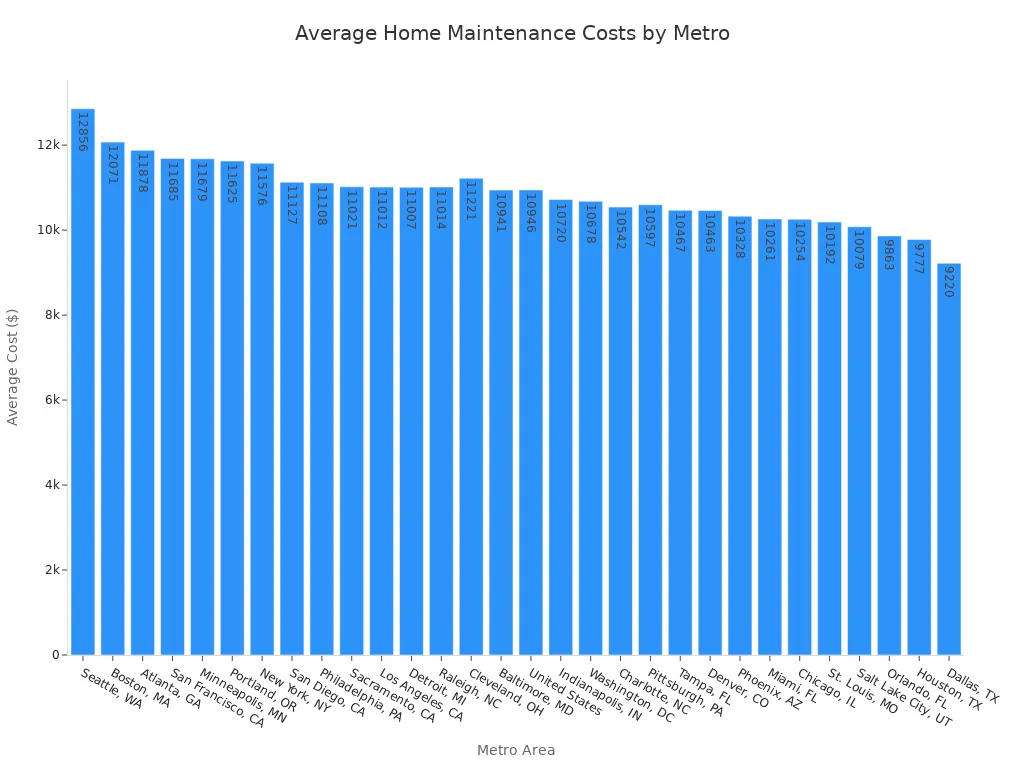
Thumbtack lists essential annual maintenance tasks. These include:
Appliance maintenance
Carpet cleaning
Central air conditioning maintenance
Gutter cleaning and maintenance
Heating system maintenance
Roof maintenance
Window cleaning
Property Taxes and Insurance
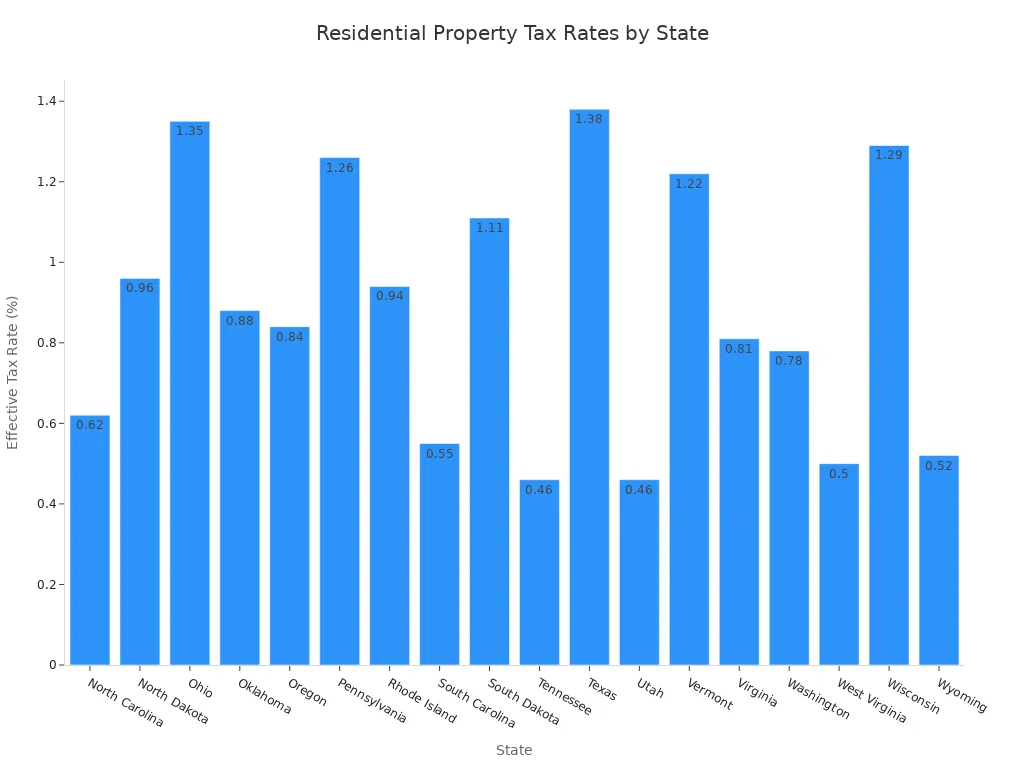
Property taxes are a significant annual cost. They vary by location. Your mortgage lender often collects these taxes with your monthly payment. They hold the money in an escrow account. Homeowner’s insurance protects your investment. It covers damage from events like fire or theft. You must have this insurance.
Building an Emergency Fund
An emergency fund is crucial. It helps you handle unexpected home repairs or other financial shocks. Financial experts recommend saving three to six months of living expenses. This fund covers things like a leaky roof or a broken water heater. It gives you peace of mind during your first year and beyond.
Essential Maintenance and Warranties
You need to understand essential home maintenance. This helps you protect your investment. It also keeps your home safe. Your first year involves learning many new things.
Understanding Your Home Warranty
Many new homes come with a home warranty. You should understand what it covers. A standard home warranty often has different coverage periods. You get one year of coverage for workmanship and materials. This includes things like siding, drywall, and paint. After the first year, this coverage typically expires. You also receive two years of coverage for major systems. This includes your HVAC, plumbing, and electrical systems. Some builders offer a 10-year warranty for major structural defects. These are problems that make your home unsafe, like a collapsing roof. This warranty protects load-bearing elements such as beams, footings, and load-bearing walls.
Seasonal Maintenance Checklist
You should follow a seasonal home maintenance checklist. This helps you stay on top of tasks. In spring, clean window screens and gutters. Inspect your roof for damage. Change your AC filters. In summer, remove lint from dryer vents. Clean refrigerator coils. Check for leaks around your dishwasher. Fall tasks include raking leaves and aerating your lawn. Have your heating system inspected. In winter, cover your AC unit. Inspect your roof after storms. These essential tasks keep your home in good shape.
Routine Home Care Tasks
You have routine home care tasks throughout the year. You must replace HVAC filters regularly. For most homes, change the air filter every 30 to 90 days. If you have pets or allergies, change them more often. Check your caulking around windows and doors. Clean exterior vents and drains. Test your smoke and carbon monoxide detectors monthly. These are critical maintenance steps for your safety.
When to Call a Professional
Review your home inspection report. It lists scheduled repairs and updates. Some tasks you can do yourself. Other tasks require a professional. If you are unsure, call an expert. Home maintenance is an ongoing, year-round commitment. You will encounter maintenance milestones. Do not hesitate to seek help for complex repairs or system issues. Regular inspections help you identify potential problems early. This prevents costly upgrades later. Ensure all your safety equipment works correctly.
Getting to Know Your Home’s Systems
Understanding your home’s various systems is crucial. This knowledge helps you maintain your new home and address issues quickly. You will feel more confident as a homeowner.
HVAC System Basics
Your HVAC system keeps your home comfortable. It includes several key components. You have a thermostat to control temperatures. A furnace or boiler heats your home. An air conditioner or heat pump provides cooling. An air handler circulates air through ductwork. Filters clean the air. You might also have humidifiers or ventilation systems. Learn how these systems work together.
Plumbing and Electrical
You must understand your plumbing and electrical systems. Common plumbing issues include:
Dripping Faucets: Worn-out washers often cause this.
Running Toilets: A faulty flapper is usually the culprit.
Clogged Drains: Hair or grease can block pipes.
Low Water Pressure: This can signal a pressure regulator problem.
Leaky Pipes: These can cause serious water damage. You should know where your main water shut-off valve is. For electrical systems, locate your circuit breaker panel. Understand which breakers control which areas. This knowledge is vital for your safety.
Appliance Care
Proper care extends the life of your appliances. You should regularly clean appliance exteriors. Clean behind and underneath appliances yearly. Vacuum refrigerator coils every 6–12 months. This prevents dust buildup. For stovetops, clean burners and ensure gas ports are clear. Load dishes properly in your dishwasher. Clean the filter monthly. For washers, run a hot wash cycle with white vinegar monthly. Clean the dryer lint trap after every load. Inspect the external vent annually. Always unplug appliances before cleaning. This ensures your safety.
Identifying Potential Issues
You need to recognize early warning signs of problems. Regularly inspect systems in your home. Look for cracks in walls, especially horizontal ones. Watch for doors and windows that stick or jam. This can mean structural damage. Uneven or sloping floors also indicate issues. Gaps between walls, ceilings, or floors suggest shifting. A sagging roofline is a serious warning sign. Pay attention to moisture in your basement. These signs tell you when to call a professional. Ensure all your safety equipment works correctly.
Building Your Homeowner Network
You are now a homeowner. You will need to build a network of trusted contacts. This network helps you manage your home and connect with your community.
Finding Reliable Contractors
You will need help with home projects. Finding reliable contractors is important. Look for builders with 5 to 10 years of experience. They should have a diverse portfolio. Evaluate their previous work for attention to detail. Good craftsmanship and material quality matter. Builders offering warranties show confidence in their work. Ask for references to check their financial stability. Quality builders are transparent about costs. They avoid hidden fees. Always verify their licensing and insurance. This protects you from liabilities. Choose a builder who communicates well. They should listen to your needs. Be wary of contractors who lack transparency in pricing. Avoid those with persistently negative reviews.
Connecting with Neighbors
Your neighbors are a valuable resource. Building positive relationships makes your community stronger. Introduce yourself to new neighbors. Be friendly and approachable. Simple gestures like smiling and waving help. You can offer practical help. Watch pets or pick up mail when they are away. Consider taking a treat or dinner to a neighbor. This helps during difficult times. You can also participate in neighborhood events. Engage in block parties. These activities build trust and friendships. Be a responsible neighbor. Maintain your property. Keep it clean.
Understanding Local Regulations
You must understand local regulations. These rules affect your home. Building permits are often required. You need them for new construction or major renovations. Permits ensure your project meets safety standards. They prevent illegal structures. Local zoning laws also exist. These dictate how tall your home can be. They set rules for where your house sits on the lot. This impacts natural light and shade. Some areas have rules for solar panels or green building materials. Always check with your local planning department before starting big projects.
Utilizing Community Resources
Many resources exist for new homeowners. You can find financial assistance. Some government programs offer first-time home buyer grants. These make homeownership more affordable. Some grants are non-repayable. Others function as loans. You might also qualify for land transfer tax rebates. These are available in specific provinces or municipalities. Always check official websites. Look for provincial and municipal programs. These resources can help you save money.
Your first year as a homeowner is a journey of learning and adaptation. This homeowner guide helps you navigate it. Remember patience, financial preparedness, proactive maintenance, and community engagement. You will face challenges in your first year, but these are opportunities for growth. This homeowner guide prepares you. Your new home will truly become yours over time. Enjoy this new chapter. Embrace the responsibilities and rewards of homeownership.