You face a common challenge when choosing exterior paint and coatings for your home. Do you prioritize robust protection or stunning appearance? Many homeowners see this as a choice between protection vs appearance. However, these two aspects are deeply connected and vital for your home’s longevity. A high-quality exterior coating offers superior defense. Traditional paint might last only 3-7 years. In contrast, durable coatings can protect for 10-20 years, sometimes even decades. This lasting protection ensures your home’s beautiful finish endures. You need quality paint and other coatings that deliver both. A good paint coating provides lasting value.
Protection: The Core of Exterior Coating
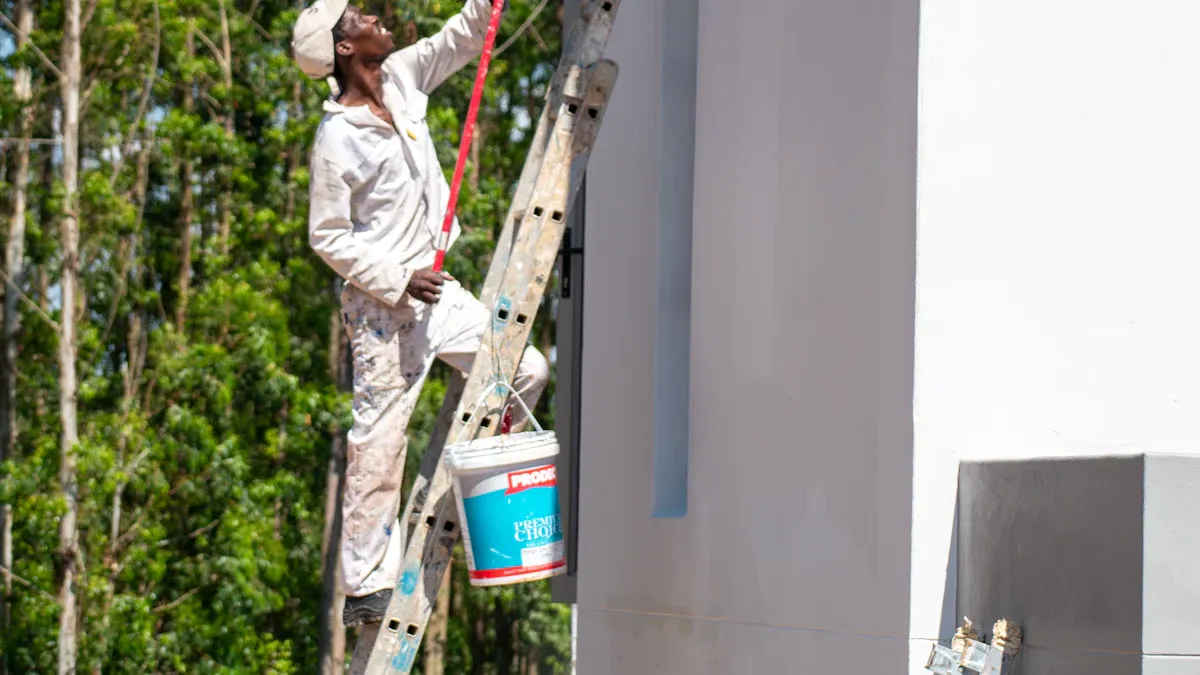
Exterior coatings provide essential defense for your home. You need to understand how these coatings shield against various threats. This section details the core protective functions of an exterior coating.
Shielding Against Elements
Your home constantly faces harsh environmental elements. Exterior coatings act as a primary barrier. They shield your home from damaging UV rays, heavy rain, snow, and extreme temperature changes. For example, Polyurethane Coatings offer excellent resistance to UV rays and extreme weather. They form a strong barrier against moisture, chemicals, and abrasion. Acrylic Coatings are also water-resistant and UV-resistant, making them ideal for high humidity and intense sunlight. Ceramic Coatings provide thermal insulation and UV resistance. They repel water and prevent mold. Fluoropolymer Coatings, like PTFE, offer exceptional chemical resistance and UV stability. They create a non-stick surface that repels water and contaminants. These common types of protective coatings ensure robust surface protection.
Preventing Structural Damage
Beyond surface defense, coatings prevent deeper structural issues. They stop moisture intrusion, which can lead to wood rot and mold growth. This protection also deters pests. Pests often exploit moisture-damaged areas. NANOMYTE® SuperAi-UVP is a nanocomposite coating that offers enhanced weatherability and UV-protective properties. It sheds ice buildup and keeps surfaces clean. This coating maintains excellent hydrophobicity, even after extensive exposure. Such advanced protective coatings contribute significantly to your home’s structural integrity.
Ensuring Long-Term Performance
Investing in quality coatings ensures long-term performance for your home. Different types of paint and coatings offer varying levels of durability and lifespan. For instance, acrylic paint can last 10-15 years, while elastomeric paint can last 20 years or more. Ceramic paint also offers very high durability, lasting 15-25 years. These coatings reduce your maintenance demands over time. They maintain their protective qualities for many years. This means fewer repainting jobs and less worry about your home’s exterior. You get reliable performance expectations from these durable solutions.
Key Protective Properties
Modern exterior coatings feature several key protective properties. These properties ensure comprehensive protection.
Elongation and Flexibility: This allows the coating to stretch and contract with your building’s movement and temperature changes. It prevents cracking and loss of adhesion. Elastomeric coatings, for example, have high elongation, often 200–600%. They act as ‘breathable raincoats’ for buildings.
Permeance (Breathability): This property lets water vapor pass through the coating. It prevents moisture buildup under the surface. This reduces blistering risks while still keeping liquid water out. YUNYAN’s exterior wall waterproof coating achieves an elongation of ≥ 250% and allows vapor transmission of ≥ 150 g / m²·24 h.
Adhesion Properties: This is the coating’s ability to bond strongly with various materials. Good adhesion ensures the coating stays in place and provides continuous protection. Acrylic systems are known for their excellent adhesion to most existing roofing materials.
NANOMYTE® coatings with UVP technology enhance protection against sun and weather. This technology blocks UV radiation. It prevents issues like compromised adhesion, cracking, peeling, and color changes. NANOMYTE® TC-4001-UVP is a nanocomposite barrier coating for metals. It prevents moisture penetration and corrosion. NANOMYTE® TC-5001-UVP is an anticorrosion coating for zinc-plated steel. It provides barrier protection and resists scratching. These coatings offer superior chemical resistance and chemical and environmental resistance. They ensure your home’s long-term performance and protection.
Appearance: Enhancing Curb Appeal
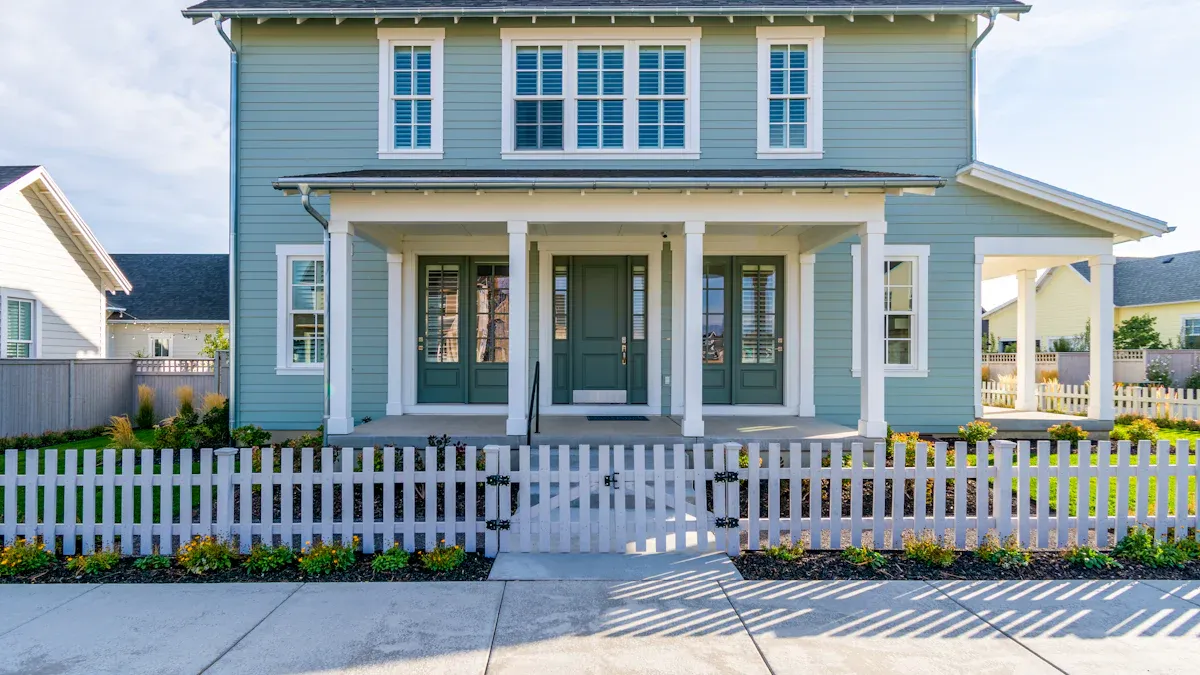
Your home’s exterior appearance significantly impacts its market value. A well-maintained exterior creates a strong first impression. This impression attracts potential buyers. Real estate data shows a direct link between exterior quality and property value.
Boosting Property Value
An exterior paint job can increase home value by 2-5%. The return on investment (ROI) for exterior painting is often 51-55%. Homes with attractive curb appeal sell for 7% more. Even a black front door can add up to $6,000 to your home’s value. Quality exterior paint and coatings improve curb appeal. This makes your home more desirable. Specific color choices, like ‘greige,’ attract new homebuyers. Beyond aesthetics, quality paint provides protection. This prolongs material life and uncovers necessary repairs. This contributes to long-term value.
Impact Factor | Value Increase / ROI |
|---|---|
Exterior paint job | 2-5% increase in home value |
Return on Investment (ROI) for exterior painting | 51-55% |
Homes with attractive curb appeal | Sell for 7% more |
Black front door | Up to $6,000 increase in home value |
Personal Style and Finish
You express your personal style through your home’s exterior. Color and finish types influence its overall look. Current trends offer many options.
Warm Whites: Creamy white, like Benjamin Moore’s White Dove, provides a welcoming feel.
Bold Blacks: Fully enveloped black exteriors create dramatic looks. Deep charcoal to jet black tones are popular. A lower sheen is ideal for facades.
Soft Sage Greens: These greens, with gray undertones, pair well with natural surroundings.
Warm Neutrals (Taupe): Taupe, a blend of gray and brown, offers a versatile neutral.
Deep Navies: Deep navy tones provide a sophisticated and peaceful feel. Valspar’s 2025 Color of the Year, Encore, is a deep navy.
Consider your roof color. It makes up to 40% of your home’s exterior surface. This ensures stylistic consistency.
Color Retention and Fade Resistance
Maintaining a consistent appearance requires excellent color retention. You want your chosen colors to last. Fade resistance is crucial for lasting beauty. Faded facade materials are a concern. They lead to expensive maintenance. Even high-performance paints can chalk and fade. This is especially true for deep and bright colors. Chalking is a physical breakdown of the coating’s polymer. It creates a white, powdery residue. This compromises appearance. It can also promote mold growth.
SSPC Paint 47 is a new standard. It ensures superior color and gloss retention for darker colors. It limits chalking to negligible levels. Coating systems with polyvinylidene fluoride (PVDF) resin offer longer performance. They exceed 20 years. PVDF provides excellent weatherability, color retention, and durability. This is due to stable carbon-fluorine bonds. These bonds resist environmental breakdown. This ensures your home’s beautiful appearance endures.
Protection vs Appearance: The Interplay
You might think of protection vs appearance as separate goals for your home’s exterior. However, they share a dynamic relationship. High-performance coatings are specifically designed to excel in both areas. A durable, well-maintained surface inherently looks better for a longer time. Conversely, prioritizing cheap appearance can compromise protection.
High-Performance Coatings Defined
High-performance coatings offer superior defense and lasting beauty. They meet stringent benchmarks for outdoor weathering. For example, after 10 years of South Florida exposure, these coatings show minimal change. You can expect maximum 5 Delta E units change in color retention. Chalk resistance rates no less than 8 for colors and 6 for whites. Gloss retention remains at a minimum of 50%. Erosion resistance shows less than 10% coating loss.
These coatings also meet specific film thickness requirements for spray-applied applications. At least 80% of measurements must be 30 microns (1.2 mil) or greater on exposed surfaces. Individual thickness readings must be at least 25 microns (1.0 mil). No more than 5% of readings can fall below 25 microns.
Accelerated testing further defines these coatings. They withstand 4,000 hours of humidity resistance with minimal blistering. Cyclic corrosion testing lasts 2,000 hours with minimal corrosion. They resist chemicals like muriatic acid, mortar, nitric acid, detergents, and window cleaners without significant degradation.
Consider Tnemec Fluoronar performance as an example. It exceeds the AAMA 2605 requirement for UV exposure. It achieves EMMAQUA testing at 4,500 MJ/m², equivalent to 16 years of South Florida exposure. Its color retention shows only 0.32 Delta E Hunter after this extensive testing. Gloss retention remains at 80%. Typical film thickness is 2.0-3.0 mils (50-75 microns) per coat. These coatings also offer low VOC formulations, contributing to LEED certification. They tolerate frequently wet areas or standing water. This demonstrates their exceptional durability and performance.
High-performance coatings also feature:
Hardness
Abrasion resistance
Chemical resistance
Adhesion strength
Low-VOC formulations (when required)
How Protection Elevates Aesthetics
Advanced protective coatings significantly contribute to your building’s long-term aesthetic appeal. UV radiation and heat accelerate outdoor degradation. Andy Francis explains this. UV-resistant and high-performance coatings are crucial for maintaining a building’s long-term aesthetic appeal. They combat the harsh effects of the sun. Prolonged sunlight exposure causes color fading, chalking, and cracking. These coatings prevent such damage. They ensure colors remain vibrant and finishes stay intact much longer than traditional paint. Many formulations use titanium dioxide for excellent UV-blocking properties. Some advanced coatings even feature reflective and insulating properties. This lowers surface temperatures, further protecting aesthetic integrity.
“These coatings are not just about aesthetics – they provide a layer of defense that helps preserve the integrity of your wood surfaces, reducing maintenance costs and increasing the lifespan of your investment.”
Green Thumb Local
High-performance coatings are not just an aesthetic afterthought. They are a critical design decision. They play a vital role in a structure’s performance across its lifetime. Chemistries like fluoropolymer powder and liquid coatings deliver desired performance and aesthetics. This allows for bolder design opportunities.
Advanced protective features in coatings meet stringent performance standards like FGIA/AAMA 2605. These standards require coatings to pass demanding laboratory tests and real-world weathering benchmarks. These include:
Humidity resistance: 4,000 hours of continuous humidity with minimal blistering.
Cyclic corrosion testing: 2,000 hours of wet/fog/dry testing with minimal corrosion.
Chemical resistance: Must resist degradation from harsh substances like muriatic acid, nitric acid, mortar, detergents, and window cleaners.
Color retention: Limited to a color shift of no more than five Delta E units after 10 years of outdoor exposure in South Florida.
Chalk resistance: A minimum rating of eight for dark colors and six for white finishes.
Gloss retention: At least 50 percent of the original gloss must be maintained.
Erosion resistance: Less than 10 percent loss of coating thickness.
Consider Allegiant Stadium in Las Vegas. It sits in the searing heat of the Mojave Desert. It utilized advanced custom-color coatings infused with IR-reflective pigments. These coatings were critical for maintaining the stadium’s signature colors, including black. Black typically absorbs significant solar radiation. The formulation achieved a higher degree of total solar reflective (TSR) value than standard paint. This ensured the colors would endure decades of heat and UV exposure. It preserved structural integrity and aesthetic appeal by reducing corrosion, warping, thermal expansion, and polymer degradation. This shows how protection directly enhances appearance.
When Appearance Risks Durability
You might choose a cheaper paint or coating solely for its initial look. This often compromises durability and long-term performance. Traditional paint might offer an attractive initial appearance. However, it lacks the robust protective qualities of high-performance coatings. This leads to faster fading, cracking, and peeling. You then face more frequent maintenance and higher long-term cost. A cheap exterior coating might look good for a short time. It will not provide the necessary protection against elements. This can lead to structural issues and a rapid decline in curb appeal. You end up spending more money and time on repairs and repainting. This highlights the importance of balancing protection vs appearance.
Coatings for Lasting Beauty
Specific coating technologies are designed to provide both superior protection and lasting beauty. Advanced ceramic coatings offer superior gloss and shine. They create a deep, mesmerizing finish that enhances aesthetic appeal. These coatings also possess hydrophobic and self-cleaning properties. They repel water to simplify cleaning and minimize water spotting and dirt adhesion. Furthermore, they offer unparalleled longevity. They provide long-lasting protection for paintwork against environmental and mechanical stressors.
These coatings incorporate advanced materials:
Silicon Carbide: Known for exceptional hardness and heat resistance. It provides unparalleled durability and protection against environmental and mechanical stressors. It is ideal for high-temperature exposure.
Titanium Dioxide: Offers superior UV protection and a self-cleaning effect. This benefits surfaces frequently exposed to sunlight. It reduces dirt accumulation and preserves aesthetic appeal.
Alumina-Titania Oxide: Valued for durability and remarkable abrasion resistance. It suits long-term paint protection, especially for surfaces with rigorous daily use or frequent outdoor exposure. It ensures a pristine appearance over an extended lifespan.
Ceramic coatings create a highly resilient shield. They offer protection against environmental challenges. They maintain a high-gloss finish far beyond traditional paint or waxes. They bond with paint on a molecular level. This creates a durable shield that reflects light brilliantly. This allows surfaces to retain their showroom shine for longer. This consistent appearance can also enhance resale potential. Properly applied ceramic coatings can protect a surface for up to five years under optimal conditions. This drastically exceeds the lifespan of conventional wax. It leads to significant cost savings and increased convenience.
Feature | Wax | Ceramic Coating |
|---|---|---|
Lifespan | 3-6 Months | 2-10 Years |
Resistance to UV Rays | Moderate | High |
Maintenance | Reapplication | Minimal Maintenance |
These coatings offer many benefits:
Oxidation and UV Protection: Provides up to 99% UV protection. It blocks harmful rays that cause paint fading and loss of vibrancy. This preserves the sleek appearance.
Chemical Resistance: Shields the surface from acidic contaminants like bird droppings, tree sap, and harsh cleaning agents. This reduces maintenance time.
Longevity: High-quality ceramic coatings can last from 2 to 5 years. Premium options extend protection up to 10 years or more. This offers long-term cost-effectiveness.
Hydrophobic Properties: Makes washing easier and less frequent. Dirt and grime struggle to adhere to the surface.
You can see that true protection and lasting beauty go hand-in-hand. Investing in quality protective coatings ensures both.
Making the Right Choice: Balancing Priorities
You need to make informed decisions about your home’s exterior. This involves balancing protection and appearance. You assess various factors to choose the best exterior coating. This section guides you through these considerations.
Environmental Factors and Coating Needs
Your home’s location significantly impacts coating selection. Different climates present unique challenges. You must consider factors like sun exposure, humidity, and temperature extremes.
Climate Zone | Environmental Factors | Coating Challenges | Recommended Coating Solutions |
|---|---|---|---|
Hot Climates | High temperatures | Rapid drying, poor flow, blistering, peeling, resin softening | Slower drying rates, high-heat-resistant resins (silicone-modified acrylics, polyurethanes), stable pigments |
Cold Climates | Low temperatures | Slow solvent/water evaporation, incomplete film formation, tackiness, cracking, adhesion failures | Low-temperature curing resins, flexible binders, winter-grade coatings |
Tropical/Monsoon Regions | High humidity, heavy rainfall | Delayed drying, mold/fungal growth, blistering, peeling, chalking, efflorescence | Anti-fungal additives, moisture-blocking properties, breathable coatings, elastomeric coatings, acrylic emulsions with high water repellency, hydrophobic additives |
Coastal Environments | Salt-laden air | Accelerated corrosion, paint film degradation | High-performance anti-corrosive systems (epoxy primers, zinc-rich coatings), polyurethane or fluoropolymer topcoats |
Arid/Desert/High-Altitude | UV radiation, strong winds, dust, sand | Chalking, fading, gloss loss, resin breakdown, physical erosion | High-grade pigments (titanium dioxide, inorganic oxides), UV absorbers, light stabilizers, weather-resistant resins (acrylics, polyurethanes, fluoropolymers), abrasion-resistant coatings |
For example, if you live in a coastal area, you need coatings with strong chemical resistance against salt. In sunny regions, you require coatings with excellent UV protection. These choices ensure your home’s long-term protection and appearance.
Substrate Type and Coating Selection
The material of your home’s exterior surfaces dictates your coating choice. Different substrates require specific coating properties. You must match the coating to the material for optimal adhesion and durability.
Wood: Wood needs flexible coatings that can expand and contract. This prevents cracking. You often choose acrylic latex paint for its flexibility and breathability.
Stucco/Masonry: These porous materials benefit from elastomeric coatings. These coatings bridge small cracks and prevent moisture intrusion. They offer excellent protection.
Metal: Metal surfaces require coatings with rust inhibitors. You use specialized primers and topcoats for corrosion resistance. This ensures lasting surface protection.
Vinyl Siding: You need coatings specifically designed for vinyl. These coatings prevent warping and fading. They maintain the material’s integrity.
Understanding how to choose between paint and protective coatings for each substrate is crucial. This decision impacts the coating’s performance and lifespan.
Value of Quality Coatings
Investing in quality coatings offers significant long-term benefits. While the initial cost might be higher, you save money over time. High-quality protective coatings provide superior durability and performance. They resist fading, cracking, and peeling much longer than traditional paint. This reduces your maintenance demands. You avoid frequent repainting and costly repairs.
Consider the lifespan. A premium exterior coating can last 15-20 years or more. Traditional paint might only last 5-7 years. This means fewer repainting cycles. You also get better protection against environmental damage. This preserves your home’s structural integrity and aesthetic appeal. A higher initial budget for quality materials translates into lower overall cost and less hassle.
The Role of Surface Preparation
Proper surface preparation is critical for any coating project. It ensures maximum adhesion and durability. You cannot skip these steps.
Inspection and Assessment: You thoroughly inspect the substrate. You identify issues like cracks, rust, or existing coatings. You determine the material type (concrete, metal, wood) to guide preparation methods.
Cleaning the Surface: You remove contaminants like dirt, grease, and grime. You use methods like power washing for loose debris. Solvent cleaning works for organic contaminants. Abrasive blasting is for tough surfaces like metal.
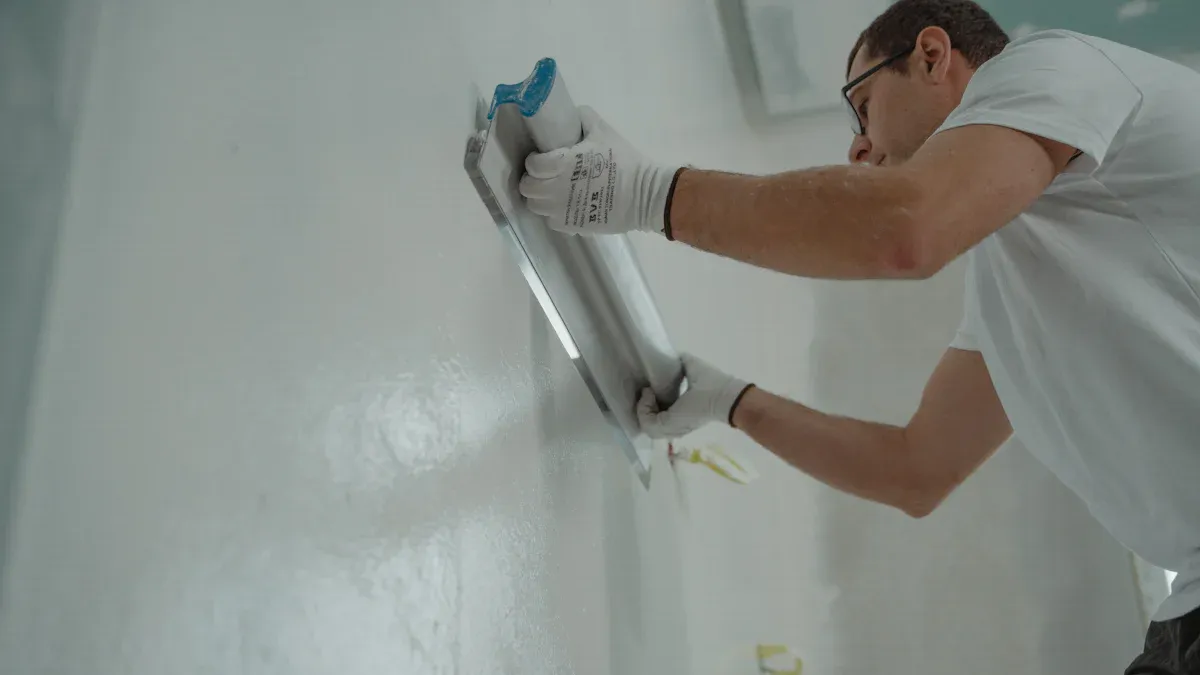
Surface Repair: You address cracks, holes, or uneven areas. You fill cracks in concrete. You sand or patch rusted metal. You sand and fill gaps in wood.
Abrasion or Etching: You roughen smooth surfaces. You use techniques like sandblasting, grinding, or acid etching. This creates a proper surface profile for enhanced adhesion.
Priming the Surface: You apply primers to improve adhesion. Primers provide a uniform base for the topcoat. They offer additional protection, such as rust inhibition for metal or moisture barriers for concrete.
Cleaning and degreasing are essential for proper adhesion. You remove dust, dirt, grease, and other contaminants. These create barriers. You use mild detergent for interior walls. Power washing works for exterior grime and mildew. Degreasers like TSP remove oil and residue. Proper drying time is crucial. It prevents moisture interference with bonding. Patching and repairing are crucial for a seamless finish. You address imperfections like cracks, holes, and uneven areas. Small nail holes fill with lightweight spackle. Larger issues require joint compound or plaster repair. For exterior surfaces, appropriate fillers prevent water infiltration and further damage. Sanding and smoothing remove rough spots, old paint, and inconsistencies. This creates the right texture for paint adhesion. It prevents peeling and chipping. For wood, it smooths grain patterns. For drywall, it blends patched areas. Dust removal after sanding is vital. It ensures a flawless finish.
Professional Guidance for Coatings
You might consider hiring professionals for your exterior coating project. They offer expertise and ensure proper application. You should look for specific qualifications and certifications.
You look for contractors who are EPA Lead-Safe Certified. This is especially important for homes built before 1978.
They should be trained and certified in EPA-approved lead-safe work practices.
They must implement lead-safe work zones. This contains dust and debris.
They should be proficient in proper cleanup procedures. This includes using HEPA vacuums.
They must provide detailed documentation of testing, containment, and cleanup.
When seeking professional guidance, you look for firms that maintain EPA Lead-Safe certification. They renew it every five years. They keep renovation records for a minimum of three years after project completion. They have certified renovators. These renovators adhere to EPA standards. They follow strict lead-safe work practices. Their staff completes the 8-hour certified renovator course. This course covers proper lead-based paint work and lead-safe work practices. These qualifications ensure a safe and effective project.
You now understand that the conflict between protection vs appearance is a false choice. This blog demonstrated how the best paint and coatings combine both effectively. You achieve a home that is beautiful, well-preserved, and valuable for years. Make informed decisions. Consider both aspects holistically. True beauty in exterior finishes comes from robust protective coatings. A quality exterior coating ensures lasting appearance. These protective coatings offer superior defense. Your paint will look great longer.