Epoxy flooring provides a durable and versatile floor solution for many spaces. This flooring choice is gaining popularity, with the market expected to grow significantly. The global industrial flooring market, where epoxy holds a dominant share, will reach US$14.81 billion by 2032. You will discover three main epoxy flooring types: flake epoxy flooring, metallic epoxy flooring, and solid epoxy floor coatings. Each offers distinct finishes and characteristics for your floor. Understanding these epoxy options is crucial for your project’s floor. This guide will help you explore the unique benefits and ideal application for each type of epoxy floor.
Key Takeaways
Epoxy flooring is a strong and lasting choice for many floors. It resists heavy use and spills. It also prevents moisture problems.
There are three main types of epoxy floors: flake, metallic, and solid. Each type has a different look and works best for different needs.
Flake epoxy floors have small chips. They offer many colors and help prevent slips. Metallic epoxy floors look like art. They have a shiny, 3D effect. Solid epoxy floors are simple and strong. They are good for tough areas.
Choose your epoxy floor based on what you need. Think about how much traffic the floor will get. Also, think about how it should look and how much it costs. Always consider getting help from a professional.
All epoxy floors are easy to clean. They last a long time. This makes them a good choice for your home or business.
Epoxy Flooring Basics
What is Epoxy
Epoxy is a unique type of polymer material. You create it by mixing two main components: an epoxy resin and a hardener. This mixture starts a chemical reaction. This reaction cures the liquid into a rigid plastic material. Epoxy resins often come from bisphenol-A and epichlorohydrin. Hardeners for epoxy resins include amines, acids, acid anhydrides, phenols, alcohols, and thiols. Some epoxy hardeners are imidazole types, like Epoxy Hardener G-91. Other common hardener chemistries include amine-based hardeners and modified amines. This curing process gives epoxy its exceptional properties.
Core Benefits of Epoxy
Epoxy flooring offers many advantages for your space. It is a highly durable floor coating. This flooring is engineered to last many years. It resists heavy foot traffic, impacts, and chemical spills. You get a smooth, robust surface. Epoxy flooring prevents moisture absorption. This extends its lifespan. It also prevents issues like cracks or mold. You will find epoxy floors have high durability and strength. They offer superior tensile and compressive strength.
Property | Value |
|---|---|
Compressive strength (at 25°C after 7 days curing) | ~81 N/mm² |
Flexural strength | ≥ 30 N/mm² |
Tensile strength | ≥ 15 N/mm² |
This high strength means your floor can support heavy loads. Epoxy also has excellent abrasion resistance. This makes it ideal for busy areas. You will find cleaning epoxy flooring easy. You can sweep or dry mop daily. For weekly cleaning, use a damp mop with warm water and a pH-neutral cleaner. This simple maintenance helps your floor last 20 years or more. This outperforms many other flooring options.
Factors for Epoxy Choice
Choosing the right epoxy flooring involves considering several factors. You need to assess your project’s specific needs. Think about the environment where you will install the floor. Environmental factors greatly influence your choice. High temperatures can affect epoxy. However, epoxy performs well under heat spikes. Its composition provides thermal resistance. This prevents warping or discoloration. High humidity also impacts epoxy. Yet, epoxy’s nonporous nature makes it suitable for humid areas. It resists excess moisture buildup. This prevents mold and mildew.
Chemical exposure is another critical factor. Epoxy floors are known for their chemical resistance. Different epoxy formulations offer varying levels of resistance. You must evaluate potential hazards. This helps you choose the right protection system. Always apply epoxy flooring under controlled conditions. Proper temperature and humidity levels are important for curing. This ensures a high-quality finish and optimal performance.
Flake Epoxy Flooring: Versatile & Durable
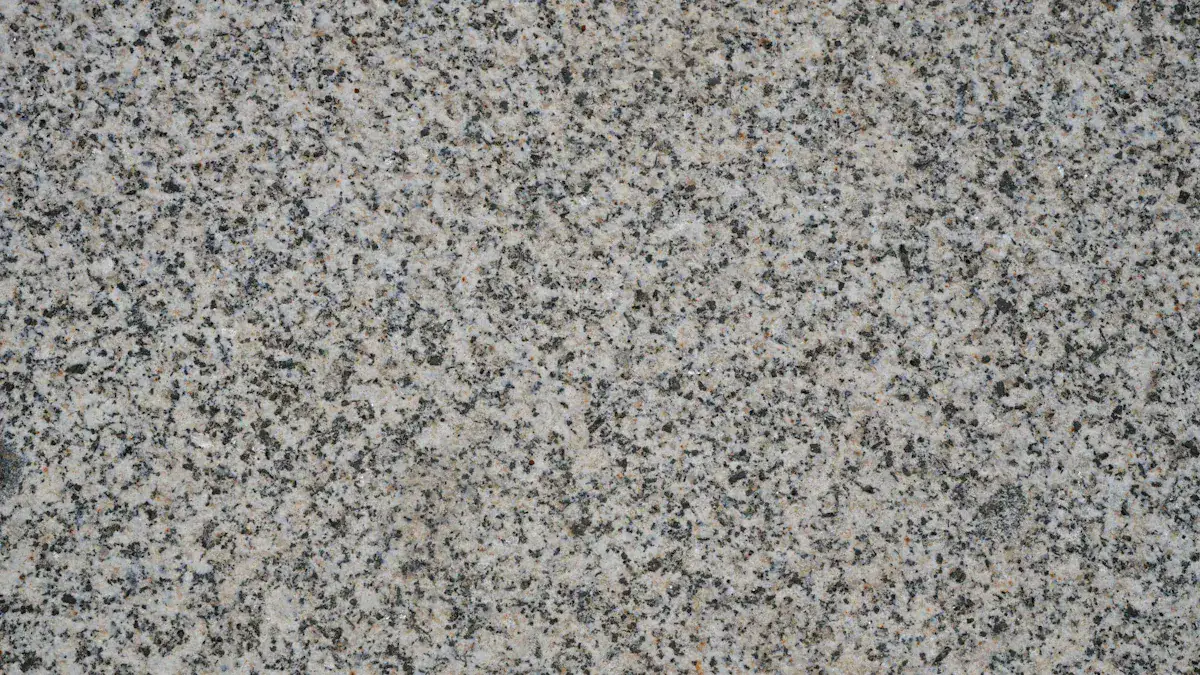
Flake epoxy flooring offers both aesthetic versatility and enhanced slip resistance. You might also know these as epoxy chip floors. They provide many color and texture combinations. This creates a seamless, visually appealing surface. Flake epoxy flooring gives your space a practical, finished look. It elevates the aesthetics of any area, from a commercial showroom to your home garage.
Flake Epoxy Appearance
Flake epoxy floors get their unique look from decorative flakes. These flakes are usually made from vinyl and acrylic resins. They combine into a polymer paint aggregate. This creates a look similar to granite. You can also find flakes made from wood, metal, and quartz. These flakes range in size from about 1/32 inch up to 1 inch. Each flake size changes the overall appearance and texture of your floor. Larger flakes often have more random shapes and dimensions. Smaller flakes become more consistent in shape and size.
Larger Flakes (1/2″ or greater): These flakes have an organic, random shape. They offer wider dimension variation. This creates a bolder, more visually striking appearance. They are ideal for making a statement in larger spaces.
Medium Flakes (1/4″ to 1/2″): These flakes balance size variation and consistency. Medium flakes provide a unique, textured look. They suit various settings.
Smaller Flakes (1/8″ to 1/32″): As flakes get smaller, they become more uniform. This creates a smoother, more subtle finish. They are ideal for a clean, contemporary look. You can also use them in smaller areas.
You have many aesthetic variations and color combinations for your flake epoxy flooring. Popular options include:
Cabin Fever
Orbit
Domino
Gravel
Shoreline
Nightfall
Creekbed
Tidal Wave
Outback
Wombat
You can even achieve a glitter epoxy flooring effect with specific flake types. This allows for extensive customization.
Benefits of Flake Epoxy
Flake epoxy floors offer significant advantages. Their durability makes them a top choice. The added flakes introduce texture to the surface. This makes your floor slip-resistant. This is a key safety feature, especially in busy areas or your garage. The slip resistance of epoxy flake flooring uses the Dynamic Coefficient of Friction (DCOF). This measures resistance during motion. The American National Standards Institute (ANSI) 326.3 standard sets a minimum wet value of greater than 0.42 for slip resistance.
Condition | Flake Epoxy (Chip) DCOF Value |
|---|---|
Dry (single grout coat over broadcast) | ≥0.8 without anti-slip additives |
Wet (single grout coat over broadcast) | ≥0.42 without anti-slip additives |
This enhanced resistance makes flake epoxy a safe option. The multi-layered system also adds strength to your floor. This protects it from impacts and abrasions. This type of epoxy flooring is also easy to clean and maintain. This adds to its long-term value.
Flake Epoxy Applications
Flake epoxy flooring is highly versatile. You can use it in many different environments. Its durability and aesthetic appeal make it suitable for both commercial and residential spaces.
Common commercial settings for flake epoxy include:
Retail spaces
Restaurants
Warehouses
Manufacturing facilities
Showrooms
Specific applications highlight its benefits:
Showrooms: Flake epoxy offers aesthetic flexibility. It brightens spaces. It enhances product displays.
Warehouses: This flooring withstands heavy machinery. It handles forklift traffic. It endures constant movement of goods.
Healthcare Facilities: It creates a seamless, non-porous surface. This makes it easy to sanitize. It is also slip-resistant.
Manufacturing Plants: It endures heavy loads and chemicals. It handles extreme temperatures. It provides anti-slip properties.
Workshops: It resists impacts, abrasions, and chemicals. It is easy to clean.
You will also find flake epoxy in:
Schools and Universities (classrooms, corridors, locker rooms)
Industrial Facilities (warehouses, manufacturing floors)
Hospitals and Healthcare Settings (patient rooms, operating theaters)
Sports Facilities (gymnasiums, locker rooms, indoor courts)
Hotels and Commercial Spaces (lobbies and entrances)
For your home, flake epoxy is perfect for garage floors. It transforms a dull garage into a vibrant, functional space. Many choose quartz epoxy flooring for its added strength and unique look in high-traffic areas like the garage.
Customizing Flake Epoxy
Customization is a major advantage of flake epoxy. You can choose from a vast array of colors. You can select different flake sizes. You can even mix various flake materials like vinyl, acrylic, or quartz. This allows you to create a truly unique floor. You can match your brand colors for a commercial application. You can complement your home décor for your garage. The ability to blend colors and sizes means your floor can be as subtle or as bold as you desire. This level of customization ensures your epoxy floor perfectly fits your vision. For example, you can design a garage floor that stands out. You can also create a subtle, professional look for an office.
Metallic Epoxy Flooring: Artful Design
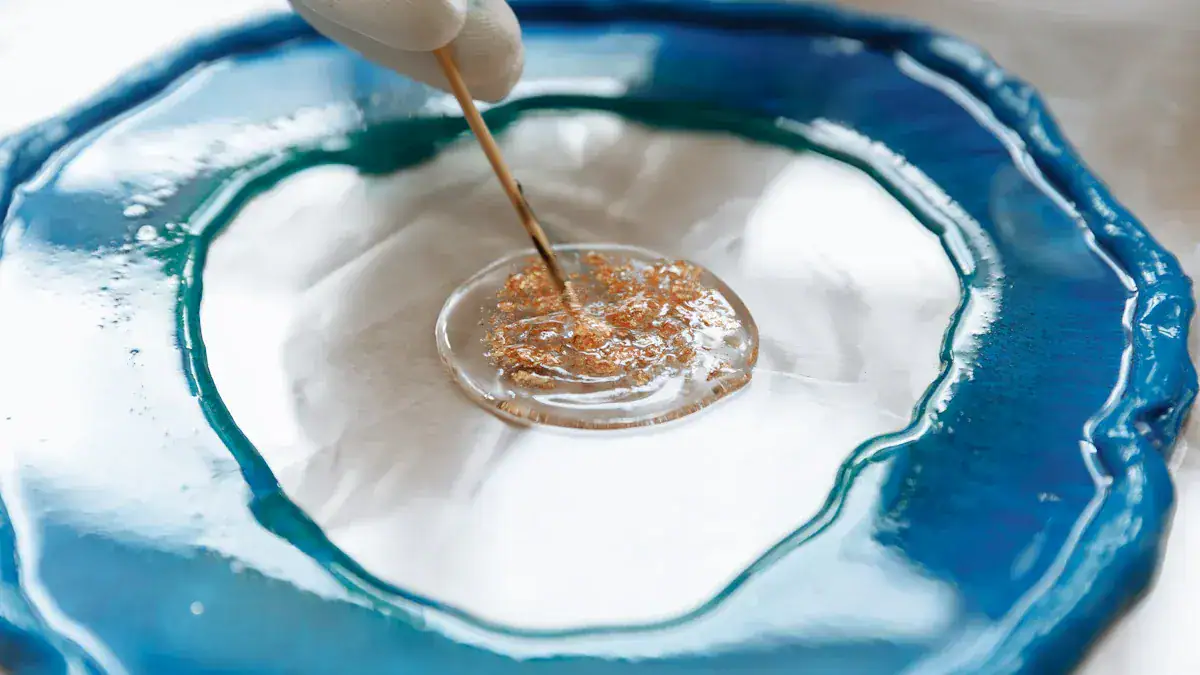
Metallic epoxy flooring transforms your floor into a work of art. This type of epoxy flooring uses three distinct layers of epoxy coatings. These layers create a fluid, marble-like 3D finish. You will see a dynamic color-changing effect. It mimics natural scenes like molten metal or flowing water. This creates an upscale, showroom-like ambiance.
Metallic Epoxy Aesthetics
Metallic epoxy floors get their unique look from special pigments. These are pearlescent, light-reflective pigments. They are suspended in a tinted resin base. This creates a three-dimensional, marbled effect. Each pour is unique. This gives your floor a distinct appearance. You will find metallic pigments mixed with epoxy resin. This creates stunning 3D effects. Pearlescent metallic epoxy uses pigments that reflect light. This gives a subtle, shimmering effect. It looks like the soft glow of a pearl. This adds sophistication and depth to your floor.
Metallic liquid epoxy pigments use mica nanoparticles. These nanoparticles are coated with various organic and inorganic colors. They create pearlescent and iridescent effects. You can find colors like Metallic Silver, Blue Mist, Olive Green, Charcoal, Mocha, Copper, Ruby, Aqua, and Hot Chocolate. These pigments create mesmerizing 3D effects. Specific colors often include gold, silver, copper, and multicolor effects.
Metallic epoxy floors are special because of their depth and dimension. They create shifting, flowing patterns. These patterns change with light and your viewing angle. The metallic pigments in the clear epoxy layer create dynamic movement. This makes surfaces look three-dimensional and fluid. Metallic epoxy coatings are multi-layered systems. They use 100% solid epoxy. This epoxy has metallic pigments infused into it. These pigments are fine powders of aluminum, bronze, or copper. They are suspended in the resin. They reflect light. This creates a unique depth and shimmer. During curing, the pigments are heavier than the resin. They sink, twist, and react to air currents and tool movements. This forms unpredictable yet elegant patterns. This dynamic behavior and light refraction give visual depth and movement to your floor.
Advantages of Metallic Epoxy
Metallic epoxy flooring offers many benefits. It turns a simple floor into a work of art. The design possibilities are endless. You can have floors that look like natural stone, flowing water, or abstract art. No two metallic epoxy floors are ever the same. This makes them a powerful statement piece in any room. The wide range of colors and finishes provides design customization. Many other flooring materials cannot match this.
Metallic epoxy floors have a glossy, decorative finish. This creates depth and shine. It reminds you of marble or flowing water. Each floor is unique. This makes it perfect for you if you want to make a bold statement with your flooring. Metallic epoxy is very versatile in customization. You have many colors, patterns, and finishes available. It can fit any environment. From a metallic epoxy basement floor to a chic boutique showroom, your options are endless. Their striking 3D appearance adds vibrant color and depth to traditional floor designs. Interior designers approve of this.
Epoxy is known for its practicality. It is also a symbol of luxury. High-end homes and commercial spaces use epoxy designs. They can look like premium materials or even better. This dual identity makes epoxy relevant to modern lifestyles. People want luxury without losing convenience. Metallic epoxy floors are popular in luxury apartments, showrooms, and boutique hotels. Their shimmering finish and depth create grandeur. This instantly improves the atmosphere. With ambient lighting, metallic epoxy can create dramatic reflections. It turns a floor into an art piece.
Epoxy flooring is also an artistic medium. It allows for dynamic expressions of creativity. Designers can use colors, textures, and finishes in ways traditional flooring cannot. You can create abstract swirls of color. They can look like fluid paintings. This turns the floor into an art installation. Metallic pigments can be layered to create depth. This gives the illusion of movement across the surface. Three-dimensional designs push this artistry further. They blur the line between flooring and visual art. This artistic potential is appealing in modern interiors. Personalization is very important there.
Metallic epoxy flooring will instantly improve your property’s look. The bright and eye-catching look of this decorative floor coating will make your room stand out. Metallic floors create a one-of-a-kind surface. It is unique to you and your style. Metallic floors are a fun, inventive, and artistic way to create extraordinary finishes. Investing in metallic epoxy coatings for your home is a great way to improve its value. This material enhances its function and looks. It also increases your home’s overall value. Beautifully coated floors will help you make more money if you sell your house later.
Metallic Epoxy Uses
Metallic epoxy flooring is very versatile. You can use it in many places.
Residential: You can use it in living rooms, basements, garages, kitchens, and bathrooms.
Retail (Commercial): It works well in retail stores, showrooms, and offices.
Hospitality: You can find it in bars, nightclubs, hotel lobbies, and event spaces.
In retail environments, it creates immersive shopping experiences. It helps reinforce brand identity. For restaurants and bars, it makes eye-catching floors. These floors match the establishment’s mood. Hotel lobbies use it to welcome guests with luxurious entrances. For your home, you can transform basements into entertainment areas. Kitchens get seamless, easy-to-clean surfaces with artistic appeal. Bathrooms get waterproof, luxurious flooring. Garages can become showroom-worthy surfaces. This wide application shows its adaptability.
Achieving Metallic Effects
You use specific techniques to create the unique effects in metallic epoxy flooring. These techniques help achieve artistic looks like marbling and swirling.
First, you spread the epoxy evenly. You use a flat squeegee. You might slightly twirl it while spreading. To create movement, you spray denatured alcohol. You use a hand pump sprayer or spray bottle after spreading. This makes the epoxy “dance and swirl.” You can also add accent colors. Drizzle small amounts of a second metallic color. Then, swirl it into the first color. You use a squeegee or roller for this.
Tools for spreading include rollers, squeegees, or notched trowels. Techniques for patterns include swirling, dragging, and tilting. These create dynamic, flowing patterns. These methods allow you to customize the final look of your metallic floor. This ensures your floor is truly unique.
Solid Epoxy Floor Coatings: Practical & Robust
You need a floor that can handle tough conditions. Solid epoxy floor coatings are your answer. They are practical and robust. You will find them suitable for environments with heavy-duty use and high stress. This type of epoxy provides a seamless, protective layer.
Solid Epoxy Characteristics
Solid epoxy coatings come in different thicknesses. You can choose the right one for your needs.
Thin Coatings (4-10 mils): These are good for light-duty applications. Think of your residential garage or basement. They offer basic protection.
Medium Thickness (10-20 mils): These are ideal for commercial spaces. You can use them in offices and retail areas. They handle moderate foot traffic. They balance durability and cost.
Thick Coatings (20-40 mils or more): These are for heavy-duty industrial settings. You will see them in warehouses. They are also good for areas with frequent heavy machinery. They give you maximum durability.
Solid color epoxy flooring offers a timeless look. You can easily match your existing decor or branding. Neutral tones are common choices. These include grey, white, beige, and black. They give you a clean and professional appearance. You will find them ideal for commercial spaces, offices, and residential areas. They provide a uniform and cohesive look.
You also have choices for finishes.
Glossy Finish: This finish is highly reflective. It enhances lighting. It creates a bright, clean, modern, and sleek aesthetic. It is popular for showrooms, commercial spaces, and your garage.
Matte Finish: This offers a subtle, non-reflective surface. It hides imperfections. It reduces glare. It is practical for industrial settings, warehouses, and high-traffic areas. Functionality is key here.
Satin Finish: This is a middle ground. It has a soft sheen. It offers an attractive and functional option. It is low-maintenance. It hides dirt and dust better than glossy finishes. It is versatile for offices, retail, and residential areas.
This solid epoxy provides excellent strength. It gives your floor a long-lasting surface.
Benefits of Solid Epoxy
Solid epoxy offers many benefits. You get exceptional durability. This makes it a top choice for demanding spaces. The epoxy creates a hard, non-porous surface. This surface resists impacts and abrasions. It also stands up to heavy loads. This strength ensures your floor lasts for years. You will appreciate its chemical and moisture resistance. This protects your floor from spills and dampness. It prevents damage from many substances. This makes it easy to clean. You can maintain a hygienic environment. Solid color epoxy flooring is also very practical. It provides a consistent look. This enhances the overall appearance of your space. This type of flooring is a smart investment. It offers long-term performance and protection.
Solid Epoxy Applications
You can use solid epoxy flooring in many industrial and commercial settings. It is a preferred choice in warehouses, laboratories, and commercial kitchens. You will also find it in factories. Its durability and long-lasting nature make it ideal. It has a sleek and glossy finish. It resists stains and spills. This helps you maintain a clean environment.
Consider these specific applications:
Aircraft Hangars
Chemical Storage
Clean Rooms
Commercial Kitchens
Food and Beverage Processing
Manufacturing
Mechanical Equipment Rooms
Pharmaceutical Facilities
Restrooms
Secondary Containment
Shop Floors
Warehouses
You will also see solid epoxy in retail stores. They prefer its polished, durable surface. It handles high traffic. It still looks attractive. Restaurants and cafés choose it for being non-porous and stain-resistant. This ensures hygienic and stylish dining areas. Offices value it for a sleek, professional finish. It complements modern workspaces. Fitness centers use it for its durability. It withstands heavy equipment and high activity. Healthcare facilities select it for being seamless and easy to sanitize. It meets strict cleanliness standards. For your home, you can use it in your garage. It provides a tough, easy-to-clean floor. This application is very popular.
Solid Epoxy Customization
You have many customization options for solid epoxy flooring. You can choose from various solid color options. This allows for personalized aesthetics. You can tailor the epoxy to match your branding. You can also enhance the aesthetics of your space. Color can serve functional purposes too. You can define walkways. You can mark hazardous zones. You can separate production areas. This is similar to line striping.
You can also make your epoxy system slip-resistant. You incorporate additives for this. These additives enhance traction. This ensures you meet safety requirements. Some solid epoxy flooring, like Everlast® Industrial Floor, already has a seamless, evenly textured, slip-resistant finish. Beyond its functional properties, you get extensive customization in color. Many bright and attractive options are available. You can even incorporate custom designs and logos directly into the flooring. This allows for unique aesthetic and branding opportunities. You can design your garage floor with a specific color. This customization ensures your floor perfectly fits your vision.
Comparing Epoxy Flooring Types
You need to understand the differences between epoxy flooring types. This helps you choose the best option for your space. Each type offers unique benefits. You will find distinct aesthetics, performance, costs, and maintenance needs.
Aesthetic Differences
Each epoxy flooring type creates a different visual impact. You can choose a floor that matches your style.
Feature | Metallic Epoxy Flooring | Flake Epoxy Flooring |
|---|---|---|
Visual Impact | Creates a unique, three-dimensional, fluid, and often iridescent appearance. The metallic pigments swirl and shift. They mimic natural elements like flowing water, molten metal, or cloudy skies. This offers a high-end, luxurious, and modern aesthetic. | Provides a textured, multi-colored, and often granite-like or terrazzo-like appearance. The vinyl flakes broadcast onto the wet epoxy. This creates a speckled or chipped look. This offers a more traditional, durable, and slip-resistant aesthetic. |
Design Flexibility | Highly customizable with various metallic pigment colors. This allows for unique patterns and effects. You can manipulate it during application to create specific designs. These include marbling or wave patterns. The final look is often artistic and abstract. | Offers a wide range of flake sizes, colors, and blends. This allows for customization to match specific design preferences or existing décor. You can use it to create subtle or bold patterns. You can adjust the density of the flakes for different visual effects. The final look is often more uniform and consistent. |
Aesthetic Appeal | Often chosen for its ability to create a ‘wow’ factor. It gives a sense of sophistication. This is ideal for spaces where you want a unique and artistic floor. Examples include showrooms, retail spaces, or high-end residential interiors. | Often chosen for its ability to provide a durable, practical, and aesthetically pleasing surface. This is ideal for spaces where you need a hard-wearing and slip-resistant floor. Examples include garages, workshops, commercial kitchens, or industrial facilities. |
Maintenance | Generally easy to clean and maintain. However, the smooth, glossy surface can show imperfections or scratches more easily. It requires regular cleaning to maintain its luster. | Generally easy to clean and maintain. The textured surface can help to hide imperfections or dirt. The flakes also provide a degree of slip resistance. This can be beneficial in certain environments. |
Cost | Can be more expensive. This is due to specialized application techniques and the cost of metallic pigments. | Generally more cost-effective. This is due to the simpler application process and the lower cost of vinyl flakes. |
Durability | Highly durable. It resists abrasions, chemicals, and impacts. However, the smooth surface can be more prone to showing scratches or wear over time. | Highly durable. It resists abrasions, chemicals, and impacts. The textured surface provided by the flakes can also help to improve slip resistance and hide imperfections. |
Application | Requires skilled applicators. They achieve the desired artistic effects. The process involves careful manipulation of the metallic pigments. This creates unique patterns. | Relatively simpler application process. It involves broadcasting the flakes onto the wet epoxy. You can adjust the density and distribution of the flakes. This achieves different visual effects. |
Best Suited For | Showrooms, retail spaces, restaurants, hotels, art galleries, residential living areas, basements, and other areas where you want a high-end, unique, and artistic floor. | Garages, workshops, commercial kitchens, industrial facilities, warehouses, locker rooms, and other areas where you need a durable, practical, and slip-resistant floor. |
Solid epoxy flooring offers a clean, uniform look. You can choose from many colors. This creates a professional and consistent appearance. You can also achieve a glitter epoxy flooring effect with specific flake types. This adds sparkle and visual interest.
Performance Comparison
You will find significant differences in performance among the epoxy flooring types. Each type offers specific benefits for durability and strength.
Solid epoxy provides exceptional strength. It handles heavy-duty use and high stress. This makes it ideal for industrial settings. It offers excellent impact and abrasion resistance. Flake epoxy also provides great durability. The added flakes enhance slip resistance. This makes it safer in busy areas. The textured surface helps hide minor imperfections. Metallic epoxy is also very durable. It resists chemicals and impacts. However, its smooth, glossy finish might show scratches more easily than flake or solid options. All epoxy flooring types offer good chemical resistance. They protect your floor from spills. This ensures long-lasting performance.
Cost Considerations
Your budget plays a big role in choosing epoxy flooring. Costs vary based on the type and complexity of the installation.
Epoxy Type | Cost Per Square Foot |
|---|---|
Metallic Epoxy | $9 – $12 |
Decorative Flakes | $7 – $10 |
Solid Color Epoxy | $3 – $7 |
For solid-color epoxy floors, the material cost is about $2 per square foot. You will pay an additional $2 to $4 per square foot for installation labor. Decorative flakes add about $0.04 per square foot to the cost. High-end metallic epoxy designs can range from $5 to $12 per square foot. These costs include both materials and labor.
Maintenance Needs
All epoxy flooring types are easy to maintain. This contributes to their long-term value.
Flooring Type | Expected Lifespan | Long-Term Maintenance Costs |
|---|---|---|
Metallic Epoxy | 10-20 years | Low; minimal maintenance, easy to clean, resistant to stains/oils/moisture, fewer repairs/replacements, long-term savings due to durability and low upkeep. |
Solid Epoxy | 10-20 years or more | Very cost-effective; routine cleaning, no expensive supplies or professional services, less frequent need for repairs/replacement. |
Flake Epoxy | N/A | N/A |
You can easily clean metallic epoxy and solid epoxy with routine sweeping and mopping. They resist stains, oils, and moisture. This means fewer repairs or replacements. This leads to long-term savings. Flake epoxy also offers easy cleaning. Its textured surface can help hide dirt between cleanings. All types of epoxy offer excellent performance with minimal upkeep.
Selecting Your Epoxy Flooring
Assessing Project Needs
You must carefully assess your project’s needs. This helps you choose the right epoxy flooring. Consider the level of traffic your floor will endure. Think about environments where chemical spills are a possibility. Also, consider the aesthetic expectations of your project. For heavy traffic, industrial-grade epoxy is essential. If chemical exposure is a concern, systems with excellent chemical resistance are critical. Aesthetically, you have many options. These range from solid colors to decorative flake and metallic epoxies. This allows for customization based on your design vision. Different epoxy systems, like self-leveling or high-build, have specific surface profile needs. These needs influence their intended performance and aesthetic outcomes. Thin-film epoxy coatings, for example, require controlled surface profiles. This ensures optimal results. Proper surface preparation is key for any epoxy application.
Budget and Timeline
Your budget and timeline significantly influence your epoxy flooring choice.
Project Type / Installation Method | Budget Range (per sq. ft.) | Installation Timeline |
|---|---|---|
DIY Installation | ||
Materials Only | $1 – $3 | 2-4 days (typical garage) |
Tools/Equipment | $200 – $500 (one-time) | N/A |
Professional Installation | ||
Total Cost | $6 – $15 | 1-3 days (depending on size) |
Typical Project Costs | ||
Single Car Garage (200-250 sq. ft.) | $2,000 – $3,500 (total) | N/A |
Two-Car Garage (380-450 sq. ft.) | $4,000 – $7,000 (total) | N/A |
Small Commercial Space (1,000 sq. ft.) | $8,000 – $15,000 (total) | N/A |
Large Warehouse (5,000+ sq. ft.) | $30,000 – $75,000+ (total) | N/A |
Epoxy System Types | ||
Water-Based Epoxy | $1 – $3 | N/A |
Solvent-Based Epoxy | $3 – $5 | N/A |
100% Solids Epoxy | $5 – $8 | N/A |
Solid-Color Epoxy Floors | $3 – $7 | N/A |
Flake Epoxy Floors | $7 – $10 | N/A |
Metallic Epoxy Floors | $9 – $12 | N/A |
Quartz Broadcast Floors | $9 – $12 | N/A |
Urethane Cement Floors | $20+ | N/A |
Professional installation costs more. However, it ensures quality and saves you time. A typical garage floor installation might take 1-3 days. Consider the long-term value. A durable epoxy floor reduces future repair costs for your garage. You can transform your garage with the right epoxy. This investment enhances your garage. |
Matching Epoxy to Environment
You must match the epoxy type to your needs and environment. Epoxy flooring is significantly affected by environmental conditions. These include temperature, humidity, and UV exposure. Extreme heat can cause thermal expansion. This leads to stress fractures. Cold temperatures cause contraction. This can lead to gaps or cracking. Rapid temperature fluctuations induce repeated stress. This can result in fatigue failure. High humidity during installation can hinder proper curing. This leads to blistering or cloudiness. Moisture-tolerant epoxy formulations are available for challenging humidity conditions. These use modified hardener chemistry. They are less susceptible to moisture interference. For regions with high solar exposure, UV-resistant systems are recommended. These maintain color stability. Flexible epoxy formulations are beneficial in areas with significant temperature variations. They accommodate thermal movement. Proper substrate preparation is critical in challenging climates. This includes adequate moisture vapor barriers. This manages climate-related stresses. This ensures your garage floor lasts. A well-chosen epoxy protects your garage.
Professional Consultation
You should seek professional consultation. This ensures you make the best decision for your epoxy floor. Experts can guide you through the options. They help you match the epoxy type to your needs. Look for installers with specific qualifications and certifications. Organizations like the International Certified Flooring Installers Association (CFI) offer professional development. They provide certifications for flooring installers. Training and certification classes cover many aspects. These include surface preparation, concrete testing, and application. These specialized courses address various epoxy types. This includes metallic, flake, quartz, and glitter finishes. A certified professional ensures proper installation. This guarantees the longevity and performance of your epoxy. They can help you choose the best epoxy for your garage.
You have explored flake, metallic, and solid epoxy flooring types. Each epoxy offers unique aesthetics, durability, and application. Consider your specific needs, desired look, and functional requirements. This helps you choose the right epoxy. Epoxy flooring provides long-term value. It is a smart investment for your space. For personalized recommendations and expert installation, seek professional consultation. Proper installation ensures your new epoxy meets all expectations. A professional installation guarantees quality. This careful installation protects your investment.
FAQ
Can I install epoxy flooring in my garage myself?
You can install epoxy flooring in your garage. However, professional installation ensures the best results. Proper surface preparation is crucial for a durable finish. Experts guarantee a long-lasting garage.
How long does epoxy flooring last in a garage?
Epoxy flooring in your garage can last 10 to 20 years or more. This depends on the type of epoxy and traffic. Proper installation and maintenance extend the life of your floor. This makes it a great investment.
Is epoxy flooring slippery in a garage?
Epoxy flooring can be slippery when wet. You can add anti-slip additives to the topcoat. This increases traction. Flake epoxy also offers enhanced slip resistance for your garage floor.
What is the best epoxy type for a garage?
Solid color or flake epoxy are excellent choices for a garage. They offer durability and resistance to chemicals. Flake epoxy adds slip resistance and aesthetic appeal to your garage floor.
How do I clean my epoxy floor?
You can clean your epoxy floor easily. Sweep or dry mop daily. For deeper cleaning, use a damp mop with warm water. A pH-neutral cleaner works best. This keeps your garage looking new.