You often find joy and savings in completing home projects yourself. However, home improvement safety is crucial. Many diy projects unfortunately result in injuries like falls, cuts and lacerations, or even back injuries. This makes a clear safety guide essential. How do homeowners know when to diy and when to hire a professional? This guide provides clear guidance, helping you make smart, informed decisions for all your home projects.
When to Hire a Pro: Essential for Home Safety
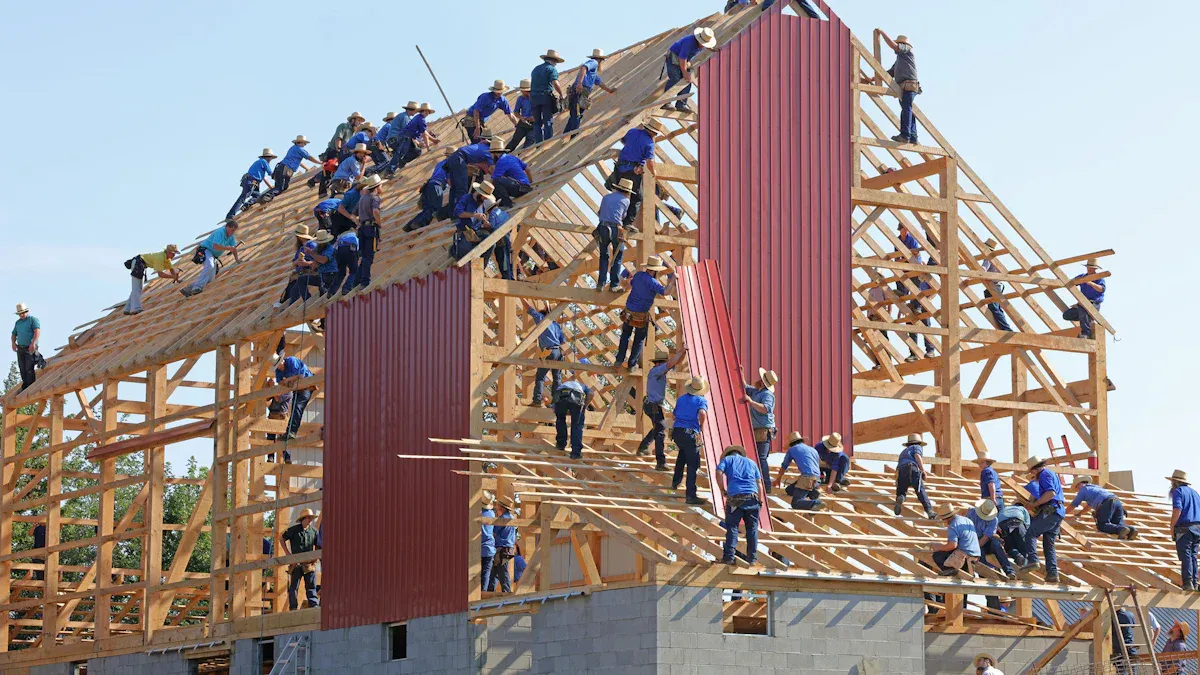
Some home renovation projects are simply too dangerous or complex for a do-it-yourself approach. These tasks require specialized knowledge, tools, and often legal compliance. They involve significant safety risks, potential for expensive damage, and frequently need permits and inspections. You should always consider hiring a professional for these critical home safety tasks.
Complex Electrical Work
Tackling complex electrical work yourself poses serious risks. Electrocution is a primary danger. Contact with live wires can be fatal, even low-voltage shocks can disrupt your heart rhythm. Faulty wiring, inadequate insulation, and mishandling tools increase this risk. Inexperienced homeowners also risk fire hazards. Poor wiring can lead to overloaded circuits, loose connections, and incorrect wire gauges. These issues cause overheating, sparks, and fires. Even small mistakes, like tangled cords, can lead to devastating electrical fires.
Tip: Most electrical projects require a permit. You need a permit to add, modify, or install new components in your home’s electrical system. This includes changing wiring, running new lines, installing new outlets, or upgrading your main panel. Without a permit, you could face fines, be forced to redo the work, and even be liable for injuries. Insurance providers may deny coverage for fires if the work was substandard. Always consult your local building department or hire a licensed contractor for electrical work.
Major Plumbing and Gas Lines
Working with major plumbing and gas lines is another area where you need a contractor. Improperly installed gas lines can lead to gas leaks, explosions, and carbon monoxide poisoning. Carbon monoxide is a silent, invisible, and fatal gas. Incorrect installation or ventilation of gas appliances can cause it to build up in your home. Gas leaks, even small ones, can ignite and cause fires that are hard to control. These fires can cause extensive damage to your home.
Note: Plumbers working on gas lines often hold specialty certifications in gas plumbing. This ensures they understand natural gas and propane systems, pressure testing, and leak detection. They also comply with gas safety codes. For any plumbing inside walls or gas line work, always verify your contractor has the necessary licenses and certifications, such as a Journeyman or Master Plumber license.
Structural Repairs and Foundations
Any home renovation involving major structural changes or foundation repairs demands a skilled contractor. Inadequate repairs can lead to significant financial burdens. You might face high repair expenses, need temporary housing, and even find your insurance won’t cover damages. Poor workmanship also reduces your home’s value. Defects can make your property harder to sell and even impact the reputation of your entire neighborhood.
Warning: Foundation problems can cause health risks. Dampness from these issues leads to mold and mildew growth, affecting indoor air quality. This can worsen respiratory problems. Lenders may also require extensive inspections, impacting your home’s appraised value and making financing difficult.
You need permits for many structural modifications. This includes altering a load-bearing wall, enlarging an opening, changing a header, or creating new openings. Inspections of foundations and footings are typical milestones before concrete or backfill. Always hire a contractor or structural engineer for these critical projects. They ensure your home’s integrity and safety.
HVAC System Overhauls
An hvac installation or overhaul is a complex task best left to a contractor. Professional installation maximizes efficiency and minimizes energy loss. Expertly installed systems operate at their full potential, leading to significant reductions in utility bills. Upgrading your hvac system can reduce monthly utility bills by 20-40%. Some clients have seen a 50% reduction in energy expenses after modernizing their temperature control systems. This can result in tens of thousands of dollars in annual savings.
Tip: HVAC professionals use specialized tools and diagnostic equipment. These include thermal imaging, vibration analysis, sophisticated sensors, digital gauges, and refrigerant leak detectors. They also use psychrometers to measure air moisture. You likely do not own these tools, nor do you have the training to use them effectively. A qualified contractor ensures your hvac system runs safely and efficiently.
Roofing and Exterior Integrity
Roofing work is inherently dangerous due to heights and potential for falls. Common causes of roof leaks include damaged shingles, flashing failure around vents, and clogged gutters. These issues allow water to seep into your home, causing mold growth, wood rot, and damage to insulation and interior surfaces.
Safety First: Fall protection is mandatory for any work over 6 feet. Professionals use personal fall arrest systems (PFAS), guardrails, or safety nets. They also conduct regular hazard assessments and receive specific training. You should wear a properly fitting harness and keep it connected to a secure roof anchor. Ensure your working space is neat and free of debris. Always hire a roofing contractor for significant repairs or replacements. They have the equipment and training to work safely.
Hazardous Material Removal
Removing hazardous materials like asbestos or lead-based paint is not a DIY job. Exposure to asbestos can cause mesothelioma, a cancer affecting the lining of the lungs. It can also lead to asbestosis, a chronic lung condition. Lead exposure, especially from dust or chips, can severely impact children’s health, causing brain damage and behavioral problems. Even low levels can cause anemia, high blood pressure, and kidney failure.
Important: Household hazardous waste is regulated at state and local levels. You must follow product label instructions for use, storage, and disposal. Never mix hazardous products. Utilize community collection programs or designated collection days for proper disposal. Improper disposal, like pouring down drains, pollutes the environment and poses health risks. Always hire a certified contractor for hazardous material removal. They follow strict safety protocols and legal regulations.
Large-Scale Installations
Large-scale installations, such as built-in appliances or complex home systems, often require expert guidance. Professional installation ensures optimal performance and appearance. For example, installing built-in refrigeration can cost between $3,000 to $5,000. While DIY might seem cheaper initially, professional installation often includes a warranty on both the equipment and the labor. This provides a more comprehensive safety net.
Consider This: DIY installations typically only cover the manufacturer’s warranty on the equipment. They do not cover errors or damage during self-installation. A professional contractor reduces the risk of installation errors. They are trained and insured, minimizing potential additional costs from mistakes. While the upfront cost may be higher, the long-term value is often greater due to proper installation, comprehensive warranty, and expert support. For significant projects like these, consider hiring trusted general contractors.
Safe DIY Projects to Tackle
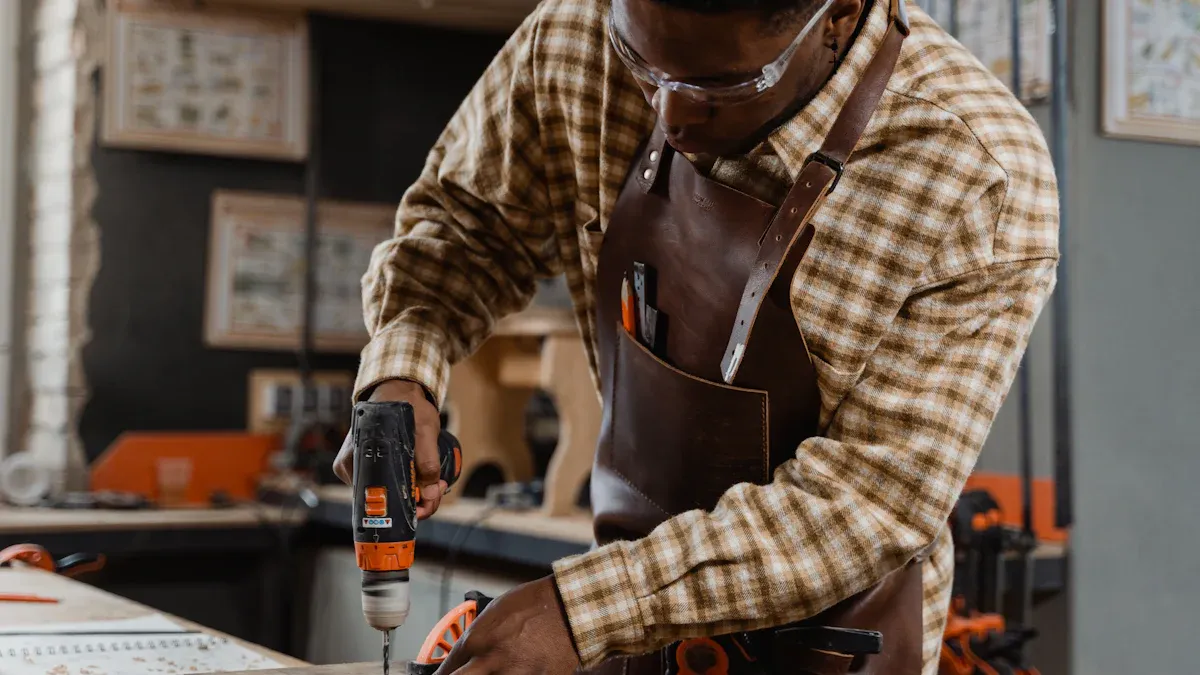
You can save money and gain satisfaction from many home improvement tasks. These diy projects are manageable for you if you have basic skills and tools. They offer a great way to improve your living space without the expense of hiring a professional. Always remember to research thoroughly and follow safety measures.
Interior Painting and Prep
Painting is one of the most popular diy projects. It instantly refreshes a room. You can easily prepare walls by cleaning them, filling small holes, and taping edges. Choose your colors carefully. Apply painter’s tape for crisp lines. Use drop cloths to protect your floors and furniture. Proper ventilation is key when you paint. Open windows and use fans to ensure good airflow. This helps paint dry faster and reduces fume inhalation. You will find great satisfaction in transforming a room with a fresh coat of paint.
Minor Landscaping Updates
Enhancing your yard does not always require a professional. Minor landscaping updates are perfect diy projects. You can plant flowers, trim small shrubs, or lay mulch. These tasks improve curb appeal. They also make your outdoor space more enjoyable. When you use ladders or power tools for these tasks, always prioritize safety.
Safety First for Ladders and Tools:
Consider alternatives to ladders if possible, like long-handled tools.
Place your ladder on even, stable ground. Never put it on slippery surfaces.
Maintain three points of contact when you climb or work on a ladder. This means two hands and one foot, or two feet and one hand.
Keep your belt buckle between the ladder’s side rails. This helps you maintain your balance.
Reposition the ladder if you cannot reach your work easily. Do not overreach.
Inspect your ladder before each use. Take your time when you go up or down.
Use barricades, a spotter, or signs if you work in a busy area. Make the ladder highly visible.
Basic Fixture Replacements
Replacing old light fixtures or faucets is a straightforward diy task. You can update the look of your kitchen or bathroom easily. Always turn off the power at the breaker for light fixtures. Shut off the water supply for faucets.
Essential Tools for Fixture Replacements:
Adjustable Wrench: This tool handles many nut sizes. It works well on supply lines and shutoff valves.
Tongue-and-Groove Pliers: Use these for a firm grip on irregular shapes. They help hold slip nuts or secure connectors.
Basin Wrench: This tool reaches nuts behind sinks. It is perfect for installing or removing faucets.
Strap Wrench: Use this to grip pipes without damaging their finish. It protects delicate parts like chrome.
Flashlight: You need good light in dim spaces. A headlamp keeps your hands free.
Shutoff Valves: Make sure your shutoff valves work. They stop water flow during replacement.
Teflon Tape: Wrap this clockwise on male pipe ends. It prevents leaks at threaded joints.
Bucket: Keep a bucket handy to catch any residual water.
Screwdriver: You will need flathead and Phillips screwdrivers for various screws.
Safety Goggles: Protect your eyes from debris.
Small Drywall Repairs
You can fix many common drywall issues yourself. These diy projects save you money. They also keep your walls looking great.
DIY-Friendly Drywall Damage:
Nail Pops: These are small bumps from nails or screws pushing out. You can reset the fastener, apply joint compound, sand, prime, and paint.
Dings and Scratches: Everyday wear and tear causes these. Clean the area, apply a thin layer of joint compound, sand, prime, and paint.
Small Holes (under 2 inches): Doorknobs or picture hanging can cause these. Use a patch kit or the ‘California patch’ method. This involves securing a patch, applying joint compound, taping seams, sanding, priming, and painting.
Hairline Cracks: These are often cosmetic. You can fill them with joint compound.
You can repair drywall yourself if the damage is not water-related. Also, ensure the repair is on a wall, not a ceiling.
Caulking and Sealing
Proper caulking and sealing are simple diy tasks with big benefits. You can seal gaps around windows, doors, and in bathrooms. This improves your home’s energy efficiency.
Benefits of Proper Caulking:
Saves Energy: Caulking keeps indoor air from escaping. Your HVAC system works less to maintain temperature. Sealing leaks can reduce energy use by up to 20 percent. This lowers your utility bills.
Improves Air Quality: Gaps let in dust, allergens, and pollutants. Caulking prevents these irritants from entering your home. It also reduces outdoor noise.
Prevents Water Damage: Unsealed joints allow water to seep into walls. This causes rot, mildew, and mold. Caulking creates a waterproof barrier. It stops water from freezing and expanding in cracks during winter.
Smart Home Device Setup
Many smart home devices are designed for easy diy installation. You do not need special tools or extensive technical knowledge. These devices add convenience and efficiency to your home.
User-Friendly Smart Home Devices for Beginners:
Smart Thermostats: Devices like Nest Thermostat are simple to install. They help you manage your home’s temperature efficiently.
Smart Light Bulbs: Philips Hue bulbs are easy to set up. You just screw them in and connect them to an app.
Smart Locks: August Smart Lock offers straightforward installation. It enhances your home security.
Setting up smart light bulbs or a smart thermostat is a simple process. It requires minimal technical knowledge. This makes them accessible and user-friendly for you.
Gutter Cleaning and Maintenance
Cleaning your gutters is an important maintenance task you can do yourself. Clear gutters prevent water damage to your roof and foundation. This is a crucial diy task for home upkeep.
Safety Guidelines for Gutter Cleaning:
Wear Essential Gear: Use sturdy gloves, non-slip shoes, goggles, and a helmet. This protects you from debris and falls.
Check Weather Conditions: Clean gutters on clear, calm days. Avoid high winds, rain, or icy conditions.
Inspect Equipment: Check your ladder and tools before you start. Make sure they are stable and functional.
Ladder Safety: Place a sturdy extension ladder on a stable surface. It should extend at least three feet above the roof edge. Maintain three points of contact while climbing.
Consider Alternatives: Use a gutter scoop with a long pole or a hose attachment. Gutter vacuum systems also let you clean from the ground. These methods reduce fall risks.
Know When to DIY: Assessing Your Project
You want to make smart decisions for your home. Before you start any home renovation, you must evaluate the project carefully. This section provides guidance. It helps you decide if a task is a safe diy project or if you need a professional. This safety guide helps you make informed choices.
Evaluate Your Skills and Tools
Honestly assess your abilities. You possess skills like locating wall studs, patching drywall, and unclogging drains. You can also handle painting, basic plumbing fixes, and using power tools. Your toolkit likely includes a hammer, screwdrivers, tape measure, and a drill. If you lack the necessary skills or tools, consider hiring an expert. Your experience level matters for every diy task.
Understand Project Complexity
You must understand how complex a project is. Replacing a few individual shingles is a simple diy repair. However, large sections of roofing material needing replacement indicate a complex project. Fixing minor leaks is manageable. Extensive water damage or persistent leaks mean you need a contractor. Structural damage or issues with the underlying roof structure always require an expert. This table helps you differentiate:
Repair Type | Simple Repair (DIY Feasibility) | Complex Project (Professional Intervention Indicators) |
|---|---|---|
Shingle Replacement | Replacing a few individual shingles | Large sections of roofing material needing replacement |
Leaks | Fixing minor, temporary leaks | Extensive water damage, multiple leak points, persistent leaks that DIY methods failed to fix |
Structural Issues | N/A | Structural damage, issues with underlying roof structure |
Consider Time and Effort
Think about the time a project will take. Painting a room often takes one day. Installing a new faucet might take one to two days. You must have enough time to complete the work safely and correctly. Rushing a diy project can lead to mistakes and safety issues.
Research Safety Measures
Always research safety measures before you begin. You need appropriate personal protective equipment (PPE). Wear safety glasses or goggles to protect your eyes. Use work gloves to protect your hands. A dust mask or respirator protects your lungs from particles. Hearing protection is vital when you use power tools. Knee pads offer comfort and protection for tasks involving kneeling. This safety guide emphasizes preparation.
Check for Permits and Codes
You must check for permits and local building codes. Performing renovation work without permits can lead to serious consequences. Cities may require you to tear down unauthorized work. They can also impose costly fines. Your insurance might not cover damages if you did not get the proper permits. Unpermitted additions can decrease your home’s value. Always seek expert guidance on these requirements.
Always prioritize safety for yourself and your home. You must know your limits. A botched diy job can lead to costly mistakes. These blunders contribute millions annually to home repair costs. Many homeowners exceed their budgets, often needing professional help later. Professionals, despite upfront costs, save you money long-term. They offer expertise and warranties. Honestly assess your skills, project risks, and potential consequences. Smart decisions lead to a safer, more enjoyable home. This enhances your property value and well-being.