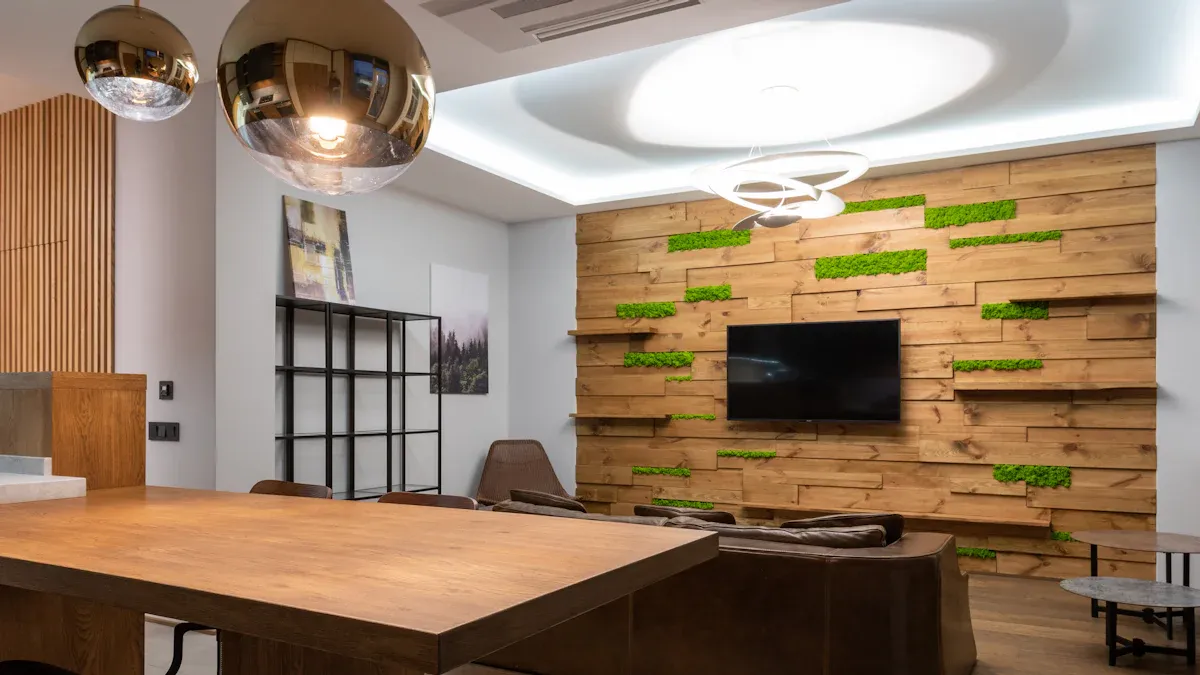
Do you dream of stunning home decor without the hefty price tag? You can elevate the style of your home without breaking your budget. DIY accent walls are a perfect solution. They add significant visual interest and personality to any room. These simple yet impactful projects let you transform your home easily and affordably.
DIY projects offer big savings. For instance, painting supplies for a DIY accent wall might cost you $200–$300. But hiring a professional painter could set you back over $1,500! This shows how much you save.
With creative accent wall ideas, you achieve a high-end look for less. A DIY accent wall is a smart way to update your space.
Why DIY Accent Walls Are a Budget Decor Secret
Cost-Effective DIY Solutions
You want a beautiful home without spending a fortune. DIY accent walls offer incredible affordability. They are especially economical for smaller spaces because you need less material. You can even complete many DIY accent wall projects for under $100. Imagine creating a stylish rectangular trim molding box accent wall in your living room. You would only need materials like trim molding, paint, and basic tools. This makes it a truly budget-friendly tip. This kind of DIY project gives you an expensive look for much less. It proves that high-end style does not require a huge budget. The affordability of these projects makes them a smart choice for any home.
Personalizing Your Space with DIY
Your home should reflect your unique style. DIY accent walls let you personalize your space completely. When you create a DIY accent wall, you infuse your personality into your home decor. This personal touch makes a big difference. Think about home staging; it boosts perceived value and makes properties more desirable. When you personalize your space with DIY, you create a home that feels uniquely yours. This personal touch can even increase your home’s value, much like personalized cabinet painting does for kitchens and bathrooms. You get to choose every detail, making your home truly one-of-a-kind.
The Impact of an Accent Wall
An accent wall does more than just look good. It creates a stunning focal point in a room. This single wall draws the eye and adds visual interest. Psychologically, it can change how you feel about a space. Cool colors, like blues and greens, make a room feel larger. Warm colors, such as reds, can make it feel cozier and even evoke feelings of passion or energy. You can use an accent wall to add visual interest and create a specific mood. Incorporate an accent wall to define a space or highlight a special area. It is a powerful design tool that transforms your home.
Top DIY Accent Wall Ideas for High-End Decor
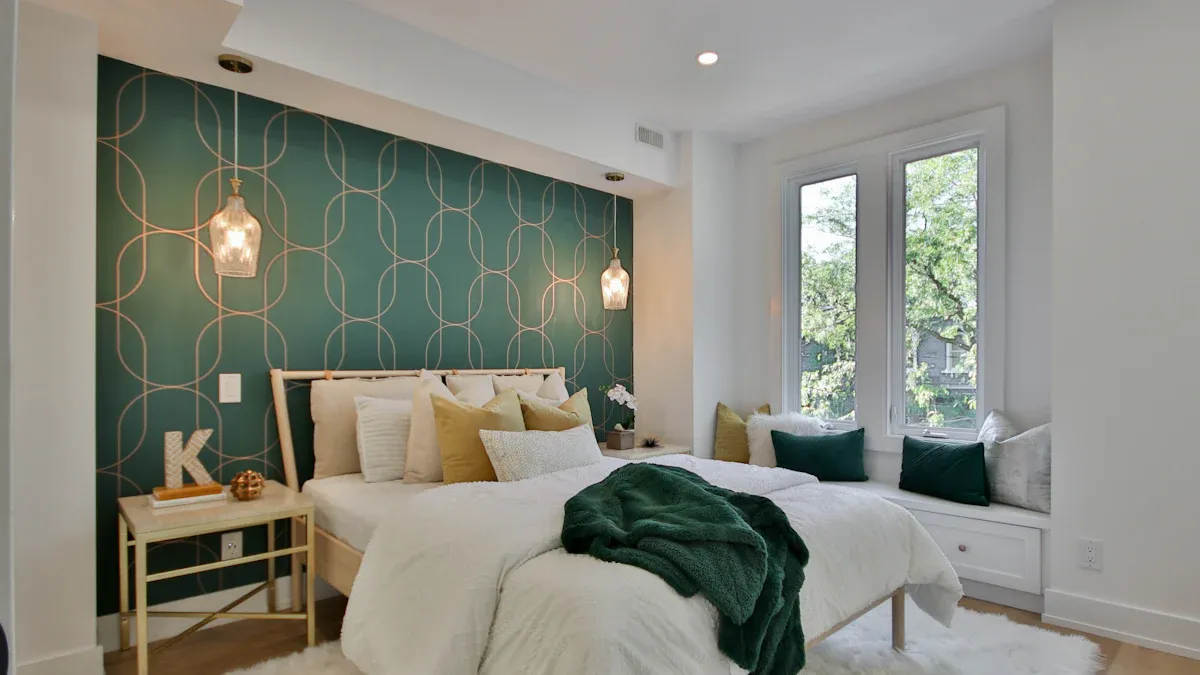
You want to transform your home without spending a lot. These budget-friendly DIY accent wall ideas help you achieve a high-end look. You can add personality and visual interest to any room.
Creative Paint Patterns
Paint is your best friend for a budget-friendly accent wall. You can create stunning designs with just a few cans of paint and some painter’s tape. Think about geometric shapes. You can use painter’s tape to make diamonds, hexagons, or chevron patterns. These patterns give your wall a modern and sophisticated look.
For example, classic triangles offer timeless appeal. You can vary their sizes and orientations. Bold color combinations, like teal with yellow, create a dynamic effect. Hexagonal prints provide a modern, structured, and sophisticated look. You can use contrasting shades to enhance visual impact and add depth. Creative asymmetrical shapes also introduce uniqueness. They give an artistic, casual vibe. This makes your space feel relaxed and visually captivating. Striped geometric prints are versatile. You can make them vertical, horizontal, or diagonal. Varying thicknesses create a minimalist design. Monochromatic schemes, like shades of gray, or gradient schemes, like deep navy to light blue, offer an elegant touch.
You can also try two-tone or ombre effects. An ombre wall shows a subtle transition from one color to another, usually from dark to light. It looks challenging, but it is straightforward.
Here is how you can create an ombre effect:
First, pick one pale and one dark paint color.
Start applying the darkest color at the bottom of your wall.
Mix a small amount of the second color into the first. This creates a slightly lighter shade.
Apply this lighter shade above the initial dark color. Use a clean brush to feather the edges while the paint is still wet. This ensures smooth blending.
Keep going with this process. Gradually add more of the lighter color to each new mix. Apply it above the previous layer. Do this until you reach the palest color at the top.
Once the paint dries, you can seal the effect with a clear wax.
This technique lets you play with color and create a unique accent.
Affordable Textural Transformations
You can add texture to your walls without expensive materials. Faux wood panels are a fantastic option. You can create shiplap or board and batten looks using MDF or thin plywood strips. These materials are much more affordable than solid wood.
Material Type | Cost per Linear Foot |
|---|---|
Shiplap (wood, MDF) | $0.50 – $3 |
Board and Batten | $1 – $5 |
V-groove boards are available in wood, MDF, and synthetic materials. Thin plywood sheets are less pricey and quicker to install. They are also more stable than solid wood. If you prefer solid wood, pine and poplar are budget-friendly options. Redwood, cedar, and cypress are pricier. These DIY accent wall ideas give your home a custom, high-end feel.
Peel-and-stick wallpaper is another excellent choice for adding texture or pattern. It is a renter-friendly idea too! You can find peel-and-stick wallpaper at various price points, even at dollar stores. This makes it a low-cost accent wall option. It is easy to apply and remove, so you can change your decor ideas whenever you like.
Unique Budget-Friendly Options
Beyond paint and faux panels, many other accent wall ideas exist. You can create a stunning accent wall with stencils. Stenciled walls mimic high-end wallpaper designs at a fraction of the cost.
Consider these creative stenciled wall designs:
Romantic Floral Designs: These stencils offer timeless elegance. They range from delicate botanical prints to bold blooms. They create depth and sophistication.
Ornate Medallion Patterns: These circular, ornamental designs add instant architectural interest. You can use them as repeating patterns or focal points. They are perfect for Old-World European charm.
Geometric Trellis Designs: These clean-lined, interlocking patterns bring contemporary elegance. You can use bold contrasting colors or subtle tone-on-tone shades. Moroccan-inspired variations add exotic flair.
Classic Stripes: This is a versatile option for various moods. You can play with width and color combinations. Wide stripes feel casual, while narrow pinstripes add sophistication.
Exotic Arabesque Patterns: These flowing, ornamental designs transform walls into art. They have intricate curves and symmetrical patterns. They create a luxurious feel without overwhelming the space.
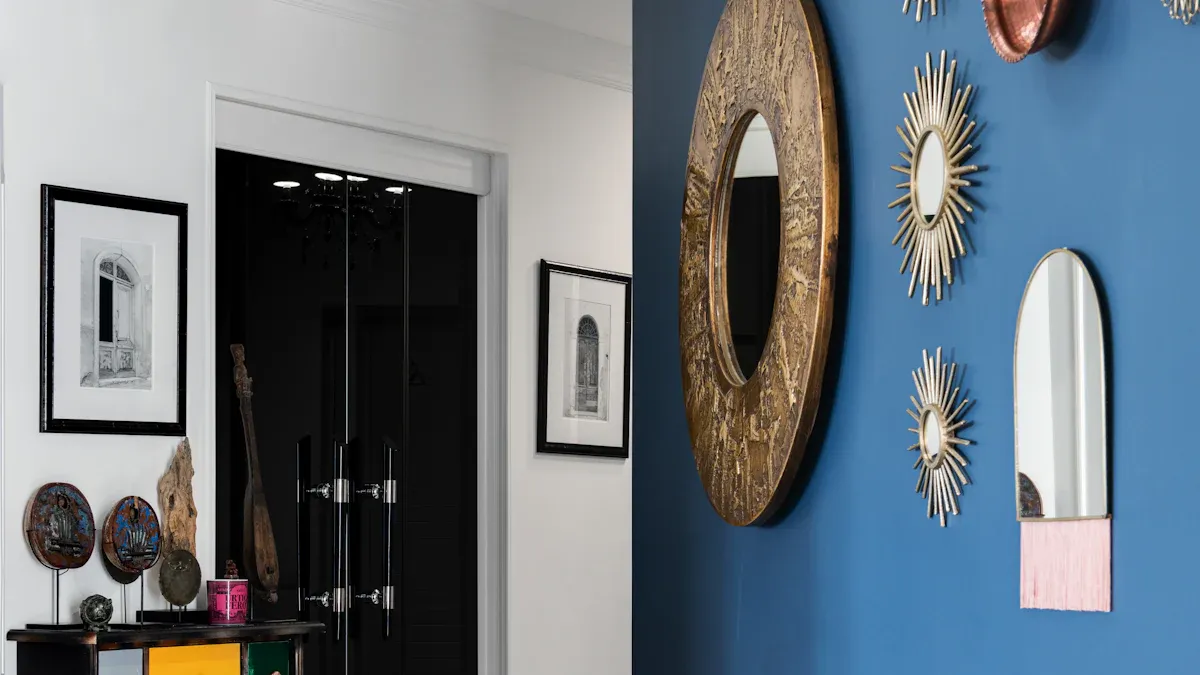
Another fantastic idea is a gallery wall. You can curate a collection of affordable art prints and frames. This creates a personalized and visually rich accent. Companies like Frameology offer various products. These include picture frames, gallery walls, and canvas prints. A customer review highlights the value: “I couldn’t be happier with the quality & turnaround time. I worked in a professional gallery for over 11 years and have lots of experience with art and framing – this is a high quality job at an extremely good price.”
Artfully Walls also provides hand-picked art prints and styled gallery walls. They emphasize “Affordable Prices.” You can find gallery wall sets like “Perfect eight” for $324 or “Graceful six” for $168. They offer options in various price ranges, including under $200 and up to $500. These easy diy accent wall ideas let you showcase your style. You can create a beautiful focal point in your home.
Planning Your DIY Accent Wall for Success
Before you grab your tools, careful planning makes all the difference for your diy accent wall. A little thought upfront ensures your project looks professional and lasts a long time.
Choosing the Right Wall
First, look at your room. Your current setup and design scheme greatly influence which wall you pick. The accent wall should add meaning and unify your home’s overall design. If a room lacks architectural features, it can really benefit from an accent wall, especially one with texture. This adds visual interest. Be careful with a wall of windows. A dark accent color around windows might create an overwhelming bright light effect.
Color and Material Selection
Next, think about color. Color theory guides how we see and understand colors. The color wheel helps you see how colors work together. When you pick accent wall colors, balance bold hues. This prevents clashing and creates harmony. Even neutral colors use color theory. Choose shades with subtle undertones. They offer flexibility and vibrancy without being too bright.
Essential Tools and Materials
You will need some basic tools for your diy project. Gather painter’s tape, brushes, rollers, and drop cloths. You will also need your chosen materials. This might be paint, wood strips for a board and batten look, or peel-and-stick wallpaper. Having everything ready saves you time.
Preparation is Key
Proper preparation is crucial for a polished look.
Test Adhesion: For smooth walls, test your material for under 30 minutes. For textured walls, wait one week for an accurate adhesion check.
Inspect and Repair: Fix all wall damage. Make sure it looks like new. Sand and dry mud completely on new wallboard before priming. Smooth textured walls with sandpaper. Then prime and paint. Repair any loose paint, cracks, or holes. Remove old wallpaper for a smooth surface.
Clean Thoroughly: Clean all dust, dirt, and other stuff. Wipe painted drywall with a lint-free towel. Use a cleaner for greasy surfaces.
Use Good Paint and Primer: Choose high-quality paint and primer. Let paint cure for at least five days before applying wall graphics. Use a compatible, semi-gloss latex-based primer. Avoid paints with silicone or anti-mildew additives. Do not use matte or flat finishes.
Control Climate: Keep the room temperature and humidity stable. Aim for 66-72 degrees Fahrenheit for several days before you start.
Clear the Area: Move furniture and remove mounted items like TVs. This gives you at least four feet of clear space around the wall.
Common Mistakes to Avoid for a Polished Look
You want your DIY accent wall to look amazing, not like a DIY disaster. Avoid these common pitfalls to ensure a professional, polished result.
Overdoing It
Sometimes, less is more. You might fall in love with a design, but it needs to fit your space. A common mistake is creating an accent wall that clashes with your existing decor. This makes your room feel disjointed. You might focus too much on trends and forget your personal style. Overlooking existing color palettes and textures can make the accent wall overpower other pieces. Your guests’ eyes might go to the wall for the wrong reasons.
For example, painting multiple accent walls, especially in dark colors, in an open-plan home can be “too much.” An expert once advised against painting two walls in a very dark green. They said it would overwhelm the entire space. Instead, use a neutral color throughout and let one accent wall shine. Also, a strong color like red on a very long wall (say, 21 feet) can look overdone. That length is often “too long” for such a bold color. Consider neutral walls with red accents in art or upholstery instead.
Poor Color Matching
Choosing the right color is crucial. You can use bold colors for your accent walls. Just make sure you have matching furniture and other decor. This makes any color effective. Neutral colors, like earthy browns and tans, also work well. They create a warm and inviting atmosphere.
Remember the 60-30-10 rule for balanced color schemes. Sixty percent of your room should be the primary color. Thirty percent should be the secondary color. Ten percent is for your accent color. Your accent wall falls into that 10% category. Match its color to an existing accent color in your decor, like throw pillows or wall art. Another smart strategy is to pick a darker shade of your room’s existing wall color. This keeps your color family consistent and prevents clashing.
Skipping Prep Work
Preparation is not glamorous, but it is essential. If your wall surface is uneven, dusty, or damp, wallpaper might not stick right. This leads to bubbling, peeling, or misalignment. Wallpaper needs a clean, dry, and smooth surface. Dust, grease, or even subtle texture can cause problems.
Neglecting proper wall preparation, like painting over flaws or ignoring wall texture, affects the final look. Imperfections lead to an uneven finish and inconsistent paint absorption. Skipping cleaning results in poor paint adhesion. This causes blemishes or inconsistencies. Not using primer compromises paint durability. It can also lead to patchy results. This prevents your final color from looking as intended. An uneven or damp wall can cause panels to warp or pull away. This ruins the seamless look. A great finish starts with great prep work.
Rushing the Process
Patience is a virtue in DIY projects. Rushing often leads to mistakes. You might end up spending more time and money in the long run. It is crucial to pace yourself. Always remember to measure twice and cut once. This is especially important when you use power tools.
Rushing the drying process can cause paint to peel or wallpaper to slip. Skipping instructions or not letting adhesive rest can also lead to issues. Ignoring humidity and temperature guidelines can ruin your project. If you rush a stenciling project, you often get smudges. This can also lead to misalignments or warped patterns. Let each section dry before you move or layer stencils.
You can definitely create a high-end accent wall on a budget. This DIY project is so rewarding! Remember, creativity, smart material choices, and careful planning are your best tools for amazing home decor. Pick one of these accent ideas that truly speaks to your style and confidently transform your home. You will love the satisfaction of creating a beautiful home and adding personality and charm to your space. Go for it!
FAQ
What is the easiest DIY accent wall for beginners?
You can start with a painted accent wall. Choose a bold color or a simple geometric pattern using painter’s tape. Peel-and-stick wallpaper is also super easy. It adds texture or pattern without much fuss. These options require minimal tools and skill.
What kind of paint should you use for accent walls?
You should use high-quality interior latex paint. A satin or eggshell finish works well. It offers durability and is easy to clean. Avoid flat finishes; they show marks easily. Always use a good primer first for the best results.
What is the best wall to choose for an accent?
Pick a wall that naturally draws your eye. This is often the wall behind your bed in a bedroom or the one behind your sofa in a living room. It should be a wall without too many windows or doors. This helps create a strong focal point.
What if you live in a rental?
You have great options for rentals! Peel-and-stick wallpaper is perfect because it removes easily without damage. You can also use temporary wall decals or create a gallery wall with command strips. These let you personalize your space without permanent changes.