

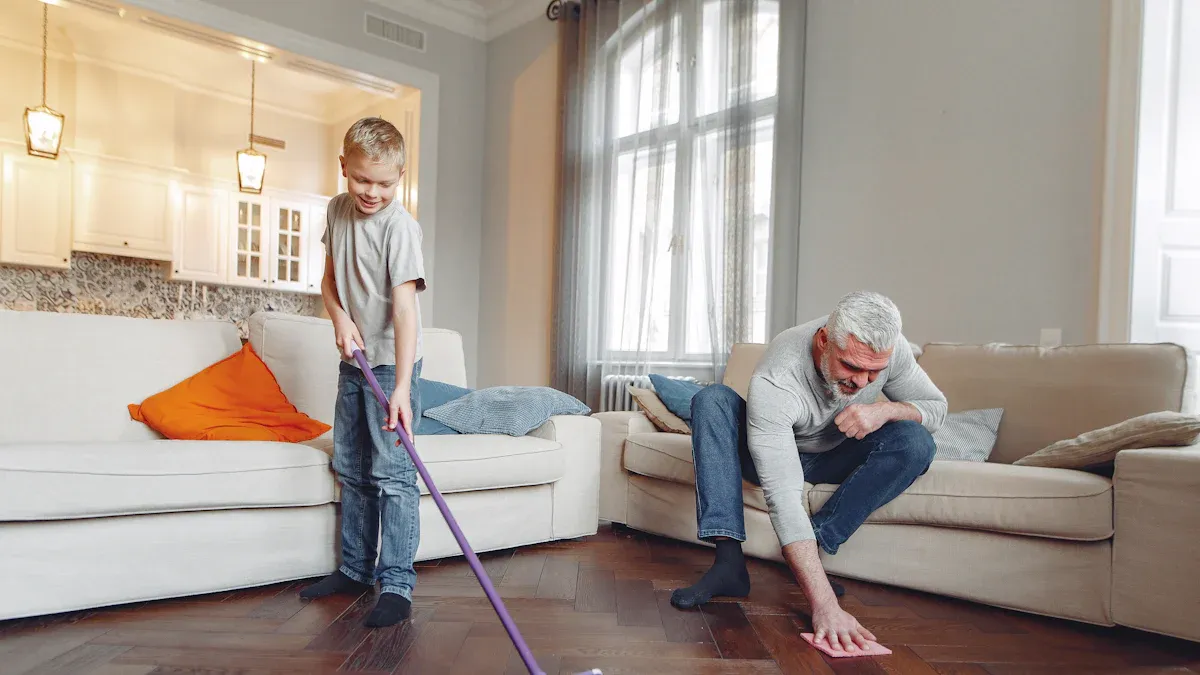
You can save time, money, and reduce stress by designing a home for easy upkeep. Thoughtful choices during planning and construction significantly impact your future maintenance needs. This guide will help you understand key considerations for a low-maintenance home. You do not sacrifice beauty for durability. Instead, you make smart, lasting choices for your living space. This approach ensures your home remains a source of joy, not endless chores.
Planning for Low-Maintenance Home Design
Thoughtful decisions at the start create a truly easy-to-maintain home. You lay the groundwork for long-term benefits during the design phase. This upfront care saves you time and effort later.
Understanding Your Lifestyle
Consider your daily routines and priorities. You want to spend less time on chores. This means choosing smooth cabinet doors over grooved ones. You might prefer large-format tiles for fewer grout lines. Built-in storage helps prevent clutter. You gain peace of mind when you do not worry about dirt on delicate floors or spills on porous countertops. Durable materials blend beauty with resilience. Your goal is to free up time from constant upkeep. You can get your weekends back. This allows you to enjoy your living space without endless maintenance.
Budgeting for Durability
Invest in quality materials from the beginning. This upfront cost often saves you money in the long run. Durable choices reduce the need for frequent repairs or replacements. You avoid costly remodeling projects later. Focus on materials known for their longevity and resistance to wear and tear. This approach ensures your home remains in excellent condition with minimal effort. Prioritizing durability during budgeting is a smart financial move for any home owner.
Consulting Design Professionals
Expert advice makes a significant difference when designing a home. Professional landscape designers ensure sustainability and longevity for your outdoor spaces. This reduces the need for costly repairs and maintenance. They also advise on environmentally friendly practices and materials. This contributes to a more sustainable and low-maintenance design. Landscaping consultants help you design a garden with native plants. Native plants require less watering and fewer chemicals. They do not need special irrigation. Consultants also advise on strategic tree placement. This increases shade, potentially lowering your electric bills. This reduces heating and cooling costs, making your low-maintenance house more energy-efficient.
Exterior Choices for Low Upkeep
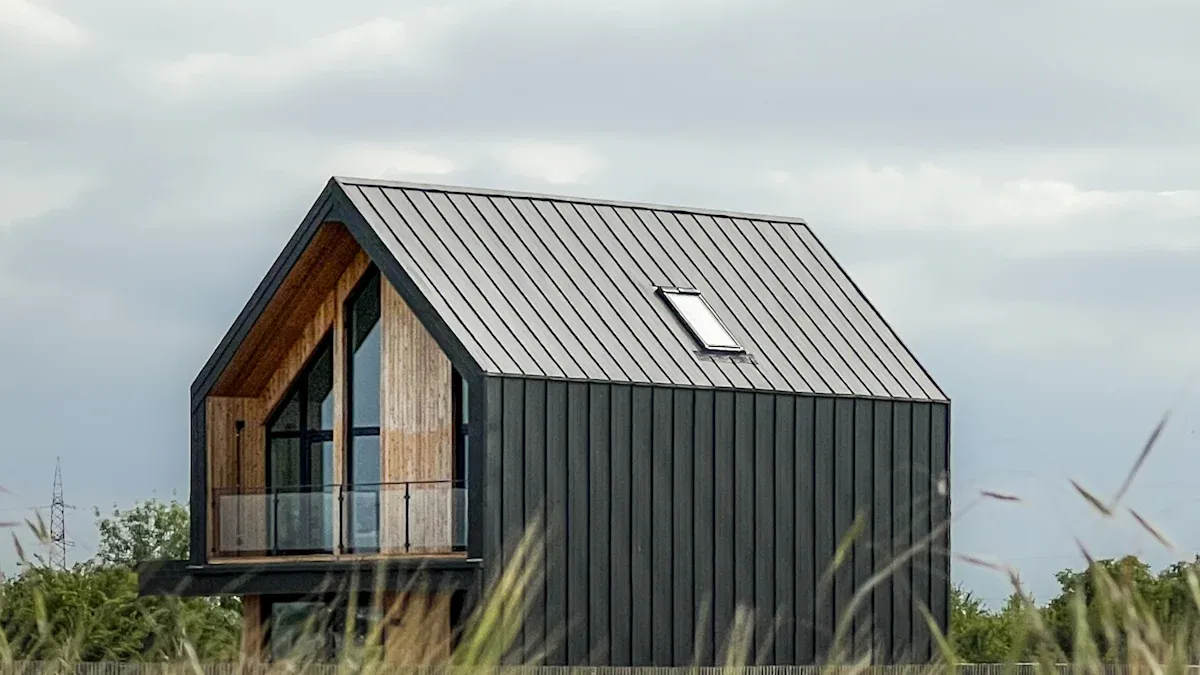
You want to choose materials and design elements for your home’s exterior that minimize cleaning, repairs, and seasonal tasks. This approach saves you time and effort. You can enjoy your outdoor spaces more and worry less about constant upkeep.
Durable Exterior Materials
Selecting the right exterior materials significantly reduces your long-term maintenance. You want options that stand up to weather and time.
Metal Siding: Aluminum and steel siding offer great longevity. They resist pests, rot, and fire. You will find them virtually maintenance-free. You only need to clean them occasionally to remove dirt and prevent corrosion.
Stone Veneer Siding: This material provides natural elegance. It requires little maintenance. Stone veneer is lighter than natural stone. It needs minimal cleaning. It also withstands time without fading or deteriorating.
Brick Veneer Siding: Brick offers classic charm and durability. It needs little maintenance. Brick resists pests, fire, and weathering. Periodic cleaning keeps it looking good.
Vinyl Siding: Many people choose vinyl siding for its low maintenance. It is durable and resists weathering. It is also affordable. You only need occasional cleaning with a hose or pressure washer.
Fiber Cement Siding: This material is very durable. It resists weather, rot, pests, and fire. You might need to paint it occasionally, but less often than wood siding. Fiber cement siding can last 30 to 50 years. You can repaint it every 10 to 15 years. An annual light wash with soap and water keeps it clean.
Steel Siding: Steel siding is one of the lowest-maintenance options. It handles all weather conditions well. It will not warp, crack, split, or rot from extreme temperatures or humidity. Steel siding often has a Class 4 impact rating. This makes it very durable against hail. It also has a Class A fire rating, offering high fire resistance. Steel resists damage from rodents and insects. Its durable finish means you never need to repaint it. You only need to rinse away dust and dirt yearly. Steel siding can last 40 to 70 years or more.
Smart Landscaping Solutions
Your landscaping choices greatly affect outdoor maintenance. You can reduce work by choosing smart solutions.
Native Plants: Use plants native to your region. They adapt well to local conditions. They need less water and fewer chemicals. For example, in Atlanta, Georgia, you can plant Southern Magnolia trees or Oakleaf Hydrangea shrubs. Purple Coneflower and Black-Eyed Susan are good perennial choices. In Arizona, Penstemon and Verbena are good flowering plants. Ironwood trees and Chaste trees also thrive there. Native plants do not need special irrigation.
Hardscaping: Consider hardscaping elements like patios, walkways, and retaining walls. Hardscaping requires minimal maintenance. It eliminates the need for regular painting, sealing, or repairs. Hardscaping materials are durable. They withstand UV rays, rain, snow, and temperature changes. They last for decades with minimal upkeep. You avoid staining, sealing, or frequent repairs that wood or composite decking needs.
Window and Door Selection
Choosing the right windows and doors also contributes to a low-maintenance home. You want materials that last and require little attention.
Window Frame Materials:
Vinyl (uPVC): Vinyl frames are very durable. They need little maintenance. You only need to clean them with soap and water. Their color goes all the way through the material. This makes scratches less visible. Vinyl windows can last 30 to 40 years.
Fiberglass / Composite: These frames are also excellent choices. Fiberglass is stronger than vinyl. It resists warping. Composite materials stay strong even after many years. Fiberglass often lasts 30 to 50 years or more. These options are great for a “set-it-and-forget-it” performance.
Aluminum (Thermally Broken): Aluminum frames offer low maintenance. They can last over 30 years.
Self-Cleaning Glass: You can choose windows with self-cleaning coatings. These treatments reduce dirt and grime buildup. They work by either repelling water and dirt or breaking down contaminants with sunlight. This means less frequent cleaning for you. It also gives you clearer views. Some coatings offer lifetime protection for residential glass. Others provide robust protection for 5 to 10 years. Self-cleaning windows help you conserve water. They also minimize chemical cleaner use. They improve insulation and reduce energy consumption.
Interior Design for Easy Living
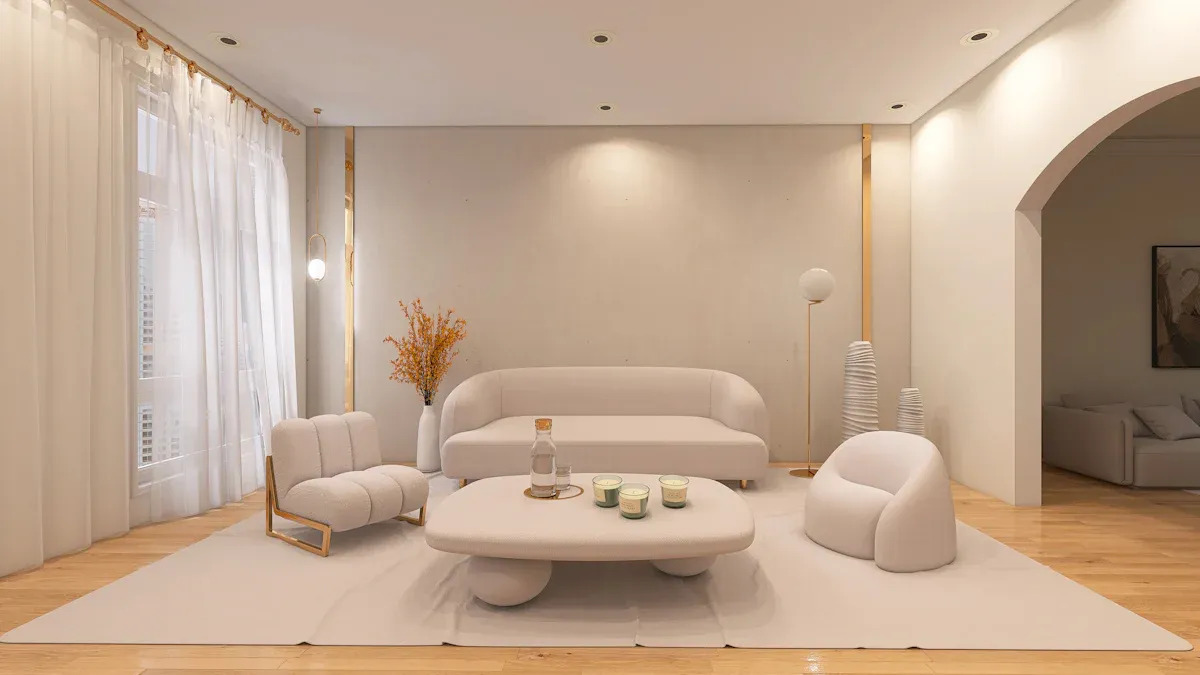
You can reduce daily chores and long-term maintenance by carefully selecting interior elements. Focus on easy-to-clean surfaces and durable materials. This approach ensures your home remains a comfortable and inviting space with minimal effort.
Low-Maintenance Flooring
Choosing the right flooring makes a big difference in how much time you spend cleaning. You want options that are tough and simple to maintain.
Luxury Vinyl Plank (LVP) / Luxury Vinyl Tile (LVT): This flooring is highly durable and resists moisture. It stands up to scratches and feels comfortable underfoot. You can easily maintain it with basic cleaning. LVP is waterproof, making it ideal for wet areas like bathrooms and basements. It also has a scratch-proof surface. You can clean it without harsh chemicals.
Porcelain Tile: Porcelain tile is exceptionally tough and lasts a long time. It resists scratches, stains, and water. You can easily clean it with common household products. Large format tiles are especially beneficial. They have fewer grout lines, which means dirt and sticky dust have fewer places to settle. With the right sealant, you can maintain large-format tiles with just a mop and a gentle cleaner.
Engineered Hardwood: This option offers the look of natural wood. It is durable and can last for decades with proper care. You can sand and refinish it multiple times, depending on the wear layer thickness. Engineered hardwood is easy to clean, and its surface resists scratches.
Polished Concrete: Polished concrete is very durable and easy to maintain. It offers a modern, industrial look.
Laminate Flooring: Laminate is an affordable choice. It has a strong top layer that resists scratches and scuffs. You can easily clean it, and it comes in many designs.
Cork Flooring: Cork naturally resists mold and mildew. It is easy to clean and works well in areas with changing humidity.
Rubber Flooring: Rubber is moisture-resistant and simple to clean, even in high-traffic areas.
You should avoid softwoods and wall-to-wall carpets. They tend to collect dust and require more frequent cleaning. Carpet tiles can be an alternative to wall-to-wall carpet. You can replace individual tiles if they get damaged.
Wall Finishes and Paint
Your wall choices also impact maintenance. You want finishes that are both attractive and easy to care for.
Washable Paints: Select paints designed for durability and easy cleaning.
Sherwin-Williams Scuff Tuff: This paint resists scuffs and stains. You can clean it with soap and water. It works well in high-traffic areas like hallways.
Benjamin Moore Scuff-X: This paint is highly durable. It resists shoe marks and backpack scrapes. It is excellent for busy spaces.
Sherwin-Williams Emerald Interior (Matte or Satin): This premium paint offers high coverage and a smooth finish. It has zero VOCs and is washable. The matte finish balances washability with a no-shine look.
Benjamin Moore Aura: This paint is ultra-washable and offers rich color. It is more expensive but provides superior color and performance.
Durable Wallpapers: Some wallpapers are designed for durability and easy cleaning. They can protect walls from wear and tear.
Wainscoting: Wainscoting provides a protective layer for your walls. It is especially useful in high-traffic areas like hallways, dining rooms, and entryways. It resists scuffs, scratches, and dents from furniture or daily activities. Wainscoting creates a durable barrier against marks from vacuum cleaners, children’s activities, and pet scratches. It protects busy walls from dings and adds character.
You should treat your walls appropriately. This ensures they withstand daily life and remain easy to clean.
Kitchen and Bath Surfaces
Surfaces in your kitchen and bathrooms need to be tough and easy to maintain. These areas see a lot of use and moisture.
Quartz: Quartz is non-porous, stain-resistant, and easy to clean. It never needs sealing, making it a low-maintenance choice. It is durable and scratch-resistant, available in many colors and patterns. Quartz prevents stains, bacteria, and moisture buildup. It resists scratches and is durable for daily use.
Solid Surface (e.g., Corian): Solid surface materials offer a seamless, smooth finish that repels dirt and grime. They are non-porous, easy to clean, and resist mold and mildew. You can easily repair scratches. Corian is a specific solid surface material that resists mold, bacteria, and staining from toiletries. You can clean it with quick wipes. It requires no sealing or special care.
Large Format Tiles: Using large format tiles on walls and floors in your kitchen and bathrooms means fewer grout lines. This makes cleaning much easier. Dirt and sticky dust have fewer places to settle. Many large format tiles, especially porcelain, resist stains, spills, and moisture. A larger tile surface simplifies wiping down walls and floors.
Undermount Sinks: Opt for undermount sinks in your kitchen and bathrooms. They eliminate the rim where grime can collect, making countertop cleaning much simpler. You can wipe crumbs and liquids directly into the sink.
Granite: With proper sealing, granite resists stains, scratches, and heat. You need to seal it once a year to maintain its durability and appearance. Pre-sealed and treated varieties are easy to maintain for bathrooms.
Stainless Steel: Stainless steel is one of the easiest materials to maintain. It needs no sealing or refinishing. It is highly hygienic and resists extreme impact, heat, cold, and food stains.
Laminate: Laminate is cost-effective, durable, and low-maintenance. It resists stains and moisture. Modern options can mimic wood or stone.
You should seal everything well. This protects surfaces and makes them easier to clean.
Effective Storage Solutions
Good storage solutions are key to a minimalist home and reducing clutter. When everything has a place for everything, your home stays tidy.
Built-in Cabinetry: Modern cabinetry uses durable materials and practical, low-maintenance surfaces. Creative finishes like matte, glossy, or textured laminates hide daily marks. Smooth, non-porous surfaces resist stains, scratches, and water damage, making cleaning quick and easy. Durable hardware and soft-close hinges ensure smooth operation for years. High-quality materials like engineered wood or moisture-resistant composites withstand daily wear and tear.
Smart Cabinetry: Design your cabinets to maximize space and organization. This helps you store stuff out of sight.
Baskets and Bins: Use baskets and bins to group similar items.
Clear Containers: Clear containers let you see what is inside.
Vertical Storage: Shelves or over-the-door organizers free up clear floors and floor space.
Designated Drop Zones: Create specific spots for frequently used essentials like keys, mail, and backpacks.
Seasonal Swapping: Store out-of-season items in labeled containers. This keeps everyday spaces clear.
Reduce Clutter: The importance of reducing clutter for a minimalist home cannot be overstated. When you declutter, you create a more peaceful environment.
When you have a place for everything, you can easily put essentials away. This helps you maintain clear surfaces and a tidy home.
Fixtures and Appliances
Choosing the right fixtures and appliances can significantly reduce your maintenance tasks.
Touchless Faucets: Touchless faucets extend the lifespan of their components. They reduce the need for repairs because you do not physically interact with them. These fixtures also stay cleaner, as they do not accumulate germs and debris from physical contact. This simplifies cleaning routines and enhances hygiene in your kitchen and bathrooms.
Self-Cleaning Ovens: A self-cleaning oven handles the toughest cleaning job in the kitchen. You simply activate the cycle, and the oven burns off food residue.
Durable Finishes: Select durable finishes for faucets and hardware.
Matte and Textured Finishes (e.g., matte black, oil-rubbed bronze, distressed nickel): These finishes are forgiving. They effectively hide smudges, dust, and everyday wear, making them low-maintenance. Matte black conceals water spots and fingerprints better than glossy finishes.
Brushed Nickel: This finish is exceptionally durable and resists wear. It hides fingerprints and water spots better than many polished finishes. It is easy to clean.
Stainless Steel: Stainless steel is highly corrosion-resistant, exceptionally durable, and low-maintenance. It resists rust, stains, and daily wear. It is ideal for humid environments.
Chrome (Polished or Brushed): Chrome is highly durable and budget-friendly. It is easy to clean and resists rust when properly maintained. Polished chrome shows water spots and fingerprints more readily.
Central Vacuum Systems with Sweep Inlets: These systems make vacuuming much easier. Sweep inlets in the kitchen or mudroom allow you to sweep debris directly into the vacuum system.
Embracing Minimalist Design
A minimalist approach to design and decor inherently reduces maintenance needs. When you embrace minimalist principles, you focus on only the essentials.
Reduces Clutter: A minimalist home reduces clutter. This makes cleaning and organizing much easier. Less mess leads to easier cleaning.
Stay Organized: A minimalist design helps you stay organized and efficient.
Saves Time and Money: You save time and money because you have less furniture and decor. This reduces cleaning, maintenance, and replacement needs.
Quality Over Quantity: Minimalist design promotes quality over quantity. It encourages investments in durable, timeless pieces. These pieces require less frequent replacement.
Clear Surfaces: Fewer possessions mean less time spent cleaning and organizing. With clear surfaces and organized storage, maintaining your home becomes significantly simpler.
Ease of Cleaning: The lack of clutter makes cleaning more straightforward. There are not many hard-to-reach nooks and crannies.
Simplified Maintenance: The simplified design makes maintenance easier. There are no complicated mechanisms or special parts that need careful disassembly for tune-ups. Housekeeping becomes a less stressful and time-consuming chore.
When you create a minimalist home, you focus on only the essentials. This helps you declutter and ensures that every item has a place for everything. You will find that a minimalist home with clear surfaces and a focus on essentials is much easier to maintain. This allows you to enjoy your living space more and spend less time on chores.
Smart Home Tech and Functional Design
Technology and thoughtful design make your home easier to maintain. They also improve safety and structural integrity.
Automated Cleaning and Monitoring
You can automate many cleaning tasks. Robotic vacuums and mops clean your floors daily. They use sensors and mapping to navigate. Some models have HEPA filters and self-emptying bins. Smart laundry appliances adjust settings automatically. They offer remote control and send maintenance alerts. Automated lawn care equipment, like robotic mowers, maintains your yard efficiently. Smart window and pool cleaners also automate these tough jobs. AI scheduling helps manage daily routines. It sets reminders and delegates chores. This makes your household more efficient.
Efficient Climate Control
Smart thermostats reduce energy use. They learn your schedule and adjust temperatures. They lower heating or cooling when you are away. You can control them remotely with your phone. These systems provide energy reports. They help you save money and reduce your carbon footprint. Zoned HVAC systems heat or cool only occupied areas. This prevents energy waste. It also extends your HVAC system’s lifespan. You can also consider efficient appliances like tankless water heaters. A tankless system provides hot water on demand. This saves energy. Another tankless option is a tankless water heater. These tankless water heaters are very efficient.
Safety and Accessibility Features
You can design your home for safety and ease of use. Install low-rise steps. Add sturdy handrails. Choose non-slip flooring. These features prevent accidents. They make your home accessible for everyone. A minimalist approach to design also helps. It reduces clutter. This makes movement easier and safer. You create a minimalist space with fewer obstacles. This helps you maintain a minimalist lifestyle.
Proper Insulation and Ventilation
Good insulation and ventilation prevent many problems. They stop moisture buildup. This prevents mold growth. Mold can cause health issues and damage your home. Proper ventilation lets hot air escape your attic. This prevents roof damage. It stops shingles from cracking early. Insulation also prevents ice dams in winter. Warm air does not melt snow on your roof. This protects your gutters and shingles. Fiberglass insulation resists mold. Cellulose insulation can be susceptible if it gets wet. You must install insulation correctly. This ensures it works well. It keeps your home dry and mold-free.
Proactive choices when designing a home lead to a significantly easier-to-maintain home. You gain increased value, financial savings, and emotional advantages. This thoughtful designing a home approach enhances functionality. We covered planning, exterior, interior, smart tech, and functional design. A low-maintenance home allows more enjoyment and less chore time. You spend less time cleaning and maintaining systems. You create a custom home you love for years. Embrace a minimalist lifestyle. A truly minimalist home offers peace. This minimalist design reduces upkeep. Your minimalist space is functional. The benefits of a minimalist home are clear. This minimalist approach simplifies your life. You achieve a beautiful, functional, and stress-free living space.