

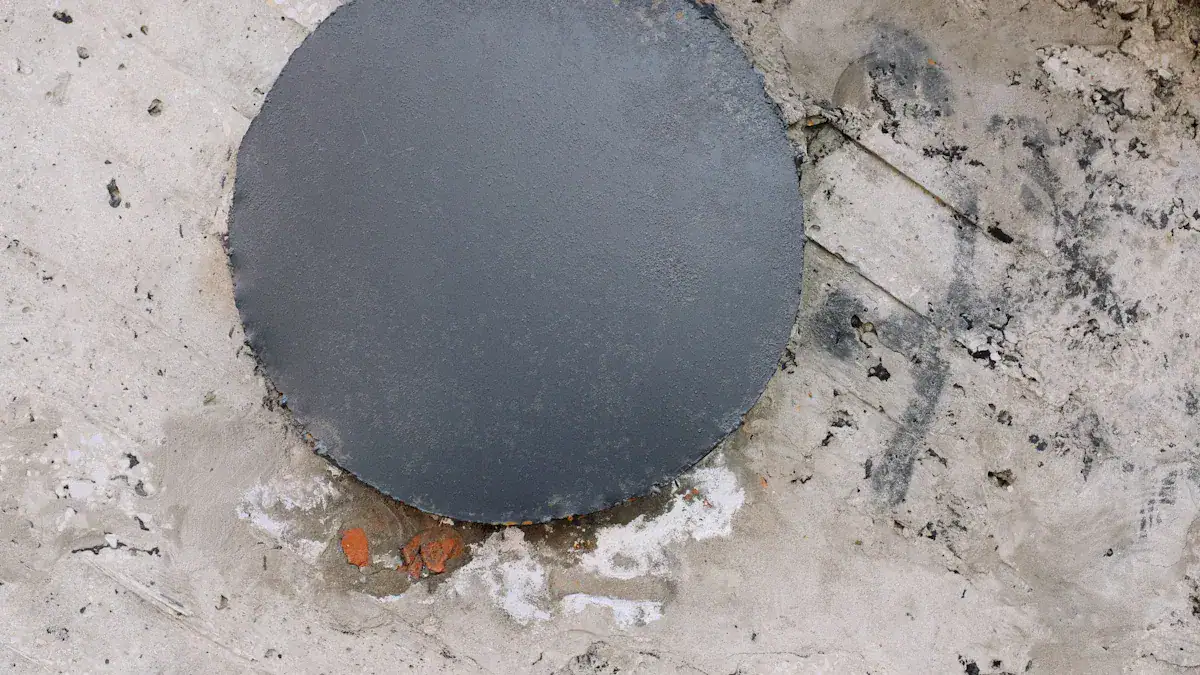
An unsightly septic tank cover often detracts from an otherwise beautiful yard. You want to enhance your outdoor space’s look. You also need to maintain crucial accessibility and safety for your septic system. Transforming this eyesore into an integrated part of your outdoor space is possible. This guide helps you achieve that.
Key Takeaways
Never bury your septic tank cover. It needs to be easy to reach for maintenance and safety.
Safety is very important. An unsecured septic tank cover is dangerous. It can cause falls or expose people to harmful gases.
Use plants with shallow roots around the septic tank cover. This hides it without causing damage. Do not plant directly over the cover.
You can use decorative items to hide the cover. Choose items that are light and easy to move. This allows quick access to the tank.
You can do the work yourself to save money. You can also hire a professional for bigger projects. They ensure safety and good results.
Safety and Accessibility First
Why Not Bury It
You might think burying your septic tank cover completely is a good idea. However, you must never do this. Your septic system needs regular maintenance and inspections. Access to the tank is critical for these tasks. Local health departments set rules for septic systems. These rules often require easy access to the tank. For example, systems buried deeper than nine inches need risers. These risers bring all tank top openings and the distribution box closer to the surface. At least one access port must be within six inches of the final grade for smaller systems. You cannot have structures directly over access points. These structures would block maintenance, pumping, or repair. Lids and risers must be airtight and watertight. This ensures proper function and safety.
Key Safety Considerations
Safety is the most important thing. An unsecured or damaged septic tank cover poses serious risks. People can accidentally fall into septic tanks. This is a primary hazard. Children and adults are at risk of drowning. Falls can also cause concussions or broken bones. Tragic incidents have happened where children fell into poorly maintained systems. This highlights the need for secure covers.
Septic tanks also produce harmful gases. These include methane and hydrogen sulfide. Methane can explode if it meets a flame. These gases can also cause suffocation. Contact with pathogens is another danger. Septic tanks contain bacteria and viruses. These can cause serious illnesses like hepatitis. You need a properly secured and fitted access cover. This prevents falls. It also contains harmful gases. If your cover is damaged or missing, it creates big risks. For residential septic tank covers, a minimum weight of 65 pounds is often recommended. This helps prevent unauthorized entry. If vehicles might drive over the tank, you need a heavy-duty cover. Always check your cover for damage.
Landscaping Solutions for Your Septic Tank Cover
You can use plants and garden design to hide your septic tank cover. Always choose shallow-rooted plants. Avoid invasive root systems. You must maintain easy access to the cover.
Low-Growing Plants and Groundcovers
Low-growing plants are excellent for concealing your septic tank cover. They have shallow roots. These roots will not damage your septic system. You can choose plants like microclover, ecograss, or Carex pensylvanica dwarf. White clover, thyme, sedums, and moss also work well. These are all shallow, short-rooted perennials. You can also use Kentucky bluegrass, tall fescue, bee balm, hollyhock, wild violet, iris, tulip, and daffodil. These plants help disguise septic tank covers without causing problems.
Strategic Shrub and Flower Bed Placement
Place shrubs and flower beds around the septic tank area. Do not plant them directly over the cover. This creates a visual barrier. It draws attention away from the cover. You can use a variety of colorful flowers and small shrubs. Make sure you can still easily reach the septic tank cover for maintenance.
Movable Raised Beds or Planters
Movable raised beds or planters offer a flexible solution. You can place them directly over the septic tank cover. When you need access, simply move them aside. This keeps the area looking nice. It also ensures easy access for inspections or pumping. Fill these planters with your favorite flowers or herbs.
Tall Native Grasses
Tall native grasses are another great option. They have root systems that do not pose a risk to your septic system. Many native plants thrive in dry conditions. This means their roots will not seek out water in your drain field pipes. Consider Sideoats Grama, Little Bluestem, Prairie Dropseed, Plains Oval Sedge, June grass, or Prairie Brome. These grasses grow tall. They effectively hide the septic tank cover.
Flexible Landscaping Borders
Use flexible landscaping borders to define the area around your septic tank. This can be a low fence, decorative stones, or edging. The border helps integrate the area into your garden design. It also subtly directs attention away from the septic tank cover itself.
Decorative Septic Tank Cover Solutions

You can use various decorative items to hide your septic tank cover. Always make sure these items are easy to move. This allows quick access for maintenance.
Faux Rocks and Boulders
Faux rocks and boulders offer a great way to hide your septic tank cover. They are made from strong, weather-resistant materials like high-density resin or fiberglass. These materials prevent fading or cracking. They ensure the cover looks good for a long time. Faux rocks mimic natural stone textures and colors. This helps them blend into your yard. They turn an unsightly septic lid into an attractive lawn decoration.
Decorative Planter Boxes or Urns
Decorative planter boxes or urns provide a flexible solution. The planter box must fully cover the septic lid. You can build a basic wooden frame for the box. Add landscape fabric at the bottom for water drainage. Choose plants with shallow roots. This prevents damage to your septic system. Make sure the garden box is easy to move. This allows access to the septic tank for maintenance.
Bird Baths or Garden Statues
Bird baths or garden statues can also hide your septic tank cover. Choose lightweight options. Featherweight statues, lightweight garden sculptures, or movable outdoor sculptures work best. You can easily move these items when you need to access the septic tank.
Movable Decking or Patio Sections
You can use movable decking or patio sections. Build these from lightweight materials. Avoid heavy concrete. Include removable panels or access hatches. This ensures easy access to the septic tank for maintenance or repairs. Always follow local building codes.
Painting Your Septic Tank Cover
Painting your septic tank cover can improve its look. Use durable outdoor paints. Polyurethane paint offers strong weather protection and lasts 5–10 years. Acrylic urethane creates a flexible, durable coating. It resists UV rays and weather for 5–7 years. Epoxy coating gives the toughest protection. It can last 10–15 years. Always use a primer first. This helps the paint stick better. Proper surface preparation is key for long-lasting results.
Decorative Tiles or Pavers
You can place decorative tiles or pavers around the septic tank cover. Arrange them in a pattern that draws the eye away from the cover. Ensure these are not permanently fixed. You must be able to lift them easily for access.
Specialized Septic Tank Cover Products
Many companies offer specialized septic tank cover products. These are designed to disguise septic tank covers. For example, decorative artificial rock covers resemble natural stones. They come in styles like granite or fieldstone. These covers are made from durable, weather-resistant materials. They enhance your yard’s visual appeal. They also allow easy access for maintenance.
Creative Structural Elements
You can integrate your septic tank area into your yard’s overall design. Use structural elements to draw attention away from the cover. This makes the area look like a planned part of your landscape.
Small Trellises or Arbors
Small trellises or arbors can add vertical interest to your garden. You can place them near the septic tank cover. Grow climbing plants like clematis or jasmine on them. These plants will create a beautiful focal point. They will also subtly direct the eye away from the septic tank cover. Make sure the trellis or arbor is easy to move if you need access to the tank.
Garden Screens or Privacy Panels
Garden screens or privacy panels offer a stylish way to hide your septic tank cover. These panels create a visual barrier. They can also add a decorative touch to your yard. Many materials work well for these screens. You can choose weather-resistant wood, laser-cut metal, or low-maintenance vinyl. Modern composites, cedar, and treated wood are also good options. For a more unique look, consider powder-coated aluminum or Corten steel. You can even use Sunbrella fabric for curtain panels. Manufactured outdoor privacy screens are perfect for homeowners. They give you an immediate solution. These screens effectively hide specific areas, like an unsightly utility box or your septic tank cover.
Pathway or Patio Integration
You can integrate your septic tank cover into your pathways or patios. This makes the cover blend in seamlessly. Homeowners often need regular access to septic tanks. In the past, this meant digging up pavers for maintenance. Now, you can use paver utility covers. These covers allow easy and quick access. You do not need to deconstruct your entire surface. PaverPals offer seamless access covers. They are made from durable aluminum. These covers blend flush with concrete, tile, wood, brick, or pavers. You can customize them to hide septic system covers. They ensure easy removal for maintenance. You will not need to tear up your driveway or patio each time you need service. This helps disguise septic tank covers effectively.
DIY Versus Professional Solutions
You have many options for hiding your septic tank cover. You can choose to do the work yourself. You can also hire a professional. This section helps you decide which path is best for your situation.
DIY Cost-Effectiveness
Doing it yourself often saves you money. You buy the materials. You then put in the labor. This can be very rewarding. You control every detail of the project. You can choose plants, rocks, or decorative items that fit your style. DIY projects require your time and effort. You also need some basic skills. For example, you might need to build a planter box. You might also need to arrange pavers. Consider your available time. Think about your comfort level with different tasks.
When to Hire a Professional
Sometimes, hiring an expert is the best choice. You might have a very complex design idea. You might not have enough time for a DIY project. A professional landscaper has the experience. They know how to create beautiful and safe solutions. They understand local regulations. This ensures your septic tank remains accessible and safe.
Hiring a professional landscaper to conceal a septic tank typically costs between $5 and $24 per square foot. This price range depends on the complexity of your chosen landscape design. Professionals can handle tasks like installing custom screens. They can also build integrated patio sections. They ensure the work meets all safety standards. You get a high-quality result without the effort. This option is great if you want a polished look. It is also good if you prefer to save your time.
You can beautifully conceal your septic tank cover without sacrificing function or safety. We explored many solutions. These include smart landscaping, decorative elements, and creative structures. Choose options that best fit your yard’s style and personal preferences. Thoughtful design transforms a practical necessity like a septic tank cover into an attractive feature. This enhances your outdoor living space.
FAQ
Can you plant anything directly over your septic tank cover?
You should not plant anything directly over your septic tank cover. Choose shallow-rooted plants and groundcovers around the area. This prevents root damage to your system. It also keeps the cover accessible for maintenance.
Is it safe to put heavy decorations on your septic tank cover?
You should avoid placing heavy decorations directly on your septic tank cover. Heavy items can make it difficult to access the tank. They can also damage the cover. Always choose lightweight, easily movable items for safety and convenience.
How often do you need to access your septic tank cover?
You typically need to access your septic tank cover for routine inspections and pumping. Most systems require pumping every 3 to 5 years. However, this depends on your household size and tank usage. Always check your local regulations.
What should you do if your septic tank cover is damaged or missing?
If your septic tank cover is damaged or missing, you must address it immediately. This poses a serious safety hazard. Contact a septic professional right away. They can replace or repair the cover properly.