

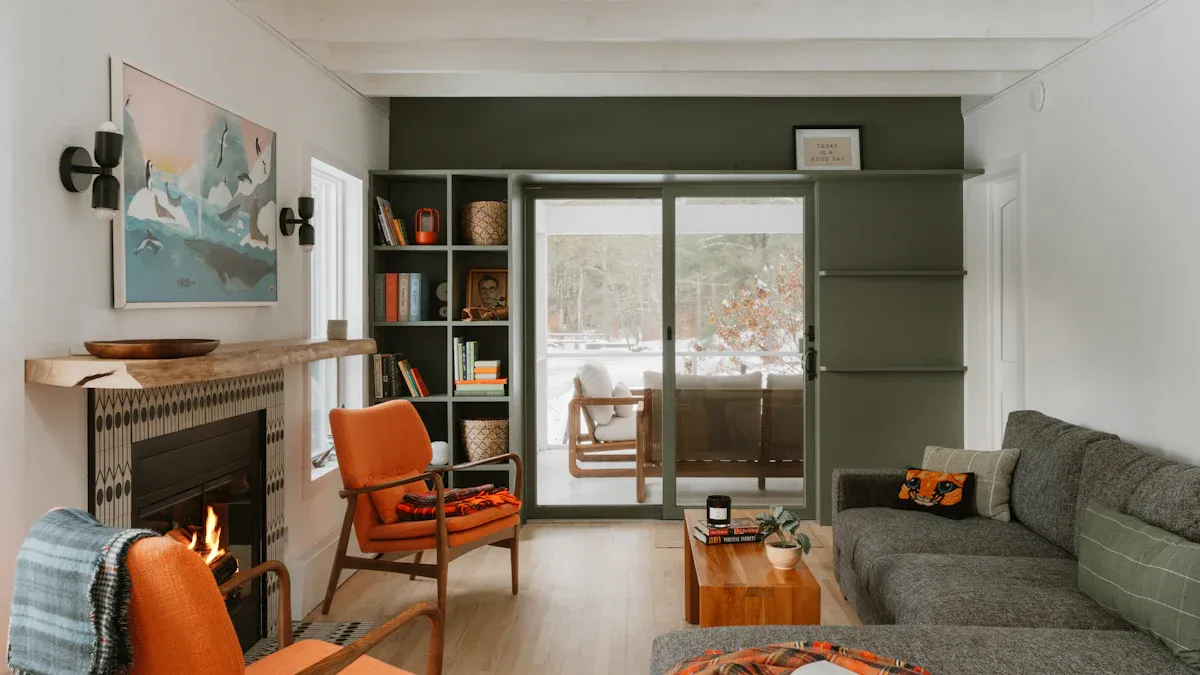
You might think decorating is only about appearance. However, a truly well-designed home does more. It improves your daily life and well-being. This blog guides you in decorating for comfort and function. You will create spaces both comfortable and highly functional. This approach goes beyond superficial decor. It builds a supportive and enjoyable living environment. Personalizing your home significantly boosts well-being.
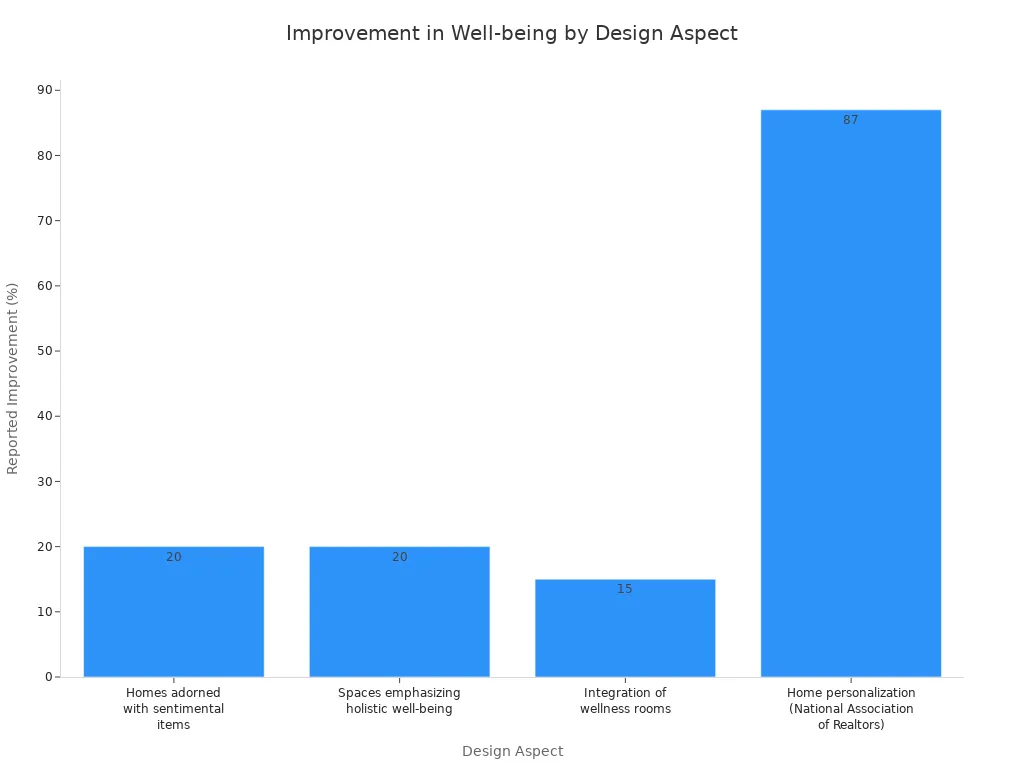
This chart shows how different design aspects improve satisfaction.
Pillars of Functional Comfort
Defining Comfort: Beyond Aesthetics
Comfort in your home goes beyond how things look. It involves ergonomics, how your body interacts with your space. Think about the sensory experience. This includes touch, sound, and smell. True comfort also supports your emotional well-being. This is “emotional architecture.” It means your home design heals you.
Natural Light and Air Circulation: Large windows bring in sunlight. This improves your mood. It helps regulate your sleep. Good ventilation and natural materials improve air quality. This helps your thinking and overall comfort.
Floor Plans and Spatial Organization: How you arrange your rooms affects your daily life. Open designs encourage talking. Separate spaces offer quiet and privacy. Dedicated areas for work or relaxation reduce stress.
Biophilic Design and Color Theory: Natural elements like wood and stone create a calm feeling. They reduce tension. Colors also affect your mood. Warm colors make spaces lively. Cool colors soothe you.
Defining Function: Optimizing Your Home
Function means your home works well for you. It is about optimizing your space. Consider the flow of movement. You need smart storage solutions. Multi-purpose areas make the most of your space. A functional home supports your daily activities easily.
The Pitfalls of Appearance-Only Decor
Focusing only on looks can create problems. Your decor might be impractical. A beautiful chair could be uncomfortable. You might end up with wasted space. This happens when items look good but serve no real purpose. This approach often leads to a home that feels cold or difficult to live in.
Design for How You Live: Your Lifestyle Blueprint
Your dwelling should support your daily life. It should enhance your well-being. This section helps you create a design for how you live.
Assess Your Needs and Habits
Start by understanding your daily routines. Consider who uses each space. What activities happen there? Walk through each room. Note high-traffic areas. See surfaces that collect dust. Identify clutter-prone spots. Document the cleanliness and how often you need to clean each area. This creates a personalized cleaning roadmap. Designate specific areas for different activities. This optimizes functionality and flow. Place frequently used items within easy reach. Use visual cues like rugs or room dividers to define zones. Adjust these as your needs change. Critically evaluate your current routines. Journal daily tasks. Seek feedback from family members. This fosters collaboration. Regularly reassess your possessions. Maintain clutter-free zones. This prevents accumulation. It creates an organized, productive environment.
Mapping Traffic Flow and Zones
Think about how you move through your living area. Create natural pathways. Avoid tight hallways. Ensure dining and living spaces flow naturally. This helps with entertaining and daily use. Arrange furniture to guide movement. This avoids weaving around items. Use area rugs, lighting, or strategic furniture placement. This creates distinct zones in open-plan areas. You do not need to build walls. Ensure smooth movement between rooms. Avoid bottlenecks. Keep high-traffic areas easily accessible. This design makes your environment work better.
Personalize for Well-being: Make Your Home Feel Like You
Your home should reflect your unique personality. Incorporate elements that reduce stress. Promote relaxation. Inspire creativity. This helps make your home feel like you. Soft blues and greens mimic nature. They signal safety to your brain. This lowers blood pressure. Natural materials like wood, cotton, and stone provide tactile touches. They ground your nervous system. Natural light promotes vitamin D production. It regulates your circadian rhythm. Both are crucial for stress reduction. Layered lighting sources create a gentle ambiance. This signals to your brain it is time to wind down. Consider a small tabletop fountain for soothing water sounds. Use essential oil diffusers with lavender. These are soothing decor ideas. They activate your parasympathetic nervous system. Spaces with moderate visual complexity are pleasing. They engage your brain without overwhelming it. Incorporate biophilic elements. Plants, natural light, and earthy colors lower stress. They improve cognitive function. They boost creativity. These personal personal touches help your dwelling feel lived in and loved. They show your authenticity. They reflect your life. Create a personal space that truly supports your personality. This thoughtful design for how you live makes a difference.
Essential Elements for Home Harmony
Creating a truly comfortable and functional home involves understanding the key elements that shape your living experience. These components work together to build a space that supports your daily life and enhances your well-being.
Furniture: Foundation of Comfort and Utility
Furniture forms the backbone of any room. You need pieces that offer both comfort and utility. Ergonomic seating is crucial. When you choose lounge chairs, look for a standard seat height of 17-18 inches from the floor. This can vary from 15 to 20 inches based on your personal preference. When you sit, your feet should rest flat on the ground. Your knees should form a 90-degree angle. If moving from sitting to standing feels difficult, consider a slightly higher seat. This helps you move more smoothly. Selecting comfortable seating for your living room means you prioritize both comfort and durability. Choose furniture that includes ergonomic features. It should also be made from strong materials. This ensures a good look and long-lasting comfort and function. It creates an inviting atmosphere that helps you relax and engage.
Multi-functional pieces are also very useful, especially in smaller spaces. These items blend form and function. For example, a coffee table can transform into a dining table. Some models use a gas-powered mechanism for smooth height adjustment. You can customize materials like marbleized glass or wood. These tables adjust for working, dining, or lounging. They often have wheels for easy movement and can expand to seat up to eight people. Another example is a small desk that becomes a long table. This offers dual-purpose utility. It works as a compact workspace and expands into a dining table. These pieces save space while meeting your needs. You can find many types of multi-functional furniture:
Multifunctional Beds: Murphy beds fold into cabinets. Storage beds have drawers or hidden compartments. Sofa beds work as seating and sleeping areas.
Multifunctional Couches: Sectional sofas rearrange easily. Convertible sofas turn into beds or loungers. Storage sofas have compartments under the seats.
Expandable Dining Tables: Drop-leaf tables have foldable sides. Extendable tables use additional leaves. Wall-mounted tables fold up when not in use.
Multifunctional Desks: Standing desks offer storage. Foldable desks mount on walls. Convertible desks double as dining tables or vanities.
Versatile Living Room Furniture: Ottomans with storage serve as footrests, coffee tables, and storage. Nested tables offer stackable surfaces. TV stands include shelving.
Finally, consider the scale of your furniture. Pieces should fit the room without making it feel too crowded or too empty.
Lighting: Mood and Task Performance
Lighting does more than just illuminate a room. It sets the mood and helps you perform tasks. You should use layered lighting. This means combining different types of light: ambient (general), accent (highlights features), and task (for specific activities).
Maximizing natural light is very important. Natural light improves your mood and regulates your sleep. You can install large windows, skylights, and clerestory windows. These features increase light penetration. Light shelves and transom windows also help distribute light. Apply light colors on your walls and floors. Light colors reflect sunlight. This makes rooms brighter and look larger. An open floor plan helps light flood across multiple areas. Minimize dividing walls to let light travel freely. Use mirrors strategically. Placing mirrors opposite windows can double the light in a room. They bounce daylight into darker corners. Choose removable blinds and curtains. Translucent curtains diffuse light. Adjustable blinds give you precise control. Exterior sun shades can block harsh rays while letting in desired sunlight.
Reflective Surfaces: Use glossy tiles, high-sheen paints, and mirrored surfaces. These reflect light deeper into rooms.
Paint Colors: Choose light hues like whites, creams, and pastels. They reflect more light.
Window Treatments: Opt for light, translucent fabrics. Roller shades, light linen curtains, or plantation shutters work well.
Landscaping: Trim tree branches and shrubs regularly. This prevents them from blocking windows.
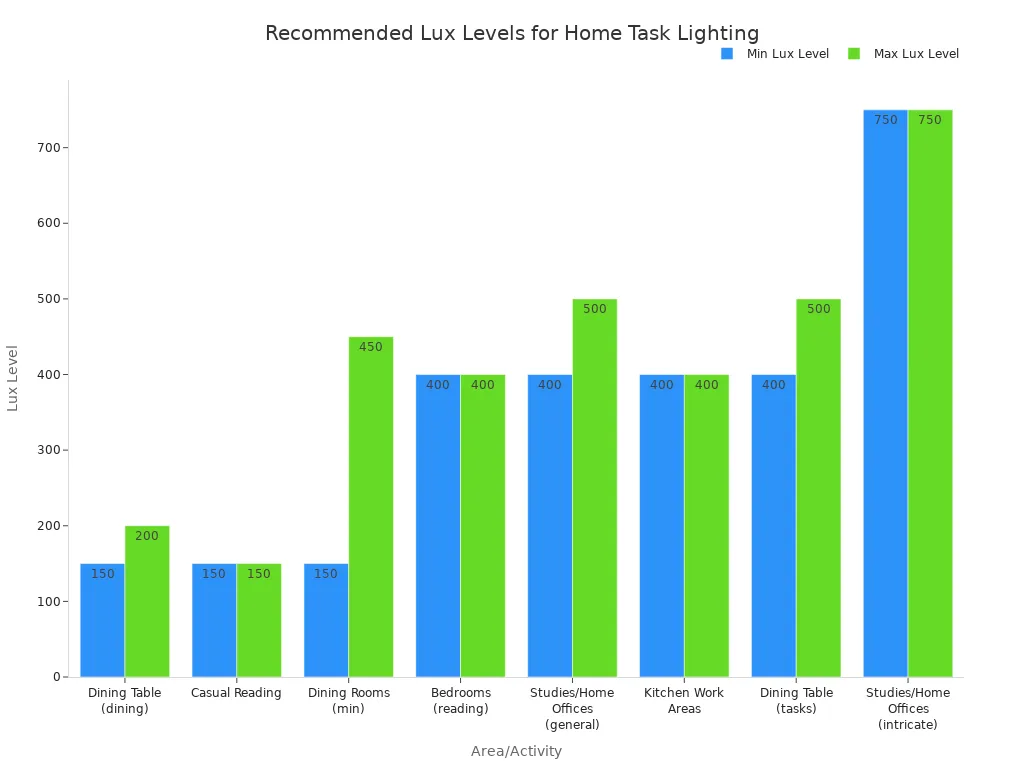
Task lighting is essential for specific activities. Different areas need different light levels.
Area/Activity | Recommended Lux Level |
|---|---|
Studies/Home Offices | 400-500 lux (general task lighting), 750 lux (intricate work) |
Kitchen Work Areas | At least 400 lux (worktop, hob, sink) |
Bathroom Mirrors | Good task lighting levels |
Dining Table (dining) | 150-200 lux |
Dining Table (tasks) | 400-500 lux (homework, hobbies) |
Bedrooms (reading) | Up to 400 lux |
Casual Reading | 150 lux |
Lighting also creates ambiance. It highlights focal points in your room. Dimmer switches allow you to adjust the brightness. This helps you create different moods.
Storage: Decluttering for Peace
Effective storage is key to a peaceful home. It helps you declutter and maintain order. Built-in storage solutions are very efficient. They maximize space. Multi-functional furniture, like sofa beds or storage ottomans, serves multiple purposes. This saves space. Using vertical space is also smart. Tall shelves, wall-mounted storage, and floating shelves free up floor space. They provide ample storage for books and decor.
Custom closet designs optimize your closet space. They include adjustable shelves, double-hanging rods, and pull-out racks. Sliding doors and hidden compartments also help. Innovative tech storage keeps cords and devices organized. Built-in charging stations and hidden compartments for electronics keep things out of sight. Hidden storage, like sliding panels and retractable drawers, creates a minimalist look. This is ideal for small homes. In entryways and mudrooms, custom built-in benches with hidden compartments store shoes and bags. Wall-mounted storage like hooks and cubbies manage clutter as soon as you enter your home.
Organized storage offers many psychological benefits. It reduces stress and agitation. Organized surroundings decrease discomfort. This is especially true when you search for items. Messy homes can worsen symptoms of mental health challenges. Regular decluttering improves your mental well-being. A tidy workspace increases productivity and mental clarity. Disorganized workspaces negatively affect motivation and efficiency. An organized environment also leads to better sleep quality. High clutter levels link to sleep disturbances. The stress from disorganization makes falling asleep harder. Finally, organizing can improve your self-esteem and confidence. Disarray in your home can lead to feelings of shame and guilt.
Textiles and Textures: Sensory Richness
Textiles and textures add sensory richness to your home. They make a space feel inviting and complete. Soft furnishings like cushions, throws, and upholstered furniture add comfort. Natural materials bring a sense of calm and connection to nature.
Wool: This material is soft, breathable, and renewable. Wool textiles enhance comfort. Wool rugs dampen noise and regulate temperature.
Natural Stone: Stone surfaces engage your touch and sight. They create a balanced environment.
Jute: Woven jute rugs add texture and visual interest.
Wood: Wooden furniture and accents engage touch and sight. Wood creates a visual rhythm like nature.
Linen: Linen curtains provide a softer light diffusion.
Cotton: Cotton curtains also offer gentle light diffusion.
Clay: Clay textures contribute to a harmonious and natural design.
Choose easy-care fabrics for everyday use. These fabrics are durable and simple to clean. Rugs, curtains, and other textiles add depth and warmth to your rooms. They absorb sound, making your space feel cozier.
Color Psychology: Influencing Mood
Colors have a powerful impact on your mood and perception. Understanding color psychology helps you create the right atmosphere in your home. Warm colors include reds, oranges, and yellows. They are engaging and full of life. They visually advance, making spaces feel cozier and more intimate. Warm colors spark conversation, boost energy, and stimulate appetite. This makes them powerful for social spaces like kitchens and dining rooms.
Cool colors include blues, greens, and purples. They generally create a sense of calm and tranquility. Blue is associated with calmness, comfort, relaxation, and peace. Green connects to nature and promotes balance.
You can use accent colors to add pops of interest. The 60-30-10 rule helps you create visual harmony. Use 60% dominant color, 30% secondary color, and 10% accent color. A monochromatic approach uses different shades of a single color. This creates a cohesive and serene scheme. An analogous approach uses colors next to each other on the color wheel. This creates a harmonious and balanced look with more variety.
Consider these color applications for different rooms:
Kitchens: Bright, energetic colors like red or yellow encourage appetite and socializing.
Bedrooms: Cooler colors like blues and greens promote relaxation and restfulness.
Living Rooms: Bright, reflective colors open up a space. Deeper, richer tones create coziness.
Small Rooms: Soft, neutral tones make them feel more spacious.
Larger Areas: Darker hues create intimacy.
Your color choices significantly influence how you feel in each space.
Room-by-Room Application for Decorating for Comfort
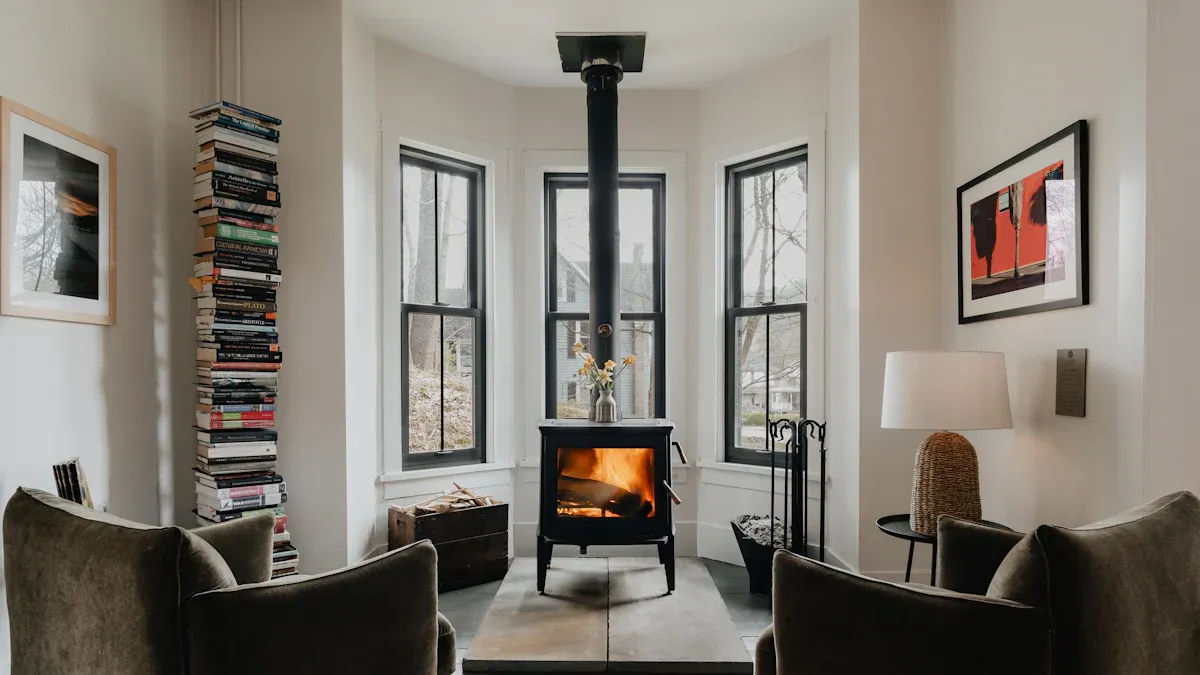
You can apply the principles of decorating for comfort and function to every room in your home. Each space has unique needs. Tailoring your approach ensures every area supports your well-being and daily activities.
Living Room: Heart of the Home
Your living room often serves as the central gathering spot. It needs comfortable seating arrangements. You want to create a space for relaxation and conversation.
Comfortable Seating Arrangements: Prioritize deep seats, supportive cushions, and armrests at the right height. Choose upholstery that feels good and lasts. You can use accent chairs for flexibility. These chairs move easily to adapt your layout for different occasions. They also add visual interest.
Flexible Layouts: A flexible layout makes your space more functional. It adapts for various activities, from hosting guests to movie nights. Swivel chairs allow easy reorientation. Ottomans offer extra seating or act as tables. Side tables move as needed. You can create a grounded look with symmetrical seating. Place two sofas facing each other. Or use one sofa with two matching chairs.
Conversation-Friendly Spaces: Arrange seating to face or angle towards each other. A U-shape or circle encourages conversation. Keep seats ideally within 8-10 feet apart. Group seats in odd numbers like threes, fives, or sevens. This creates a natural focal point and pleasing visual balance.
Clear Pathways and Defined Zones: Ensure enough space for movement between furniture, doorways, and adjacent rooms. This creates an open, uncluttered, and enjoyable space. Use area rugs to define seating areas. Rugs visually organize seating, add warmth, and anchor the arrangement. This makes the space feel cohesive and inviting.
Balancing Comfort with Visual Space: Avoid overfilling the room. Leave open space for furniture to “breathe.” Low-profile furniture makes smaller rooms feel larger. Well-proportioned pieces ground larger rooms. Dedicate about 60% of the room’s main footprint to primary seating. Use the remaining 40% for traffic, accent pieces, and negative space.
Entertainment Integration: Integrate your entertainment systems seamlessly. Hide wires and choose media consoles that blend with your decor. This keeps the focus on comfort and conversation.
Bedroom: A Sanctuary for Rest
Your bedroom should be a sanctuary. It promotes restful sleep and relaxation. Thoughtful design choices create a calming atmosphere.
Optimal Bed Placement: Place your bed in the “command position.” This means you can see the door without being directly in line with it. This promotes safety and a restful environment. Avoid placing the bed directly opposite the door. This “coffin position” can create feelings of vulnerability. Do not place your bed under a window. This disrupts energy flow and exposes you to drafts or outside noise. Position your bed against the quietest wall. Avoid shared walls with noisy spaces like bathrooms. Center your bed on a solid wall without windows or doors. This provides strong backing for the headboard and creates a focal point.
Calming Colors: Choose colors that promote tranquility.
Soft Blues: These evoke calmness and tranquility. They associate with the sky and calm waters. Blue promotes harmony, balance, and reduces stress.
Pale Greens: These bring freshness and vitality. They remind you of meadows and forests. Green offers an earthy vibe, promoting growth and renewal.
Pastel Pinks: These infuse warmth and softness. They create a cozy, nurturing atmosphere. Pink promotes comfort and restful sleep.
Soft Neutrals: Colors like beige, taupe, and ivory offer timeless elegance. They create a warm and inviting ambiance. These versatile hues provide a serene backdrop.
Light Grays: These bring sophistication and modernity. They create a sleek atmosphere. Gray associates with balance and stability.
Soft Whites: These evoke purity and tranquility. They create a sense of openness and freshness. White promotes clarity and simplicity.
Colors to Avoid: Red is stimulating and not conducive to restful sleep. Darker shades of purple can feel heavy. Brown and black can create a gloomy ambiance if used excessively. Orange is vibrant and too stimulating for relaxation.
Smart Storage for Clothing: Keep your bedroom clutter-free. Use smart storage solutions for clothing. Built-in wardrobes, under-bed drawers, and closet organizers keep items tidy. This promotes a sense of calm and order.
Home Office: Boost Productivity
Your home office needs to boost productivity. It should also support your well-being. An ergonomic setup and an organized workspace are key.
Ergonomic Setups: Your office desk should fit your height and needs. Consider sit-to-stand options. Your office chair is crucial for spinal health and comfort. It supports your lower back and encourages good posture. Ensure 90-degree angles at your elbows, hips, and knees. Your feet should rest flat on the ground. Position your monitor an arm’s length away. The top third of the screen should be just below eye level. This maintains a neutral neck position. Your keyboard should allow relaxed shoulders and a right angle at the elbow. Use wrist supports for your mouse and keyboard.
Organized Workspaces: Minimize visual clutter. Use smart desk accessories like wireless charging mats, wireless keyboards, and mice. Docking stations reduce cable clutter. Use cable ties, Velcro strips, and magnetic clips to contain excess cable length. Organize paperwork and reduce visual chaos. This minimizes distractions and promotes focus.
Minimal Distractions: Ensure adequate lighting, both natural and artificial, without glare. Minimize background noise. Use an office door or white noise machines if necessary. Incorporate natural elements into your work-from-home office. Add plants for improved air quality, mood, and focus. Use natural colors like greens and blues. This creates a calming and productive workspace.
Kitchen and Dining: Efficiency and Enjoyment
Your kitchen and dining areas should be efficient and enjoyable. They support meal preparation and shared experiences.
Workflow Optimization: Choose a kitchen layout that optimizes workflow.
Single-wall kitchen: All key components align along one wall. This minimizes movement for a smooth cooking workflow. It works well for small spaces.
L-shaped kitchen: Two adjoining sections form this layout. It supports an efficient work triangle (sink, stove, refrigerator). This maximizes space.
U-shaped kitchen: Cabinetry and countertop surround the cook on three sides. This naturally supports the kitchen work triangle. It accommodates multiple workstations.
Island kitchen: A freestanding island sits at the center. It provides valuable additional workspace. It can house appliances and promotes efficiency.
Galley kitchen: Two parallel kitchen sections with a walkway. This maximizes efficiency by creating a direct path between the sink, stove, and refrigerator.
Accessible Storage: Innovative storage solutions improve accessibility and organization.
Toe-Kick Drawers: Use the space beneath lower cabinets for flat items like baking sheets.
Corner Drawers: Transform awkward corner cabinets into functional storage.
Hidden Pantry: Discreetly store dry goods and small appliances behind cabinet doors.
Drawer Dividers: Keep kitchen tools neatly separated.
Slide-Out Pantry Shelves: Convert deep pantry cabinets into easily accessible storage.
Under-Sink Storage Solutions: Organize cleaning supplies with slide-out bins or tiered shelves.
Built-In Spice Racks: Provide organized, accessible storage for spices.
Comfortable Dining: Ensure your dining area is comfortable. Choose a table and chairs that fit your space and needs. Comfortable seating encourages longer, more enjoyable meals. Good lighting enhances the dining experience.
Integrate Aesthetics with Purpose
You integrate aesthetics with purpose when you choose items for your home that look good and serve a practical need. This approach ensures your living space is both beautiful and highly functional.
Intentional Decor Choices
Make every decor choice intentional. Select meaningful pieces that resonate with you. These could be art, photographs, or items with a story. Functional accessories also play a vital role. For example, decorative lighting, such as table lamps, provides illumination and adds color and life to a room. Decorative clocks make a statement and bring character into a home. Storage tubs and baskets help organize clutter, serving as beautiful and functional decor. Wall mirrors create an illusion of larger space and reflect light. Vases add color and texture.
You can also incorporate plants for air quality. Many indoor plants, like spider plants and peace lilies, remove pollutants such as formaldehyde and benzene from the air. This improves indoor air quality. Plants also reduce stress and improve your mood. They enhance creativity and productivity. These personal touches reflect your personality and add character to your space.
Balancing Form and Function
Balancing form and function means making practical items beautiful. You seamlessly marry how something looks with how it works. Consider your kitchen. You can implement a functional layout, like the classic work triangle, while choosing stylish and durable surfaces such as quartz countertops. In your living room, opt for flexible furniture like sectional sofas that rearrange easily. Coffee tables with storage offer both utility and aesthetic appeal. Projects like Bosco Verticale in Milan show how buildings can integrate nature, with trees and plants mitigating smog and producing oxygen. This demonstrates successful design that blends beauty and purpose.
The Iterative Design Process
Your home is a dynamic space. It should evolve with your needs. The iterative design process involves living with your design and making adjustments over time. Regularly evaluate how you use your living space. Adjust layouts or furniture to suit your changing lifestyle. Even small changes, like repositioning a chair, can significantly enhance livability. Stay informed on current design trends and techniques. Set clear goals for optimization, such as reducing clutter or increasing usable floor space. Exchange ideas with others to discover creative and effective design solutions. This continuous refinement ensures your home always supports your well-being.
You now understand the transformative power of decorating for comfort and function. Prioritizing your needs, thoughtful design, and intentional choices create a truly livable home. View your home as a dynamic space. It supports your well-being and daily activities. Embrace decorating for comfort. Create a home that feels good, works well, and reflects who you are.