
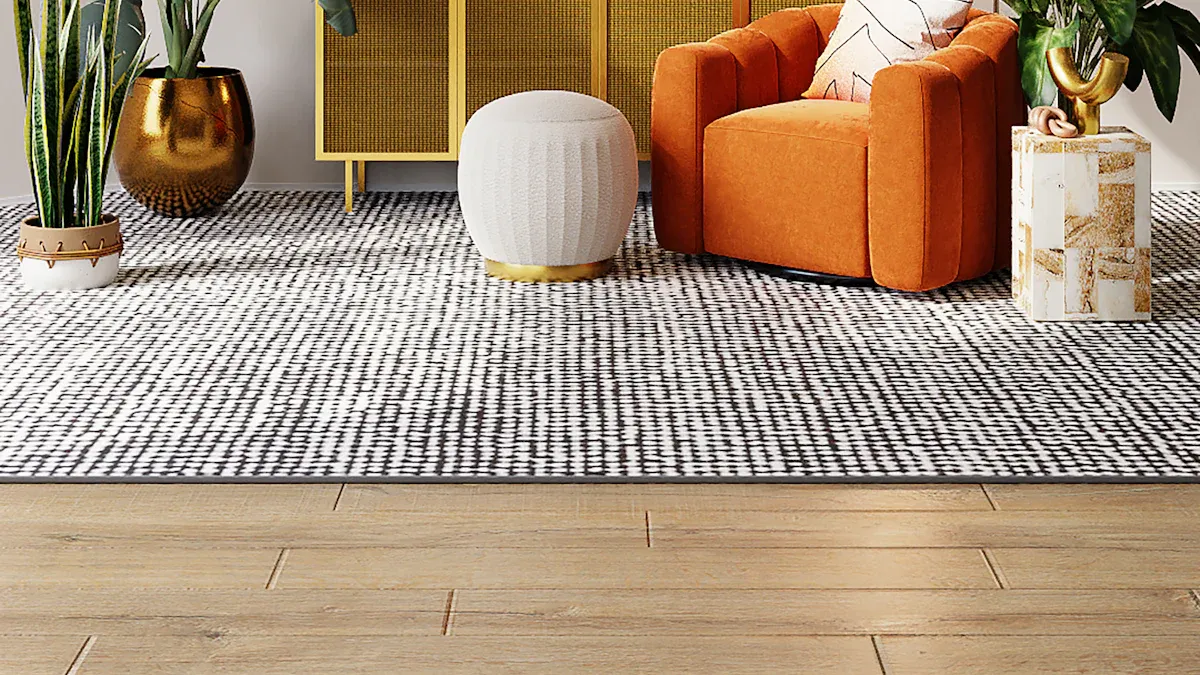
You dream of a more comfortable home, but the thought of major renovations brings stress, high costs, and disruption. A full home overhaul is not always the answer. Consider the typical expenses:
Renovation Project
Typical Cost Range
Kitchens
$60,000 – $100,000
Hall Bathrooms
$30,000 – $60,000
Primary Bathrooms
$45,000 – $90,000
Lower-Level Renovations
$60,000 – $180,000
Additions
$50,000 – $250,000
You can make significant improvements to your living space with simple, budget-friendly strategies. This blog shows you practical ways for creating comfortable living spaces. You’ll discover impactful, affordable updates to enhance your home’s comfort and appeal without any major renovation. A cozy, inviting space is truly within your reach, transforming your home into a sanctuary.
Decluttering and Organization for Comfort
A cluttered home often feels chaotic. You want your home to be a sanctuary, a place of true comfort. Decluttering is a powerful first step in creating comfortable living spaces. It brings many benefits beyond just a tidy look.
Creating Visual Calm
Visual clutter can overwhelm your senses. Think about everyday items left on countertops, excessive decor, or unorganized drawers. These things create visual noise. This visual chaos makes it harder to focus. An uncluttered space leads to less irritability and improved productivity. When you declutter, you reduce stress and anxiety. You gain a sense of control and order. This allows for relaxation and a calmer state of mind. Start with a small area, like a countertop or a single shelf. Clear it completely. Then, only put back items that truly belong there. This simple act helps you create a clean and peaceful space.
Strategic Storage Solutions
Once you remove unnecessary items, you need smart ways to store what remains. This is key for maintaining a clean and organized home. Look for multi-purpose furniture. A coffee table with hidden storage or a bed frame with built-in drawers works wonders. Utilize vertical space with floating shelves. These shelves can hold books or decor without taking up floor space. Over-the-door organizers in bathrooms or closets also maximize unused space. These solutions help you keep your belongings tidy and out of sight. This creates a more open and cozy space.
The ‘One In, One Out’ Rule
To keep your home from becoming cluttered again, adopt the “one in, one out” rule. When you bring a new item into your home, a similar item must leave. This rule encourages thoughtful purchases. It also helps you regularly evaluate your possessions. This practice promotes intentional living. You become more aware of what you truly need and value. This simple habit helps you maintain a clean and comfortable space over time. It ensures your home remains a cozy and inviting place.
Lighting and Textiles for a Cozy Ambiance

You can transform your home’s atmosphere with smart choices in lighting and textiles. These elements are key for creating comfortable living spaces. They add warmth and an intimate vibe without a big budget.
Layered Lighting Techniques
Think about how you light your space. You need more than just one overhead light. Effective lighting uses three types:
Ambient Lighting: This is your general light. It provides overall illumination for the whole space. Think ceiling fixtures or recessed lights.
Task Lighting: You use this for specific activities. A desk lamp for reading or under-cabinet lights in the kitchen are good examples.
Accent Lighting: This highlights features like artwork. Wall sconces or picture lights add drama and textures.
You start with ambient lighting, then add task lighting where you need focus. Finally, you incorporate accent lighting to highlight decor. Mixing different light sources at varying heights makes your space feel calmer and adds depth. You can update light fixtures easily.
Warm vs. Cool Tones
The color of your light affects your mood. Warm lights generally make you feel more positive. They create a cozy atmosphere. Cool lights can decrease the calming effect of a space. For example, combining white walls with warm light can enhance visual comfort. You can update light fixtures to change the tone.
Natural Light Maximization
Natural light makes any space feel better. If you have limited windows, you can still brighten your home.
Place mirrors opposite windows or in dark corners. Mirrors reflect light, making your space brighter and feel larger.
Choose sheer or light-filtering window treatments. These let sunlight in while keeping privacy.
Keep your windows clean. Dust and grime block natural light.
Remove outdoor obstructions like overgrown shrubs.
Mirrors are great for brightening a space. They make rooms appear more open and expansive. They also bounce light around, reducing the need for artificial lighting. This helps you save energy and makes your home more functional.
Soft Furnishings for a Cozy Feel
Soft furnishings add so much comfort and style. They introduce color, pattern, and natural textures. Think about throw pillows, blankets, and other textiles. Layering textures with these items creates a relaxed, cozy feeling. Creamy sofas and sheer curtains add effortless softness. Plush rugs and soft seating offer comfort, making you feel “wrapped up” in your home.
Area Rugs for Warmth and Definition
Area rugs are essential for a cozy living room. They add warmth and define different zones in an open space. A rug can be a practical starting point for decorating, especially on a budget. Area rugs also absorb sound waves. This prevents echoes and makes your space feel calmer and more peaceful. They muffle foot traffic and absorb ambient sound. This helps create a quiet zone in your home.
Curtains and Drapes
Curtains and drapes offer more than just privacy.
Curtains: They filter light without completely blocking it. They offer less insulation unless they are lined.
Drapes: These provide superior privacy and block more light, especially with blackout lining. Heavier, lined drapes offer excellent insulation. They help maintain indoor temperatures and can reduce energy costs.
Feature | Curtains | Drapes |
|---|---|---|
Light Blocking | Typically block 50-70% of light. | Can block up to 99% of light, especially with blackout lining. |
Insulation | Offer minimal insulation. | Provide excellent insulation, helping to regulate room temperature. |
These choices help you control light and add to the overall comfort of your space.
Furniture Arrangement and Personal Touches
You can make your home feel truly yours by arranging furniture thoughtfully and adding personal touches. Decorating with care, memories, and attention creates a well-decorated and cozy space. You slowly add layers of beloved items.
Optimizing Layout and Flow
How you arrange your furniture greatly impacts your space’s comfort and flow. Avoid pushing all your furniture against the walls. This can make the center of the room feel empty. Instead, pull furniture a few inches away to create conversation zones. This improves movement. Poor traffic flow creates bottlenecks. You need clear pathways of 30-40 inches for smooth movement. Ignoring a room’s main use, like entertaining or TV viewing, leads to an impractical space. Also, using rugs that are too small makes a room feel disconnected. Too many focal points can make a room feel chaotic.
“Grouping items and creating a central layout creates necessary space between or behind furnishings for walkways.” – Brady Burke, Havenly Designer
Consider these clearances for a comfortable space:
Area Type | Minimum Clearance | Ideal Clearance |
|---|---|---|
Main Walkways | 30 inches | 36-42 inches |
Seating Areas | 18 inches | 24-30 inches |
Coffee Table to Sofa | 14 inches | 18 inches |
Repurposing Existing Pieces
You do not need to buy new furniture to make big updates. Repurposing existing pieces is a smart, budget-friendly way to add character. You can turn an old dresser into a stylish bathroom vanity. Just remove top drawers and add a sink. An old door can become a rustic dining table with added legs. You can even convert a bookcase into a mudroom bench. Remove shelves, add hooks, and maybe a cushion. A timeworn wooden crate can become a trunk table for storing games. An old metal locker can provide vertical storage for garden tools. These creative updates give your home a unique, cozy feel.
Adding Key Comfort Furniture
When decorating on a budget, start with a key piece like a sofa. The sofa is the heart of cozy comfort. It is ideal for relaxation, watching movies, and reading. Comfortable egg lounge chairs offer another spot for relaxation. Coffee tables are functional centerpieces for drinks and books. Storage furniture helps keep your home tidy. Throw blankets and pillows add comfort and warmth. Area rugs add warmth and define spaces. Dining tables and chairs are essential for comfortable gatherings. These pieces are crucial for creating comfortable living spaces.
Displaying Meaningful Decor
Your home should reflect you. Displaying meaningful decor adds a personal touch. You can group similar items together. This makes them look more purposeful. Use display cases with glass lids to protect items from dust. A large bulletin board can hold many small trinkets and photos. Picture ledges are great for collections of small items. Shadowboxes offer a sweet way to memorialize special items. These methods help you display cherished items without creating clutter.
Sensory Comfort: Scent and Sound
Do not forget your senses when creating a cozy space. Scent plays a big role in your mood. Lavender promotes relaxation. Lemon enhances professional performance. Cinnamon-sugar boosts creativity. A home that smells “good” or “fresh” improves your mood. This helps with problem-solving and social interactions. Consider a diffuser or candles for pleasant aromas. For sound, soft music or a gentle water feature can add to the comfort.
Color Psychology for Mood
Colors affect your mood. Cool tones like blue promote relaxation. Warm tones like red energize you. Use colors to create the right atmosphere. Light pastels create serene environments. Darker colors add intimacy. Lighter colors make rooms feel spacious. Warm colors advance, making them good for accent walls. Cool colors recede, expanding perceived space.
Room | Mood Enhancement Goal | Recommended Color Palette |
|---|---|---|
Living Room | Foster social interaction, comfort, and warmth. | Warm neutrals (beige, cream), soft blues, greens, or muted reds. |
Bedroom | Promote relaxation, tranquility, and intimacy. | Cool, muted tones (lavender, soft blue, sage green), warm neutrals, or deep jewel tones for luxury. |
Home Office | Enhance focus, productivity, and creativity. | Greens, blues, or muted yellows for concentration; avoid overly stimulating colors. |
A fresh coat of paint can completely change a room’s feel. Choose colors that support the mood you want. A fresh coat of paint is an easy update. You can refresh your entry with a fresh coat of paint. This makes a great first impression.
Bringing Nature Indoors
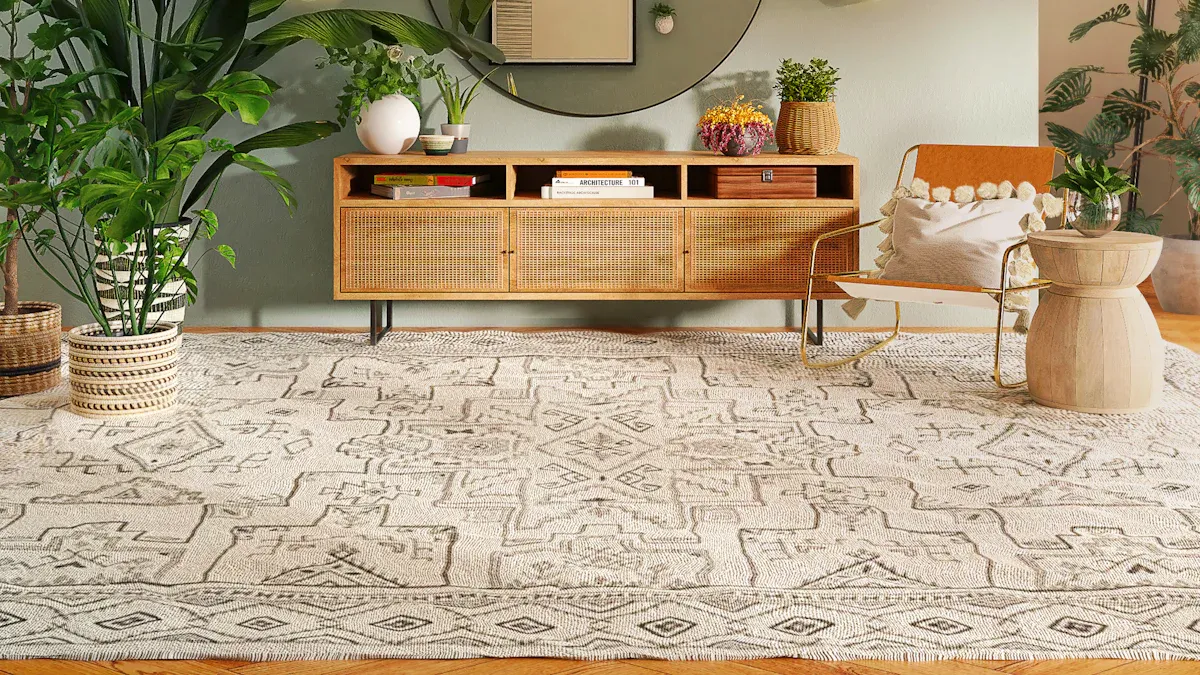
You can make your living areas feel more vibrant and peaceful by bringing nature inside. This simple step adds life and freshness to any space. It connects you with the outdoors, creating a more harmonious home.
Benefits of Indoor Plants
Indoor plants do more than just look good. They offer many health benefits. Active interaction with plants can reduce your stress. It lowers blood pressure and makes you feel more comfortable and natural. Plants also enhance your well-being. They improve your mood and boost cognitive health. You might find your stress and anxiety levels go down. Plants even help improve the air quality in your space. They remove toxins and pollutants. For example, plants can reduce CO2 levels by up to 50%. They also decrease dust, bacteria, and mold exposure by up to 20%. This leads to cleaner, fresher air in your home.
Low-Maintenance Plant Choices
You do not need a green thumb to enjoy indoor plants. Many options are easy to care for. The ZZ plant is very hardy. People call it the “set-it-and-forget-it” plant. It tolerates low light and does not need much water. Pothos is another great choice. It grows quickly and forgives neglect. It thrives in various light conditions. The Snake Plant also tolerates low light and irregular watering. It improves air quality too. Other easy plants include the Spider Plant and Chinese Evergreens. These plants help purify the air in your space. For example, the Spider Plant extracted 95% of toxic formaldehyde in a NASA experiment.
Incorporating Natural Elements
You can bring nature indoors in other ways too. Think about using natural materials like wood and stone. These elements add warmth and texture to your space. You can use concrete countertops or natural stone tiles. A modern stone fireplace with layered marble adds subtle texture. Hardwood ceilings can soften concrete walls. This creates an illusion of bringing the outdoors into your space. You can combine reclaimed wood tables with other elements. Hardwood tiles can create feature walls in bathrooms. A floor-to-ceiling dark wood headboard gives your bedroom a modern, cozy feel. These touches make your space feel more inviting and full of comfort.
You see, creating comfortable living spaces does not demand extensive renovations or a huge budget. You can transform your home. Remember, decluttering, smart lighting, soft textiles, thoughtful furniture arrangement, and bringing nature indoors all contribute. These updates enhance your comfort and well-being. They give you increased satisfaction and a sense of belonging in your space. Even small changes, like enhancing views, improve your home. This creates a more inviting space. Start with one or two ideas. Gradually build your cozy space. You will love your cozy home. Your home will become a true sanctuary, full of comfort and peace. This comfortable space will bring you joy and lasting comfort in every corner of your space.