Choosing materials for your home’s wall is a big decision. Your choices for paint and finishes impact its durability and look. These are investments, not just expenses. Smart decisions prevent future headaches and costs. Quality wall finishing materials ensure lasting beauty. You want wall finishes that stand the test of time. A good finishing process is key. How do you achieve lasting results when selecting wall finishing materials for your home? This guide helps you make informed choices for every wall.
Key Factors for Lasting Wall Choices
Durability and Longevity
You want your wall to last. Durable materials reduce the need for constant repairs and replacements. While initial costs for cheaper materials seem lower, the true financial impact unfolds over decades. Durable wall systems, despite a higher upfront investment, significantly reduce the need for repairs and replacements. This leads to substantial savings over time. Products engineered for longevity withstand heavy use. Modular designs allow individual panel replacement. Low-maintenance finishes resist wear and tear. You should prioritize lifecycle performance alongside initial expenses. Durable options protect your investments and ensure predictable maintenance costs for your home.
Aesthetics and Design
Your wall choices define your home’s look. Consider how different wall finishes contribute to the overall design. You select materials that reflect your style. The right wall finishing enhances your home’s appeal. It creates the atmosphere you desire.
Budgeting for Quality
Think beyond the immediate price tag. Investing in quality wall finishing materials saves you money later. Choosing higher-priced, quality wall outlets, though seemingly more expensive initially, results in long-term savings. You minimize repair costs and enhance safety. Quality investments pay off over time, especially for electrical components. Energy-efficient options further reduce long-term expenses through lower electricity bills. This applies to all your wall finishing choices.
Maintenance and Care
Different wall materials require different care. You want finishes that fit your lifestyle. Easy-to-clean surfaces save you time. Consider the long-term maintenance of your chosen wall finishes. Some materials need frequent upkeep, while others require minimal attention.
Environmental and Health Impact
Your choices affect your health and the environment. Be aware of potential risks. Some materials pose health risks. Quartz products and engineered stone with high crystalline silica content release hazardous dust when cut. Inhaling this dust causes silicosis, lung cancer, and COPD. Safer alternatives exist. Porcelain, sintered stone, and recycled glass stone offer low or no silica. Resin-based solid surfaces are entirely silica-free. Avoid asbestos or formaldehyde in ceiling tiles. Conventional paints off-gas Volatile Organic Compounds (VOCs). These include formaldehyde and pesticides. Choose formaldehyde-free acoustical wall systems. Opt for low-VOC or zero-VOC paints. Water-based acrylic latex paints are safer and easier to clean. This careful choosing materials protects your health and ensures the durability of your home.
Durable Interior Wall Finishing Materials
You want your interior walls to look great and last a long time. Many types of wall finishing materials offer both durability and aesthetic appeal. Choosing the right wall finishing for your home means understanding the options. Here, you explore various types of wall finishing beyond just paint.
Drywall Finishes
Drywall is a common material for interior walls. The way you finish drywall greatly affects its durability and final look. The Gypsum Association sets standards for drywall finish levels. These levels tell you how much finishing work goes into the wall.
Level 0: This means no finishing work. You see this in concealed areas.
Level 1: This involves basic tape application. It is suitable for attics or storage.
Level 2: This includes a thin skim coat. You use it for utility spaces.
Level 3: This incorporates multiple joint compound layers. It is ideal for textured surfaces like orange peel patterns.
Level 4: This provides a smoother appearance with multiple compound applications. It is suitable for painted walls.
Level 5: This is the highest quality finish. It has a complete skim coat. This level eliminates surface imperfections. It is ideal for smooth walls, high-gloss paint, and critical lighting.
Different finish levels suit different needs. For example, a Level 5 finish is best for high-traffic areas. It gives you a superior uniform surface. This surface withstands scrutiny under harsh lighting. It also works well with glossy paints. A Level 4 finish benefits residential spaces. It delivers excellent results for flat or eggshell paints. It is also cost-effective. A Level 3 finish works well for areas needing textured finishes. It is perfect for knockdown applications.
You can also choose from popular drywall texture options to add character to your interior walls:
Popcorn: These are sound-dampening bumps. You often see them in pre-1990s homes.
Orange Peel: This is a subtle, uniform pattern. It resembles citrus skin. You can find it in fine, medium, or heavy variations.
Knockdown: This creates an elegant, mottled appearance. You achieve it by flattening applied mud peaks.
Lace: This delivers intricate patterns. You can enhance it with multi-colored applications.
Smooth: You often pair this with high-gloss paint. It achieves a Level 5 finish. Modern minimalists favor this texture.
A Level 3 finish features one coat atop embedded joint tape and two coats on fasteners. It is free of tool marks and ridges. You typically specify it for appearance areas receiving heavy- or medium-textured finishes before painting. You also use it where heavy-grade wall coverings are applied. It is not recommended for smooth painted surfaces or light to medium wall coverings. A Level 4 finish includes two coats atop embedded joint tape and three coats on fasteners. All joint compound is smooth and free of tool marks and ridges. You recommend it for flat paints, light textures, or wall coverings. It is not recommended for paints with sheen levels other than flat, enamel paints, or unbacked vinyl wallcoverings. A Level 5 finish consists of two coats atop embedded joint tape, three coats on fasteners, and a skim coat of joint compound on the entire surface. This results in a smooth surface free of tool marks and ridges. You highly recommend it for non-flat paint or severe lighting conditions. It provides a uniform surface. It minimizes joint photographing and fastener show-through. These types of wall finishing ensure your drywall looks its best.
Plaster for Durability
Plaster offers a traditional and highly durable option for interior walls. It provides a solid, long-lasting surface. Many people choose plaster for its superior qualities compared to drywall.
Feature | Plaster | Drywall |
|---|---|---|
Impact Resistance | More durable and resistant to dents and holes. | Easily damaged by impacts, leading to dents and holes. |
Soundproofing | Superior soundproofing due to its density and solid mass, creating a quieter indoor environment. | Less effective at soundproofing, allowing more noise transfer between rooms. |
As you can see, plaster is more resistant to impacts. It does not dent or hole as easily as drywall. This makes it an excellent choice for busy areas in your home. Plaster also offers superior soundproofing. Its density and solid mass create a quieter indoor environment. This is a significant benefit for interior walls, especially in bedrooms or offices. The robust nature of plaster makes it a top choice for durable wall finishing.
Wood Paneling
Wood paneling adds warmth and character to your interior walls. It also offers significant durability when installed correctly. To maximize its lifespan and prevent warping or damage, follow these best practices for wall finishing:
Wall Preparation: Ensure your walls are clean, smooth, and free from dust or debris. Fill cracks, holes, and sand the surface for a uniform base. Address any existing damages or uneven areas.
Insulation Integration: Assess and address insulation needs for energy efficiency and noise reduction.
Structural Support: Check the wall condition. Ensure it can support the additional weight of the paneling. Use a stud finder to locate studs for maximum support. Securely attach panels using appropriate screws or adhesives.
Adhesive Selection: Choose an adhesive specifically designed for wood paneling. Consider the wood type, environmental conditions, and desired aesthetic. Apply it evenly and allow sufficient curing time.
Panel Installation: Start from one corner. Work across the wall. Ensure each panel is level and securely attached. Use finishing nails for added stability if necessary.
Material Selection: Choose sturdy wood paneling that can withstand wear and tear. Consider moisture-resistant wood like cedar or redwood for high humidity areas. This prevents warping or mold growth. Engineered wood paneling is also recommended. It resists moisture and temperature fluctuations. This helps prevent warping and cracking.
Proper maintenance also extends the life of your wood paneling.
Regular Cleaning: Use a gentle detergent and soft cloth. This prevents dirt buildup and maintains natural beauty.
Periodic Inspection: Regularly check for signs of wear, warping, or water damage. Address issues promptly. This prevents further structural problems.
Moisture and Termite Resistance: When selecting materials, prioritize moisture-resistant and termite-resistant options. This ensures long-lasting durability.
Wood paneling provides a beautiful and resilient wall finishing.
Tile for High-Traffic Areas
Tile is an excellent choice for interior walls in high-traffic areas. It offers exceptional durability and is easy to clean. You often see tile in kitchens, bathrooms, and entryways. The Porcelain Enamel Institute (PEI) rating helps you choose the right tile for wear resistance.
Tile Type | Typical PEI Rating Range | Common Installations |
|---|---|---|
Porcelain | IV-V | Commercial, high-traffic areas |
Unglazed Ceramic | III-IV | Kitchens, hallways, utility rooms |
Porcelain tiles are highly durable for high-traffic interior areas. They have a very dense and hard composition. This results in low water absorption. This makes them excellent for performance and wear in demanding environments.
Understanding PEI levels helps you select the best wall finishing materials:
PEI Level IV: This level is engineered for heavy residential and light commercial use. It is suitable for entryways and high-activity home areas. It withstands significant foot traffic.
PEI Level V: This offers maximum wear resistance. It is for commercial and institutional spaces. It handles extreme foot traffic in areas like shopping centers, airports, and public buildings.
When you choose tile, consider the PEI rating. This ensures your wall finishes can handle the expected wear.
Wallpaper for Lasting Style
Wallpaper offers a wide range of styles and patterns. It can also be a very durable wall finishing option. Modern wallpapers resist fading and peeling, providing lasting beauty for your interior walls.
Vinyl wallpaper: This is recommended for high-traffic areas like hallways and living rooms. It offers moisture resistance, durability, and ease of cleaning. It is also fade-resistant. This helps it maintain its appearance over time.
Washable or moisture-resistant wallpapers: These are essential for kitchens and bathrooms. They withstand steam and humidity. This prevents peeling or warping. Vinyl wallpapers with a protective coating or nonwoven wallpapers are suitable choices for these areas.
Vinyl wallpaper is widely recognized as the most durable option. It features a paper or fiber layer topped with a plastic film. This provides waterproofing and scratch resistance. Solid vinyl is particularly strong. Its color goes all the way through. This makes scratches less visible. It is also highly scrubbable. Fabric-backed vinyl is a heavy-duty choice. It has a sturdy fabric layer behind the vinyl surface. This makes it nearly impossible to tear. You use it in commercial spaces and luxury hotels. It offers unparalleled longevity. It is excellent for covering rough walls. It also provides slight sound insulation.
Non-woven wallpaper is a modern European favorite. It is made from a blend of natural and synthetic fibers. It offers strength and breathability. This prevents mold growth. It is easy to install. You apply glue directly to the wall. It is also easy to remove. It pulls off in dry strips without residue. Faux grasscloth designs use durable vinyl. They mimic the organic look of natural grasscloth without its fragility. They resist fraying and color changes over time. They provide a high-end aesthetic with the strength of plastic.
The material and composition of wallpaper are important. The base material’s stability prevents gaps. Premium European bases resist shrinking or expanding. UV-resistant pigments ensure vibrant colors. These colors will not fade even with direct sunlight. Durable wallpaper has a barrier to repel moisture. This is crucial for humid environments like kitchens and bathrooms. It prevents mold growth, bubbling, or curling of seams. Products are classified by washability levels. Scrubbable wallpapers are the gold standard. They allow for cleaning with mild detergent. This removes stubborn marks without damaging the print. Thicker materials can hide wall flaws. These include small cracks or uneven textures. This creates a smooth finish. Heavy sheets generally offer better resistance to physical impact. These types of wall finishing ensure your wallpaper looks good for years.
Other Interior Wall Finishes
Beyond the common options, other types of wall finishing materials offer superior durability or unique aesthetic benefits. You can explore these for a distinctive look in your home.
Veneer plaster is an emerging interior wall finish. It is known for its exceptional durability. It offers a surface that withstands daily wear and tear. This ensures longevity. It boasts abrasion resistance. It maintains a pristine look for extended periods. It has superior strength compared to conventional drywall. It provides a robust protective layer. This material is also resistant to cracks. This is due to its reduced thickness and strong formulation. Aesthetically, veneer plaster exudes timeless elegance. It enhances interiors with a classic look. It offers versatile design options through various textures. These range from smooth to textured finishes. This allows for unique design statements and a polished, sophisticated appearance. It provides a smooth and seamless finish. It minimizes visible joints and imperfections. It ages gracefully, developing a rich patina over time.
Other durable wall finishing materials include:
Glass Walls: These offer significant aesthetic appeal and customization options. You can choose tempered or laminated glass.
Ceramic Tiles: These provide a refined finish and aesthetic when properly installed. They are easy to maintain. They come in various types.
Plywood Wall Material: This is a strong and durable option. It is relatively cheaper. It is easy to maintain.
Wallpapers Material: This offers extensive customization options for a premium touch. It requires infrequent maintenance.
These best wall finishing materials provide diverse options for your interior walls. They combine durability with unique textures and styles.
Choosing Paint for Lasting Results
Choosing the right paint for your home is a crucial step. It affects both the look and durability of your interior wall. You want your paint to last. This section details different paint types and finishes. It explains their best uses for durability and appearance. Making informed decisions about your paint ensures a beautiful and long-lasting wall finishing.
Paint Types and Durability
Different paint types offer varying levels of durability. You need to select the right one for each area of your home. Latex and acrylic paints are common choices for interior wall finishing. Oil-based paints are generally not suitable for interiors due to high VOCs.
Consider the differences between latex and acrylic paints:
Feature | Latex Paint | Acrylic Paint |
|---|---|---|
Elasticity | Not elastic, leading to chipping and peeling | High elasticity and flexible, expands and contracts |
Chipping/Peeling | More prone to peeling and cracking | Resists chipping and peeling, holds up to elements |
Lifespan (Interior) | 5 to 10 years | 5 to 10 years (can outperform latex in harsh environments) |
High-Traffic Areas | Durable enough, but acrylic is more suitable | More durable, better for busy areas, holds up to frequent cleaning |
Overall Durability | Good for interior jobs, but acrylic is more durable | More durable product, especially in harsh environments |
Acrylic paint offers a tougher yet flexible finish. It will not peel or detach easily over time. Pure acrylic resins bond more strongly. This creates a more durable finish. Acrylic paint also resists water, mold, and UV rays better. For busy areas like hallways and family rooms, acrylic paint is a better choice. Walls in these areas get touched and scuffed often. Latex paint works well indoors. It is perfect for low-traffic areas. These include guest bedrooms or formal living spaces.
Selecting Paint Finishes
The finish, or sheen, of your paint greatly impacts its durability and how easy it is to clean. You need to choose the right finish for each wall. Higher sheen paints are generally more durable and easier to clean.
Here is how different sheens compare:
Sheen Type | Durability | Cleanability | Hides Imperfections |
|---|---|---|---|
Flat Paint | Less durable | Harder to clean (traps dirt) | Excellent |
Eggshell Paint | More durable than flat, not for high-traffic/moisture | Moderate | Good |
Satin Paint | Durable | Easy to clean | Can highlight imperfections |
Semi-Gloss Paint | Highly durable (resistant to moisture, stains, scuffs) | Easy to clean | Can highlight imperfections |
Gloss Paint | Durable | Easy to clean | Can highlight imperfections |
Higher sheen paints, like semi-gloss and gloss, resist scuffs and stains more effectively. This makes them ideal for high-traffic areas. These glossy finishes are also easier to wipe clean. Flatter paints tend to trap dirt. They are harder to maintain. However, they excel at hiding wall imperfections.
For high-moisture environments like bathrooms and kitchens, you need moisture-resistant or mold-resistant paint. Semi-gloss or satin finishes are recommended. They provide better protection against moisture compared to matte finishes. They are also easy to clean. These specialized paints withstand humidity and frequent temperature changes. They offer mold prevention and durability against peeling or bubbling. Their scrub-friendly nature makes maintenance easy.
Here are recommended paint types for high-moisture areas:
Satin Finish Paint: Durable, washable, and moisture-resistant. It is ideal for walls in high-moisture areas.
Semi-Gloss Finish Paint: Offers a glossy finish. It resists water and moisture exceptionally well. It is easy to wipe down.
Gloss Finish Paint: Similar to semi-gloss in qualities. It is easy to clean. It can be too shiny for walls.
Eggshell Finish Paint: Slightly less glossy than satin. It is durable enough for bathroom and kitchen use.
Primer’s Role in Longevity
Primer is a critical step for a long-lasting paint job. You should never skip it. Primer creates a uniform surface. This allows paint to adhere more effectively. It prevents peeling and ensures a durable wall finishing.
Here are the specific benefits of using a primer:
Adhesion Enhancement: Primer helps paint stick to challenging surfaces. This includes glossy ones. It reduces the chances of peeling and flaking over time. It is essential for porous materials like drywall or textured walls.
Improved Coverage: Primer reduces the number of paint coats you need for an even look. Tinted primers can bridge the gap when transitioning between dark and light shades. This reduces the number of top coats required.
Increased Paint Durability (Longevity): Primer protects walls from moisture and stains. This makes your paint job last longer. It reduces maintenance needs. Specific primers can seal surfaces against moisture. This hinders mold and mildew growth. It contributes to the paint’s durability and longevity.
Low VOC Paints
Volatile Organic Compounds (VOCs) are chemicals found in many traditional paints. They release harmful fumes into the air. Low VOC paints offer a safer and healthier alternative for your home’s wall.
Here are the health and environmental benefits of low VOC paints:
They have significantly reduced levels of VOCs. This leads to fewer harmful emissions. They are a safer choice for indoor and outdoor applications.
They minimize off-gassing of toxic fumes. These fumes link to respiratory issues, headaches, and long-term health concerns.
They create a safer indoor environment. This is especially true for children, the elderly, and individuals with chemical sensitivities.
They contribute to better indoor air quality. They emit fewer pollutants.
They have an absence of strong, lingering odors. This allows spaces to be reoccupied more quickly and comfortably.
They reduce air pollution and lower carbon footprints. They significantly cut down on harmful VOC emissions.
Many are made from natural, biodegradable ingredients. This reduces reliance on petroleum-based chemicals.
They often come in recyclable or biodegradable packaging.
Long-lasting formulations reduce the need for frequent repainting. This conserves resources and minimizes waste.
Modern low VOC paints offer comparable, if not superior, performance to traditional paints. They provide excellent coverage. They often require fewer coats. They use high-quality pigments and binders for longevity. This is true even in high-traffic areas. They resist fading and chipping. They have quick drying times and minimal odor. This allows spaces to be reoccupied sooner. They provide long-lasting protection against stains, mold, and mildew. Their durability has greatly improved. They offer scrubbable, stain-resistant, and strong adhesion properties. Their longevity is comparable to high-VOC paints.
Color for Enduring Appeal
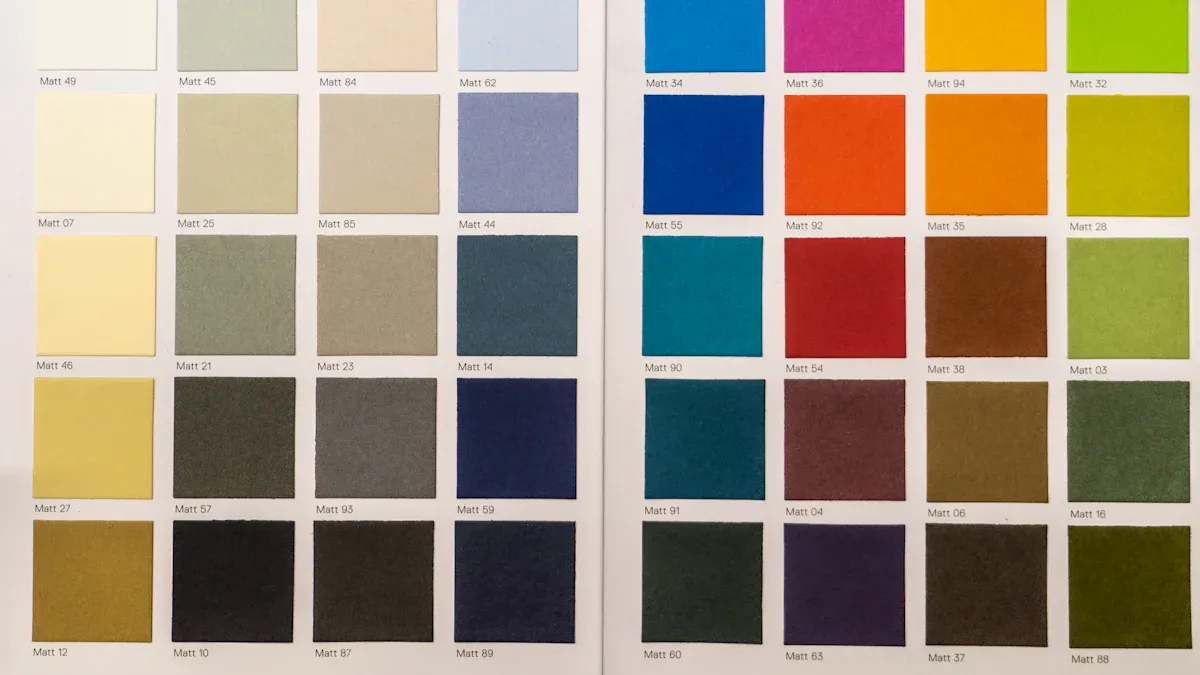
Choosing the right color for your wall is more than just a preference. It impacts the long-term appeal and atmosphere of your home. You want a color that you will love for years. Consider how different colors affect your mood and the perception of space.
Neutral colors often offer enduring appeal. They provide a versatile backdrop for various decor styles. You can easily update accessories and furniture without repainting the entire wall. However, bold colors can also create a strong, lasting impression if chosen thoughtfully. Think about the natural light in the room. Light affects how a color appears throughout the day. A color that looks great in a paint swatch might look different on a large wall.
Consider the texture of your wall when selecting a color. A smooth finish will show color differently than a textured surface. The texture can add depth and nuance to the chosen color. Ultimately, selecting wall finishes, including the perfect color, contributes significantly to the overall aesthetic and longevity of your home’s design.
Durable Exterior Wall Materials
You want your home’s exterior walls to protect against the elements. They also need to look good for many years. Choosing the right exterior wall finishing materials is a key decision. These materials provide durability and curb appeal.
Brick for Durability
Brick is a classic choice for exterior walls. It offers great strength and a timeless look. However, brick can degrade over time. Water damage is a common problem. Water enters porous bricks. It freezes and expands. This causes cracks and flakes. Chimneys and walls with minimal coverage are often susceptible. You can prevent this. Keep your home’s exteriors dry. Treat brick with a quality sealant. This closes porous holes. It stops water penetration. You should also tuckpoint exteriors. Replace crumbling bricks. This closes gaps. It prevents water entry. Ensure proper drainage around your home. Avoid power washing brick exteriors.
Stone for Longevity
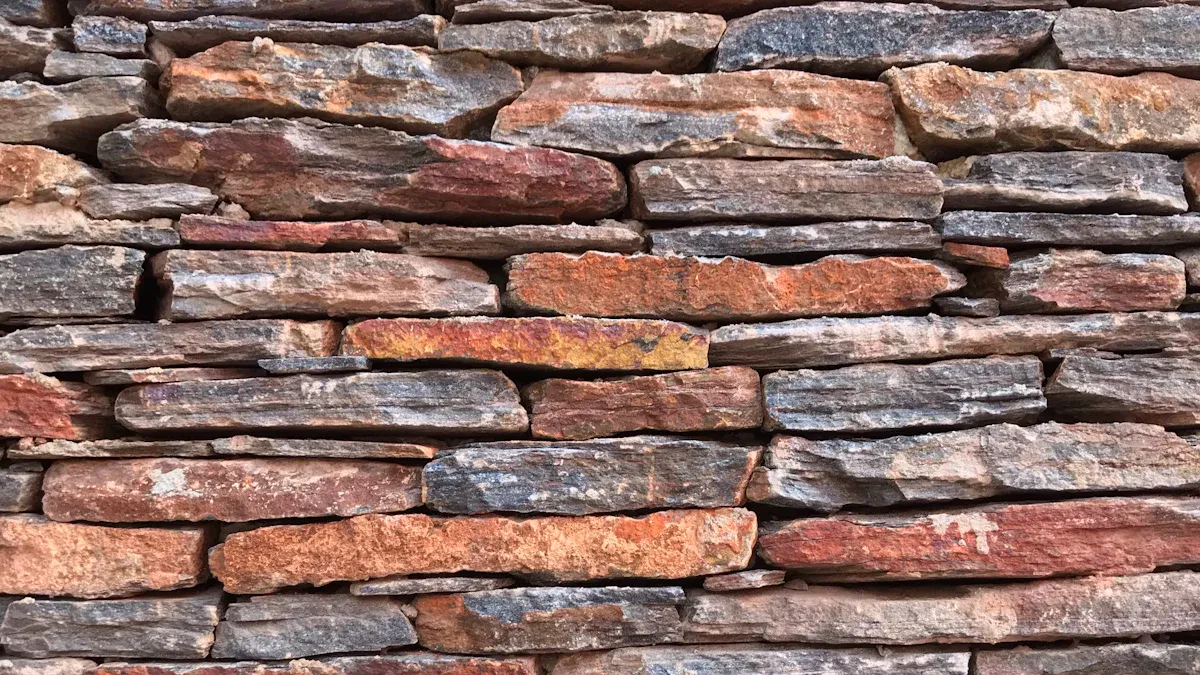
Natural stone offers unmatched longevity for your exterior walls. It is inherently durable. It withstands harsh weather. It resists heat and stains. Natural stone veneer lasts indefinitely. It often exceeds 100 years. It maintains its natural color. It keeps its texture. Manufactured stone veneer is different. It is cement-based. It uses aggregates and dyes. It is more porous. It is prone to cracking and fading. Its lifespan is shorter, typically 10-25 years. Natural stone is a long-term investment for your home.
Concrete and Stucco
Concrete and stucco provide robust options for exterior walls. Stucco offers a seamless finish. It is very durable. You need proper application for crack resistance. Use high-quality materials. Choose materials suited for your local climate. Seal around windows and doors. This prevents leaks. Apply weather-resistant coatings. Consider extra insulation in extreme temperatures. Professional application is best. It ensures performance and durability. When painting stucco, use breathable coatings. Acrylic or elastomeric paints work well. They prevent moisture from trapping inside the wall.
Siding for Weather Resistance
Siding protects your home from weather. Durability is crucial for siding materials. They must resist wind, hail, and pests. Fiber cement siding is a top choice. It is strong. It needs low maintenance. It resists fire and pests. Steel siding offers unparalleled durability. It resists extreme weather. It handles impacts well. It does not crack or warp. Steel siding outperforms wood and vinyl in hail-prone areas. It has a rigid structure. Wood siding can crack from impacts. Vinyl siding is prone to cracking in cold weather. Fiber cement handles everyday impacts. Heavy impacts can cause chipping.
Exterior Paint and Stains
Choosing the right exterior paint ensures lasting beauty. It also protects your wall. Look for paints with UV-blocking properties. These are good for intense sun exposure. High-quality acrylic paints are best. They are durable and flexible. They resist peeling. They offer excellent color retention. Oil-based paints are less flexible. They may not perform as well in extreme temperatures. Light colors generally last longer in sunny areas. They reflect heat. Dark colors absorb more heat. They are more prone to fading. Use top-tier paints for dark colors. Apply a high-quality primer. Use multiple light coats. This ensures an even finish. It provides better adhesion. It gives longer-lasting results for your wall finishing.
Tips for New Builds & Renovations
You make important decisions during new construction or renovation projects. Choosing materials for your walls impacts durability and value. These tips help you select lasting wall finishing options.
New Construction Material Choices
When building a new home, you have many choices for exterior wall materials. Consider both cost and longevity.
Material | Cost-Effectiveness | Durability/Notes |
|---|---|---|
Wood Siding | Pros: Affordable, easy to install, customizable, environmentally friendly. Cons: Requires regular maintenance, susceptible to rot, pests, and fire. | Can last 20-40 years with proper care. |
Vinyl Siding | Pros: Cost-effective, low maintenance, durable, versatile. Cons: Can crack in extreme cold, susceptible to mold/mildew, not environmentally friendly. | Can last 20-40 years. |
Fiber Cement Siding | Pros: Durable, low maintenance, fire-resistant, pest-resistant, versatile. Cons: More expensive than wood/vinyl, difficult to install. | Can last 50+ years. |
Brick | Pros: Extremely durable, low maintenance, fire-resistant, energy-efficient. Cons: Expensive, difficult to install, limited color options. | Can last 100+ years. |
You can see brick offers excellent durability. Fiber cement siding also provides a long-lasting wall solution.
Renovation Material Upgrades
You can improve existing homes with smart material upgrades. Consider Insulated Concrete Form (ICF) walls with Phase Change Materials (PCMs). ICF walls are durable and insulate well. PCMs absorb and release heat. This stabilizes indoor temperatures. It reduces HVAC system workload. This combination boosts energy efficiency and structural integrity. You can also upgrade interior wall finishing. Use higher-gauge drywall for better sound and impact resistance. Premium primer and paint systems offer scrub resistance and color stability. Moisture-resistant assemblies in humid areas exceed code minimums. Upgraded wall systems, like those using higher-gauge drywall, add only $2-4 per square foot. They reduce maintenance needs by 60-75%.
Pro vs. DIY Installation
You can choose between professional or DIY installation for your wall finishing.
Aspect | Cost (per square foot) | Labor Cost (per hour) |
|---|---|---|
DIY Drywall Installation | $1.50 – $3 | N/A |
Professional Drywall Installation | N/A | $70 – $80 (plus materials) |
Professionals offer experience and expertise. They lead to higher quality results. For large or complex renovation projects, hiring a contractor is often beneficial. They save time. They ensure quality. Small-scale drywall repairs might be cost-effective for DIY. Larger projects benefit from professional help.
Cost of Lasting Materials
Investing in quality materials provides a good return. Choosing materials for walls and finishes impacts resale value. Buyers look for low-maintenance homes. Upgrading to high-performing materials is a smart investment.
Material/Upgrade Type | Estimated ROI |
|---|---|
Kitchen Remodel (with durable/premium surfaces) | 54% to 81% |
Backsplashes and Wall Tile (minor kitchen remodel) | 50-70% |
Stacked Stone & Stone Veneer | >100% |
You boost your home’s market value. You meet buyer expectations with durable wall finishing.
Thoughtful selection of wall finishing materials, paints, and finishes is crucial for your home. These choices impact its longevity, aesthetic appeal, and overall value. Consider your specific needs, lifestyle, and budget when choosing wall finishing materials. An informed decision today leads to lasting satisfaction tomorrow. You can confidently choose wall finishing that stands the test of time. Your home deserves durable wall finishes. This careful finishing ensures lasting beauty for every wall. Make smart choices for your wall finishing.