
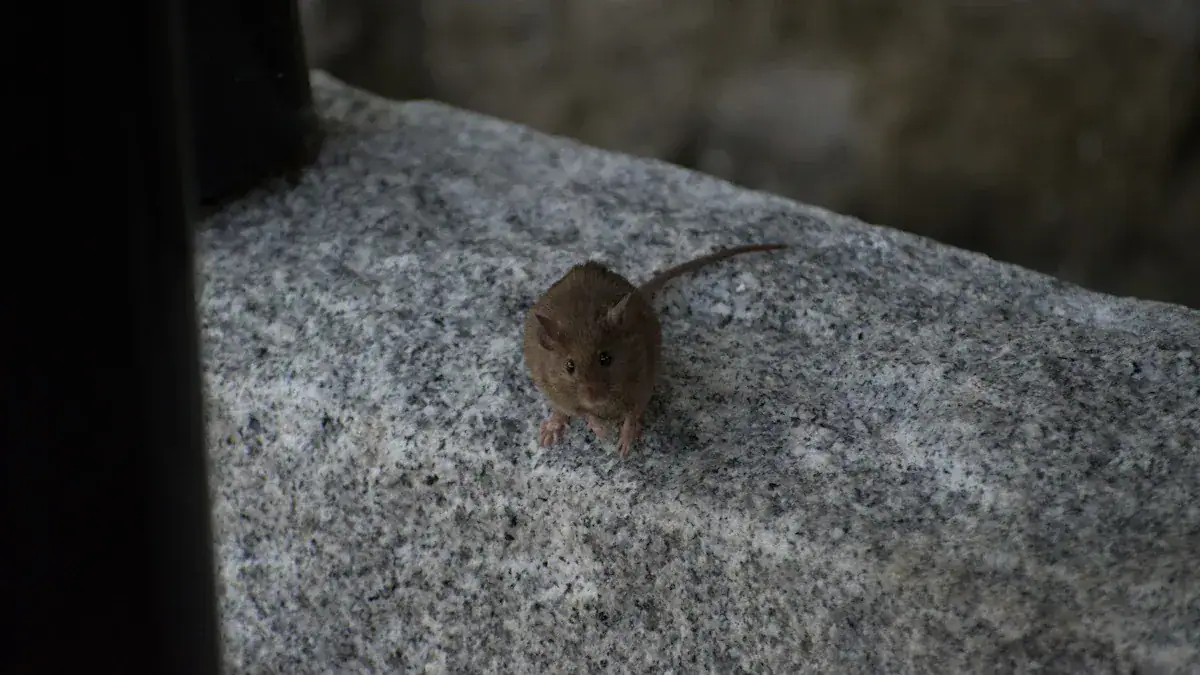
Yes, can mice walk on ceilings? Absolutely, and it’s a surprising fact for many homeowners. These small pests possess remarkable physical adaptations that enable this feat. Their strong, flexible legs provide power for climbing. Sharp, retractable claws grip rough surfaces. A long, thin tail helps with balance. These unique features allow mice to access otherwise unreachable habitats, including ceilings. Understanding this capability is crucial for effective pest control and prevention in homes.
Key Takeaways
Mice can walk on ceilings. They have strong legs and sharp claws. These help them grip rough surfaces.
Mice can squeeze through small holes. They use their flexible bodies. Their tails help them balance.
Mice in ceilings cause problems. They make noise. They can spread diseases and trigger allergies.
Seal all holes and cracks in your home. This stops mice from getting inside. Use materials like steel wool.
Use traps to catch mice. Keep your home clean. Call an expert for many mice.
Mouse Anatomy: Ceiling Climbers

Mice possess unique physical characteristics that enable their impressive climbing abilities. These adaptations allow them to navigate vertical and even inverted surfaces with surprising ease. Their bodies are perfectly designed for scaling various structures within a home.
Claws and Paws for Grip
Mice have small, sharp claws on their paws. These claws act like miniature grappling hooks, digging into even the slightest imperfections on a surface. Their paw pads also provide excellent friction. This combination allows mice to grip rough textures such as wood, brick, and even some painted walls. They can quickly ascend vertical surfaces because their strong legs push them upwards. Their high dexterity means they can adjust their grip rapidly, finding purchase on almost any material. This specialized paw structure is a primary reason why mice can climb walls so effectively.
Flexible Body and Balance
A mouse’s body is incredibly flexible. Their skeletal structure allows them to compress their bodies, squeezing through openings as small as a quarter-inch in diameter. This flexibility also aids their climbing. They can contort their bodies to maintain contact with a surface, even when moving upside down. Their long, thin tail plays a crucial role in balance. It acts as a counterbalance, shifting weight to prevent falls, especially when mice navigate narrow ledges or wires. This remarkable agility and balance allow mice to climb and move across ceilings, defying gravity with their coordinated movements.
How Mice Climb Ceilings and Walls
This section explains the mechanics of how mice move upwards. It details how they utilize rough surfaces. It also covers their ability to scale various materials like brick. They can travel freely within structural voids. This explains how can mice walk on ceilings.
Surface Texture and Friction
Mice do not simply jump onto surfaces. They use a precise method to ascend. Their small, sharp claws are key. These claws find purchase in even the smallest imperfections. This allows them to scale many different materials. This is how can mice climb walls effectively. They can even reach ceilings this way.
Optimal surfaces for mice include rough, textured, and imperfect materials. Brick walls offer excellent grip because of their rough texture and many imperfections. Rougher, less polished metal surfaces also provide traction if they are textured. Textured walls like brick, concrete, or wood give them the necessary grip for their claws. Drywall with cracks or imperfections can also be climbable if enough grip points exist. Corners where walls meet create enough friction for them to ascend.
Conversely, smooth surfaces present a significant challenge. Mice find it hard to move upwards on smooth, polished metal surfaces. Completely smooth metal walls or surfaces with no ridges are generally impossible for them. Glass is also completely smooth and hard, making it nearly impossible to ascend. Slick or glossy paint makes it harder for them to get a foothold.
Navigating Obstacles
These small animals are masters at navigating obstacles. They exploit small gaps and structural imperfections. This allows them to move freely within homes. They use textured surfaces like brick, concrete, drywall, wood paneling, and stucco. These materials have tiny imperfections where their claws can grip. Examples include tiny air bubbles in concrete walls and crevices in stucco, wood finishes, and bricks.
Mice also use objects connected to walls as props. These can include electrical cords, wiring, and nearby furniture. Their flexible bodies allow them to squeeze through very small openings. They can pass through holes as small as a quarter inch, about the width of a pencil. They often find these small openings around pipes and vents. This allows them to access wall cavities. Once inside wall voids, they navigate using structural support beams, wires, and pipes. They exploit small gaps, cracks, and crevices in walls to access interior spaces. Common access points include utility lines, vents, and foundational openings. For smooth walls, these animals may jump up to 2 feet vertically. They also use nearby objects like pipes, wires, ropes, or furniture as makeshift pathways. This shows how easily can mice climb walls and access hidden areas, including ceilings.
Where Mice Hide: Ceilings and Beyond

Mice are adept at finding hidden spaces within homes. Their ability to climb allows them to access areas many homeowners overlook. Understanding their preferred hiding spots helps in effective pest management.
Preferred Ceiling Types
Mice can traverse various ceiling types. They often favor textured surfaces that offer better grip. Popcorn ceilings and other rough, textured finishes provide excellent traction for their claws. Drop ceilings, common in basements and commercial buildings, are particularly attractive. Mouse droppings are frequently discovered in the ceiling tiles of basements during inspections. This indicates that the large void space within these drop ceilings provides a safe and often-visited haven for rodents. Smooth, painted ceilings present more of a challenge. However, if there are imperfections, cracks, or nearby objects they can use for leverage, mice can still navigate them.
Living in Walls and Attics
Mice do not just walk on ceilings; they often live inside them and the walls. They access attics via roofs and trees, using overhanging branches as bridges. Once inside, they find warmth and shelter. Mice in walls are common, as these spaces offer protection from predators and humans. Homeowners frequently report hearing scratching and scurrying sounds in walls or overhead, particularly at night, as mice are nocturnal.
Signs of mice in walls and attics include several indicators. You might hear scurrying or scratching noises. Mouse droppings, dark and rice-like, are another clear sign. These droppings measure about 1/8 to 1/4 inch long with tapered ends. Mice construct nests from readily available materials like cardboard, paper, attic insulation, and fabric. You might find frayed or exposed wires, especially in attics, suggesting rodent activity and a potential fire hazard. Chew marks on wood or other materials are also common. Dark streaks or oily residue along walls or pipes indicate their frequent travel routes.
Why Ceiling Mice are a Problem
Mice in ceilings pose significant issues for homeowners. Their presence above living spaces creates various problems, from disturbing noises to serious health risks. Understanding these implications helps homeowners address infestations effectively.
Signs of Overhead Activity
Homeowners often first notice mice in ceilings through sounds. Mice are very vocal. They make squeaks and chirping noises to communicate. You might hear high-pitched squeaks when they are scared. Clicks and chirps indicate excitement or close communication. Chattering teeth suggest they feel threatened. Screeching noises mean multiple mice are fighting. More commonly, people hear traveling sounds. These include scurrying, scraping, and gnawing. Their tiny feet and bodies brush against surfaces. This creates quick, rhythmic scratching and light tapping sounds. Mice constantly gnaw to keep their incisors sharp. This results in chewing and grinding noises on wood, wires, or drywall. These sounds are clear signs of a mouse infestation. Occasionally, a mouse squeak might also be heard. Besides sounds, homeowners may find mouse droppings. These small, dark pellets indicate active areas. Oily rub marks or tiny tracks along beams also show where mice travel.
Entry Points and Risks
Mice find many ways to enter homes and access ceilings. Overhanging tree branches provide easy access to gutters or roof vents. Climbing plants like ivy act as vertical highways. They allow mice to reach upper levels. Mice can slip under loose soffits or through unscreened attic vents. They also enter beneath damaged roof tiles. Gaps in soffits and damaged roof vents are common entry points. Openings where roof sections meet also allow access. This explains how do mice get in. Once inside, mice in walls and ceilings present health hazards.
Hantavirus Pulmonary Syndrome: People can inhale dust contaminated with infected mouse droppings, urine, or saliva. This causes a severe respiratory illness.
Salmonellosis: Mouse droppings spread Salmonella bacteria. This contaminates surfaces and food. The bacteria can become airborne, especially through HVAC systems.
Lymphocytic Choriomeningitis (LCM): House mice carry LCMV. This virus causes flu-like symptoms or severe neurological problems.
Allergies and Asthma Triggers: Proteins in mouse urine and droppings are strong allergens. These particles circulate through ventilation systems. They trigger allergic reactions and asthma attacks.
These risks highlight the importance of taking action to get rid of mice.
How to Get Rid of Mice in Ceilings
Homeowners must take proactive steps to get rid of mice. This involves both prevention and removal. Understanding how to get rid of mice effectively protects a home.
Sealing Access Points
Preventing mice from entering a home is the first crucial step. Mice often find entry points in upper levels. Homeowners should inspect the exterior of their property thoroughly.
Vents and Openings: Use galvanized steel mesh or hardware cloth to cover vents and crawl space openings. Dryer vents and attic exhausts are often overlooked.
Utility Lines: Apply steel wool and caulk or expanding foam around pipes and utility lines. These openings often provide a direct path indoors.
Structural Damage: Repair damaged siding, soffits, and fascia. These areas can offer upper-level access for mice.
Rooflines and Eaves: Rats and mice often access attics via loose shingles or gaps under roof edges. Seal these areas.
Material Choice: Be cautious with soft materials like plastic or wood. Rodents can easily chew through these. Ensure all materials are rated for pest exclusion and installed securely.
Several materials are recommended for sealing gaps and cracks. Caulk is ideal for sealing small gaps around windows, doors, and baseboards. Steel wool is highly effective at blocking rodents. Mice cannot chew through its tightly packed fibers. It is durable and withstands moisture and temperature changes. This makes it suitable for both indoor and outdoor use. For optimal results, fine-grade steel wool is recommended. Pack it tightly into gaps and secure it with caulk. Silicone caulk is a flexible and moisture-resistant option for sealing small gaps. Concrete patch offers a durable, long-lasting solution for large structural gaps. Mesh screens allow ventilation while keeping pests out. They are suitable for openings like roof vents. Weatherstripping effectively seals moving parts such as doors and windows. This also improves energy efficiency. These methods help prevent mice from entering.
Effective Removal Strategies
Once mice are inside, homeowners need effective removal strategies. This helps to get rid of mice in ceilings and other hidden areas.
First, reduce attractants in attics and wall voids. Store food in airtight containers. Clean up crumbs and spills promptly. Remove clutter from attics and storage areas. This eliminates potential nesting sites.
Next, implement trapping and removal methods. Snap traps are a common and effective way to get rid of mice. Place them along walls where mice travel. Bait traps with peanut butter or cheese. Live traps offer a humane option. Release captured mice far from the home. Electronic traps deliver a quick, lethal shock. Place these traps in areas with signs of mouse activity. This includes attics, basements, and inside wall voids where mice in walls might hide.
For severe infestations, professional pest control services are advisable. Experts can identify all entry points. They can also implement comprehensive removal plans. This ensures all mice are removed from ceilings and other areas. Knowing how to get rid of mice requires persistence and a multi-faceted approach.
Mice are highly capable of walking on ceilings. Their unique physical attributes and ability to exploit various surface textures allow this. This definitively answers the question, “can mice walk on ceilings.” This capability makes them formidable household pests. Homeowners must remain vigilant. Inspect homes thoroughly. Seal potential entry points. Take proactive measures to prevent or address ceiling infestations. This helps to get rid of mice effectively.
FAQ
Can mice climb very high?
Yes, mice can climb quite high. They use their strong legs and sharp claws to scale vertical surfaces. They can reach attics and ceilings by climbing walls, pipes, or even curtains. Their small size helps them navigate tight spaces. 🐭
Can mice climb smooth walls?
Mice find smooth walls challenging. They need texture or imperfections for their claws to grip. Surfaces like brick, wood, or textured drywall offer good traction. Very smooth surfaces like glass or polished metal are difficult for them to climb.
What sounds do mice make in ceilings?
Mice in ceilings often make scurrying or scratching noises. You might hear light tapping as they move their feet. They also gnaw on wood or wires, creating chewing sounds. Sometimes, you may hear faint squeaks. 🔊
How do mice get into ceilings?
Mice access ceilings through various entry points. They climb walls and use gaps around pipes or vents. They also enter homes from the roof through damaged vents or loose shingles. Overhanging tree branches provide easy access to upper levels.