

When upgrading your smart home in 2026, choosing the right Wi‑Fi outlet matters more than you reckon. You’ll want reliable 2.4 GHz connections, weatherproofing for outdoor sockets, accurate energy monitoring, and seamless voice or Smart Life/Tuya integration. Below are seven top options—each balances durability, automation, and safety—so you can pick what fits your setup and avoid common pitfalls as you expand.
| Wyze Outdoor Dual-Outlet Smart Plug with Energy Monitoring |

| Best Energy Monitor | Connectivity: 2.4 GHz Wi‑Fi | Voice Assistant Support: Alexa, Google Assistant (works with IFTTT) | No Hub Required: No hub required | VIEW LATEST PRICE | Read Our Analysis |
| WiFi Smart Plug for Alexa & Google Home (1-Pack) |

| Budget-Friendly Pick | Connectivity: 2.4 GHz Wi‑Fi | Voice Assistant Support: Amazon Alexa, Google Assistant | No Hub Required: No hub required | VIEW LATEST PRICE | Read Our Analysis |
| Kasa Outdoor Smart Plug Dual-Socket (EP40) |

| Best Outdoor Dual | Connectivity: 2.4 GHz Wi‑Fi | Voice Assistant Support: Alexa, Google Home (also IFTTT) | No Hub Required: No hub required | VIEW LATEST PRICE | Read Our Analysis |
| Kasa HS300 Smart Power Strip with 6 Outlets |
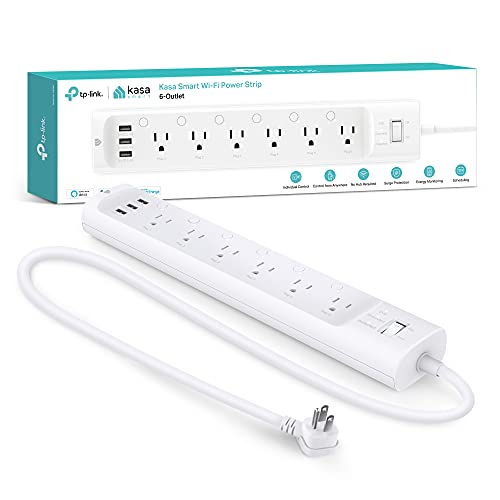
| Best For Power Users | Connectivity: 2.4 GHz Wi‑Fi | Voice Assistant Support: Alexa, Google Assistant, Microsoft Cortana | No Hub Required: No hub required | VIEW LATEST PRICE | Read Our Analysis |
| Kasa Ultra Mini Smart Plug 15A (2-Pack) |

| Best Compact Pair | Connectivity: 2.4 GHz Wi‑Fi | Voice Assistant Support: Amazon Alexa, Google Assistant (also IFTTT, SmartThings, Cortana) | No Hub Required: No hub required | VIEW LATEST PRICE | Read Our Analysis |
| WiFi Smart Plug Compatible with Alexa & Google Assistant |

| Best For Smart Life Users | Connectivity: 2.4 GHz Wi‑Fi | Voice Assistant Support: Alexa, Google Assistant | No Hub Required: No hub required | VIEW LATEST PRICE | Read Our Analysis |
| Kasa Outdoor Smart Plug KP401 (Wi‑Fi Weatherproof) |

| Best Weatherproof Single | Connectivity: 2.4 GHz Wi‑Fi | Voice Assistant Support: Amazon Alexa, Google Assistant | No Hub Required: No hub required | VIEW LATEST PRICE | Read Our Analysis |
More Details on Our Top Picks
Wyze Outdoor Dual-Outlet Smart Plug with Energy Monitoring
Should you want an affordable, weatherproof smart outlet that tracks energy use, the Wyze Outdoor Dual-Outlet Smart Plug with Energy Monitoring is a great pick — it gives you two independently controlled outlets, runs on 2.4 GHz Wi‑Fi with up to 300 ft. open-range coverage, and logs historical consumption and alerts in the Wyze app without needing a hub. You’ll set energy alerts, review usage history, and control each outlet separately via the app or voice assistants like Alexa, Google Assistant, and IFTTT. Rated IP64, it handles rain, dust, and snow, so you can monitor and automate outdoor devices reliably.
- Connectivity:2.4 GHz Wi‑Fi
- Voice Assistant Support:Alexa, Google Assistant (works with IFTTT)
- No Hub Required:No hub required
- App Control / Remote Control:Wyze app (remote control)
- Scheduling & Automation:Scheduling and energy alerts/history
- Outdoor-Compatible (weather resistance) or Indoor Use:Outdoor-rated (IP64) — suitable for rain/dust/snow
- Additional Feature:Energy consumption alerts
- Additional Feature:Dual independently controlled outlets
- Additional Feature:Extended 300 ft range
WiFi Smart Plug for Alexa & Google Home (1-Pack)
Should you want a simple, budget-friendly way to add voice and remote control to individual appliances, the Sanofuturion WiFi Smart Plug (1‑Pack) fits the bill—no hub required and it works with Alexa, Google Assistant, and the Smart Life app for schedules, Away Mode, and instant shutdown alerts. You’ll plug it into a standard US outlet, connect over 2.4 GHz Wi‑Fi via a Smart Life QR code, then control devices through voice or app. It supports custom schedules, preset cycles, surge and overload protection, V0 flame‑retardant materials, and IP44 ratings. At 240V and 1100W, it’s compact and easy to install.
- Connectivity:2.4 GHz Wi‑Fi
- Voice Assistant Support:Amazon Alexa, Google Assistant
- No Hub Required:No hub required
- App Control / Remote Control:Smart Life app (remote control)
- Scheduling & Automation:Timers, schedules, Away Mode
- Outdoor-Compatible (weather resistance) or Indoor Use:IP44 — limited splash/weather resistance
- Additional Feature:Compact space-saving design
- Additional Feature:Surge and overload protection
- Additional Feature:Smart Life app integration
Kasa Outdoor Smart Plug Dual-Socket (EP40)
In case you need durable, independently controlled outdoor outlets for scenery lighting or seasonal decorations, the Kasa EP40 delivers with two 15A weather‑resistant sockets and a tethered waterproof cover so you can leave it outside year‑round. You get dual Type B outlets with individual control, a 6‑inch attached cable, ETL certification, and IP64 protection for indoor or outdoor use. It supports 2.4 GHz Wi‑Fi (no hub), a built‑in amplifier for extended range, and works with Alexa, Google Home, and IFTTT. Use the Kasa app for scheduling, grouping, and smart actions; a two‑year warranty backs the unit.
- Connectivity:2.4 GHz Wi‑Fi
- Voice Assistant Support:Alexa, Google Home (also IFTTT)
- No Hub Required:No hub required
- App Control / Remote Control:Kasa app (remote control)
- Scheduling & Automation:Schedules, countdown, sunrise/sunset offset
- Outdoor-Compatible (weather resistance) or Indoor Use:Outdoor-rated (IP64) — suitable for outdoor use; waterproof covers
- Additional Feature:ETL certified safety
- Additional Feature:Attached 6-inch cable
- Additional Feature:Waterproof outlet cover
Kasa HS300 Smart Power Strip with 6 Outlets
Should you need centralized control for multiple devices, the Kasa HS300 is ideal — it gives you six individually controlled outlets plus three USB ports so you can manage plugs and charge gear from one compact strip. You’ll get remote control via the Kasa app, per-outlet energy monitoring, and voice control with Alexa, Google Assistant, or Cortana. It supports up to 15A/1875W total, has ETL-certified surge protection (Vpr 500V) and three 5V/2.4A USB ports. At 14.17 x 2.49 x 1.48 inches and 1.55 lbs, it fits home offices and residential spaces; warranty support is available.
- Connectivity:2.4 GHz Wi‑Fi
- Voice Assistant Support:Alexa, Google Assistant, Microsoft Cortana
- No Hub Required:No hub required
- App Control / Remote Control:Kasa Smart app (remote control)
- Scheduling & Automation:Scheduling (per-outlet) and smart actions
- Outdoor-Compatible (weather resistance) or Indoor Use:Indoor use (power strip) — surge protection; not outdoor-rated
- Additional Feature:Six individually controlled outlets
- Additional Feature:Built-in USB charging
- Additional Feature:Per-outlet energy monitoring
Kasa Ultra Mini Smart Plug 15A (2-Pack)
Ideal for renters and anyone who wants plug-and-play smart control without rewiring, the Kasa Ultra Mini Smart Plug 15A (2‑Pack) packs 15A/1800W capacity into a compact body that won’t block the second outlet. You’ll plug these UL‑certified mini outlets into standard sockets to control lamps, fans, humidifiers, Christmas lights, and small appliances via the Kasa or Tapo app. They join 2.4 GHz Wi‑Fi unless a hub, support Alexa, Google Assistant, IFTTT, SmartThings and more, and offer scheduling, timers, Away Mode and remote on/off. Specs include 120 V AC, 2‑year warranty, and flame‑retardant materials.
- Connectivity:2.4 GHz Wi‑Fi
- Voice Assistant Support:Amazon Alexa, Google Assistant (also IFTTT, SmartThings, Cortana)
- No Hub Required:No hub required
- App Control / Remote Control:Kasa / Tapo apps (remote control)
- Scheduling & Automation:Schedules, timers, countdown, Away Mode
- Outdoor-Compatible (weather resistance) or Indoor Use:Indoor use (EP10 mini plug) — IP00 (not weatherproof)
- Additional Feature:15A / 1800W rating
- Additional Feature:UL certified flame-retardant
- Additional Feature:Ultra-compact (avoids blocking)
WiFi Smart Plug Compatible with Alexa & Google Assistant
Should you want an affordable, easy-to-set-up smart plug that works with Alexa and Google Assistant, the KimFilter WiFi Smart Plug is a strong choice. You’ll control it via Smart Life or TuyaSmart apps, voice commands, touch, or remotely. It supports timers, schedules, group control, and sharing so family members can manage devices. The compact white plug uses 2.4 GHz Wi‑Fi only, weighs 2.08 ounces, and measures 2.28 x 2.24 x 2.24 inches. It’s ETL and FCC certified, has brass/copper contacts, and requires a stable 2.4 GHz network. Support is available from KimFilter.
- Connectivity:2.4 GHz Wi‑Fi
- Voice Assistant Support:Alexa, Google Assistant
- No Hub Required:No hub required
- App Control / Remote Control:Smart Life / TuyaSmart apps (remote control)
- Scheduling & Automation:Timers, schedules, group scheduling
- Outdoor-Compatible (weather resistance) or Indoor Use:Indoor use (typical indoor smart plug) — no outdoor rating listed
- Additional Feature:Tuya/Smart Life compatible
- Additional Feature:FCC and ETL certified
- Additional Feature:Group control & sharing
Kasa Outdoor Smart Plug KP401 (Wi‑Fi Weatherproof)
Should you need a rugged, single‑outlet solution for controlling outdoor lights and small appliances, the Kasa KP401 gives you weatherproof Wi‑Fi control with no hub required. You’ll get a 15 A/1875 W brass‑contact socket rated IP64 with a hinged waterproof cover, ETL certification, and a two‑year warranty. It connects to 2.4 GHz Wi‑Fi up to ~300 ft, works with Alexa, Google Assistant, and SmartThings, and uses the Kasa app for schedules, countdowns, and sunrise/sunset offsets. It’s plug‑in, AC powered, compact (3.13 x 1.53 x 2.76 in), and suits outdoor lighting, pool pumps, and holiday displays.
- Connectivity:2.4 GHz Wi‑Fi
- Voice Assistant Support:Amazon Alexa, Google Assistant
- No Hub Required:No hub required
- App Control / Remote Control:Kasa app (remote control)
- Scheduling & Automation:Schedules, countdown, sunrise/sunset offset
- Outdoor-Compatible (weather resistance) or Indoor Use:Outdoor-rated (IP64) — suitable for outdoor use; waterproof cover
- Additional Feature:Single-socket compact design
- Additional Feature:Sunrise/sunset scheduling
- Additional Feature:2-year warranty
Factors to Consider When Choosing a WiFi Outlet
While choosing a WiFi outlet, you’ll want to check device compatibility and the outlet’s power and load limits to make sure it can handle your plugs. Consider connectivity and range so the signal reaches where you need it, and look for outdoor durability ratings provided you’ll use it outside. Should energy tracking matter, pick a model with energy monitoring features.
Compatibility With Devices
How will your smart outlets fit into the devices and routines you already have? Start by confirming Wi‑Fi band support—most outlets need 2.4 GHz—and whether a hub is required for integration with your network. Check voice‑assistant and platform compatibility (Alexa, Google Assistant, SmartThings, etc.) so you can control devices together. Inspect the outlet’s app for scheduling, group control, and energy monitoring features that match your automation needs. Make sure the physical form factor and socket spacing won’t block neighboring plugs, big adapters, or power strips in your setup. Finally, confirm the plug’s maximum load meets or exceeds the devices you plan to connect to avoid overloads and guarantee reliable, safe operation.
Power And Load Limits
Because power limits determine safety and reliability, you should always check an outlet’s maximum current and wattage ratings and confirm they match the combined load of what you’ll plug in. Verify whether those ratings apply per outlet or are shared across multi-socket units, since independently switched outlets can still share a single limit. Confirm surge and overload protection specs plus any thermal or overcurrent cutoffs to guard against spikes and sustained draws. For inductive or motor-driven loads, choose an outlet rated above the device’s startup (inrush) current, not just running amps. Finally, match the outlet’s operating voltage and temperature ratings to your local mains and installation environment, because exceeding those limits reduces safety and service life.
Connectivity And Range
Although range and compatibility often get overlooked, they’re central to choosing a Wi‑Fi outlet that actually works where you need it. Make sure the plug supports 2.4 GHz Wi‑Fi — many smart outlets require that band for reliable device‑to‑device connections and setup. Check the manufacturer’s stated operating range or antenna/amp specs because open‑space distances vary and influence placement in garages or distant rooms. Confirm the outlet can join your home network directly without a hub should you want simpler setup and fewer failure points. Verify compatibility with your router’s security (WPA2/WPA3) and whether the device supports IPv6 or only IPv4. Finally, plan for obstacles like thick walls or metal appliances; test placement or add a Wi‑Fi extender to maintain stability.
Outdoor Durability Rating
Whenever you plan to put a Wi‑Fi outlet outdoors, pick a model with a clear IP rating (IP64 or higher for most covered spots), a specified operating temperature range that matches your local extremes, and weatherproof features like sealed caps or attached covers to keep moisture out of unused sockets. Also verify UV- and corrosion-resistant construction—treated plastics and stainless hardware matter provided the unit sees sun or salt air. Check that operating specs cover your coldest and hottest months (for example, -20°C to 50°C) so electronics won’t fail. Don’t rely solely on manufacturer claims: look for third-party certifications or standardized test results (ETL, UL outdoor ratings) that back durability statements. These checks help guarantee longevity and safe outdoor performance.
Energy Monitoring Options
Visibility into energy use matters while you’re choosing a Wi‑Fi outlet, so check whether it gives real‑time watts/amperage versus only cumulative kWh readings, and whether it offers per‑outlet or per‑circuit history (daily, weekly, monthly) for trend analysis and cost estimates. You’ll want accurate, high‑resolution measurements — watts updated every few seconds or minutes — and clarity on whether the device reports voltage, current, power factor, or only apparent power. Confirm the companion app or cloud service can export data or integrate with third‑party energy tools for deeper analysis and billing. Finally, prefer outlets that support energy‑based alerts and automation so you can get notified of thresholds or automatically cut power to high‑draw devices to save energy.
Frequently Asked Questions
Do Wifi Outlets Work During Internet Outages?
They mostly won’t fully work during internet outages, but you can still control some locally provided the outlet and hub support local LAN control or Bluetooth. You’ll lose remote cloud features until your internet’s restored, though.
Can Smart Outlets Be Used With Power Strips Safely?
Absolutely — you can use smart outlets with power strips, but don’t daisy-chain them; treat them like a single outlet. They’ll work fine, but avoid overloading circuits and check strip ratings to prevent overheating or tripped breakers.
Do Wifi Outlets Increase My Electricity Bill?
They’ll slightly raise your bill because the outlet’s Wi‑chip employs small standby power, but you’ll often save more through scheduling and monitoring devices. Use energy‑saving modes and unplug truly idle gadgets to minimize extra consumption.
Are There Privacy Risks With Always-On Smart Plugs?
Yes — there are privacy risks with always-on smart plugs. You’re exposing usage patterns and device presence to manufacturers or attackers; you should secure networks, use strong passwords, keep firmware updated, and consider local-only or encrypted options.
Can Smart Outlets Be Installed Without a Neutral Wire?
I did a kitchen swap once and found one smart outlet lacking neutral—no, you usually can’t install most smart outlets without a neutral, but some designs use line-powered tricks or battery/zigbee options that’ll work instead.
