

A weathered deck, a porous driveway, or a freshly painted canvas each needs a very different kind of finish. Your best choice depends on the material, the look you want to keep, and whether the surface faces rain, handling, kitchen splashes, or everyday grime. This list separates wood stains, penetrating masonry sealers, craft varnish, surface coatings, and targeted cleaning gel so you can match the formula to the actual job.
A Fast Comparison Of The Options
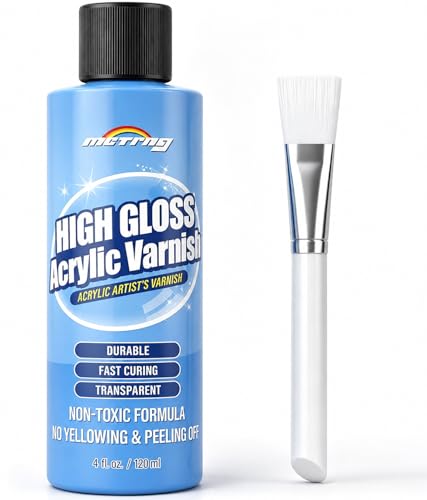
Clear Acrylic Paint Sealer High Gloss Varnish

STF ShangTianFeng 5 Gallon Red Wood Stain Sealer
STF ShangTianFeng Advanced Wood Sealant 5 Gallon Pecan

JOVIRA PINTURAS Semi-Transparent Wood Stain Chestnut
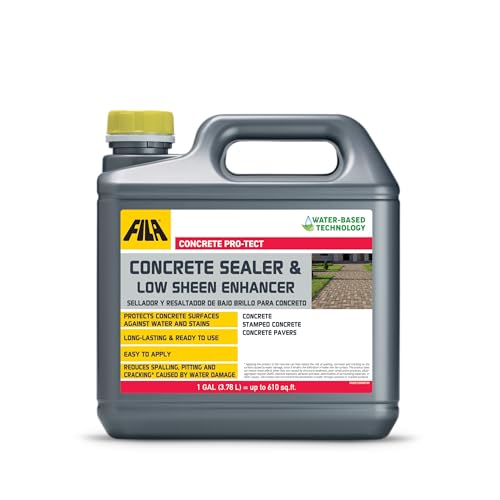
FILA Concrete PRO-TECT Penetrating Concrete Sealer 1 Gallon
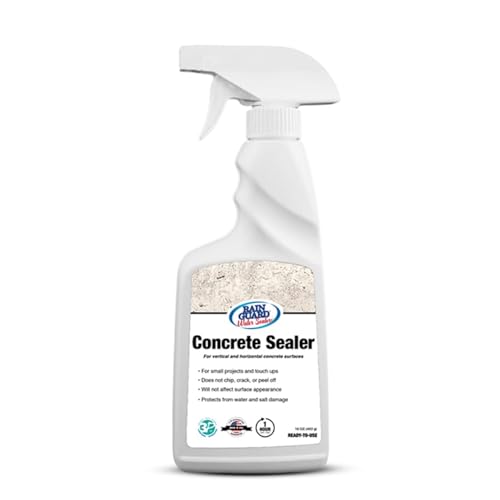
Rain Guard Concrete Sealer Spray 16 oz

SEAL-ONCE Marine Penetrating Wood Sealer Clear 1 Gallon

Lifeproof Ceramic Coating Spray Kit

ACTIVE Mold Stain Remover Gel Cleaner 7 Fl Oz
More On The Choices That Made The List
Acrylic art often needs a final coat that keeps color visible rather than clouding it. This brush-on varnish dries quickly and levels as it dries, helping thin coats settle with fewer brush lines, bubbles, or tacky patches.
You get a reflective, wet-look gloss for canvas, painted rocks, paint-pour work, wood crafts, glass, decorative clay, and diamond art. For small handmade pieces that receive regular handling, that broad compatibility is genuinely useful.
The Good Stuff
- Clear gloss keeps acrylic color visually vivid.
- Self-leveling texture helps your finished work look smoother.
- Works across several common craft surfaces.
- Thin coats support a more even final sheen.
Things To Consider
- Its high-gloss look will not suit artwork meant to stay matte.
- Large canvases need patient, even brush application.
A five-gallon container makes more sense for a full fence line or expansive deck than for a single bench. This red exterior stain and sealer combines color with a flexible finish intended to move with outdoor wood.
The formula is positioned for decks and fences exposed to sun and changing weather. You may find it especially practical where you want a colored finish rather than the clear appearance of SEAL-ONCE Marine.
Advantages To Know
- Five-gallon format suits broad outdoor projects.
- Red color changes the appearance while sealing wood.
- Flexible finish is designed to resist cracking.
Worth Noting
- The large container requires more storage room than gallon options.
- Red is a committed color choice for existing outdoor woodwork.
- Confirm the desired tone on a small hidden area first.
Who It Suits Best
You benefit most from this pick while finishing a sizeable deck or long fence in a red-toned exterior color.
Where Another Pick Suits Better
STF ShangTianFeng Advanced Wood Sealant 5 Gallon Pecan suits you better for a transparent wood-focused finish.
For broad wood surfaces, coverage changes the project math quickly. This five-gallon pecan wood sealant is intended for indoor and outdoor wood, including pine, fir, and treated lumber, with stated single-coat coverage of 750 to 1,000 square feet per gallon on rough wood.
Its flexible finish addresses wood movement from changing temperatures, while the transparent coating keeps grain visible. The honest read is that this makes more sense for planned multi-surface work than a quick railing refresh.
Useful Strengths
- Stated coverage supports large deck and fence planning.
- Pecan finish keeps wood grain in view.
- Works with pine, fir, and treated wood.
- Flexible coating is intended for indoor or outdoor use.
- Can serve as a protective top coat over stain.
Trade Offs
- The five-gallon size can be excessive for small repairs.
- Rough wood changes the stated coverage range.
Made For
You get the most from this size while sealing extensive pine, fir, or treated-wood structures.
Consider Something Else When
JOVIRA PINTURAS Semi-Transparent Wood Stain Chestnut fits better for a smaller chestnut exterior finish with stated recoat timing.
JOVIRA PINTURAS takes a different route from the large STF containers with a semi-transparent chestnut finish and an open-pore coating. Open-pore means the treatment leaves wood’s natural texture more visible instead of building a heavy surface film.
It works indoors or outdoors on fences, siding, doors, windows, pergolas, and garden furniture. For a weekend furniture refresh, its stated 30 to 60 minute drying window may help you plan coats around the weather.
The Upside
- Chestnut tone adds color without hiding all wood character.
- Brush, roller, and spray application suit different project sizes.
- Water cleanup makes post-project cleanup more manageable.
- Suitable for garden furniture and exterior structures.
Minor Gripes
- Wood needs to be dry, clean, and sanded along the grain first.
- Strong sun and high temperatures are poor application conditions.
- Tropical woods need a tannin-blocking primer beforehand.
Concrete needs a different approach from wood because the material is naturally porous. FILA Concrete PRO-TECT uses silane/siloxane, a penetrating water-repellent chemistry that enters concrete rather than sitting as a thick film on top.
The formula also includes resin for pore filling and acrylic at the surface, with a low-sheen matte appearance. In a garage, basement, driveway, or patio where you want the concrete to keep a natural-looking finish, that layered approach may be appealing.
Key Advantages
- Penetrating chemistry targets water entry below the surface.
- Breathable finish allows moisture vapor to escape.
- Matte appearance avoids a glossy coating look.
- Designed for interior and exterior concrete areas.
Room For Improvement
- The natural matte result will not suit a decorative glossy-floor look.
Right Fit For
You benefit most from this formula on porous concrete where a subdued, breathable finish matters.
Not Your Match When
Rain Guard Concrete Sealer Spray 16 oz suits you more for small areas needing ready-to-use spray application.
Rain Guard focuses on unpainted, unsealed concrete and arrives ready to use. Like FILA Concrete PRO-TECT, it relies on silane/siloxane penetration, but this option emphasizes handheld pump-sprayer application and a natural no-gloss appearance.
For patio sections, walkways, stamped concrete, walls, or a garage-floor zone, its water-based formula offers a straightforward route. Coverage depends on porosity, so dense concrete and thirsty concrete won’t use material at the same pace.
What Works In Its Favor
- Ready-to-use format removes mixing from your prep work.
- Natural finish keeps concrete visually understated.
- Water-and-soap cleanup simplifies application-day cleanup.
- Compatible with indoor and outdoor concrete surfaces.
- Dries within one hour at 75°F.
Points To Note
- Two flood coats are required for the stated application approach.
- A handheld pump sprayer is needed for application.
Waterfront wood takes more frequent moisture exposure than a typical backyard fence. SEAL-ONCE Marine is a clear, water-based penetrating sealer intended for docks, decks, retaining walls, thermally modified wood, and outdoor furniture near water.
The coating enters wood fibers below the surface and includes UV stability for exterior exposure. For most waterfront structures, the clear finish is a better visual fit than the red STF ShangTianFeng stain.
Noteworthy Benefits
- Made for moisture-prone outdoor wood settings.
- Clear treatment maintains a natural wood appearance.
- Suitable for boat docks and waterside retaining walls.
- Water-based formulation supports a lower-odor work area.
Softer Spots
- Not intended for ipe, mahogany, or teak.
- Not intended for submerged wood or wooden boats.
- Clear appearance does not add stain color.
Lifeproof belongs in this list for hard indoor surfaces, not lumber or concrete. Its ceramic coating spray leaves an invisible, slick layer on surfaces such as granite, stainless steel, laminate, glass, tile, porcelain, stone, painted cabinets, and appliances.
That slickness helps water spots, fingerprints, soap scum, and grime wipe away more easily in busy kitchens and bathrooms. The catch is clear: it must not go on floors because the finish can become very slippery.
Everyday Wins
- One formula works across many kitchen and bath surfaces.
- Invisible finish preserves the surface’s existing appearance.
- Spray application keeps routine surface care uncomplicated.
Small Caveats
- Never apply it to floors due to its slick surface feel.
- Surfaces need cleaning before application.
ACTIVE is a cleaner rather than a finish, but it addresses the staining that gathers in awkward damp seams. Its thick gel format stays where you apply it, which makes it more suitable for vertical shower caulk, grout lines, refrigerator seals, and front-load washer gaskets than a runny liquid.
For a washing machine door seal with dark buildup around folds, controlled placement can be the real advantage. Follow the product directions closely and keep the use focused on listed household surfaces.
A Favorable Mix
- Gel consistency stays in place on vertical lines.
- Targets seals, grout, caulk, tiles, and shower areas.
- Works on front-load washer gasket discoloration.
- Concentrated format supports precise spot application.
Areas To Watch
- It cleans stains rather than creating a protective sealer layer.
- The 7-fluid-ounce container suits targeted cleaning, not broad walls.
- Apply according to the product directions for each surface.
Best Suited To
You benefit most while cleaning localized stain buildup in washer seals, shower caulk, grout, or appliance gaskets.
A Better Fit Elsewhere
Lifeproof Ceramic Coating Spray Kit suits you better for maintaining clean kitchen and bath hard surfaces afterward.
What Matters Before You Seal or Stain a Surface
Match the Formula to the Material
Wood needs a wood-specific stain or penetrating treatment, while concrete needs a masonry formula that enters porous mineral surfaces. Canvas and painted crafts need a compatible clear varnish, not an exterior deck coating. Kitchen counters and appliance faces call for a hard-surface coating, while gasket stains need a targeted cleaner.
Decide Between Color and a Clear Finish
Semi-transparent wood stains add color while allowing grain to remain visible. Clear sealers preserve the existing tone, making them useful for docks, natural wood furniture, and artwork. Test color on an inconspicuous area first because wood species and prior finish affect how stain appears.
Plan Around Surface Preparation
Clean, dry wood accepts stain more evenly, and sanding along the grain can improve adhesion. Unpainted, unsealed concrete gives penetrating formulas the direct access they need. A clean surface also matters for ceramic coatings because residue can interfere with the slick final layer.
Consider Project Size and Application Method
A five-gallon container fits long fence runs and extensive decks, while a gallon or spray format is easier for smaller areas. Brush application supports control on art and trim, while rollers and sprayers move faster across broad boards. Check whether your project needs multiple coats and allow enough time between them.
A Few Details That Prevent Frustration
Common Shopping Slip Ups
Using a wood sealer on concrete, or a concrete formula on painted surfaces, leads to a poor material match. Match the coating to the substrate first, then choose color, sheen, and application method.
Where The Extra Money Goes
Higher-tier formulas often add deeper penetration, flexible film behavior, broader material compatibility, or more specialized water resistance. Spending more makes sense for large exterior structures, water-exposed wood, or porous concrete where surface preparation takes real time.
Frequently Asked Questions
Can you use a wood sealer on concrete?
No, wood sealers and concrete sealers are formulated for different surface structures. Concrete needs a formula made to penetrate porous mineral material.
What is the difference between stain and sealer?
Stain changes or enriches wood color, while sealer focuses on limiting moisture entry and surface wear. Some exterior formulas combine both functions in one coating.
Does a clear sealer change the color of wood?
A clear sealer usually keeps the natural wood appearance more visible than a colored stain. The finished look can still deepen slightly depending on the wood and formula.
Why does concrete need a penetrating sealer?
Concrete contains small pores that can take in water and stains. A penetrating sealer enters those pores instead of forming a thick decorative layer above them.
Can ceramic coating spray go on bathroom floors?
No, the Lifeproof Ceramic Coating Spray Kit is not intended for floors. Its slick finish can make floor surfaces unsuitable for this application.
