

Pick from six top skylights for 2026 to cut bills and flood rooms with daylight: a 16″ tubular skylight for efficient, even light; ICON RV NSL2414S smoke dome; HECASA 18×26 RV replacement cover; a 10″ Skylight Wi‑Fi digital image frame; and FMB’s 24×24 and 22.5″ deck‑mounted bronze glass self‑flashed units. You’ll want to match opening size, glazing, and flashing to your roof and climate, and keep maintenance in mind — keep going to get specs, pros, and install tips.
| 16″ Tubular Skylight with Flexible Tunnel and Dome |
| Energy-Saving Choice | Material: Acrylic dome + reflective tunnel (various materials) | Intended installation location: Roof-to-ceiling (roof-mounted tubular skylight) | Light function / purpose: Daylighting (natural light channeling to interior) | VIEW LATEST PRICE | Read Our Analysis |
| ICON RV Skylight – NSL2414S – Smoke |

| RV Upgrade | Material: Impact-resistant polycarbonate | Intended installation location: RV roof (skylight opening for RVs) | Light function / purpose: Lets natural light into RV interior (smoke-tinted) | VIEW LATEST PRICE | Read Our Analysis |
| HECASA RV Skylight Replacement Cover for 18×26 Opening |

| Durable Replacement | Material: Polycarbonate | Intended installation location: RV/camper roof opening | Light function / purpose: Lets natural light into RV interior (smoke/clear options) | VIEW LATEST PRICE | Read Our Analysis |
| Skylight 10″ WiFi Touch Digital Picture Frame |
| Best for Gifting | Material: Electronic display materials (glass/plastic) — consumer electronics frame | Intended installation location: Indoor tabletop/wall (household display device) | Light function / purpose: Displays and receives photos/videos (electronic lighted display) | VIEW LATEST PRICE | Read Our Analysis |
| FMB 24×24 Deck-Mounted Self-Flashed Bronze Glass Skylight |

| Premium Build | Material: Double-pane tempered insulated glass + aluminum | Intended installation location: Deck-mounted roof (residential/commercial roof) | Light function / purpose: Daylighting through insulated glass | VIEW LATEST PRICE | Read Our Analysis |
| FMB 22.5″ Deck-Mounted Self-Flashed Skylight (Bronze) |

| Dependable Classic | Material: Double-pane tempered insulated glass + aluminum | Intended installation location: Deck-mounted roof (residential/commercial roof) | Light function / purpose: Daylighting through insulated glass | VIEW LATEST PRICE | Read Our Analysis |
More Details on Our Top Picks
16″ Tubular Skylight with Flexible Tunnel and Dome
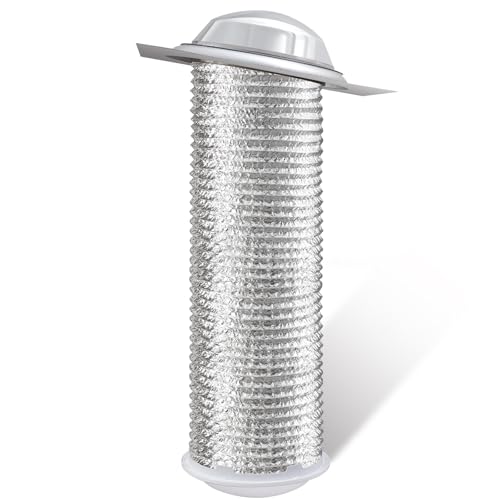
In case you want bright, even daylight in rooms with limited roof access, the 16″ tubular skylight with a flexible reflective tunnel and acrylic dome is a top pick — it channels sunlight from roof to ceiling with minimal heat transfer, so you’ll cut daytime electric use while keeping interior temperatures steady. You’ll install a low-profile flashing and flexible tunnel on flat or sloped roofs, then mount a ceiling diffuser like a recessed fixture. The reflective tunnel and dome guide and spread light across 10–20 m², eliminating shadows and preserving HVAC efficiency. It’s efficient, space-saving, easy to install, and ideal for many interiors.
- Material:Acrylic dome + reflective tunnel (various materials)
- Intended installation location:Roof-to-ceiling (roof-mounted tubular skylight)
- Light function / purpose:Daylighting (natural light channeling to interior)
- Weather / durability focus:Designed to minimize heat/cold exchange; durable dome and tunnel
- Compatibility / fit guidance:Flexible tunnel fits flat and sloped roofs; ceiling-mounted like recessed fixture
- Installation notes:Ceiling-mounted like recessed light; flexible tunnel, low-profile flashing; easy/space-saving install
- Additional Feature:Flexible reflective tunnel
- Additional Feature:Eliminates interior shadows
- Additional Feature:Low-profile flashing
ICON RV Skylight – NSL2414S – Smoke
Choose the ICON RV Skylight NSL2414S – Smoke provided you want a tougher, more impact‑resistant replacement that still fits common RV openings. You’ll get a smoke-colored dome built from impact-resistant polycarbonate that’s thicker and stronger than typical OEM skylights. The outer frame measures 28 x 17-1/4 inches; the dome is 24 x 14-1/4 x 7 inches. Measure your opening and compare dimensions to confirm proper fit. For durable, watertight performance, install using ICON Skylight Sealant as recommended. This skylight upgrades durability and weather resistance while maintaining a straightforward retrofit for many RVs.
- Material:Impact-resistant polycarbonate
- Intended installation location:RV roof (skylight opening for RVs)
- Light function / purpose:Lets natural light into RV interior (smoke-tinted)
- Weather / durability focus:Impact-resistant polycarbonate for strength/durability
- Compatibility / fit guidance:Intended for RV skylight openings — check outer/dome dimensions for fit
- Installation notes:Requires recommended ICON Skylight Sealant; measure for proper fit
- Additional Feature:Impact-resistant polycarbonate
- Additional Feature:Thicker than OEM
- Additional Feature:Smoke-tinted dome
HECASA RV Skylight Replacement Cover for 18×26 Opening
In case you want a tough, clear replacement that fits standard RV openings, the HECASA 18×26 skylight cover delivers durable polycarbonate construction and a snug roof flange built to resist wind, storms, and hail. You’ll get an 18″ x 26″ x 4″ outer frame designed to sit over common 14″ x 22″ roof cutouts used in RVs, campers, motorhomes, travel trailers and food trucks. The impact-resistant, UV-stable material keeps clarity without yellowing, while smoke or clear options control glare and heat. Installation uses screws (no hardware or instructions included); measure initially and consider professional fitting for best results.
- Material:Polycarbonate
- Intended installation location:RV/camper roof opening
- Light function / purpose:Lets natural light into RV interior (smoke/clear options)
- Weather / durability focus:Impact-resistant, hail/wind-resistant polycarbonate
- Compatibility / fit guidance:Fits standard 14″ x 22″ roof openings; measure before purchase
- Installation notes:Direct screw installation; professional install recommended; no hardware/instructions included
- Additional Feature:Fits 14″x22″ opening
- Additional Feature:Wind/hail resistant flange
- Additional Feature:Screw-on direct installation
Skylight 10″ WiFi Touch Digital Picture Frame
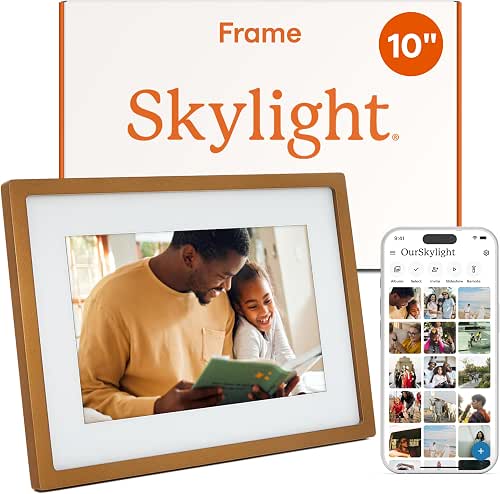
In case you want an easy, stylish way to share photos with relatives who aren’t on social media, the Skylight 10″ WiFi Touch Digital Image Frame is made for you — plug it in, connect to Wi‑Fi, and send images straight to its 1280×800 touch display via a unique Skylight email. You’ll get a 10-inch color touch-screen in a sophisticated gold finish that shows photos and videos from the cloud in full HD. Cloud storage removes SD cards; offline mode still displays existing images. Gift Mode lets you preload and personalize before unboxing, making it perfect for all generations and everyday moments.
- Material:Electronic display materials (glass/plastic) — consumer electronics frame
- Intended installation location:Indoor tabletop/wall (household display device)
- Light function / purpose:Displays and receives photos/videos (electronic lighted display)
- Weather / durability focus:Indoor use — not weather-exposed (electronics intended for indoor durability)
- Compatibility / fit guidance:Requires Wi‑Fi and assigned Skylight email for content; compatible with standard home power/Wi‑Fi
- Installation notes:Plug-and-play setup (plug in, connect Wi‑Fi); minimal user setup
- Additional Feature:Cloud photo delivery
- Additional Feature:1280×800 touchscreen
- Additional Feature:Gift-mode preload
FMB 24×24 Deck-Mounted Self-Flashed Bronze Glass Skylight
Homeowners who want a durable, low-maintenance replacement for plastic skylights will like the FMB 24×24, because its heavy welded aluminum frame and double-pane tempered bronze glass deliver superior strength, UV blocking, and energy efficiency. You’ll get a self-flashed, deck-mounted unit with a wide 4 5/8″ ribbed flange and built-in curb so flashing kits aren’t usually needed. The bronze insulated glass reduces glare, heat gain, and fading; a solar-reflective option suits full-sun spots. It fits a 24″ x 24″ finished opening, weighs about 32 pounds, carries a lifetime frame warranty, and is made in the USA for SIG Skylights.
- Material:Double-pane tempered insulated glass + aluminum
- Intended installation location:Deck-mounted roof (residential/commercial roof)
- Light function / purpose:Daylighting through insulated glass
- Weather / durability focus:Tempered insulated glass, heavy aluminum frame, weatherproof self-flashed design
- Compatibility / fit guidance:Fits 24″ x 24″ finished opening; deck-mounted self-flashed curb
- Installation notes:Deck-mounted install with shingles removal, adhesive/sealant and nails; instructions provided
- Additional Feature:Double-pane tempered glass
- Additional Feature:Self-flashed built-in curb
- Additional Feature:Lifetime frame warranty
FMB 22.5″ Deck-Mounted Self-Flashed Skylight (Bronze)
Choose the FMB 22.5″ Deck-Mounted Self-Flashed Skylight (Bronze) should you want a low-maintenance, all-glass solution that’s built for durability and easy installation. You get a heavy welded aluminum frame with a bronze powder-coated aluminum cover and tempered double-pane insulated glass — no plastic — made in the USA. An extra-wide 4 5/8” ribbed flange and built-in curb mean no additional flashing and a no-leak install. The glass resists fading, hazing, brittleness, and cracking, maximizes daylight, is easily replaceable, and comes in a neutral color. Limited lifetime warranty included; check SIG Skylights details.
- Material:Double-pane tempered insulated glass + aluminum
- Intended installation location:Deck-mounted roof (residential/commercial roof)
- Light function / purpose:Daylighting through insulated glass
- Weather / durability focus:Tempered insulated glass, heavy aluminum frame, weatherproof self-flashed design
- Compatibility / fit guidance:Fits 22.5″ x 22.5″ finished opening; deck-mounted self-flashed curb
- Installation notes:Deck-mounted install with self-flashed flange; follow installation instructions (roof pitch minimum)
- Additional Feature:Bronze powder-coated cover
- Additional Feature:Extra-wide ribbed flange
- Additional Feature:Made in USA
Factors to Consider When Choosing Skylights
Upon selecting a skylight, you’ll want to check roof compatibility initially so the unit fits your pitch and flashing system. Consider light transmission and thermal performance to balance daylight with energy efficiency. Also weigh material durability and installation complexity to keep maintenance and costs manageable.
Roof Compatibility
Because your roof’s slope, material, and structure directly determine what skylight will work, start checking pitch, flashing needs, and support prior to shopping. Check roof pitch first: many skylights require a minimum slope (commonly around 3:12) for proper drainage and to avoid leaks. Match flashing and sealant to your roofing material—shingle, metal, tile, and flat membranes each use different flange designs. Decide between deck-mounted, curb-mounted, or self-flashing units based on whether you can accommodate a raised curb and your roof build-up. Verify rafters or trusses allow cutting the required rough opening; you might need headers or reinforcement. Finally, factor installation complexity: steep, high, or flat roofs increase labor, safety equipment requirements, and long-term maintenance considerations.
Light Transmission
After you’ve confirmed roof fit and installation type, turn to how much daylight the skylight will actually deliver: light transmission is quantified as Visible Light Transmittance (VLT), a percentage showing how much visible daylight passes through the glazing. You’ll compare VLT values whenever choosing glazing types—single‑pane clear offers the highest VLT, while double‑pane insulated glass typically lowers VLT though it helps control heat transfer. Tinted, frosted or diffusing glazings cut VLT (often 20–70%) to reduce glare and add privacy, producing softer, more even illumination. Keep in mind interior lumens depend on both VLT and glazing area: a higher‑VLT unit of the same size delivers proportionally more light. Check manufacturer VLT and SHGC data, since coatings and interlayers can block UV and solar heat while only modestly reducing VLT.
Thermal Performance
Provided you want skylights that keep your rooms comfortable year‑round, evaluate their thermal performance as closely as you check light output. Start comparing U‑factor and SHGC: aim for U‑values around 0.20–0.35 to limit heat loss in cold climates, and pick SHGCs in the 0.25–0.45 range depending on whether you need summer cooling or winter passive heat. Favor double‑ or triple‑glazed units with low‑E coatings and argon or krypton fills to cut conductive and radiative transfer. Check frame details too: thermal breaks and well‑sealed, insulated curbs or flashings reduce thermal bridging and air leakage. Finally, balance visible transmittance and shading options—tints, diffusers, or external shades—so you get daylight without unwanted heat gain or loss.
Material Durability
Consider how long you want your skylight to perform and choose materials that match that lifespan: tempered double‑pane glass resists scratching, UV damage, and thermal stress better than acrylic or polycarbonate and will generally stay clearer for decades, while polycarbonate domes give superior impact and hail resistance but can yellow or scratch over time unless they have UV‑stabilizing coatings. Choose metal frames (aluminum or steel) for structural durability, but insist on corrosion‑resistant finishes in wet or coastal areas. Inspect seals, flashing, and gasketing—continuous, high‑quality seals cut water infiltration and UV‑driven seal failure, common causes of premature degradation. Finally, compare product warranties and expected service life; glass units usually outlast plastic domes, and warranty terms reveal manufacturer confidence.
Installation Complexity
Material choices affect not just longevity but how a skylight gets installed, so you should weigh installation complexity alongside materials. Your roof type and pitch dictate flashing systems and curb work—flat or low-slope, steep, and different materials each add unique steps. Opening size and ceiling finish change labor: larger cuts, curb framing, and matching trim or drywall increase tools and time. Structural issues—rafters, trusses, or load-bearing members—may force header framing or joist changes, often needing carpentry skill or engineering review. Weatherproofing and flashing integration require precise sealing, shingle/underlayment tie-ins, or custom metal flashing to avoid leaks. Finally, roof access and conditions (height, slope, material, obstructions) determine safety gear and equipment like scaffolds or lifts, raising cost and scheduling complexity.
Maintenance Requirements
Because skylights sit exposed to weather and roof movement, they need regular upkeep to keep working and avoid costly damage. Clean glazing and domes at least twice a year—spring and fall—with mild soap and water to restore light and avoid a 10–20% daylight loss from buildup. Inspect seals, flashings, and roof interfaces annually for cracks or gaps, since failed seals are the main cause of leaks and drafts. Replace exterior sealant or flashing components every 5–10 years, or sooner should you see water stains. For ventilated or operable skylights, lubricate hinges and actuators and test mechanisms quarterly to prevent motor or hardware failure. After storms, remove leaves, snow, and ice and keep drainage clear to avoid ponding.
Cost And Value
While upfront price matters, you should weigh it against installation, energy performance, and expected lifespan to judge true value. Initial costs vary: tubular and basic fixed skylights can be a few hundred dollars, while large deck-mounted insulated units reach low thousands, so pick a class that fits your budget. Factor installation and flashing—self-flashed or curb-mounted units often cut labor and flashing-kit expenses and lower leak risk compared with custom installs. Prioritize double-pane insulated glass or well-sealed units to reduce heating and cooling loads; energy savings can offset higher purchase prices over time. Consider durable materials (tempered glass, heavy aluminum, impact polycarbonate), warranty terms, and availability of replaceable components to minimize lifecycle and resale costs.
