

You’ll consider your tap water can power a small city through the time we’re done—so allow us be realistic: you need a purifier that actually matches the contaminants in your home, not the latest gimmick. I’ll walk you through proven options—from compact RO systems that handle PFAS and dissolved solids to certified point‑of‑use filters for microbiological safety—while flagging cost, maintenance, and taste issues so you can pick what truly fits your needs…
| LifeStraw Personal Water Purifier for Outdoor Use |
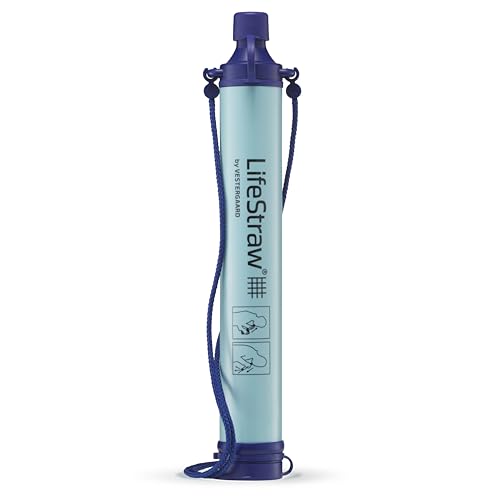
| Outdoor Essential | Primary use: Outdoor, hiking, camping, travel, emergency | Microbial protection: Removes bacteria (99.999999%) and parasites (99.999%) | Portability/installation type: Portable straw/personal filter | VIEW LATEST PRICE | Read Our Analysis |
| LifeStraw Personal Water Purifier for Outdoor Use |

| Travel & Survival | Primary use: Outdoor, hiking, camping, travel, emergency | Microbial protection: Removes bacteria (99.999999%) and parasites (99.999%) | Portability/installation type: Portable straw/personal filter | VIEW LATEST PRICE | Read Our Analysis |
| Potable Aqua Water Purification Tablets With PA Plus – Two 50 count Bottles |

| Emergency Tablets | Primary use: Emergency, hiking, camping, travel, disasters | Microbial protection: Makes bacteriologically questionable water suitable; effective vs bacteria & Giardia | Portability/installation type: Portable tablets (bottles) | VIEW LATEST PRICE | Read Our Analysis |
| Potable Aqua Water Purification Tablets (2 x 50ct) |

| Compact Supply | Primary use: Camping, hiking, travel, emergency, disasters | Microbial protection: Makes water bacteriologically suitable; effective vs Giardia | Portability/installation type: Portable tablets (bottles) | VIEW LATEST PRICE | Read Our Analysis |
| iSpring RCC7AK 6-Stage Alkaline Reverse Osmosis System |

| Whole-Home Premium | Primary use: Home reverse osmosis system for drinking water | Microbial protection: Reduces microbial-related contaminants indirectly via RO (broad contaminant removal including bacteria-related reduction implied by RO; NSF/ANSI 58 certified) | Portability/installation type: Under-sink/countertop installed RO system (semi-permanent) | VIEW LATEST PRICE | Read Our Analysis |
More Details on Our Top Picks
LifeStraw Personal Water Purifier for Outdoor Use
Should you need a rugged, no-fuss purifier for hiking, travel, or emergency kits, the LifeStraw is a top pick — it filters out 99.999999% of bacteria and 99.999% of parasites so you can drink straight from streams and lakes with confidence. You’ll carry a lightweight, BPA-free straw that removes microplastics down to 1 micron and reduces turbidity to 0.2 microns. Its microbiological system delivers up to 4,000 liters (1,000 gallons) of safe water. Independent labs verify claims to EPA, NSF, and ASTM protocols. Designed for backpacks, bug-out bags, and school programs, it also supports a child’s year of water.
- Primary use:Outdoor, hiking, camping, travel, emergency
- Microbial protection:Removes bacteria (99.999999%) and parasites (99.999%)
- Portability/installation type:Portable straw/personal filter
- Capacity/lifetime indicator:Lifespan 4,000 L (1,000 gal)
- Materials/certification claims:BPA-free materials; lab-verified to EPA/NSF/ASTM protocols
- Typical use case inclusion:Survival kits, bug out bags, school, travel, outdoor gear
- Additional Feature:Removes microplastics to 1µm
- Additional Feature:BPA-free construction
- Additional Feature:School-year water donation
LifeStraw Personal Water Purifier for Outdoor Use
Should you need a lightweight, dependable water-treatment tool for hiking, travel, or emergency kits, the LifeStraw Personal Water Purifier is built for you. You’ll sip directly from streams or fill bottles confident its microbiological filter removes 99.999999% of bacteria (including E. coli and Salmonella) and 99.999% of parasites (Giardia, Cryptosporidium). It treats up to 4,000 liters. It also filters particles and microplastics down to 1 micron and lowers turbidity to 0.2 microns. Independently tested to US EPA/NSF/ASTM-aligned protocols, it’s BPA-free, ideal for outdoor and emergency use, and supports a child’s access to school-year water per purchase.
- Primary use:Outdoor, hiking, camping, travel, emergency
- Microbial protection:Removes bacteria (99.999999%) and parasites (99.999%)
- Portability/installation type:Portable straw/personal filter
- Capacity/lifetime indicator:Lifespan 4,000 L (1,000 gal)
- Materials/certification claims:BPA-free materials; independent lab testing per EPA/NSF/ASTM protocols
- Typical use case inclusion:Survival kits, bug out bags, travel, outdoor gear
- Additional Feature:Independent lab verification
- Additional Feature:Turbidity reduction to 0.2µm
- Additional Feature:Designed for survival kits
Potable Aqua Water Purification Tablets With PA Plus – Two 50 count Bottles
Should you need a lightweight, reliable way to treat water on the go, Potable Aqua PA Plus tablets are made for hikers, travelers, and emergency-preparedness kits. You get two bottles of 50 tablets (100 total), each tablet dosing a single container for point-of-use treatment. They target bacteria and Giardia lamblia, making bacteriologically questionable water safe to drink provided used as directed. You won’t notice an iodine taste or color assuming you follow instructions. Their compact, portable form fits easily in camping gear, travel packs, or emergency kits, giving you a simple, dependable option for treating water anywhere.
- Primary use:Emergency, hiking, camping, travel, disasters
- Microbial protection:Makes bacteriologically questionable water suitable; effective vs bacteria & Giardia
- Portability/installation type:Portable tablets (bottles)
- Capacity/lifetime indicator:100 tablets total (treatment count based on tablets)
- Materials/certification claims:Tablet chemical formulation (PA Plus); no iodine taste when used correctly (typical formulation standards implied)
- Typical use case inclusion:Emergency kits, camping accessories, travel preparedness
- Additional Feature:Two 50-count bottles
- Additional Feature:No iodine taste
- Additional Feature:Individual tablet dosing
Potable Aqua Water Purification Tablets (2 x 50ct)
Provided that you need a lightweight, reliable way to treat drinking water on the go, Potable Aqua tablets deliver: two bottles of 50 tablets (100 total) give you compact, portable purification that’s ideal for camping, travel, and emergency kits, and they’re proven to neutralize Giardia lamblia and other harmful organisms whenever used as directed. You’ll find them handy for hiking, international travel, and disaster preparedness. Drop a tablet, wait per directions, and they make water bacteriologically suitable to drink. Their compact packaging fits a backpack or emergency stash, so you can treat water in varied environments without hauling bulky gear.
- Primary use:Camping, hiking, travel, emergency, disasters
- Microbial protection:Makes water bacteriologically suitable; effective vs Giardia
- Portability/installation type:Portable tablets (bottles)
- Capacity/lifetime indicator:100 tablets total (treatment count based on tablets)
- Materials/certification claims:Tablet chemical formulation (PA Plus); standard potable tablet testing implied
- Typical use case inclusion:Emergency kits, camping, travel preparedness
- Additional Feature:Compact emergency packaging
- Additional Feature:Reliable in disasters
- Additional Feature:100-tablet total supply
iSpring RCC7AK 6-Stage Alkaline Reverse Osmosis System
Should you want laboratory-grade contaminant reduction with easy DIY installation, the iSpring RCC7AK is a great pick — it pairs NSF/ANSI 58-certified RO performance (cutting TDS 93–98% and removing PFAS, lead, fluoride and hundreds more) with patented top-mounted fittings and a faucet that install from above, so you can set it up yourself without crawling under the sink. You’ll get six-stage filtration plus a patent-pending alkaline AK remineralization stage that restores healthy minerals and balanced pH, yielding spring-like water. Clear initial-stage housing, quick-fit connections, step-by-step videos, and lifetime Atlanta-based tech support make ownership straightforward.
- Primary use:Home reverse osmosis system for drinking water
- Microbial protection:Reduces microbial-related contaminants indirectly via RO (broad contaminant removal including bacteria-related reduction implied by RO; NSF/ANSI 58 certified)
- Portability/installation type:Under-sink/countertop installed RO system (semi-permanent)
- Capacity/lifetime indicator:Ongoing system capacity; filter replacement intervals (6 mo–3 yr depending on filter)
- Materials/certification claims:NSF/ANSI 58 certified for entire RO system; transparent housing material for monitoring
- Typical use case inclusion:Home kitchen drinking water, whole-sink RO setup, long-term household use
- Additional Feature:Top-mounted installation
- Additional Feature:AK remineralization stage
- Additional Feature:Transparent prefilter housing
Factors to Consider When Choosing a Drinking Water Purifier
When choosing a drinking water purifier, you’ll want to check what contaminants it actually removes and how long its filters last before replacement. Consider the unit’s daily filtration capacity, any required maintenance and ongoing replacement costs, and whether it meets recognized certification and testing standards. Also consider portability and whether the purifier fits your specific use case—countertop, under-sink, whole-house, or travel.
Contaminant Removal Capabilities
Because your purifier’s job is to make water safe and clear, focus initially on the specific contaminants it’s proven to remove and through how much: check microbial log‑reduction claims (e.g., 7‑log for bacteria, 5‑log for protozoa), the micron rating for particle and turbidity removal (1 µm or smaller to catch microplastics and cysts), validated chemical removal percentages for things like chlorine, VOCs or PFAS, and the certified test standards (EPA/NSF/ASTM) that back those claims. Then verify lab-validated figures: ≥99.99999% for bacteria and ≥99.999% for protozoa indicate strong microbial control. Confirm particle removal to 1 µm or below for clarity and microplastic capture. Look for >95% chlorine reduction and 90%+ for VOCs/PFAS whenever relevant. Always check that claims cite recognized test protocols.
Filtration Capacity And Lifespan
Being aware a purifier removes the contaminants you care about is only part of the image; you also need to understand how much water it can treat and for how long before performance drops. Check the rated treatment capacity (liters or gallons) to know at what point filters need replacing, and compare lifespans for each stage—RO membrane, carbon block, microbiological element—since they wear out separately. Translate specs into real-world terms like liters per day or total liters over device life so the unit matches household, camping, or emergency needs. Account for performance decline from high turbidity or sediment that clogs media and shortens usable life. Finally, factor ongoing maintenance: replacement frequency, parts availability, and costs directly affect long-term capacity and practicality.
Certification And Testing Standards
In case you want a purifier that actually does what the label promises, check for testing and certifications from recognized bodies like NSF/ANSI, EPA or ASTM and look at the specific contaminant‑reduction ratings they report. You should inspect lab results for log reductions of bacteria and viruses and percent removal for chemicals instead of relying on marketing blurbs. Confirm tests came from independent third‑party labs and that protocols, sample water conditions, and flow rates are documented. Verify the validated capacity or service life—liters or gallons treated before performance drops below standard—so it matches your household needs. Finally, make certain the certification scope covers the contaminants you care about: microbiological, particulate/turbidity, and chemical standards are separate.
Portability And Use Case
Certifications tell you what a purifier can do in the lab, but you’ll also need to match the device to how and where you’ll use it. Consider weight and packed size: backpackers usually want units under about 250–500 g that fit a hip-belt pocket, while car-camping or home setups can handle bigger, heavier systems. Match treated-water capacity and lifetime to trip length or emergency reserves so you won’t need frequent resupply. Check flow rate—fast output suits groups or basecamp, slower point-of-use works for solo hikers. Confirm power and operation needs (manual pump, gravity, battery, or none) against available resources and conditions. Finally, prioritize easy field use: simple priming, replaceable cartridges, and turbidity tolerance to reduce downtime and contamination risk.
Maintenance And Replacement Costs
When you compare purifiers, don’t just look at the sticker price—calculate lifetime cost via dividing replacement part prices at their rated service lives (cost per liter or gallon) so different systems stack up fairly. Include routine consumables (filters, membranes, purification tablets) and their change intervals—single‑use tablets, months for cartridges, or thousands of liters for membranes will affect your per‑unit cost. Add extra maintenance items like O‑rings, tubing, pressure tanks, tools, or periodic professional service. Don’t forget operational expenses: electricity for UV or RO pumps and the cost of RO reject water. Finally, factor warranty length plus replacement‑part availability and price volatility; proprietary or hard‑to‑source cartridges can drive long‑term costs far above initial purchase.
Water Taste And Remineralization
Balancing taste and mineral content matters because very pure outputs from RO or distillation can taste flat, so you’ll often want a remineralisation stage or carbon polishing to restore flavour and essential ions. You’ll find remineralisation adds calcium and magnesium, raises pH slightly, and improves mouthfeel so water tastes spring-like rather than bland. Carbon polishing removes chlorine and organics to sharpen flavour without changing mineral content. Watch out for over-mineralisation or skewed ratios that create metallic or overly alkaline notes; choose systems that target natural mineral balances. Because taste is subjective, pick units with adjustable or replaceable remineralisation cartridges or test small batches to dial in the pH and mineral level your household prefers.
Build Materials And Safety
Because the materials touching your water determine both safety and taste, pick purifiers built from BPA-free, food-grade plastics or stainless steel and fitted with chemically inert seals like silicone or EPDM; these choices prevent chemical leaching, resist degradation and microbial growth, and guarantee housings and fittings withstand expected pressure and temperature ranges. You should also confirm seals, gaskets and hoses use durable, inert compounds so they won’t deteriorate or harbor bacteria. Check ratings for pressure and temperature to avoid cracks or failure under normal use. In case you’ll place the unit outdoors, choose corrosion- and UV-resistant exteriors to preserve integrity. Finally, prefer components certified to NSF/ANSI or equivalent standards so you know materials in contact with drinking water won’t introduce contaminants.
