Cedar wood offers natural beauty and lasting durability. Protecting your cedar with the right stain is crucial. The best color stain for your cedar depends on your desired aesthetic, the level of protection you need, and your maintenance preferences. This guide helps you discover top stain color ideas and important considerations for your cedar. You will learn about different stain types and how they enhance cedar’s natural grain.
Key Takeaways
Cedar wood is strong and resists rot, making it good for staining.
Stain types vary; transparent shows wood grain, semi-transparent adds color but shows grain, and solid covers completely.
Popular stain colors for cedar include natural, earth tones, modern grays, and rich browns or reds.
Choose a stain that matches your home, protects from sun, and fits your maintenance plan.
Always clean cedar, apply stain evenly, and test samples before staining a large area.
Cedar Wood and Stain Basics
Cedar Wood Characteristics
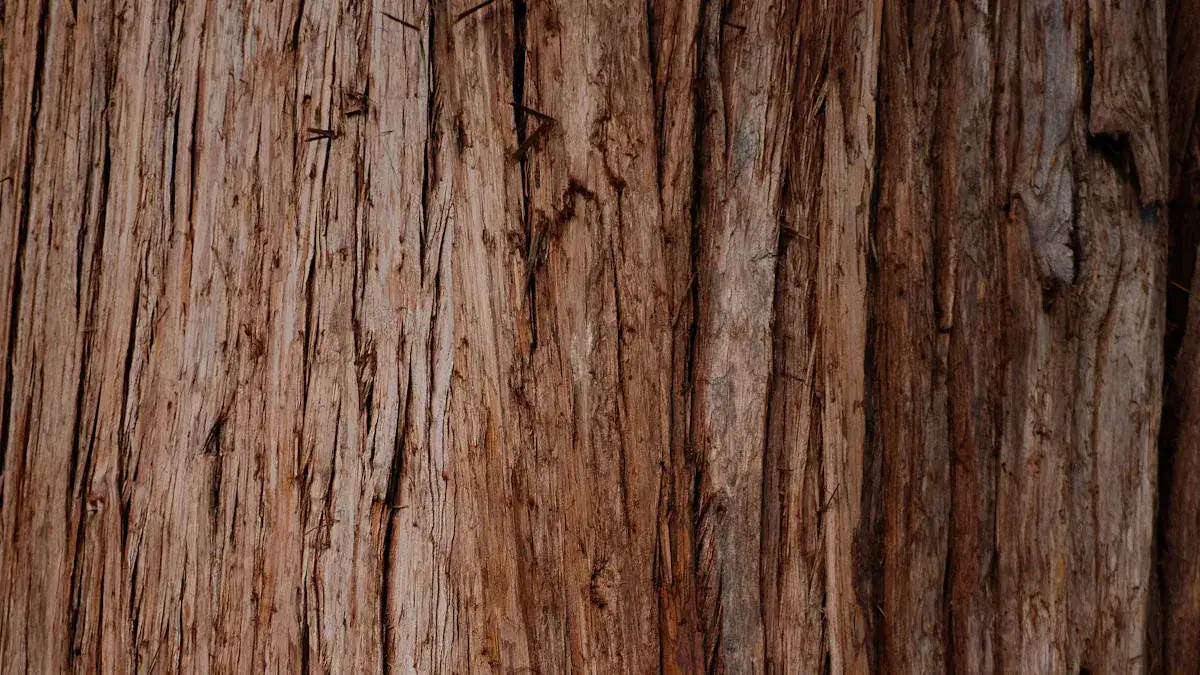
Cedar is a beautiful wood. It has many good qualities. Cedar has excellent dimensional stability. This means it does not shrink or swell much with moisture changes. This helps your stain last longer. Unlike many other woods, cedar does not have sticky pitch or resin. This is good because pitch can stop a stain from sticking well. Cedar also has natural tannins. These tannins give cedar its beauty and color. They also make cedar strong. Tannins help cedar resist rot and bugs. Cedar accepts and holds stain very well for a long time. You can trust cedar to look good with a stain.
Stain Opacity and Appearance
Stain opacity tells you how much of the wood grain you will see. Different stains offer different looks. Transparent stains let all the natural beauty of your cedar grain show through. They add very little color. Semi-transparent stains add some color. They still let you see the wood’s grain and texture. This is a popular choice for cedar. A semi-transparent stain keeps cedar looking fresh. It also shows off its grains. Solid stains give full coverage. They hide most imperfections. Solid stains make the wood a uniform color. They act like paint. A semi-transparent or semi-solid stain highlights cedar’s warmth. It also adds UV protection.
Water vs. Oil Stains
You can choose between water-based and oil-based stains. Water-based stains dry faster. They are easier to clean up. They also have less odor. These stains are often more flexible. Oil-based stains soak deeper into the cedar. They offer good protection. Oil-based stains can take longer to dry. They often provide a richer look. Both types of stain protect your cedar. Your choice depends on your preference for application and drying time.
Top Stain Colors for Cedar
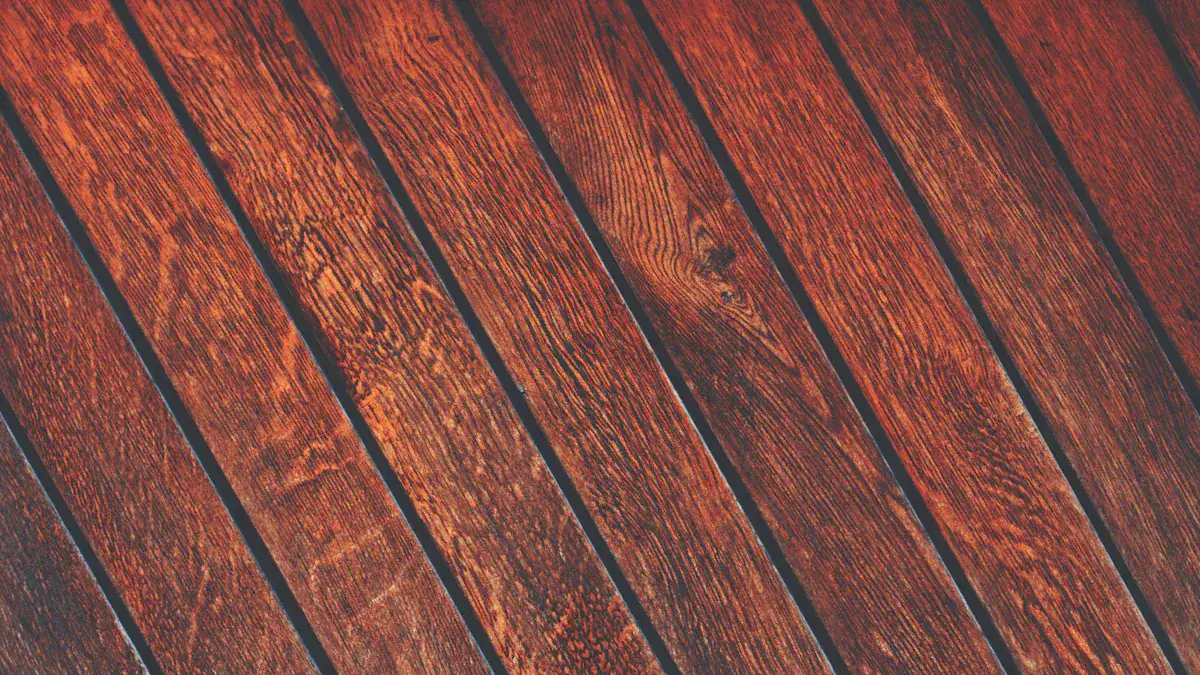
You have many choices when you pick a stain for your cedar. The best color stain depends on the look you want. Here are some of the most popular cedar stain colors and ideas for your project.
Natural and Transparent Stains
Transparent stains let the true beauty of your cedar shine through. They add little to no color. These stains protect your wood while showing off its natural grain and texture. They are perfect if you love the original look of cedar. For example, Wood Defender™ Transparent Fence Stain works well for cedar, redwood, and cypress fences. This penetrating stain uses very fine pigments. It makes the wood’s natural grain and features stand out. This stain comes with a two-year warranty from the maker. You can expect it to last up to four years. This type of stain offers a very natural finish.
Semi-Transparent Stains
Semi-transparent stains add some color but still let you see the wood grain. This is a very popular choice for cedar. These stains give your cedar a fresh look while highlighting its natural patterns. They also add UV protection. Semi-transparent stains let a lot of the wood’s natural texture and grain show through the color. This opacity level is ideal when you want to see the wood’s beauty.
Here are some trending semi-transparent stain colors:
Earth-toned shades: These colors are popular for outdoor areas. They give a warm, grounded look. They blend well with natural surroundings, especially if your home has greenery or stonework.
Warm naturals: Colors like honey, amber, and redwood make the wood’s natural depth and warmth glow. You can still see the grain clearly.
Modern grays and charcoal shades: These sophisticated colors are trending for 2025. They fit well with minimalist and modern designs. They provide a neutral background that looks good with lighter accents.
Solid Stains
Solid stains give full coverage. They hide most imperfections in the wood. They make the cedar a uniform color, much like paint. Solid stains offer maximum UV protection. They can also hide flaws, which makes them good for lower-quality cedar. They create a more even look.
Many brands offer great solid stain options:
Defy Solid Deck Stain: This stain gives long-lasting protection and bright color. Its special formula goes deep into the wood. It has excellent UV resistance because of zinc particles, which stop graying and fading. This water-based formula also fights mold and mildew. You can find it in many natural wood tones. It provides solid color coverage that can last 3-5 years if you apply it correctly.
Behr’s Solid Color House & Fence Wood Stain: This stain resists cracking, peeling, and blistering. You can use it on wood, stucco, brick, and cement siding. It offers over 1,600 color choices.
Sherwin-Williams Exterior Series: This series has different opacity options, including solid. This helps you balance coverage and protection. It protects cedar from UV damage, moisture, and bad weather. Solid and semi-solid stains resist peeling, cracking, and fading. You can use it on fences, decks, porches, and siding.
Modern Gray and Charcoal Tones
Gray and charcoal tones are very popular for modern cedar exteriors. They create a sleek and stylish look. When you combine dark gray tones with cedar accents, you get a beautiful and balanced design. This look mixes modern elegance with natural warmth. The organic qualities of cedar soften the sharp look of dark gray. The result is a unique, timeless, and nature-inspired design. It stands out but still connects to its surroundings. For modern cedar exteriors, ‘Wrought Iron’ by Benjamin Moore is a popular dark charcoal gray. This color, with wood accents, creates a bold look. It makes your home’s curb appeal much stronger.
Rich Browns and Reds
Rich browns and reds bring out the natural warmth of cedar. These colors give your home a classic and inviting feel. They enhance the wood’s natural beauty.
Here are some popular choices:
Cedar by BEHR: This is a warm and earthy light golden-brown. This stain makes the natural beauty of wood richer and deeper. It looks good with many different home styles.
Burnt Hickory by Cabot: This is a deeper, earthier color. People choose it for its rich tone. It makes the wood’s natural grain and texture better. It gives a relaxed yet fancy finish. It celebrates the beauty of old wood and creates a cozy, calm space.
Oxford Brown by Pittsburgh Paints Co.: This is an earthy color with hints of amber. Oxford Brown offers a timeless, rustic appeal. It gives a warmer, more lively direction that works with both modern and rustic styles.
Choosing the Best Stain for Cedar Siding
Choosing the best stain for cedar siding involves more than just picking a color you like. You need to think about your home’s overall look. You also need to consider how much sun your cedar gets. Finally, you must think about how often you want to do maintenance. This section helps you make the right choice.
Home Exterior and Landscape
Your home’s existing style and colors play a big role in your stain choice. You want a cedar stain color that complements your house’s exterior. This makes your home look better. It also helps the cedar last longer because the stain protects it.
Consider these examples:
You can pair a cedar stain on your deck with a Jungle Camouflage house body and Whisper White trim.
You can match a cedar stain on your fence with a Midnight Blue house body and Spanish Sand trim.
For a cedar ceiling, you can combine it with a Dark Ash house body and White trim.
Your landscape also influences your decision. A natural, earthy stain blends well with a wooded setting. A modern gray stain might suit a contemporary garden. Think about the overall picture. You want your cedar to fit in with its surroundings.
UV Protection and Durability
Cedar needs strong protection from the sun and moisture. Stains that offer protection against both moisture and ultraviolet rays are crucial. They shield your exterior wood from damage. This extends its lifespan.
Different stains offer different levels of protection:
Cabot Solid Color Acrylic Stain + Sealer provides long-lasting waterproofing. It also offers advanced UV protection against sun damage. It bonds tightly to wood and resists peeling.
Cabot Siding & Fence Solid Color Stain + Sealer uses a 100% acrylic formula. It offers durable, richly colored weather protection. It also includes mold-, mildew-, and algae-resistant properties.
Cabot Solid Color Oil Stain combines maximum color and UV protection with a tough alkyd resin. This results in an opaque finish that withstands wear.
Cabot DeckCorrect, a solid resurfacer, protects from UV sun damage, extreme temperatures, rain, and moisture. This prolongs the life of decks.
High-quality semi-transparent stains help block UV rays. They still allow the wood’s natural beauty to show through. The side of a house most exposed to sun and wind typically shows wear first. This emphasizes the need for superior UV protection in those areas. Paint, especially 100% acrylic latex formulas, offers the highest level of protection for Western Red Cedar siding. It protects against environmental elements. Solid-color stains, similar to paints, shield Western Red Cedar from UV light and water damage. These are film-forming finishes. 100% acrylic latex stains are recommended. Semi-transparent, solvent-borne, oil-based stains penetrate the wood. They contain pigments that add color and protect against UV rays. This extends the siding’s service life for 3-6 years. Choosing the best stain for cedar siding means prioritizing durability.
Maintenance and Longevity
The type of stain you choose affects how often you need to maintain your cedar. You want to protect your investment. Regular maintenance ensures the longevity of your cedar.
Here are some maintenance guidelines:
For cedar fences, apply stain every three to five years. This protects against UV rays, heat, rain, and snow damage.
For most cedar homes, regular maintenance includes a light rinse once per year at the end of winter. Then, you recoat exposed areas every 2-3 summers.
Newly installed cedar may not require maintenance for up to 5 years. This is due to its natural oils. But it eventually needs regular oiling.
If cedar has been stained and the stain is in good condition, it requires a light rinse annually. You then recoat it every 2-3 years. This depends on UV exposure. Cedar needs recoating every 2-3 summers. This protects the timber from harsh UV rays.
Solid stains generally last longer than transparent or semi-transparent exterior wood stains. However, they hide more of the natural grain. You must balance your desired look with your willingness to perform maintenance.
Testing Stain Samples
You should always test stain samples before you commit to a large area. This is a crucial step. You can apply the stain to a scrap piece of cedar. Or, you can use an inconspicuous area of your siding. Observe the color in different lighting conditions. The color can look different in bright sunlight versus shade. It can also look different on a cloudy day. Testing helps you confirm the best color stain for your project. It prevents disappointment. You ensure the final result matches your vision for your home. This step is vital for successful staining cedar siding.
Staining Cedar Siding: Application Tips
You need to apply stain correctly. This ensures your cedar looks great. It also makes the finish last a long time. Follow these steps for the best results.
Cedar Preparation
You must prepare your cedar before staining. Proper preparation helps the stain stick well. It also makes the finish last longer. First, inspect your cedar siding. Look for damage, rot, or loose nails. Make any necessary repairs. Next, clean the surface. Remove dirt, mold, mildew, and old paint or stain. You can use warm water and mild detergent. A specialized wood cleaner also works. For stubborn stains, use a diluted bleach solution. Apply the cleaning solution with a soft brush. Work in sections. Rinse thoroughly with clean water. Allow the cedar to dry completely. This may take a couple of days. Lightly sand the surface with fine-grit sandpaper. This smooths rough spots. It also improves adhesion. Remove all sanding dust. For first-time staining cedar siding, apply stain as soon as possible. This prevents discoloration. Discoloration typically starts within two weeks. If your new cedar has contamination, remove it. For smooth-planed cedar, scuff-sand with 50-60 grit sandpaper. This enhances coating performance. You do not need this step for clean textured cedar.
Even Stain Application
Applying your stain evenly prevents lap marks. It also ensures a consistent color. Apply two light coats. Avoid one heavy coat. Always back-brush every section. This pushes the product deeper into the grain. It also evens out the layer. Wipe off any stain that sits on the surface for more than 5-10 minutes. Use brushes for edges and small areas. Rollers work for broad coverage. Always follow with back-brushing when using rollers. Sprayers offer speed. They require control and cleanup. You must pair them with back-brushing. Back-brushing improves penetration. It eliminates pooling. It enhances durability. Do not skip back-brushing on large, flat surfaces. Back-brush while the stain is still wet. This is typically within 5-10 minutes of application. Use quality brushes. Natural bristles work for oil-based products. Synthetic bristles are for water-based products. Brush with the grain for a natural look. This prevents swirl marks. Work in small sections. This means 2-4 board segments. This gives you better control when staining cedar siding. Maintain a wet edge to prevent lap marks. This ensures even coverage. If you use more than one gallon of the product, mix all together. This ensures consistent shade.
Drying Times and Recoating
Understanding drying times is important. It helps you plan your project. Standard drying time for most stains is 24 to 48 hours. Humidity, temperature, and wood type influence drying. Curing time is typically 7 days. Always refer to the manufacturer’s instructions. Avoid heavy contact or washing the siding during curing. This ensures proper bonding. You need to recoat when the cedar’s finish appears thin. This usually happens after a few years. You can also recoat if you want to maintain its original look. Otherwise, it will grey naturally. If the cedar is in good condition, clean it. Use warm, soapy water to remove dirt and mildew. Ensure the surface is fully clean and dry. Then reapply the finish. If you used Wood Defender™ Oil Based Exterior Stains previously, stripping is not necessary. You can apply a maintenance coat directly. Ensure the surface is free of dirt, mold, and mildew. In harsh weather, restaining may be needed every 2-3 years. In milder climates, this can extend to 4-6 years. Regular maintenance checks help you identify signs like fading or cracking. These signs indicate a need for restaining.
Choosing the best stain for your cedar involves several factors. You balance your desired look with practical protection and maintenance needs. Always test stain samples. Consider your specific environment. This ensures the stain color works well. You can select a stain that beautifully preserves your cedar for many years. This careful choice protects your investment. The right stain makes your cedar last.
FAQ
What is the best type of stain for cedar?
The best stain type depends on your desired look. Transparent stains show cedar’s natural beauty. Semi-transparent stains add color while still showing grain. Solid stains offer full color coverage and maximum protection. You choose based on how much wood grain you want to see.
What stain color makes cedar look natural?
Transparent or natural-toned semi-transparent stains make cedar look most natural. These stains enhance cedar’s inherent color and grain. They add protection without hiding the wood. You can choose clear or light honey shades for this effect.
What stain color is best for modern cedar homes?
Modern cedar homes often look best with gray or charcoal stain tones. These colors create a sleek, contemporary appearance. They pair well with minimalist designs. You can choose a dark gray for a bold statement or a lighter gray for subtle elegance.
What stain lasts longest on cedar?
Solid stains generally last the longest on cedar. They provide the most protection against UV rays and weather. Solid stains form a durable film on the wood’s surface. You will find they offer excellent longevity and hide imperfections well.