

You want a smoke alarm that’s reliable, easy to maintain, and won’t wake the house for every burnt toast. In 2026, top battery-operated options pair photoelectric and ionization sensing, clear end-of-life alerts, and front-access batteries so you can keep safety simple. I’ll walk you through the best models and what to look for next, so you can pick the right protection for your home.
| First Alert Smoke & Carbon Monoxide Alarm (3-Pack) |

| Best for Dual Protection | Power Source: Battery-operated (battery powered) | Sensor/Detection Type: Smoke + Carbon monoxide (dual 2-in-1) | Test/Silence Function: Test/silence button present | VIEW LATEST PRICE | Read Our Analysis |
| First Alert Battery Smoke & Carbon Monoxide Alarm |

| Reliable All-Rounder | Power Source: Battery-operated (battery powered) | Sensor/Detection Type: Smoke + Carbon monoxide (dual 2-in-1) | Test/Silence Function: Test/silence button present | VIEW LATEST PRICE | Read Our Analysis |
| First Alert CO400 Battery-Operated Carbon Monoxide Detector |
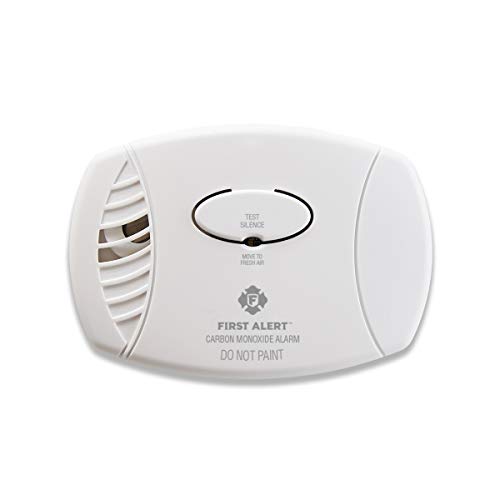
| CO Specialist | Power Source: Battery-operated (replaceable batteries) | Sensor/Detection Type: Carbon monoxide (electrochemical CO sensor) | Test/Silence Function: Test function described (alarm sequence for testing) | VIEW LATEST PRICE | Read Our Analysis |
| BRK First Alert SMI100 Battery-Operated Smoke Alarm 3-Pack |

| Home Coverage Pack | Power Source: Battery-operated (battery powered) | Sensor/Detection Type: Smoke (Precision Detection smoke sensor) | Test/Silence Function: Test/silence button present | VIEW LATEST PRICE | Read Our Analysis |
| First Alert Battery-Operated Smoke Alarm SMI100 |

| Easy-Maintenance Pick | Power Source: Battery-operated (9V alkaline included) | Sensor/Detection Type: Smoke (Ionization sensor with Precision Detection) | Test/Silence Function: Test/silence button present | VIEW LATEST PRICE | Read Our Analysis |
More Details on Our Top Picks
First Alert Smoke & Carbon Monoxide Alarm (3-Pack)
Should you want reliable, low-maintenance protection for a whole home without running wires, the Initial Alert 3-pack is an ideal choice: its Precision Detection tech cuts down on cooking nuisance alarms while still giving prompt smoke and CO alerts, and the battery-powered units install quickly and include test/silence buttons plus end-of-life warnings so you’ll know once to replace them. You’ll get dual smoke and carbon monoxide sensing that meets current industry standards, easy battery operation for flexible placement, and straightforward user controls for testing and temporary silencing. This pack gives clear, compliant protection with minimal upkeep.
- Power Source:Battery-operated (battery powered)
- Sensor/Detection Type:Smoke + Carbon monoxide (dual 2-in-1)
- Test/Silence Function:Test/silence button present
- End-of-Life Notification:End-of-life warning included
- Meets Safety Standards / Certification:Meets new industry standards (Precision Detection)
- Brand / Manufacturer:First Alert
- Additional Feature:2-in-1 smoke+CO detection
- Additional Feature:Battery-operated 3-pack
- Additional Feature:Reduces cooking nuisance alarms
First Alert Battery Smoke & Carbon Monoxide Alarm
Should you want a straightforward, low-maintenance alarm that protects against both smoke and carbon monoxide, the Initial Alert battery unit is a strong pick thanks to its Precision Detection technology that cuts down on cooking false alarms while still providing prompt fire warnings. You get dual protection in one device, detecting smoke and CO without wiring hassles. The battery operation makes installation simple and upkeep minimal. A test/silence button lets you verify function and quiet nuisance beeps temporarily. Whenever the unit reaches the end of its service life, an end-of-life warning alerts you to replace it for continued reliable protection.
- Power Source:Battery-operated (battery powered)
- Sensor/Detection Type:Smoke + Carbon monoxide (dual 2-in-1)
- Test/Silence Function:Test/silence button present
- End-of-Life Notification:End-of-life warning included
- Meets Safety Standards / Certification:Meets new industry standards (Precision Detection)
- Brand / Manufacturer:First Alert
- Additional Feature:2-in-1 smoke+CO detection
- Additional Feature:Battery-operated single unit
- Additional Feature:Reduces cooking nuisance alarms
First Alert CO400 Battery-Operated Carbon Monoxide Detector
Should you want a straightforward, reliable CO detector that keeps working through power outages, the Initial Alert CO400 is a solid pick — it uses an advanced electrochemical sensor for accurate readings and runs on replaceable batteries so you’ll stay protected even during blackouts. You’ll get continuous monitoring and an 85-decibel alarm whenever CO levels become dangerous. It chirps at end-of-life to remind you to replace the unit, and the alarm sequence lasts 5–6 seconds during testing to confirm proper operation. Install one per level and in every bedroom. It meets UL standards, comes from Prime Alert, and includes a five-year limited warranty.
- Power Source:Battery-operated (replaceable batteries)
- Sensor/Detection Type:Carbon monoxide (electrochemical CO sensor)
- Test/Silence Function:Test function described (alarm sequence for testing)
- End-of-Life Notification:End-of-life signal chirp included
- Meets Safety Standards / Certification:Tested to meet UL safety standards
- Brand / Manufacturer:First Alert
- Additional Feature:Electrochemical CO sensor
- Additional Feature:85-decibel loud alarm
- Additional Feature:5-year limited warranty
BRK First Alert SMI100 Battery-Operated Smoke Alarm 3-Pack
In case you want a straightforward, no-wiring option that cuts down on nuisance alarms, the BRK First Alert SMI100 three-pack is a smart pick: its Precision Detection tech is tuned to reduce false triggers from cooking while still giving timely warnings for real fires, and the battery-operated design makes installation and placement easy for renters or homeowners who don’t want to rewire. You’ll appreciate the front-access battery compartment for quick replacements and clear end-of-life signals so you won’t miss whenever an alarm needs replacing. A test/silence button simplifies checks and temporary silencing, and the three-unit pack covers multiple rooms affordably.
- Power Source:Battery-operated (battery powered)
- Sensor/Detection Type:Smoke (Precision Detection smoke sensor)
- Test/Silence Function:Test/silence button present
- End-of-Life Notification:End-of-life warning included
- Meets Safety Standards / Certification:Meets new industry standards (Precision Detection)
- Brand / Manufacturer:BRK First Alert (First Alert brand)
- Additional Feature:Front-access battery compartment
- Additional Feature:3-pack package
- Additional Feature:Precision Detection technology
First Alert Battery-Operated Smoke Alarm SMI100
Should you want a simple, low-maintenance alarm that cuts down on kitchen false alerts, the Initial Alert SMI100 is a strong choice thanks to its Precision Detection technology and ionization sensor. You’ll get a battery-operated unit that meets new industry standards and provides prompt warning during home fires. It uses a front-access 9V battery compartment for quick replacement, includes a test/silence button, and signals end-of-life so you know at what point to swap it out. Compact and lightweight, it runs in 10–95% humidity, comes with a 9V alkaline battery, and carries Resideo’s manufacturer support and Amazon’s return policy.
- Power Source:Battery-operated (9V alkaline included)
- Sensor/Detection Type:Smoke (Ionization sensor with Precision Detection)
- Test/Silence Function:Test/silence button present
- End-of-Life Notification:End-of-life warning included
- Meets Safety Standards / Certification:Meets new industry standards (Precision Detection)
- Brand / Manufacturer:First Alert / Resideo
- Additional Feature:Front-access battery compartment
- Additional Feature:Includes 9V battery
- Additional Feature:Ionization sensor type
Factors to Consider When Choosing a Battery Operated Smoke Alarm
At the time of choosing a battery-operated smoke alarm, you’ll want to compare detection technology (photoelectric vs. ionization) so it matches typical risks in your home. Check power options and battery life, plan placement for full coverage, and pick a model that’s simple to install. Also consider ease of maintenance and testing so the alarm stays reliable over time.
Detection Technology Type
Because different sensors excel with different fires, you’ll want to grasp the detection technology before buying a battery-operated smoke alarm. You’ll choose between ionization, which responds quickly to fast-flaming fires, and photoelectric, which detects smoldering, smoky fires sooner. Dual-sensor models combine both to broaden protection and reduce gaps in response time. Some alarms use advanced systems like Precision Detection to cut down on nuisance triggers from cooking, enhancing reliability without sacrificing safety. Check that the sensor technology meets current industry standards so warnings are timely and accurate. Keep in mind that your selection influences sensitivity, response speed, and false-alarm likelihood, so pick a detection type that matches your home’s layout and everyday activities.
Power And Battery Life
Although battery-operated alarms free you from wiring constraints, their safety depends on choosing the right power source and managing battery life. You’ll most commonly find 9V alkaline batteries—reliable, inexpensive, and easy to replace—and many units include front-access compartments so swaps don’t become a hassle. Expect varied battery life; some last a year, others require more frequent changes or recharging, so check manufacturer claims and set a replacement routine. Alarms also emit chirps or end-of-life warnings to alert you whenever power’s low or the unit needs replacement; don’t ignore them. In short, pick alarms with accessible battery bays, known battery types like 9V alkaline, and clear low-battery indicators to keep your home protected without surprises.
Placement And Coverage
Should you want reliable timely warnings, plan smoke alarm placement to cover every level, every sleeping area, and the hallways that lead to bedrooms. You should install alarms inside each bedroom and just outside sleeping areas so occupants get immediate alerts at night. Mount units on ceilings or high on walls since smoke rises and those positions detect fastest. Space alarms per the manufacturer—typically no more than 30 feet apart—to avoid dead zones or excessive overlap. Don’t place alarms too close to kitchens or bathrooms where cooking smoke or steam can trigger nuisance alarms; follow recommended distances to minimize false alerts. Through mapping each floor and following spacing and mounting guidance, you’ll maximize prompt detection and occupant safety.
Ease Of Installation
When you’re picking a battery-operated smoke alarm, prioritize models that make setup and upkeep straightforward so you’ll actually keep them working—look for front-access battery compartments, lightweight housings, and clear mounting templates that let you install the unit quickly without rewiring or special tools. You’ll appreciate alarms designed for DIY: they don’t need wiring, come with minimal hardware, and include clear instructions so you can mount them confidently on ceilings or walls. Front-access battery doors let you swap cells without removing the whole unit. Test and silence buttons let you confirm functionality and quiet false alarms without fiddling. Compact, lightweight designs reduce the need for heavy tools or extra hands, making installation quicker and less stressful.
Maintenance And Testing
Because smoke alarms protect you only whenever they’re powered and working, make maintenance and testing a priority—pick units with easy-access battery compartments, a clearly marked test/silence button, and reliable end-of-life warnings so you can verify operation monthly and replace the unit as needed. You should test alarms at least once a month using that button to confirm the battery and sensor work. Choose models with front-access battery doors so you can swap cells quickly without removing the unit from the ceiling or wall. Use the silence feature to pause nuisance alerts temporarily, then investigate the cause. Keep a schedule for battery replacement and testing, and store replacement batteries nearby. Consistent testing and timely battery changes keep your alarm dependable during outages and everyday use.
End-Of-Life Notification
As a smoke alarm approaches the end of its usable life, an end-of-life notification will alert you with a distinct chirp or signal so you can replace the unit before its sensor degrades. You’ll want this feature because it tells you once the alarm is no longer reliable, separate from the regular alarm tone. That distinct signal reduces the risk of ineffective detection through prompting timely replacement and helps you meet safety standards requiring functioning alarms. With clear end-of-life alerts, you won’t overlook aging units during routine maintenance and testing. Choose models with unmistakable, documented end-of-life patterns and user-friendly guidance on replacement timing to keep your household protection consistent and dependable.
