

At the time a product manager I know swapped his office chair for a Revbalance Swell 2.0, his back pain eased and his focus sharpened within weeks. You’ll want a board that’s quiet under hardwood, won’t scuff your floor, and scales from gentle to challenging as you get steadier. I’ll walk you through five top options for 2026 and what makes each one work best for different users—so you can pick the right fit.
| Sportneer Balance Board with Roller and Ball |

| Versatile Trainer | Primary Use: Balance & core training (skate/surf/snow prep) | Construction Material: Birch wood | Traction / Grip Surface: Matte non‑skid surface | VIEW LATEST PRICE | Read Our Analysis |
| Revbalance Swell 2.0 – Surf & Paddle Balance Board Trainer |

| Water-Sport Ready | Primary Use: Surf/paddleboard year‑round balance training | Construction Material: Premium handcrafted wood (implied hardwood) | Traction / Grip Surface: DURASOFT traction surface | VIEW LATEST PRICE | Read Our Analysis |
| Whirly Board Wide 360° Balance Board Trainer |

| Best for Active Standing | Primary Use: Active standing / balance training / rehab | Construction Material: 8‑ply Canadian maple | Traction / Grip Surface: Cork grip + recycled rubber surface | VIEW LATEST PRICE | Read Our Analysis |
| Revbalance Core 32 Advanced Balance Board |
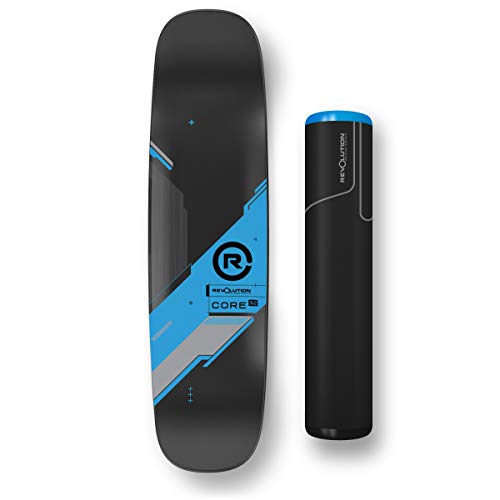
| Pro Trick Platform | Primary Use: Advanced trick practice & balance training | Construction Material: High‑strength composite (deck/roller components) | Traction / Grip Surface: (Implied) grippy performance surface for tricks | VIEW LATEST PRICE | Read Our Analysis |
| Sportneer Balance Board with Roller and 2.8″ Ball |

| Beginner-Friendly Pick | Primary Use: Balance & core training (surf/snow/athletic) | Construction Material: Birch wood | Traction / Grip Surface: Textured non‑slip EVA surface | VIEW LATEST PRICE | Read Our Analysis |
More Details on Our Top Picks
Sportneer Balance Board with Roller and Ball
Should you want a versatile training tool that doubles as balance practice and core conditioning for board sports and everyday stability, the Sportneer Balance Board with Roller and Ball is a strong choice—you get a 2-in-1 setup (roller plus 2.8″ solid rubber ball), seven challenge modes, and adjustable magnetic stoppers so you can dial in difficulty whether you’re a beginner or a seasoned skater. You’ll appreciate its birch construction, 450-pound capacity, and matte non-skid surface for barefoot or shod use. The solid rubber ball won’t leak, upgraded rollers protect floors, and removable stoppers let you control range for safe, progressive standing-desk workouts.
- Primary Use:Balance & core training (skate/surf/snow prep)
- Construction Material:Birch wood
- Traction / Grip Surface:Matte non‑skid surface
- Portability / Home Use:Designed for home/training use (portable)
- Target Users:Athletes, skaters, snowboarders, beginners
- Durability / Build Quality Emphasis:Elaborately crafted, durable construction; 450 lb capacity
- Additional Feature:Includes 2.8″ solid ball
- Additional Feature:7 adjustable challenge modes
- Additional Feature:Magnetic removable stoppers
Revbalance Swell 2.0 – Surf & Paddle Balance Board Trainer
Should you want year‑round on‑water conditioning, the Revbalance Swell 2.0 delivers targeted surf-and-paddle training with its MAGSWITCH adjustable stops so you can dial difficulty in seconds. You’ll appreciate tool-free adjustments: add stops for beginner stability, remove them for advanced roll. The longer roller and expanded deck let you train heel-to-toe and side-to-side shifts, and you can flip the roller for varied drills. DURASOFT traction feels good barefoot or with shoes and won’t scuff floors like coarse griptape. Handcrafted in the USA with premium materials, the Swell 2.0 blends durability, performance, and clean aesthetics for on- and off-water readiness.
- Primary Use:Surf/paddleboard year‑round balance training
- Construction Material:Premium handcrafted wood (implied hardwood)
- Traction / Grip Surface:DURASOFT traction surface
- Portability / Home Use:Year‑round home/training tool (portable)
- Target Users:Surfers, SUP, wakesurfers, kiteboarders
- Durability / Build Quality Emphasis:Premium handcrafted construction, built for durability
- Additional Feature:MAGSWITCH tool-free stops
- Additional Feature:Extended long roller option
- Additional Feature:Handcrafted in USA
Whirly Board Wide 360° Balance Board Trainer
Should you want a balance board that lets you spin, rock and tilt in any direction while working, the Whirly Board Wide 360° is your best bet. You get a 10″ wide, 8-ply Canadian maple deck with three semi-spherical balance points for true 360° motion—spin, rock, tilt or bounce—engaging more muscles than tilt-only boards. It’s handcrafted in Wisconsin with cork grip tape and recycled rubber for secure traction. Use it as an anti-fatigue standing desk solution, family balance toy, sports trainer, or rehab tool (employ a stabilizing ring or hold a desk in case you’re starting out). Lifetime replacement guarantee.
- Primary Use:Active standing / balance training / rehab
- Construction Material:8‑ply Canadian maple
- Traction / Grip Surface:Cork grip + recycled rubber surface
- Portability / Home Use:Fits under desks / portable for home/office
- Target Users:All ages — kids to seniors, athletes, office users
- Durability / Build Quality Emphasis:Handcrafted 8‑ply maple, durable with lifetime replacement
- Additional Feature:True 360° spinning motion
- Additional Feature:Eco-friendly cork grip
- Additional Feature:Lifetime replacement guarantee
Revbalance Core 32 Advanced Balance Board
In case you’re chasing skate-style trick progression at your standing desk, the Revbalance Core 32 is your best choice—its high-strength composite roller and impact-resistant deck let you practice ollies, shuvits, and kickflips indoors with rock-solid stability and energetic responsiveness. You’ll get a lightweight, durable setup engineered for speed and aggressive maneuvers, with no tracks or gimmicks to restrict movement. It improves balance, heel/toe edging, and body control transferable to other sports, and it’s built to withstand heavy use. Made in the USA, the Core 32 targets riders who want a challenging platform for consistent year-round progression.
- Primary Use:Advanced trick practice & balance training
- Construction Material:High‑strength composite (deck/roller components)
- Traction / Grip Surface:(Implied) grippy performance surface for tricks
- Portability / Home Use:Lightweight design for indoor/outdoor practice
- Target Users:Advanced skaters/trick‑seekers and skill builders
- Durability / Build Quality Emphasis:Engineered for impact resistance and heavy use
- Additional Feature:Trick-focused design
- Additional Feature:High-strength composite roller
- Additional Feature:Lightweight maneuverable build
Sportneer Balance Board with Roller and 2.8″ Ball
Should you want a single, versatile trainer that grows with your skills, the Sportneer Balance Board with roller and 2.8″ ball is made for progressive balance work—from beginners to advanced athletes. You’ll get seven challenge modes using the roller and solid 2.8″ rubber ball, plus four magnetic removable stoppers for tool-free difficulty tweaks. The birch wood deck supports up to 450 lb and has a textured non-slip EVA surface for secure footing barefoot or with shoes. It’s ideal for surf and snowboard training, ankle and core strengthening, warm-ups, rehab, and adding functional instability to lifting or hockey drills.
- Primary Use:Balance & core training (surf/snow/athletic)
- Construction Material:Birch wood
- Traction / Grip Surface:Textured non‑slip EVA surface
- Portability / Home Use:Designed for home workouts / training (portable)
- Target Users:Surfers, snowboarders, athletes, adults
- Durability / Build Quality Emphasis:Durable birch construction; 450 lb capacity
- Additional Feature:Textured EVA surface
- Additional Feature:Hair/floor friendly roller
- Additional Feature:Seven progressive modes
Factors to Consider When Choosing a Balance Board for a Standing Desk
Upon choosing a balance board for your standing desk, consider board size and footprint to make sure it fits your workspace and allows natural movement. Check stability and movement type, surface traction, noise and floor protection, and weight capacity so the board matches your balance skill and protects your floors. Prioritize the features that matter most to your comfort and safety.
Board Size And Footprint
Because your feet need room to move, pick a board that comfortably fits both feet with 2–4 inches of clearance on each side—typically 10–16 inches wide—and 12–20 inches long front-to-back so you can rock heel-to-toe and lift your heels without stepping off. Measure under your desk to make certain the board’s footprint clears crossbars and gives chair clearance for quick sits. Larger boards feel steadier during long sessions and suit varied shoe sizes; smaller boards increase challenge and demand constant micro-adjustments. In the event multiple people use the desk, choose a mid-to-large footprint so different stances fit without compromise. Balance size with available floor space: you want comfort and versatility without crowding your work area or impeding movement.
Stability And Movement Type
Size sets the stage, but how the board moves and how stable it feels will determine whether you can work comfortably or end up constantly readjusting. Decide should you want 360° spin, multi-directional rocking, or mainly front-to-back tilt—spin engages more stabilizers but demands better balance. Match deck width to your work habits: wider platforms give steady footing for long sessions, narrower ones increase motion and challenge. Check weight capacity and stiffness; higher-rated, stiffer boards cut excess flex and feel firmer for heavier users. Prefer models with adjustable or limited-range features—stoppers, removable rollers, or magnetic stops let you dial in safe travel for focused typing. Finally, inspect edge design and non-slip tops to avoid slips or abrupt catches that break concentration.
Surface Traction Material
Usually you’ll want a high-friction surface—cork, textured EVA, or rubber—to keep your feet from sliding while you work. Choose materials with a high coefficient of friction and, whenever possible, slip-resistance ratings or test results. Should you stand barefoot, softer, cushioned traction like closed-cell EVA or DURASOFT reduces pressure points and lasts through long sessions better than rough griptape. Closed-cell foams resist moisture and sweat, limiting slippery buildup and bacterial growth compared with open-weave fabrics. Prefer low-abrasion cork or smooth rubber provided you have delicate floors or bare skin; avoid sandpaper-like surfaces. Finally, pick durable, wear-resistant coverings with strong adhesion to the deck and UV/sweat-resistant specs or warranties so grip stays consistent over time.
Noise And Floor Protection
How will your board affect the floor and sound in your workspace? Pick a deck with rubberized or cork traction and rounded edges so you won’t hear clicking or scraping on hard floors. Choose rollers, balls, or fulcrums that have soft or coated contact points—silicone, rubber, or felt—to cut vibration and stop scratches. Put a 3–6 mm dense rubber, EVA, or carpet runner under the board to absorb impact noise and protect finishes. Inspect construction for loose hardware or hollow cavities; solid, well-glued plywood or composite decks creak less. On wood or laminate, avoid hard plastic-only points and add adhesive felt pads to high-wear spots to prevent micro-abrasions and reduce high-frequency noise.
Weight Capacity Limits
Protecting floors and cutting noise is only part of the portrait—your board also has to safely carry you while you move. Choose a board with a weight capacity 20–30% above your body weight to account for dynamic forces and reduce failure risk. In the case multiple people use the desk, select a model rated for heavier combined loads (400–450+ lb) so it handles different users and occasional gear like shoes or a laptop bag. Confirm the capacity covers dynamic testing—impact and repeated-motion ratings matter for bouncing, shifting, and quick transfers. Should you add ankle weights, a vest, or do exercises on the board, include that extra load in your calculations. Finally, compare materials and construction (ply count, composite strength, wood thickness) to the stated capacity for longer-term integrity.
Portability And Storage
Whenever space is tight or you’re switching work spots, pick a balance board that’s easy to carry and tuck away—ideally under 6–8 lbs with a slim profile or collapsible parts that slide under a desk or stand upright without wobbling. Check dimensions so it fits your under‑desk clearance and can be stowed beside mats or cushions. Favor slim, compact designs or foldable sections that minimize footprint in small home offices. Choose boards with rounded or flat bottoms that won’t roll or scuff floors while stored and that sit upright securely against a wall. Should you move between locations often, prioritize scuff‑resistant finishes plus a carrying handle or included bag for protected transport. These details make daily use and storage effortless.
Durability And Construction
When you rely on a balance board every day, its construction determines how long it lasts and how safe it feels—look for multi-ply hardwood (6–8 ply) or high‑strength composites that resist cracking and retain flex. Verify the advertised weight capacity and safety margin; choose boards rated at least 300–450 lb in case multiple people or heavier users will use it. Inspect surface materials and bonding—cork, EVA, or well-bonded grip tape resists wear and won’t delaminate. Check roller and pivot construction for abrasion-resistant materials and smooth bearings or rated semi-spherical pivots to prevent uneven wear and noise. Prefer corrosion- and moisture-resistant hardware plus a quality finish (sealed edges, durable lacquer) to shield wood or composites from humidity and scuffs.
Intended Training Intensity
Matching board intensity to how you work and train will make a big difference in comfort and safety. You should match instability to daily use: pick low-intensity boards for light active standing that encourage subtle micro-movements, and reserve high-intensity, more uncontrolled boards for short athletic sessions. Consider session duration—minimal tilt or rotation reduces fatigue during long workdays, while lively boards suit focused balance workouts. Look for adjustability (removable stoppers, variable rollers) so you can increase challenge as skill and tolerance grow without replacing the board. Reflect on how motion affects tasks: intense boards can disrupt typing or mouse control, so choose an intensity that preserves productivity. Should you have prior injuries or long hours, favor moderate intensity for safety and recovery.
