

You want clean air, quiet nights, and safe sleep for your baby, and you want products you can trust. In 2026, the right air purifier balances HEPA-grade filtration, ultra-quiet operation, and verified safety standards so you’ll feel confident throughout naptime and overnight. I’ll walk you through top picks like the PuroAir 240 and LEVOIT Essential 100S-P, plus what to look for whenever choosing—so you can pick the best fit for your nursery.
| PuroAir 240 HEPA Air Purifiers (2-Pack) |
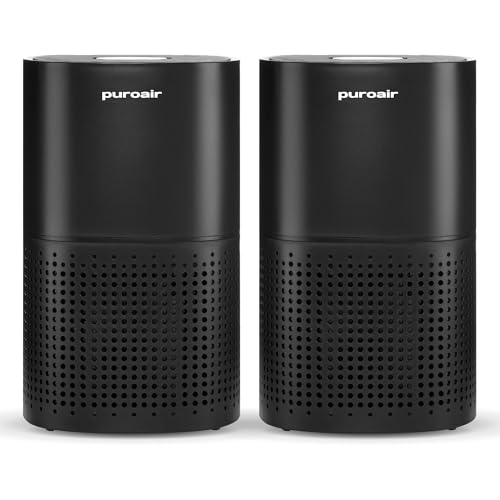
| Best for Large Rooms | HEPA Filtration: HEPA filter (3-layer system includes HEPA) | Activated Carbon / VOC Removal: Activated carbon filter for VOCs and odors | Multiple Fan/Speed Settings: Auto-adjusting power levels + modes (continuous 24/7, sleep mode) | VIEW LATEST PRICE | Read Our Analysis |
| LEVOIT Vital 100S-P Air Purifier for Large Rooms |
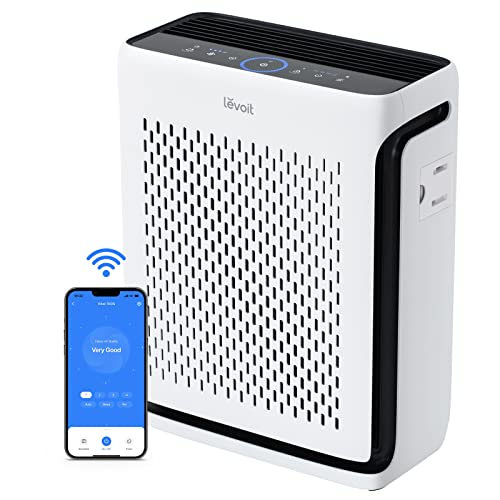
| Smart Home Favorite | HEPA Filtration: HEPA filter (captures 99.97% of 0.1–0.3 μm) | Activated Carbon / VOC Removal: Activated carbon filter for VOCs, fumes, and odors | Multiple Fan/Speed Settings: Multiple modes and fan speeds (Pet, Auto, Sleep; scheduling) | VIEW LATEST PRICE | Read Our Analysis |
| Frida Baby 3-in-1 Baby Air Purifier (HEPA) |

| Best for Nurseries | HEPA Filtration: HEPA filter (HEPA class) | Activated Carbon / VOC Removal: Removes smoke and odors (HEPA + carbon implied) | Multiple Fan/Speed Settings: Three adjustable fan speeds with auto-off timer | VIEW LATEST PRICE | Read Our Analysis |
More Details on Our Top Picks
PuroAir 240 HEPA Air Purifiers (2-Pack)
Should you want continuous, whole-room protection for a nursery, the PuroAir 240 (2-pack) is ideal since each unit cleans up to 1,000 sq ft within an hour and its 3-layer system (pre-filter, true HEPA, activated carbon) removes 99.9% of pollutants including dust, pollen, smoke, pet dander, and VOCs. You’ll get lab-tested performance (ISO 17025) along with certifications from CARB, ETL, ISO, UL, and Energy Star. The smart particle sensor auto-adjusts fan speed, and sleep mode keeps noise down for overnight use. It’s built for 24/7 operation, supported with a 2-year warranty and US-based support.
- HEPA Filtration:HEPA filter (3-layer system includes HEPA)
- Activated Carbon / VOC Removal:Activated carbon filter for VOCs and odors
- Multiple Fan/Speed Settings:Auto-adjusting power levels + modes (continuous 24/7, sleep mode)
- Sleep / Quiet Mode:Quiet sleep mode for overnight use
- Suitable for Bedrooms / Small Rooms:Cleans large rooms up to 1,000 sq ft (suitable for bedrooms)
- Replaceable Filter:Multi-layer replaceable filters (pre-filter, HEPA, carbon)
- Additional Feature:Smart particle sensor
- Additional Feature:24/7 continuous operation
- Additional Feature:ISO 17025 lab-tested
LEVOIT Vital 100S-P Air Purifier for Large Rooms
Should you want powerful, quiet purification for a nursery, the LEVOIT Essential 100S-P is a standout — it delivers HEPA-grade filtration that captures 99.97% of ultrafine particles while running as low as 23 dB in Sleep Mode, so baby’s sleep won’t be disturbed. You’ll get AHAM VERIFIDE performance, 4.8 air changes/hour in rooms up to 222 ft², and one/hour up to 1,073 ft². A washable pre-filter and activated carbon layer tackle odors, VOCs, and pet smells. Pet Mode and Light Detection optimize cleaning and energy use. Use the VeSync app for scheduling, monitoring filter life, and voice control.
- HEPA Filtration:HEPA filter (captures 99.97% of 0.1–0.3 μm)
- Activated Carbon / VOC Removal:Activated carbon filter for VOCs, fumes, and odors
- Multiple Fan/Speed Settings:Multiple modes and fan speeds (Pet, Auto, Sleep; scheduling)
- Sleep / Quiet Mode:HEPA Sleep Mode (dims lights, 23 dB fan noise)
- Suitable for Bedrooms / Small Rooms:Rated for rooms up to 1,073 sq ft (1 ACH) and 222 sq ft (4.8 ACH)
- Replaceable Filter:Replaceable genuine Levoit filters (Vital 100S-RF) with options
- Additional Feature:VeSync app control
- Additional Feature:Light Detection Sleep Mode
- Additional Feature:Multiple specialized filters
Frida Baby 3-in-1 Baby Air Purifier (HEPA)
Should you want a compact, multi‑tasking unit that helps soothe your baby while cleaning the air, the Frida Baby 3‑in‑1 is a great choice because it combines a HEPA air purifier with a sound machine and nightlight in a small, plug‑in design. You’ll get AHAM‑certified HEPA filtration that tackles smoke, odors, pollution, and allergens, plus two white noise options and four nightlight colors to set bedtime ambiance. It’s lightweight (1 lb), fits small spaces (about 50 sq. ft.), offers three fan speeds and an auto‑off timer, and uses an easy‑change filter that lasts roughly 90 days.
- HEPA Filtration:HEPA filter (HEPA class)
- Activated Carbon / VOC Removal:Removes smoke and odors (HEPA + carbon implied)
- Multiple Fan/Speed Settings:Three adjustable fan speeds with auto-off timer
- Sleep / Quiet Mode:Nightlight + sound machine designed for sleep; quiet operation implied
- Suitable for Bedrooms / Small Rooms:Designed for baby rooms / small rooms (around 50 sq ft)
- Replaceable Filter:Easy-change HEPA filter (approx. 90-day life)
- Additional Feature:Built-in sound machine
- Additional Feature:Integrated nightlight colors
- Additional Feature:Compact lightweight design
Factors to Consider When Choosing an Air Purifier For Baby Room
Upon choosing an air purifier for your baby’s room, you’ll want to match the unit’s room size coverage to the nursery’s square footage. Check filter efficiency ratings, noise levels for sleep, and safety certifications to guarantee clean air without disruption. Also look for smart controls and timers so you can schedule quiet, efficient operation.
Room Size Coverage
Square footage matters: match the air purifier’s coverage to your baby room so it can cycle all the air efficiently without wasting energy or running too loud. Measure the room and choose a unit whose stated coverage meets or exceeds that square footage so the purifier can complete full air exchanges within a reasonable time, typically under an hour. For rooms under 100 sq ft, pick purifiers made for small to medium spaces to avoid excessive airflow and noise. In the event the nursery is larger, prioritize models with higher ACH so clean air is continuous. Right-sizing also preserves filter life and lowers energy use, letting the purifier work effectively without running constantly or wearing filters out prematurely.
Filter Efficiency Ratings
Although a high clean-air delivery rate matters, you should pay closest attention to filter efficiency ratings, since they tell you what percentage of airborne particles the purifier actually removes. HEPA filters commonly capture at least 99.97% of particles down to 0.3 microns, which is crucial for reducing allergens, dust, pet dander, smoke, and other pollutants that threaten a baby’s respiratory health. For extra protection in polluted or smoky environments, choose filters rated to trap ultrafine particles in the 0.1–0.3 micron range. Seek independent certifications that verify claimed efficiencies so you’re not relying on marketing alone. Finally, maintain that performance through replacing or cleaning filters on the manufacturer’s recommended schedule to secure continuous, effective filtration.
Noise Level For Sleep
Because babies need uninterrupted sleep, you’ll want an air purifier that runs nearly silent—aim for models around 23 dB or lower—and offers a sleep mode that cuts fan noise and dims displays. Choose units designed for continuous operation with consistently low output so you don’t risk sudden volume spikes that can startle your baby. In the event that a purifier produces gentle white noise, make sure it’s adjustable or removable; some infants find it soothing, others prefer near silence. Prioritize models that balance proven filtration performance with minimal acoustic footprint so you don’t sacrifice air quality for quiet. Before buying, check real-world noise reviews and manufacturer specs for night settings to confirm the unit will keep the nursery calm and restful.
Safety And Certifications
When selecting an air purifier for a nursery, prioritize verified safety and performance so you can trust it won’t introduce risks or give a false sense of protection. Look for CARB, ETL, UL, or Energy Star certifications to confirm electrical safety and regulatory compliance. Choose HEPA filters with AHAM certification to guarantee effective removal of allergens and ultrafine particles that can harm infants’ sensitive airways. Prefer units tested in ISO 17025 laboratories for scientifically validated filtration claims instead of marketing hype. Verify low-noise operation through recognized testing to maintain a calm sleep environment. Finally, insist on ozone-free technology; any ozone emissions can damage developing lungs and undermine the purifier’s purpose.
Smart Controls & Timers
Once you’ve confirmed safety and verified performance, consider how you’ll control the purifier day-to-day: smart controls and timers make it easy to run the unit as well as how you need it. You’ll appreciate remote operation via apps or voice assistants for quick adjustments without entering the nursery. Use timers and scheduling to target nap and nighttime windows, keeping air fresh at moments it matters most. Automatic modes that respond to built-in sensors will raise or lower filtration as air quality changes, cutting manual fuss. Look for dimming or sleep modes that reduce noise and display brightness overnight so your baby’s sleep won’t be disturbed. Together, these features keep air quality consistent, convenient, and minimally intrusive to family routines.
Maintenance And Filter Costs
While the purifier itself is a one-time purchase, you’ll keep paying for clean air through regular filter replacements, so factor maintenance into your decision. Filters usually need swapping every 3–12 months depending on use and type; HEPA and activated carbon remove more pollutants but cost more than basic pre-filters. Look for models with washable or reusable pre-filters to cut replacement frequency and expenses. Change filters promptly to keep peak performance and protect your baby from allergens and pollutants. Before buying, budget annual filter costs and check how easy it is to buy replacements locally or online. Prioritize transparent pricing, clear replacement intervals, and user-friendly filter access so ongoing maintenance stays simple and predictable.
