

Finding ants in the bathroom is a common and frustrating experience. These tiny invaders, ants, often enter your space looking for three things. They seek moisture from leaky pipes and damp towels. Ants also find food in unexpected places. This includes soap residue, toothpaste, and even skin cells. Your bathroom provides shelter in warm, humid spots. This blog explains why you have ants in your bathroom. It offers effective pest control solutions to stop ants in your bathroom.
Key Takeaways
Ants enter your bathroom for moisture, food, and shelter. They find water from leaks and food in soap or toothpaste.
You can stop ants by sealing entry points like cracks and fixing all water leaks. Keep your bathroom clean and dry.
Natural repellents like Diatomaceous Earth or peppermint oil can deter ants. Vinegar also disrupts their scent trails.
Ant baits are effective for persistent ants. They attract ants and deliver a slow-acting poison to the colony.
Call a professional if ants keep coming back, if you cannot identify the ant type, or if ants cause damage to your home.
Why Ants Are In Your Bathroom
Moisture Sources
You often wonder, “why do I have ants?” Your bathroom provides the perfect environment for ants because of its moisture. Ants need water to survive, and your bathroom offers many sources. You might find freestanding water on the floor or counter. Leaky pipes behind walls or under sinks create hidden damp spots. Condensation on pipes and windows also attracts ants. High humidity in the air allows certain ant species to nest indoors. Slow drips from faucets or pipes provide a constant water supply. Carpenter ants, for example, seek moisture in wood framing for reproduction and to tunnel. Moisture ants are drawn to decaying, wet wood, or the mold growing within it. These damp conditions make your bathroom a prime target for a bathroom ant infestation.
Food Attractants
Beyond water, ants also look for food. You might not think of your bathroom as a food source, but it is. Soap residue, especially from liquid soaps or shampoo, contains fats and oils that ants find appealing. Skin cells, which you shed daily, provide a protein source. Even tiny bits of toothpaste left around the sink or on brushes can attract ants. These small particles are enough to sustain an ant colony. Eliminating food and water sources is crucial for preventing ants in the bathroom.
Shelter Needs
Your bathroom also offers ideal shelter for ants. They seek warm, protected places to build their nests. Hidden leaks within wall cavities create damp, secluded spots. Wood damage from chronic moisture exposure, particularly in subflooring, makes it easier for ants to tunnel and nest. Spaces between walls and under cabinets provide dark, undisturbed areas. Cracks in walls and tiles, along with deteriorated grout, offer perfect entry points and nesting sites. This makes your bathroom a cozy home for an ant infestation.
Entry Points
Finally, ants need a way to get into your home. Your bathroom often has many small openings they can use. Gaps around pipes where plumbing penetrates walls and floors are common entry points. Cracks in walls and tiles, even tiny ones, allow these tiny insects to squeeze through. Gaps in window and door frames, often due to settling or weathering, also provide access. Unsealed areas around vents or fixtures can also be pathways. These tiny invaders find their way into your bathroom through these unnoticed openings. You might see ants in your bathroom because of these easy access points.
Common Ant Species
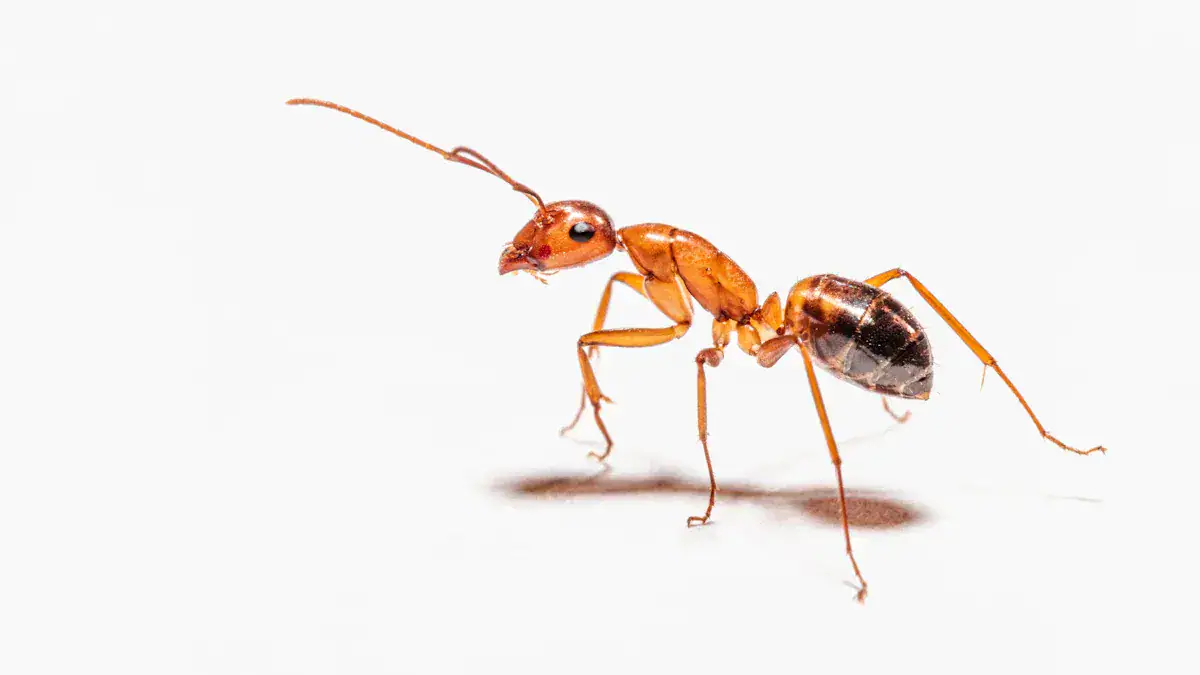
When you find ants in your bathroom, identifying the species helps you choose the best removal method. Different types of ants have unique behaviors and preferences.
Odorous House Ants
You might encounter odorous house ants. These small ants are about 1/8 inch long and dark brown to black. When you crush them, they release a distinct smell. People describe this odor as rotten coconut, pine cleaner, or rancid butter. These ants have 12 antennal segments. Their thorax lacks hair on the back. You will notice their gaster has a horizontal slit on the last segment. Odorous house ants often form large colonies with many queens. They eat a varied diet, including sweets, dead insects, and grease.
Pavement Ants
Pavement ants are another common invader. You often find their nests under sidewalks, driveways, or building foundations. They create small piles of sand or soil near cracks. These ants are highly social. They live in large colonies with thousands of workers. Pavement ants use organized trails to find food. They eat many things, including sweets, grease, and meat. Indoors, you might find them in your kitchen or pantry. They can contaminate your food as they forage.
Carpenter Ants
Carpenter ants are larger ants you might see. They are especially drawn to moisture. If you find large ants in your bathroom, especially near leaky pipes or damp wood, you likely have carpenter ants. They do not eat wood, but they tunnel through it to build nests. A common sign of their presence is finding them in bathrooms and kitchens. They seek water sources and food. If you remove a toilet with a leaking seal, you might discover a large mass of carpenter ants underneath. They crawl through rotted areas around drainpipes.
Pharaoh Ants
Pharaoh ants are tiny, often yellow or light brown. These ants pose significant health risks. They can spread over a dozen disease pathogens. This includes salmonella and streptococcus. Their small size allows them to contaminate food and surfaces easily. They are a particular danger in hospitals. Pharaoh ants can infest medical solutions and sterile wound coverings. Consuming food they have spoiled can lead to food poisoning. They also carry bacteria that cause strep throat.
Solutions to Get Rid of Ants
You can take several steps to get rid of ants in your bathroom. These actionable DIY strategies focus on prevention and direct treatments. Following these ant control tips helps you reclaim your space.
Seal Entry Points
First, you need to block how ants enter your home. Inspect your bathroom for any gaps or cracks. Use caulk to fill small openings around windows, doors, and baseboards. For areas with moisture, like your bathroom, use waterproof caulk. This maintains the seal’s integrity. If you find larger gaps, foam sealants work well. They expand to fill voids and create a strong barrier. You can use them around pipes that come from outside. For movable parts like doors and windows, apply weatherstripping. This creates a tight fit and minimizes ant entry. For bigger holes where caulk might not be enough, use steel wool or mesh materials. Ants cannot chew through steel wool. This step is crucial for long-term prevention.
Eliminate Moisture
Ants love moisture, so eliminating water sources is key. Fix any plumbing leaks immediately. Even small drips provide enough water to support large ant colonies. This constant moisture attracts ants. Improve ventilation in your bathroom. Run exhaust fans during and for at least 30 minutes after showers. This reduces humidity. Proper humidity control discourages pest activity. If you lack good ventilation, use a dehumidifier. Eliminate standing water. Wipe down shower walls after use. Fix toilet tank sweating by insulating cold water pipes. Avoid leaving damp towels on the floor. Even small amounts of standing water can support entire ant colonies. Keep your bathroom humidity below 50%. This significantly reduces conditions that support both mold growth and pest activity. High moisture environments create ideal breeding and nesting conditions for pests like ants. These treatments help reduce ant activity.
Maintain Cleanliness
Maintaining cleanliness in your bathroom also deters ants. Wipe down all surfaces with soapy water or a vinegar solution. Clean drains where gunk accumulates. Fix any leaky faucets or pipes. Use a squeegee after showers to reduce moisture. Run your bathroom fan or open a window to reduce humidity. Regularly vacuum bathroom floors to remove food particles and residues. Spray and wipe surfaces with appropriate cleaning solutions. This deters ant infestations. Use a dehumidifier in humid bathrooms to keep the air dry. Ants are attracted to moisture. Wipe surfaces to remove crumbs and food particles. Clean sinks to eliminate tempting food residue. Ensure perfume, soap, and toothpaste containers are sealed. This avoids residue and scents that attract ants. Mop floors regularly to clean spills. Keep counters and cabinets crumb-free. Frequently empty trash cans, especially those with sweet or sticky items. These cleaning practices are essential for eliminating food and water sources.
Use Natural Repellents
You can also use natural ant repellents as part of your treatments. Sprinkle Diatomaceous Earth along ant trails and entry points. It is harmless to humans but dehydrates ants upon contact. Mix peppermint oil with water and spray it around ant-present areas. Its strong scent effectively repels them. Sprinkle cinnamon near ant-infested areas or create barriers with cinnamon sticks. Ants dislike its smell and avoid crossing it. Spray ants directly with a soap and water mixture to kill them immediately. Vincent Luca, a licensed pest control technician, states that vinegar’s strong odor disrupts ant pheromone trails. These trails are crucial for their communication and navigation. This disruption makes it difficult for ants to find their way and communicate. You can make a vinegar solution. Combine 2 cups of vinegar (apple cider or white), 2 tablespoons of liquid dish soap, and 2 tablespoons of baking soda in a large bowl. Stir gently. Pour the solution into a spray bottle, adding enough water to fill it. Other options include ground pepper, baking soda and sugar, or lemon juice.
Apply Ant Baits
When ants persist, ant baits offer effective treatments. Place baits near areas where you have seen ants. TERRO® indoor liquid ant bait stations provide a continuous supply of bait. They prevent drying out. Syngenta Advion Ant Gel is a top-rated liquid ant bait. It has powerful ingredients for long-lasting control. You can apply it in cracks and crevices. MaxForce Ant Control Liquid Bait attracts ants and delivers a lethal dose. You can easily apply it near ant trails and nest sites. Terro Liquid Ant Bait is a top choice for indoor control. It uses a sweet liquid to lure ants and a slow-acting poison for colony elimination. Antack Liquid Ant Bait is a natural alternative. It is safe for children and pets. It uses natural ingredients attractive to many ant species. These baits are effective indoors and outdoors. Placing these baits strategically helps you get rid of ants.
When to Call Professional Pest Control
You might try many DIY methods to get rid of ants. Sometimes, these methods are not enough. You need to know when to call a professional. A professional can handle bigger problems.
Persistent Infestations
You might have a persistent ant infestation. This means your efforts to remove ants do not work. You see ants everywhere in your home. They keep coming back. You might notice persistent ant trails through your kitchen or around food. Ants might even come from electrical outlets or wall voids. These signs show a large or complex colony. Repeated failures with over-the-counter products also signal a deeper problem. A professional pest control service can find the source and treat it effectively.
Unidentified Species
You might not know what kind of ants you have. Different ants need different treatments. For example, large black ants active at night could be carpenter ants. They leave sawdust-like material. A rotten coconut smell from crushed ants points to odorous house ants. Tiny pharaoh ants need special treatment. Regular methods can make their infestation worse. A professional can identify the specific pests. They know the best way to remove them.
Structural Damage
Some ants can damage your home. Carpenter ants tunnel through wood. They do not eat it, but they hollow it out. This can weaken wooden structures. You might see small holes in wood with sawdust nearby. Tapping on wood might sound hollow. This damage can affect roof beams, causing them to sag. It can also lead to sagging floors or cracked walls. If you suspect structural damage from an ant infestation, call a professional. They can assess the damage and treat the ants.
Health Concerns
Ants can also pose health risks. They carry bacteria and pathogens. These can cause food poisoning or spread diseases like salmonella. Some ants, like fire ants, bite. Their bites can cause pain, redness, and swelling. Some people have allergic reactions to ant bites. Ant infestations can also worsen asthma symptoms. Ants shed skin and leave waste. These become airborne allergens. If you have health concerns, professional ant control is important. A professional pest control service protects your family’s health.
You now understand why ants invade your bathroom. They seek moisture, food, and shelter. Addressing ants in your bathroom promptly is important. A multi-faceted approach works best. You should combine prevention with effective treatments for ants in the bathroom. Start by sealing entry points and eliminating moisture. Maintain cleanliness and use natural repellents. Apply ant baits for persistent ants. Take immediate action using these tips. If your efforts are not enough, consider professional pest control.
FAQ
Can ants in my bathroom cause damage?
Yes, some ants can cause damage. 🐜 Carpenter ants tunnel into damp wood. They create nests inside your walls or floors. This weakens wooden structures over time. You should address them quickly.
What attracts ants to a clean bathroom?
Even clean bathrooms attract ants. They seek moisture from leaks or condensation. They also find tiny food bits. This includes soap residue or skin cells. Your bathroom offers a safe, humid place to nest.
How quickly can I get rid of ants in my bathroom?
You can get rid of ants in a few days to weeks. It depends on the ant type and colony size. Consistent cleaning and using baits help. You must remove all moisture and food sources.
Should I call a professional for a few ants?
If you see only a few ants, you can try DIY methods. If they keep coming back, call a professional. They can find the nest. They also use stronger treatments. This stops the problem for good.
Is it safe to use ant baits around pets or children?
You must place ant baits carefully. Put them where pets and children cannot reach them. Read the product label for safety instructions. Some natural options are safer.