
An adjustable wrench is a versatile hand tool. You use this adjustable wrench for various nuts and bolts. Its adjustable jaw makes it useful. People also call it an adjustable spanner or a crescent wrench. This adjustable wrench is great for home improvement tasks. You can use an adjustable wrench for plumbing, automotive work, and many DIY projects. It helps with assembling furniture and general household repairs. Despite its common use, many different types of adjustable wrenches exist. Each type of adjustable wrench has a specific design. You will learn about various adjustable wrench types here. This guide helps you pick the right adjustable wrench for any job. Understanding types of adjustable wrench is key for home improvement. You can choose the best adjustable spanner.
Key Takeaways
An adjustable wrench is a useful tool. It helps with many tasks. You can change its jaw size to fit different nuts and bolts.
Different types of adjustable wrenches exist. Each type has a special job. For example, a pipe wrench grips pipes, and a basin wrench works in tight spaces.
Choose the right adjustable wrench for your task. Consider the jaw size needed. Also, think about what you will use it for, like plumbing or car repairs.
Good adjustable wrenches have strong jaws and comfortable handles. They are made from durable materials. This makes them last longer and safer to use.
Use your adjustable wrench correctly. Make sure the jaws fit tightly. Clean and store it well. Replace it if it is damaged to stay safe.
Understanding the Adjustable Wrench
What is an Adjustable Wrench
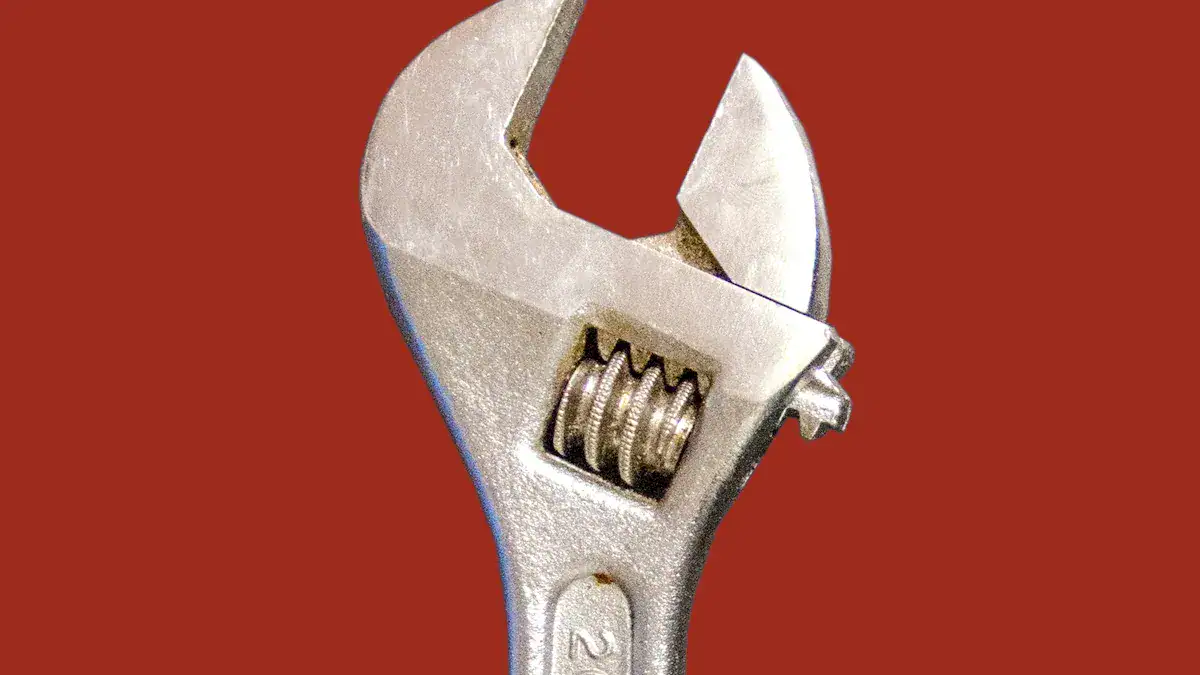
You use an adjustable wrench to tighten or loosen nuts and bolts. This essential hand tool features a movable jaw. This unique jaw lets you change its size. You can use one adjustable wrench for many different fastener sizes. This versatility saves you from needing many fixed-size wrenches. An adjustable wrench is a common tool in any toolbox.
It offers great versatility for various tasks. You will find an adjustable wrench useful for plumbing, automotive work, and general DIY projects. This makes the adjustable wrench a must-have for both beginners and experienced users. It adapts to many situations, making it a truly flexible tool.
Key Components and Function
An adjustable wrench has three main parts. First, you have the fixed jaw. This part stays still. It forms one side of the gripping surface. Second, there is the movable jaw. You slide this jaw along the body of the wrench. Third, you find the knurled screw, also called a worm gear. This screw helps you move the movable jaw. You turn the knurled screw with your thumb. This action opens or closes the jaws. You adjust the jaws to fit the nut or bolt you are working on. Make sure the jaws fit snugly around the fastener. This prevents slipping and potential damage to the fastener or your hand. A tight fit helps you apply force safely and effectively. The handle gives you leverage. You hold the adjustable wrench firmly. This simple yet effective design makes the adjustable wrench a very versatile tool. You can rely on your adjustable wrench for many jobs. Understanding these parts helps you use your adjustable wrench correctly. Always check the fit of your adjustable wrench before applying torque. Proper adjustment ensures efficiency and safety.
Exploring Different Adjustable Wrench Types
You know the basic adjustable wrench. Now, let’s look at different types of adjustable wrench. Each one has a special job. Understanding these adjustable wrench types helps you pick the right tool.
Crescent Wrench
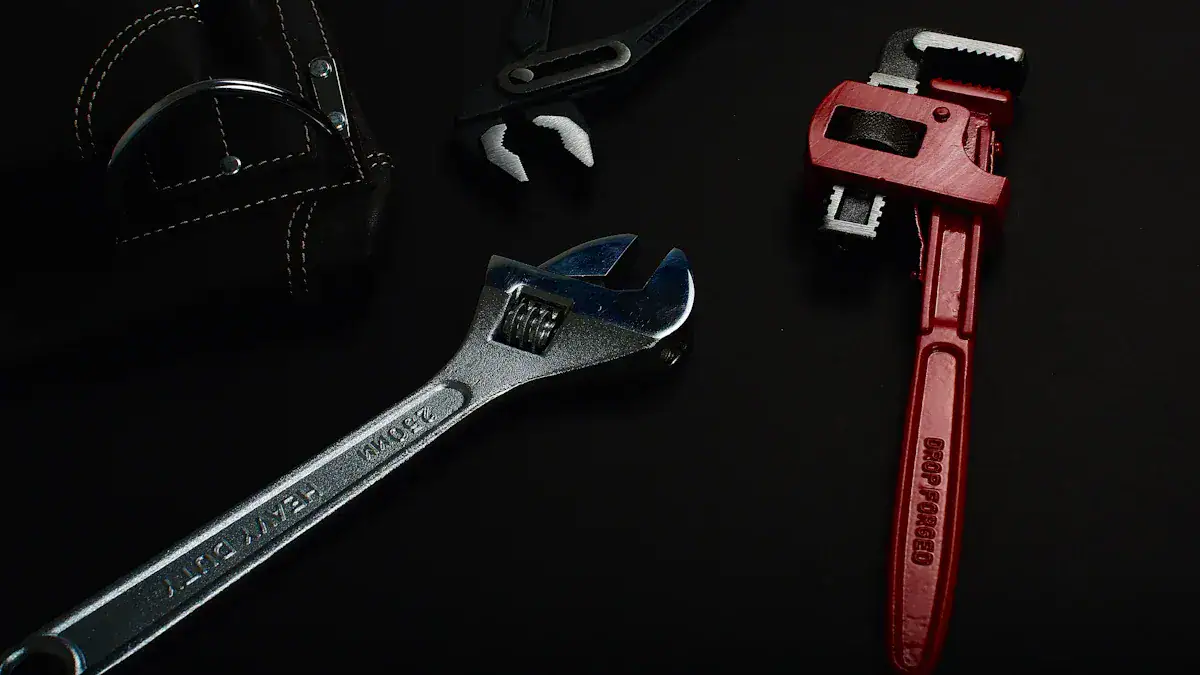
The crescent wrench is a very common type of adjustable wrench. Many people call it an adjustable spanner. You might also hear it called an adjustable crescent wrench. This adjustable wrench has smooth jaws. You use it for general tasks around your home or workshop. It works well on hexagonal nuts and bolts. You can quickly adjust its jaw to fit many sizes. This makes it a versatile tool for many DIY projects.
Pipe Wrench
A pipe wrench is a heavy-duty adjustable wrench. It looks different from a crescent wrench. This pipe wrench has serrated, or toothed, jaws. These teeth bite into round objects. You use a pipe wrench to grip and turn pipes or pipe fittings. This tool is essential in construction and plumbing. You will find it ideal for larger objects like drains or pipes.
A pipe wrench provides significant leverage. This helps you tighten or loosen pipe fittings. Plumbers, electricians, and HVAC technicians use pipe wrenches often. They use them for tasks like tightening or loosening threaded pipe connections. The design of a pipe wrench features a long, adjustable jaw with teeth. This perfectly clamps onto pipes. It gives you a reliable grip for adjusting pipe-like parts or fittings.
Monkey Wrench
The monkey wrench is an older type of adjustable wrench. It has a distinct look. You will notice its thick, smooth jaws and a long handle. The monkey wrench evolved from 18th-century English coach wrenches.
These early wrenches were adjustable for different-sized nuts on wagon wheels. You adjusted them by sliding a wedge or twisting the handle. In 1840, Loring Coes patented a new design. His design used a screw to adjust the width. This design became known as the ‘monkey wrench’ in the United States. The name likely came from the wrench’s jaws looking like a monkey’s face. This tool is less common today. However, you might still see it for heavy-duty tasks where its strong grip is useful.
Hook Spanner Wrench
A hook spanner wrench has a unique C-shaped or hook-shaped jaw. This adjustable wrench does not look like other types of adjustable wrench. You use it for specific fasteners. These fasteners often have notches or holes around their edge. You will use a hook spanner wrench for round nuts and bearing nuts. It also works well for different diameter fasteners, collars, bearings, and other machine tool components. You can use it for slotted spanner nuts and leveling sets. This tool helps you tighten or loosen these specialized parts without damaging them.
Basin Wrench
A basin wrench is a specialized adjustable wrench. You use it for plumbing tasks in tight spaces. Think about working under a sink. This tool has a long shaft and a pivoting jaw at the end.
The jaw can rotate up to 90 degrees. This helps you reach nuts that hold faucets or sinks in place. It has an easy-to-adjust telescoping handle. This handle can extend from 10 to 17 inches long. This gives you variable reach. The pivoting jaws improve access in tight areas. Some basin wrenches have a screwdriver-ready through-hole handle. This gives you maximum leverage. Others have a ratchet-ready handle. This increases speed and torque in confined situations.
Torque Wrench
A torque wrench is a precision tool. It is different from other adjustable wrench types. You use it to apply a specific amount of force, called torque, to fasteners. This tool has a built-in scale or mechanism. It signals when you reach the desired torque. You might hear a distinct ‘click’ or see a visual cue.
This ensures consistent and accurate tightness. It prevents you from over-tightening or under-tightening. Both can damage parts. You set the desired torque value on the wrench. When you tighten, a click tells you the torque is reached. This prevents stripped threads or loose bolts.
Feature | Torque Wrench | Ratchet Wrench |
|---|---|---|
Torque Accuracy | High, ±4–6% | None, user-dependent |
Mechanism | Clicks, beeps, or locks when target torque is reached; precision torque setting in ft-lb or Nm | Handle with gear-and-pawl system for continuous turning in one direction |
Purpose | Applies specific, calibrated torque to fasteners to prevent over/under-tightening and ensure structural safety | General fastening, does not measure or control torque |
Crowfoot Wrench
A crowfoot wrench is a unique tool. It looks like the foot of a crow. This wrench does not have a handle. You attach it to a ratchet, extension bar, or torque wrench. You use crowfoot wrenches for fasteners in tight or obstructed spaces. Traditional wrenches or sockets cannot fit in these areas.
Their open-end or box-end design allows this. This makes them useful in automotive repair, plumbing, and mechanical work. They are perfect for reaching difficult-to-access fasteners. You often use them with a torque wrench. This helps you tighten bolts in cramped spaces where a standard socket will not work.
Specialized Adjustable Wrench Designs
You have learned about common adjustable wrench types. Now, let’s explore some specialized designs. These tools offer unique features for specific tasks.
Self-Adjusting Wrench
A self-adjusting wrench automatically changes its jaw size. You simply place it on a fastener. The jaws then grip tightly without manual adjustment. This type of adjustable wrench saves you time. It is very convenient for quick jobs. You will find this adjustable wrench useful when you need fast changes between different fastener sizes.
Ratcheting Adjustable Wrench
A ratcheting adjustable wrench combines the versatility of an adjustable wrench with the speed of a ratchet. This design allows for faster work with less effort. You do not need to remove and reposition the wrench after each turn. The continuous turning action streamlines the fastening process. This adjustable wrench uses an internal pawl and tooth system. This system enables continuous rotation in one direction. It freewheels during the return stroke. This design allows you to operate it with minimal handle swing. This makes it very effective in tight or restricted areas. You can work with small angular movements, typically 5-15 degrees. This helps you in severely restricted spaces.
Wide Jaw Wrench
A wide jaw wrench offers a greater capacity than standard adjustable wrenches. This means one wide jaw adjustable wrench can handle larger fastener sizes. It effectively replaces the next larger size of a traditional adjustable wrench. You use these wrenches for greater capacity in tight work spaces. Their minimally protruding jaw shank allows the jaw to open wider. This helps you work in confined areas.
Insulated Wrench
An insulated wrench protects you from electrical shock. You use this specialized adjustable wrench when working with live electrical systems. These tools must meet strict safety standards. For example, in the USA, they comply with ASTM F1505. In the UK and EU, they follow BS EN 60900.
Country | Tool Standard |
|---|---|
USA | ASTM F1505 |
UK | BS EN 60900 |
EU | EN 60900 |
VDE certification is a critical standard for insulated tools. This certification ensures compliance with international safety standards like IEC 60900. VDE-certified tools undergo rigorous testing. This includes high-voltage testing and mechanical strength tests. They provide an essential layer of protection against electric shock. You should always look for certification marks like IEC or ASTM. This ensures compliance with local safety standards.
Key Features of a Quality Adjustable Wrench
You want a reliable adjustable wrench. Look for specific features. These features ensure your tool performs well. They also make your work easier and safer.
Jaw Design and Capacity
A quality adjustable wrench has strong jaw design. Its jaws fit snugly around fasteners. This minimizes wear on nuts and bolts. It also improves safety. You avoid slipping. A good adjustable wrench offers a wide jaw capacity. This means one tool handles many fastener sizes.
Material and Durability
The material of your adjustable wrench matters greatly. High-quality tools use durable materials. Alloy steel offers durability and resists corrosion. It withstands wear well. Chrome vanadium steel provides anti-rust properties. It is non-corrosive. Tempered forged alloy steel gives enhanced strength. Heat-treated steel ensures overall durability. A black oxide finish protects against scratches. Chrome-plated or nickel-plated coatings provide rust resistance. A chrome finish makes your adjustable wrench rust and corrosion-resistant.
Ergonomics and Handle
A comfortable handle reduces fatigue. A cushion grip significantly improves comfort. It reduces hand fatigue during long use. This also ensures a better grip. A wide handle design enhances comfort. It minimizes fatigue during extended use. An ergonomic handle specifically increases comfort. It reduces user fatigue. A lightweight design allows longer work periods. A chrome handle provides a comfortable grip. It reduces slippage. This enhances control of your adjustable wrench.
Measurement Scales
Clear measurement scales are very helpful. Many adjustable wrench tools feature laser-etched SAE and metric scales. This allows easy fastener size identification. You quickly find the right setting. This precision helps you work efficiently. You set your adjustable wrench accurately every time.
Selecting the Best Adjustable Wrench
You need to choose the right adjustable wrench for your tasks. This ensures efficiency and safety. Consider several factors before you make your purchase.
Jaw Capacity and Sizing
When you choose an adjustable wrench, jaw capacity is very important. You must match the wrench’s size to your fasteners. A good adjustable wrench offers a wide range of jaw openings. This means one tool can handle many different nut and bolt sizes. You should always ensure the jaws fit snugly. This prevents slipping. It also protects your fasteners from damage. For general home improvement tasks, a medium-sized adjustable wrench often works well.
Application-Specific Needs
Your specific tasks determine the best adjustable wrench for you. Consider what you will use it for. Are you doing plumbing work, automotive jobs, or general diy projects? Each area has different demands.
For plumbing work, you need specific features. Look for jaw capacities from 5/8″ to 1-1/2″. This helps you handle various pipe and fitting sizes. You want to avoid marring surfaces. Durability is also key. Features like double-locking screws prevent slippage. Heat-treated teeth maintain grip strength. Premium wrenches made from drop-forged chrome vanadium steel are excellent. They have high hardness ratings (58-62 HRC).
This ensures longevity and resistance to corrosion. While a standard adjustable wrench is versatile, specialized options exist. Spud wrenches, for example, have a tapered end. They align plumbing fixtures specifically. Look for good build quality. A seamless jaw-to-handle transition is important. Knurled thumb pads allow single-handed adjustments. Anti-corrosion coatings ensure reliability in demanding plumbing environments.
For automotive jobs, you might need thinner jaws. These fit into tight engine spaces. For general diy projects around your home, a standard adjustable wrench is usually sufficient. It handles most common tasks.
Budget vs. Quality
You must balance your budget with tool quality. A cheaper adjustable wrench might save money initially. However, it may not last long. It could also damage fasteners. A higher-quality adjustable wrench costs more. It offers better durability and performance. It also provides greater precision. Investing in a good adjustable wrench saves you money in the long run. It reduces the need for replacements. It also makes your home improvement and diy projects easier. You get a reliable tool that performs well. This is often the best adjustable wrench choice.
User Comfort and Safety
Your comfort and safety are paramount when using any tool. An ergonomic handle ensures fatigue-free operation. A double-dipped grip enhances durability. It also minimizes the risk of slippage. This is crucial for safety. A lightweight design makes handling effortless. It reduces fatigue during prolonged use. This makes the adjustable wrench easy to maneuver and carry. An ergonomic grip provides a firm hold. It reduces strain on your hands. Comfortable rubber grips enhance practicality for various applications. Enhanced safety features contribute to your overall user safety. When you choose the best adjustable wrench, prioritize these features. They make your work safer and more comfortable.
Effective Use and Maintenance
Proper Grip and Technique
You need to use your adjustable wrench correctly. This ensures safety and efficiency. First, adjust the adjustable wrench jaw. Widen the jaw to fit the fastener. Avoid making it too wide. This prevents a poor grip and slippage. Next, position the adjustable wrench. Place the fixed jaw on one side. Align the movable jaw snugly on the opposite side. Angle the handle comfortably. This helps you apply force. It ensures efficient torque. It also reduces fastener damage. Tighten the grip. Turn the adjustment knob clockwise. This firmly grips the nut or bolt. Ensure no wobbling. A tight grip is crucial for effective force. It prevents slipping. Apply force by holding the handle firmly.
Pull the adjustable wrench towards yourself. This tightens or loosens the fastener. This method offers better control. It minimizes injury risk if the adjustable wrench slips. Periodically recheck the grip. Do this especially during long use or with tight fasteners. Vibrations can loosen the jaw. Readjust as needed to maintain a firm hold. Ensure a snug fit around the fastener.
This prevents slipping and damage. Properly align the adjustable wrench with the fastener. This distributes force evenly. Avoid sudden, jerky movements. These can cause the adjustable wrench to slip. They can also strip the fastener. Reposition yourself for better leverage and control if possible. Do not use the movable jaw for leverage. This can cause the adjustable wrench to slip or break.
Avoiding Common Mistakes
You can avoid common mistakes when using your adjustable wrench. Do not over-tighten fasteners. This can strip threads. It can also damage the tool. Apply just enough force to secure the fastener.
Avoid excessive tightening. Incorrect positioning can cause the adjustable wrench to slip. This can lead to injury. Always position the sliding jaw towards you. Pull the handle in that direction. This puts pressure on the fixed jaw. The fixed jaw is less likely to slip. Do not use your adjustable wrench on fasteners it is not designed for. This can damage both the tool and the fastener.
For example, a pipe wrench is for pipes. You would not use a pipe wrench on a small bolt. Using a pipe wrench on a small bolt can damage it. Always choose the right tool for the job. Avoid using pliers as a substitute for a wrench. Pliers are not designed for turning nuts and bolts. Using them can damage both the fastener and the pliers. A pipe wrench is for pipes. A pipe wrench is not for general nuts.
Cleaning and Storage
Proper cleaning and storage extend your adjustable wrench’s life. First, brush off loose dirt. Use a dry cloth or stiff-bristle brush. Wash with mild soap and warm water. You can also use tool wipes for quick cleaning. Rinse and dry thoroughly. Use a clean cloth or compressed air. Inspect for cracks, bent parts, or any visible damage. Check moving parts for smooth operation.
Lubricant Type | Description | Effectiveness |
|---|---|---|
Baby Oil | A mix of paraffin and palm oil, good for hand tools. | Prevents rust and aids in tool maintenance. |
Tallow | Rendered beef or mutton fat, solid at room temperature, for wiping on blades. | Provides rust protection and smoother cutting. |
Regularly clean your adjustable wrench. Wipe it down after each use. This removes debris. Use a degreaser for greasy parts. Thoroughly clean the adjustable jaw. This prevents build-up. Apply a few drops of machine oil to moving parts. Do this especially for the screw mechanism and jaws. Work the oil in by opening and closing the jaws. Then wipe away excess oil. Keep the adjustable wrench in a dry environment. Consider using a moisture-displacing spray in humid climates. Address any rust immediately. Use a rust remover or light abrasive. This also applies to a pipe wrench. A pipe wrench needs similar care.
When to Replace
You should replace your adjustable wrench when it shows significant wear. Look for bent jaws or a stripped adjustment mechanism. If the jaws no longer grip fasteners tightly, replace it. A damaged adjustable wrench can slip. This can cause injury or damage to fasteners. This also applies to a pipe wrench. If your pipe wrench jaws are dull or bent, replace the pipe wrench. A worn pipe wrench cannot grip pipes safely.
You have explored many adjustable wrench types. These diverse adjustable wrench types each serve a unique purpose for home improvement. No single tool works for every job. Understanding the different types of adjustable wrench is crucial. It helps you pick the right tool for efficiency and safety in your home improvement tasks.
Apply this knowledge to your diy projects. Build a versatile toolkit for home improvement. A well-chosen adjustable wrench is valuable for all your home improvement and diy projects. Knowing the various types of adjustable wrench makes a big difference.