


Maintaining a healthy septic system is vital. You depend on beneficial bacteria for effective septic tank function. These bacteria break down waste. Crucially, anaerobic bacteria perform much of this work in your septic tank. These anaerobic bacteria thrive without oxygen. Not all additives are equal. Some septic tank additives can increase bacteria, specifically anaerobic bacteria. You need the right septic tank additives. These additives support vital septic tank bacteria and their anaerobic bacteria counterparts. This prevents costly issues. It also ensures long-term septic system health. Choose wisely for your septic system.
Key Takeaways
Use enzyme, live bacterial, or oxygen-producing additives to help your septic tank. These additives support good bacteria and break down waste.
Do not use chemical, harsh pH, or solids-reducing additives. These can harm your septic system and kill helpful bacteria.
Always read product labels and follow instructions carefully. This helps you choose the right products and use them correctly.
Check your septic system often for problems. Look for slow drains or wet spots in your yard. Get professional help if you need it.
Effective Septic Tank Additives to Increase Bacteria
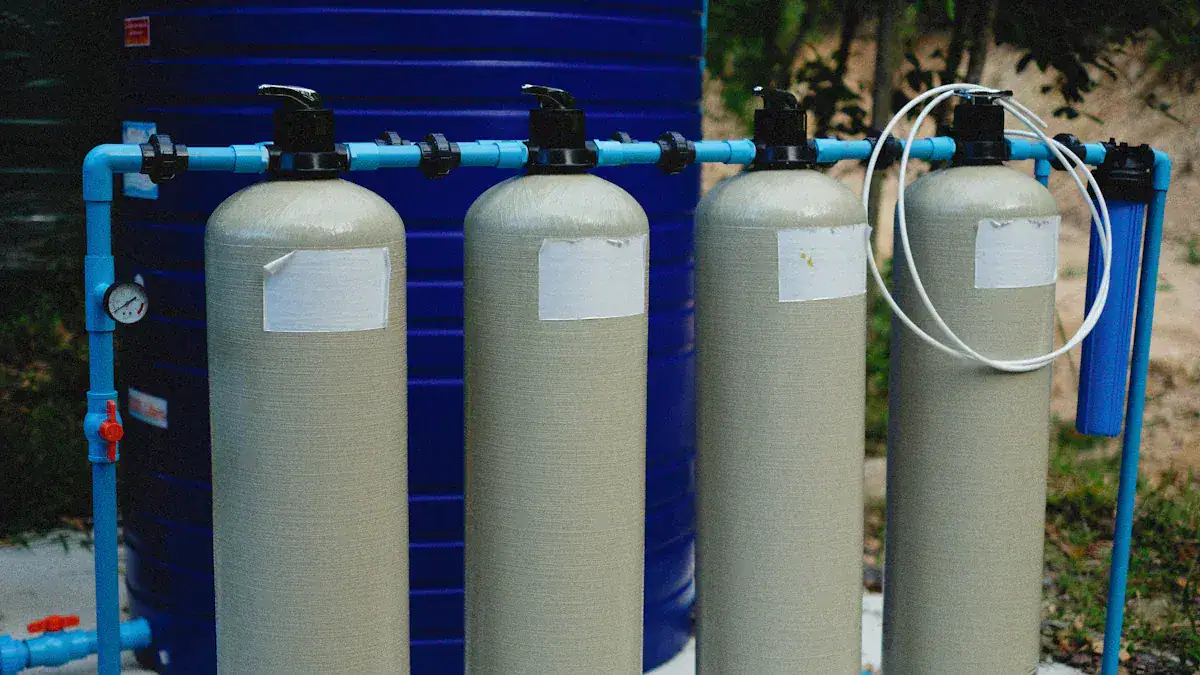
You can choose from several effective septic tank additives to boost your system’s bacterial activity. These additives help break down waste and replenish beneficial bacteria. Harsh chemicals like hand sanitizer, bleach, and Lysol can harm your septic system. These additives counteract that damage. They improve existing bacteria, start new systems, or strengthen current ones.
Natural Enzyme Additives
Natural enzyme-based additives are a great choice. They do not contain live bacteria. Instead, these septic tank additives use enzymes. Enzymes are proteins. They act as catalysts. They speed up chemical reactions. These enzymes break down complex organic waste into simpler forms. This makes the waste easier for your septic tank bacteria to digest.
For example, specific enzymes target different types of waste.
Protease degrades protein-based waste, like fecal matter.
Lipase breaks down fats, oils, and grease.
Amylase targets starch-based waste.
Cellulase liquefies fibers, such as toilet paper.
Urease helps degrade urea.
Xylanase contributes to the breakdown of various wastes.
Certain bacteria also produce these enzymes. Bacillus subtilis breaks down proteins and starches. Bacillus licheniformis digests fats and grease. Saccharomyces cerevisiae processes sugars and carbohydrates. These eco-friendly septic additives promote natural waste decomposition. They help your septic system function better.
Live Bacterial Additives
Live bacterial additives introduce new, beneficial bacteria into your septic system. These septic tank additives boost natural bacteria and microbes in both the septic tank and the drain field. They can reactivate sluggish systems. Live bacteria are crucial for effective waste decomposition. They continuously digest and degrade organic materials. These include grease, oil, fats, proteins, and other biodegradable substances. This process minimizes sludge buildup. It extends your septic system’s lifespan.
Anaerobic bacteria are vital for breaking down solid waste in septic tanks. They do not need oxygen. They act as natural recyclers. They convert complex organic materials into simpler substances. This process is called anaerobic digestion. It produces biogas, water, and sludge. This breakdown prevents solids from accumulating. Solids can clog your septic system and cause backups. Septic tank additives with live bacteria enhance the activity of these anaerobic bacteria. This improves waste decomposition and reduces odors.
Biological-based septic tank treatments often include a mix of beneficial bacteria strains. These enhance natural bacterial activity. They ensure efficient waste breakdown. For instance, some products contain non-disease-causing Bacillus and Pseudomonas strains. These bacteria attach to a wheat bran base. Sodium bicarbonate is also often included. It helps break down acids and odors. You use these bacterial additives to increase bacteria in your septic tank. They help maintain a balanced microbial environment.
Oxygen-Producing Additives
Oxygen-producing additives introduce oxygen into your septic tank. Oxygen is crucial for the growth and activity of aerobic bacteria. Aerobic bacteria are responsible for breaking down organic matter. They are very effective at this. Oxygen-releasing compounds, like peroxide-based treatments, increase oxygen levels. This oxygen is vital for aerobic bacteria. Their enhanced activity facilitates the breakdown of solids. It also prevents anaerobic conditions. Anaerobic conditions often cause unpleasant odors in your septic system. Oxygen-producing additives, such as hydrogen peroxide or potassium permanganate, improve the overall efficiency of your septic system. They promote these beneficial bacteria.
Harmful Septic Tank Additives
You must understand that not all additives are good for your septic system. Some additives can cause more harm than good. They kill beneficial bacteria, disrupt your system’s natural balance, or cause sludge buildup. You need to know which additives to avoid.
Chemical-Based Products
You might think strong chemicals will clean your septic tank. However, chemical-based septic tank additives often contain acids, alkalis, or other compounds. These chemicals are designed to break up clogs or sludge. They can be very harmful to your system and the surrounding environment. Specifically, they kill the beneficial bacteria in your septic system. These bacteria are essential for breaking down waste.
The environmental impact of these additives is a big concern. Many chemical additives contain ingredients harmful to soil and groundwater. These substances can leach into the environment. They pose risks to aquatic life and ecosystems. The U.S. Environmental Protection Agency (EPA) warns that some additives can cause pollution and groundwater contamination. Chemical additives can leach into soil and water sources. They harm wildlife and contaminate drinking water. These pollutants disrupt local ecosystems. They impact plant and aquatic life.
The effluent, or liquid waste, can become contaminated with chemical additives. This contaminated liquid flows out of the tank. It then contaminates the drainage area. Highly caustic ingredients, like sulfuric acid, dissolve sludge. However, they can also attack the septic tank structure itself. A 1993 Washington state legislative report concluded that “most additives do not have a positive effect on the operation of on-site systems, and can contaminate groundwater aquifers, render septic drain fields dysfunctional, and result in costly repairs to homeowners.” A 1994 amendment added that “Chemical additives do, and other types may, contribute to septic system failure and groundwater contamination.”
Harsh pH Products
Your septic system relies on a delicate pH balance. This balance is crucial for microbial activity. Harsh pH products disrupt this natural biological process. Household products you send down the drain can cause pH imbalance. If the pH drops too low, methane production can stop. This leads to a ‘souring’ of the septic tank and strong odors.
Conversely, some chemical additives contain calcium. They intend to raise pH. However, they can elevate it too much. This kills beneficial bacteria. This prevents proper digestion of solid waste. It can lead to drain field blockages.
Chemical Additive | Mechanism of Disruption |
|---|---|
Calcium | Can raise pH too high, killing beneficial bacteria and preventing solid waste digestion, leading to drain field blockages. |
Surfactants/Flocculants | Reduce surface tension, allowing FOGs (fats, oils, grease) to flow into the drain field, causing blockages and groundwater contamination. |
General Chemical Additives | Often assume sufficient healthy bacteria, but can worsen problems by killing existing bacteria or not addressing underlying issues. |
Surfactants, found in soaps or degreasers, also cause problems. They allow fats, oils, and grease (FOGs) to mix with water. These FOGs then flow into the drain field. This causes blockages and potential groundwater contamination. The bacteria in your tank cannot break them down properly.
Solids-Reducing Products
Some additives claim to reduce solids. They promise to eliminate the need for pumping. These products often liquefy solids too quickly. This sounds good, but it creates a problem. Your septic tank needs time to separate solids from liquids. When solids liquefy too fast, they do not settle properly. Instead, they flow out of the tank. They enter your drain field. This clogs the drain field. It leads to system failure. You should avoid these types of additives. They disrupt the natural process of your septic system.
Informed Decisions on Additives

You must make informed decisions about additives for your septic system. This ensures optimal septic system health. You need to understand product labels. You also need to know proper application frequency. Monitoring your system’s health is also key for good results.
Professional Consultation
You should always seek expert advice for your septic system. A professional can assess your specific needs. They guide you on the best additives or treatment options. Look for a Certified Onsite Wastewater Professional (COWP). This certification shows they are skilled.
Comprehensive Training Program Completion: They understand design, installation, inspection, and maintenance.
Minimum Experience: They have at least three years of field experience.
Written Examination: They passed a comprehensive exam.
Continuing Education: They keep up with new technologies.
These professionals help ensure your septic system health.
Label Reading
Always read product labels carefully. Not all additives are suitable for your septic system. Prioritize specific information.
Products certified by reputable organizations.
Products containing natural ingredients.
Products with proven effectiveness in independent studies.
Manufacturer’s dosage instructions.
This helps you choose the right septic tank treatment. It ensures you add beneficial bacteria. You make informed choices about additives.
Proper Application
Follow application instructions precisely. The frequency matters. For example, add bio-active additives monthly. This helps counteract disinfectants you use. Proper application ensures the treatment works. It supports the bacteria in your septic tank. This correct treatment is key.
System Monitoring
Monitor your septic system regularly. This helps you catch problems early. Look for signs of a struggling system.
Slow Drains and Backups: Water drains slowly.
Lush, Green Grass over the Septic Field: Grass is too green.
Standing Water or Wet Spots: You see puddles in the yard.
Gurgling Sounds in Pipes: Pipes make noises.
Sewage Backup: Raw sewage comes back up.
These signs mean your septic system needs attention. Inspect your system every three to five years. Some factors need more frequent checks:
Household Size: Larger homes need more checks.
Tank Size: Smaller tanks fill faster.
Water Usage: High use means more strain.
Age of the System: Older systems need more inspections.
An annual inspection is also good. It ensures optimal septic system health. This helps your septic system function well. You maintain healthy bacteria levels. You make smart choices about additives.
You must use the right additives to support a thriving bacterial ecosystem in your septic tank. These additives increase bacteria. Choose beneficial septic tank additives like enzyme, live bacterial, and oxygen-producing types for your septic system. Avoid chemical, harsh pH, and solids-reducing additives. Prioritize natural, biologically-friendly solutions for your septic. Seek professional advice for your septic system. Maintain your septic system proactively. Make informed choices for your septic’s health.
FAQ
What are anaerobic bacteria?
Anaerobic bacteria live without oxygen. They are crucial for your septic tank. These anaerobic bacteria break down solid waste. They perform anaerobic digestion. This process helps your septic system. These anaerobic bacteria prevent sludge buildup.
What do septic tank additives do to increase bacteria?
Septic tank additives can increase bacteria. They introduce beneficial microbes. These microbes help break down waste. They support the existing anaerobic bacteria. This improves your system’s efficiency. They ensure your septic tank works well.
What happens if you kill anaerobic bacteria in your septic tank?
Killing anaerobic bacteria harms your septic system. Waste will not break down properly. Sludge will accumulate faster. This can lead to clogs. Your drain field might fail. You need healthy anaerobic bacteria for a working system.
What is the role of anaerobic bacteria in waste breakdown?
Anaerobic bacteria are key to waste breakdown. They convert complex organic matter. They turn it into simpler substances. This process is anaerobic digestion. It reduces solids in your tank. These anaerobic bacteria keep your system flowing.
What are the benefits of maintaining healthy anaerobic bacteria levels?
Maintaining healthy anaerobic bacteria levels offers many benefits. You prevent costly repairs. Your system lasts longer. Odors reduce significantly. Efficient waste breakdown occurs. These anaerobic bacteria are essential for your septic tank’s health.