

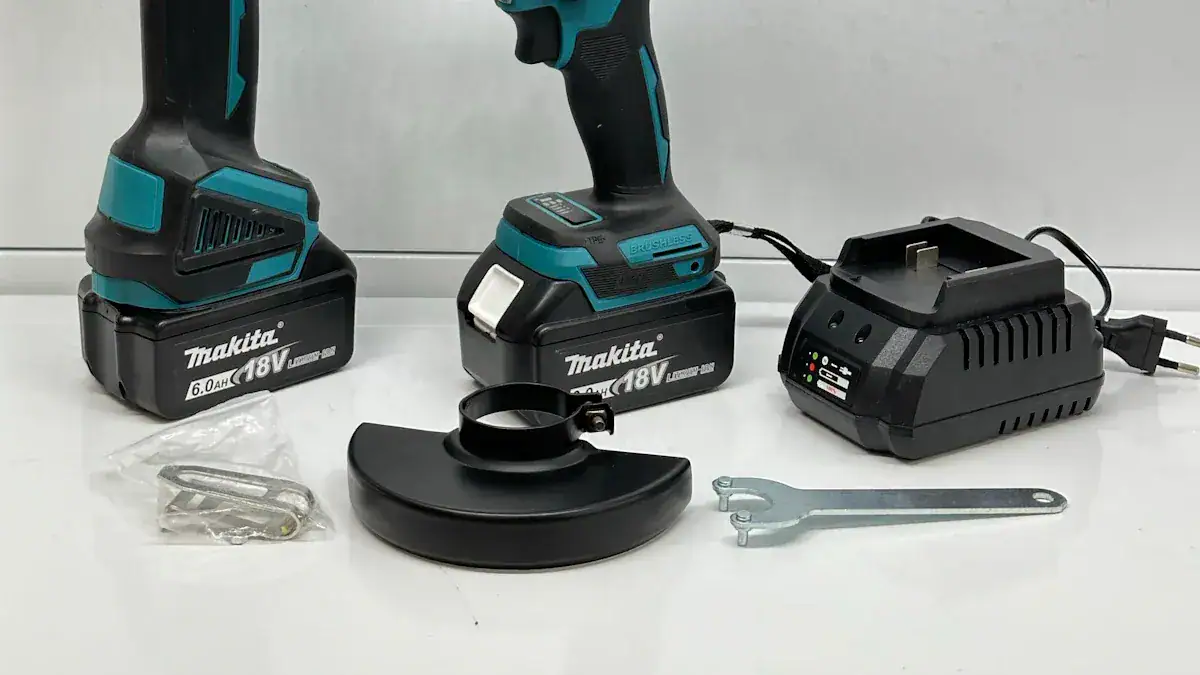
You might consider using a 40v battery in your 20v tool. However, this practice is generally not safe, advisable, or effective. Tools are precisely engineered for specific voltage requirements. Exceeding these limits creates a significant risk. This can cause serious damage to your equipment. You should always use the correct power source for your 20v tool. This post will explain why this mismatch occurs and the proper way to power your tools.
Key Takeaways
Never use a 40v battery in a 20v tool. This can cause serious damage to your tool.
Tools have parts designed for a specific voltage. A higher voltage will make them overheat and break.
Using the wrong battery can void your tool’s warranty. This means you pay for repairs yourself.
Always use the battery that matches your tool’s voltage and brand. This keeps your tool safe and working well.
Why a 40v Battery Won’t Work in a 20v Tool
The Core Voltage Mismatch
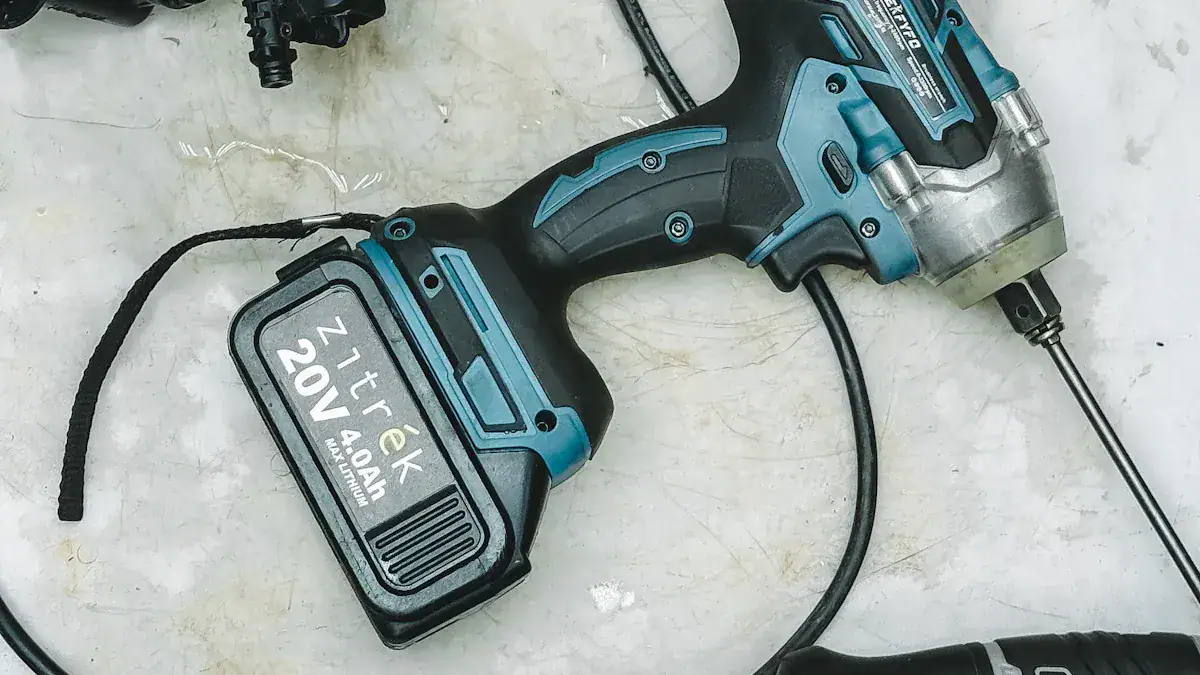
Your power tools operate on a specific voltage. A 20v tool, for example, expects exactly 20 volts. You might think higher voltage batteries, like a 40v battery, offer more power. However, applying a 40v battery to a 20v tool is like trying to put a square peg in a round hole, but with electrical consequences. This creates a significant voltage mismatch. Tools are engineered for precise electrical input. Doubling that input can cause immediate and severe damage.
Consider the internal makeup of these batteries. A standard 20v battery often uses lithium-ion cells configured in a specific way. For instance, a 20V Max (18V nominal) battery pack might have 10 cells arranged as 5 series and 2 parallel strings (5S-2P). This setup gives you 5.0Ah capacity. A 40v battery, on the other hand, achieves its higher voltage by connecting more cells in series. A 40V Max (36V nominal) battery pack with the same 10 cells would likely connect all 10 cells in series (10S). This results in a 2.5Ah capacity. Interestingly, both configurations can store the same total energy, like 90 Watt-hours (18V x 5.0Ah = 90 Wh and 36V x 2.5Ah = 90 Wh). The key difference is how they deliver that energy. The 40v battery delivers it at a much higher voltage.
Tool Component Limitations
Every part inside your 20v tool has a voltage rating. The motor, the switches, and all the internal electronic circuits are designed to handle 20 volts. They cannot safely manage the 40 volts from a 40v battery. If you force a higher voltage through these components, they will quickly overheat. This can lead to insulation failure, where the protective coating around wires melts. Ultimately, the components can fail completely. This kind of electrical overload causes irreversible damage to your tool.
Physical Incompatibility
Manufacturers design their tools with safety in mind. They build battery and tool interfaces to prevent you from inserting the wrong battery type. This physical incompatibility acts as a crucial safety mechanism. You will find that a 40v battery simply will not fit into the battery slot of a 20v tool. The shape, size, and pin configuration are different. This design choice protects both you and your equipment from potential harm. It ensures you use only compatible power sources.
Serious Battery Risks and Tool Damage
Overheating and Component Failure
You might think a higher voltage battery gives your tool more power. However, using a 40v battery in a 20v tool creates a dangerous situation. Your tool’s motor can run far beyond its intended capacity. This causes it to burn out quickly. The internal electronics can fry, and switches can melt. This happens because the excessive voltage leads to insulation failure. The protective coatings around wires break down.
Consider the specific parts inside your 20v tool. The motor is very susceptible to damage. It will draw more current than its design allows. This can lead to immediate burnout. Other sensitive electronic components in the circuitry are also vulnerable. The excessive voltage from a 40v battery will damage them. These overheating issues can quickly destroy your tool.
Battery and Tool Damage
While less common, forcing a connection can also damage the battery itself. The battery’s internal circuitry or cells could suffer harm. This adds to the overall damage. You risk ruining both your tool and the 40v battery. This is a significant financial risk. You are essentially gambling with expensive equipment.
Safety Hazards and Warranties
The most critical concern is your safety. Using the wrong voltage creates serious safety risks. You face dangers like overheating, short circuits, and even fire. These battery risks can cause severe injury to you. Always prioritize battery safety concerns.
Furthermore, any attempt to use an incompatible battery will void your tool’s warranty. Major brands have clear policies on this. For example, Ridgid batteries purchased with tools have a lifetime warranty if you register them online. However, this warranty explicitly excludes failures due to misuse or abuse. Using the wrong voltage definitely falls under misuse. Ryobi batteries typically come with a 3-year warranty. But this warranty also does not cover damage from improper use. You lose all protection if you try to force a 40v battery into a 20v tool. This means you will pay for any repairs or replacements yourself.
Understanding Battery Compatibility and Exceptions
Voltage Converters and Adapters
You might wonder about voltage converters. These devices can theoretically step down voltage. For example, a converter could take 40 volts and reduce it to 20 volts. However, using such converters for power tools is not practical. They add significant cost and bulk to your setup. They also introduce potential for power loss or failure. Power tools demand consistent, high current delivery. A simple converter cannot handle this. It would need complex intervening circuitry to manage the power flow safely and efficiently. This makes them unreliable and inefficient for your power tool needs. You should not rely on them for proper tool power. It is always safer to use the battery designed for your tool.
Brand-Specific Battery Systems
Some manufacturers offer battery platforms that support different voltage tools. This does not mean direct interchangeability. For instance, a brand might have a 40v battery for a specific 40v tool. They would also have a separate 20v battery for a 20v tool within the same brand. These batteries are part of the same family but are not interchangeable. You cannot put a 40V battery into a 20V tool, even if they are from the same brand. This is a crucial distinction for proper tool operation. Manufacturers design these platforms to give you flexibility. You can use different tools with batteries from the same brand family.
DeWalt offers a multi-voltage battery platform. Their FLEXVOLT batteries automatically switch between 20V and 60V. This depends on the tool’s demand. DeWalt’s system includes 12V MAX for light-duty tasks. It has 20V MAX/XR for versatile professional tools. It also features 60V MAX FLEXVOLT for high-demand tools like saws and grinders. This system allows one battery to power multiple tools. It provides backward and forward compatibility within its specific design. However, a DeWalt 40V MAX battery only works with 40V tools. It does not work with 20V or 60V tools. This highlights the importance of understanding specific battery compatibility. Always check your tool’s requirements. Using the correct battery ensures safety and optimal performance.
The Correct Approach: Use the Right Battery
Matching Voltage and Brand
You must always use batteries specifically designed for your tool’s voltage and brand. This is the safest and most effective approach. Your tool’s manual provides clear instructions. It tells you the exact voltage and battery type you need. Always check this information. You need to identify the right battery for your specific tool model. This ensures perfect compatibility. For example, if you own a 20v battery tool, you must use a 20v battery from the same manufacturer. Do not guess or assume. Proper battery compatibility prevents damage and ensures safe operation. When you buy the right voltage tool, you also commit to using its matching battery system.
Benefits of Proper Battery Use
Using the correct battery offers many advantages. It ensures optimal performance, enhances safety, and extends your tool’s life. When you identify the right battery, you unlock these benefits:
Consistent Power: Your tool delivers steady power from start to finish. You will not experience power drops as the battery drains.
No Memory Effect: You can recharge lithium-ion batteries anytime. This means you do not need to fully discharge them first. They will always charge to full capacity.
Longer Shelf Life: Your batteries hold their charge for extended periods. They are ready to use even after months of storage.
Enhanced Safety: Manufacturer-recommended batteries include vital safety features. These systems control heat, prevent overcharging, and guard against short circuits. They significantly reduce accident risks.
Improved Longevity: Quality brand-name batteries last longer. They are designed for durability, giving you more use cycles. This means fewer replacements over time.
Optimal Compatibility: Original manufacturer batteries work seamlessly with your tools and chargers. They use unique circuits for perfect communication. This ensures consistent power output.
Advanced Technology: Many batteries offer fast charging and extended runtime. For instance, some can charge to 80% in just 15 minutes. Others run 2.5 times longer than standard options.
Prevents Tool Damage: Using the correct voltage prevents potential damage to your power tool. It ensures your tool operates within its design limits.
You must avoid using a 40v battery in your 20v tool. This practice is highly discouraged due to significant risks. You risk severe tool damage, serious safety hazards, and voided warranties. Always use batteries that match your 20v tool’s specified voltage and brand. This ensures optimal performance, safety, and longevity. Prioritize your safety and proper tool care to prevent any damage.
FAQ
Can I use an adapter to make a 40v battery work in a 20v tool?
No, you cannot. Voltage converters for power tools are impractical. They add bulk and cost. They also risk power loss or failure. Power tools need consistent, high current. Simple adapters cannot safely provide this. Always use the correct battery.
What happens if I accidentally put a 40v battery in a 20v tool?
Your tool will likely suffer immediate and severe damage. The motor can burn out. Electronics can fry. Switches can melt. This happens because the tool’s components cannot handle the higher voltage. You also risk overheating, short circuits, and fire.
Why do some brands offer both 20v and 40v tools?
Some brands have battery platforms that support different voltage tools. This means they offer separate 20v batteries for 20v tools and 40v batteries for 40v tools. These batteries are not interchangeable. You must use the specific battery designed for each tool.
How do I know which battery to use for my tool?
Always check your tool’s manual. It provides clear instructions. It tells you the exact voltage and battery type you need. Match the battery to your tool’s specified voltage and brand. This ensures safe and optimal performance.