You might wonder how long to wait to flush a clogged toilet. Many people hope a clogged toilet will simply clear itself. This is a common misconception. For most clogs, you must act quickly. Do not wait for the toilet to drain on its own. Immediate action is crucial. This prevents further complications and damage. Nearly 20% of homeowners frequently deal with a clogged toilet. A minor clog can quickly lead to an overflow. Such an event can cost $150 to $500 for minor damage. Larger bathroom water restoration averages $2,500 to $6,000. There are specific, brief exceptions where a short wait can help. But generally, avoid delaying action.
Key Takeaways
Act fast when your toilet clogs. Do not wait for it to clear itself. This prevents bigger problems like water damage.
Waiting to fix a clog can make it worse. It can also cause bad smells and stress your plumbing system.
You can wait a short time for very minor clogs. This is only if the water still drains slowly and the bowl is not full.
Use a plunger or hot water and soap for simple clogs. A toilet auger helps with tough clogs.
Call a plumber if clogs keep happening. Also call a plumber if many drains are blocked. This can mean a main sewer line problem.
Why Not To Wait For A Clogged Toilet
You might think a little time will solve your toilet problem. However, delaying action on a clogged toilet often creates more issues. Understanding the dangers of waiting too long helps you act quickly. Leaving a clogged toilet sit overnight is generally not a good idea.
Risk Of Toilet Overflow And Water Damage
A major concern with a clogged toilet is the risk of a toilet overflow. When you flush a clogged toilet, water has nowhere to go. The bowl fills up. It can quickly spill over the rim. This causes immediate water damage to your bathroom floor. Water can seep into subflooring, walls, and even ceilings below. This leads to costly repairs. You might face issues like warped floorboards or damaged drywall. Mold and mildew can also grow in damp areas. This creates unhealthy conditions.
Worsening The Clog And Its Resolution
Waiting for a clogged toilet to clear itself rarely works. In fact, it often makes the problem worse. The materials causing the clog, like toilet paper or waste, can absorb more water. They expand. This makes the existing clog larger and more solid. A small blockage becomes a stubborn one. This makes it much harder to remove with a plunger. You might need more aggressive methods later. This increases the time and effort required to fix the issue.
Hygiene Issues And Unpleasant Odors
A clogged toilet is not just an inconvenience. It also creates hygiene problems. Stagnant water in the toilet bowl becomes a breeding ground for bacteria. These germs can spread throughout your bathroom. This creates an unsanitary environment. You will also notice unpleasant odors. These smells come from the waste trapped in the toilet and pipes. The longer the clog remains, the stronger and more persistent these odors become. This makes your bathroom an uncomfortable place to be.
Stress On Your Toilet Plumbing System
A persistent clog puts significant stress on your entire plumbing system. Your toilet works harder to push water through a blockage. This can strain pipes and seals. You might notice several signs that your plumbing is under stress.
Strange Noises: You may hear gurgling sounds from the toilet when you are not using it. This can mean air is trapped in the pipes due to a blockage. It could also signal issues with the sewer line or vent pipe.
Persistent Slow Drain: Water drains very slowly after flushing. This suggests a partial blockage. It could also point to vent pipe problems or issues with the main sewer line.
Overflowing Toilets: This is a clear sign of a severe blockage. Water cannot flow past it. It can also mean a backup in the main sewer line.
Unpleasant Odors: Bad smells from the toilet can signal a serious blockage. They can also indicate sewer line issues or sewer gas leaks. Clogged vent pipes or bacterial buildup in the pipes also cause these smells.
Slow Performance: Your toilet takes longer than a few seconds to complete a flush. This indicates a problem. A blockage might prevent proper draining.
Frequent Clogs: Occasional clogs happen. However, recurring blockages suggest a more serious issue deep within your plumbing. Mineral buildup or hardened refuse can reduce pipe diameter. This makes clogs happen more often.
Leaving a clogged toilet sit can lead to these serious plumbing issues. You should address the problem quickly.
When A Short Wait Might Help A Clogged Toilet
You usually need to act fast with a clogged toilet. However, a short wait can sometimes help. This applies only to specific, minor clogs. The water must still move, even if slowly. You should never wait if your toilet is completely blocked.
Minor Clogs From Too Much Toilet Paper
You might have a minor clog from too much toilet paper. This is a common issue. For these minor toilet paper clogs, you can wait. Give it 1-2 hours. This allows the paper to break down naturally. This works best when the water level is normal. The clog is organic waste. Minor toilet paper blockages can naturally clear. You can leave them for several hours. This typically happens within 12 hours. The toilet bowl must not overflow. It must hold water above the clog.
Observing Slow Water Drainage
You might notice slow water drainage. The toilet water goes down, but very slowly. It does not completely stop. This is another time a short wait might help. Give it 10-15 minutes. The water might continue to drain. The clog might dissolve on its own. This is not a guarantee. But it can work for minor issues. If water appears to be draining, a clog might dissolve after approximately 30 minutes.
The Role Of Water Level In Waiting
The water level in your toilet bowl is important. If the water level is normal or slowly dropping, you can wait. This indicates a minor clog. You do not want the toilet to overflow. If the bowl is full to the brim, do not wait. Do not try flushing again. This will cause an overflow. A completely clogged toilet needs immediate action. Do not let a clogged toilet sit if the water is high.
How To Handle A Clogged Toilet: First Steps
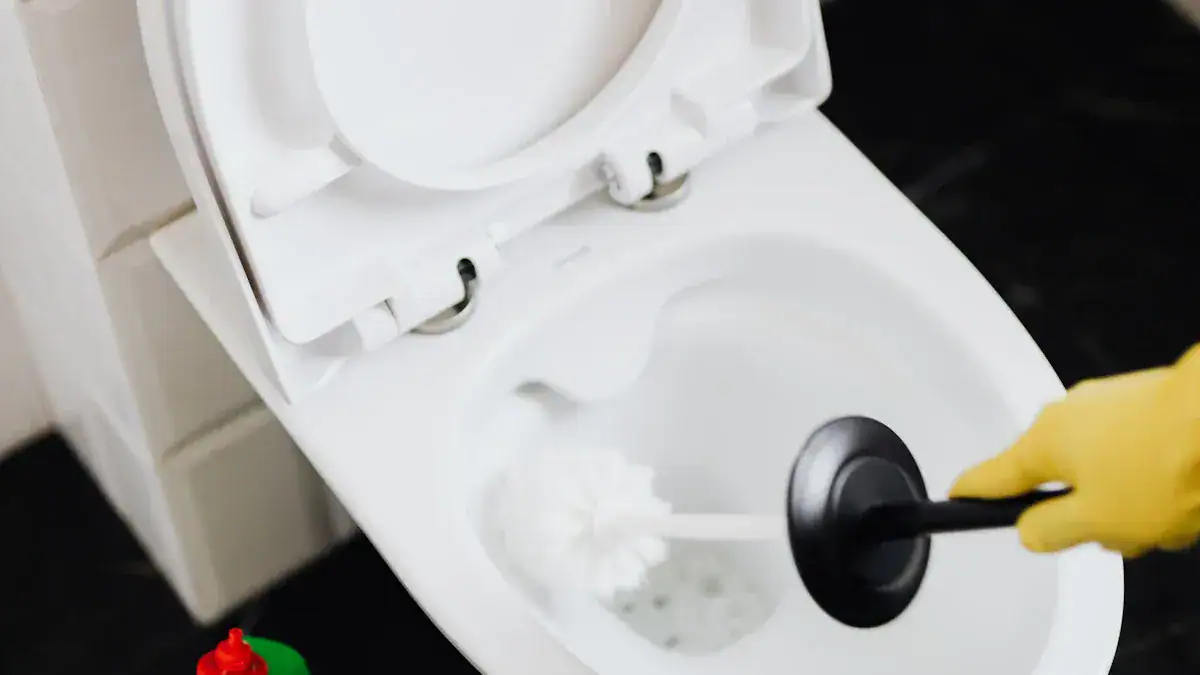
You need to act quickly when you have a clogged toilet. Do not repeatedly flush a clogged toilet. This can cause an overflow. Instead, follow these steps to resolve the issue. This section will show you how to handle a clogged toilet effectively.
Effective Plunging Techniques For Your Toilet
Plunging is often the first and best way to clear a clogged toilet. You need the right tool. For toilet clogs, a flange-style plunger is the most effective tool. Its design includes a protruding ‘funnel’ that fits into the toilet’s drainage hole. This creates a tight seal. This specialized seal is crucial for effectively clearing blockages in the irregularly shaped opening of a toilet bowl. Cup-style plungers work better for flat surfaces like sinks.
Here is how you plunge:
Create a Seal: Place the plunger over the drain hole. Make sure it forms a tight seal.
Push and Pull: Push down firmly, then pull up sharply. Do this several times. You are creating pressure to dislodge the clog.
Check Progress: Remove the plunger. See if the water drains. If it does not, repeat the process.
If plunging does not clear the blockage within 10 to 15 minutes, you might have a deeper clog.
Using Soap And Hot Water For Clogs
Sometimes, a simple solution can help. This method works well for minor clogs.
Add Soap: Pour about half a cup of dish soap into the toilet bowl. The soap helps lubricate the clog.
Add Hot Water: Follow with a gallon of hot, but not boiling, water. Boiling water can crack your toilet bowl.
Wait: Let the mixture sit for 10-15 minutes. This allows the soap and hot water to break down the obstruction.
Flush (Carefully): If the water level has gone down, try a careful flush. If it still looks clogged, you might need another method.
When To Use A Toilet Auger
A toilet auger, also called a closet auger, is a tool for stubborn clogs. You use it when a plunger or soap and water do not work. This tool has a long, flexible cable. It can reach deeper into the toilet’s trap.
Here is how you use a toilet auger:
Insert the Auger: Place the auger’s end into the toilet drain.
Crank the Handle: Turn the handle. This pushes the cable through the toilet’s S-trap.
Break Up the Clog: When you feel resistance, you have hit the clog. Push and twist the auger to break up the blockage.
Remove and Flush: Pull the auger out. Then, flush the toilet to clear any remaining debris.
Using an auger can help clear a persistent clogged toilet.
When To Call A Professional For A Clogged Drain
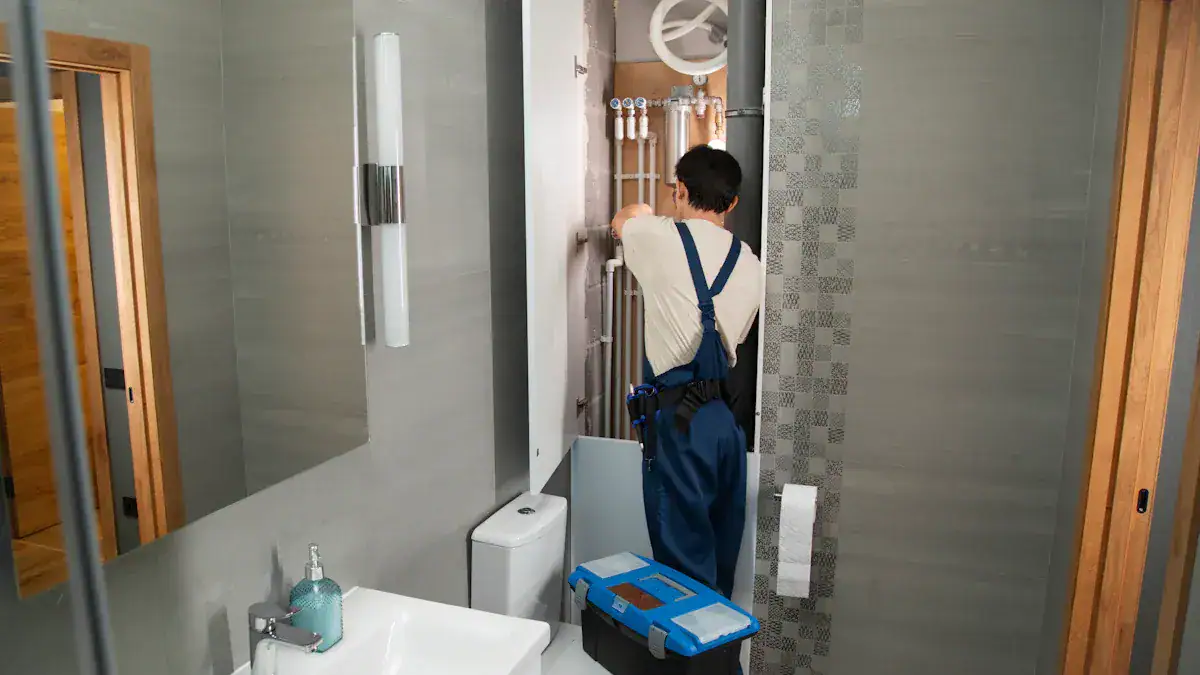
You should address toilet clogs within the first 24 hours. This prevents the problem from getting worse. Sometimes, your home attempts are not enough. You need to know when to call a professional. This is the importance of professional help.
Persistent Clogs After Home Attempts
You tried plunging and other methods, but the fixture remains clogged. This means you have a persistent clog. Several issues can cause this. The toilet trap might be blocked. This is the S- or P-shaped pipe section. Plumbing ventilation pipes can also be obstructed by leaves or debris. This reduces flushing power. Low-flow models sometimes lack enough power to clear waste. Foreign items like flushable wipes or paper towels do not break down. They create stubborn clogs. When your efforts fail, it is time for a plumber. Professional toilet repairs average about $271. Costs can range from $150 to $391. A simple clog might cost $150-$200. More advanced techniques like camera inspection or hydro jetting can cost $250-$500.
Multiple Fixtures Backing Up
A single clogged fixture is one thing. But if other plumbing fixtures also have problems, you have a bigger issue. You might hear gurgling noises from your drains. Your washing machine or dishwasher might make weird noises when draining. You could notice horrible odors from drains throughout your house. These signs suggest a main plumbing line problem. You might see simultaneous slow drains across multiple fixtures. Water could stand in your shower or flood a sink after doing dishes. These are clear signals that you need a plumber.
Signs Of A Main Sewer Line Issue
A main sewer line issue is serious. Sewage odors permeating your home indicate a backed-up sewer line. Gurgling or noisy pipes signal difficulty with water flow. Water backing up into your home, especially in the basement, means a collapsed pipe or blockage. Tree roots can grow into pipe joints. This damages the plumbing. Flushable wipes, grease, and fats also cause main sewer line blockages. These items do not break down. They create significant clogs. An experienced plumber can diagnose and fix these complex issues.
Preventing Future Toilet Clogs
You can take steps to avoid future clogs. Only flush toilet paper. Avoid wipes, tissues, or hygiene products. Hold the flush lever until the bowl clears. Check for slow-draining water or weak flushes. Use enzyme-based cleaners monthly. These break down organic matter without harming pipes. Avoid bleach tablets in the tank. They can damage rubber parts. If you have an older home or a septic system, consider professional plumbing inspections. Regular septic tank pumping (every one to three years) is also important.
You now know how long to wait to flush a clogged toilet. Prompt action is crucial for a clogged toilet. Only wait briefly for very minor clogs. Delaying resolution risks water damage and worse plumbing issues for your toilet. Immediate intervention protects your home’s plumbing system. It prevents further damage to your plumbing. Be proactive in fixing any clog and preventing future ones. This includes smart flushing habits. Maintain a healthy plumbing system for your home.
FAQ
What is the first thing to do when your toilet clogs?
First, stop flushing. Do not flush again. This prevents an overflow. Then, assess the water level. If the water is high, do not add more. Grab your plunger next.
What kind of plunger works best for toilets?
Use a flange-style plunger. This plunger has a rubber flap that extends from the cup. It creates a tight seal around the toilet’s drain hole. This seal helps you create strong pressure to clear clogs effectively.
What should you avoid flushing down the toilet?
Never flush anything other than human waste and toilet paper. Avoid “flushable” wipes, paper towels, cotton balls, dental floss, and feminine hygiene products. These items do not break down easily. They cause stubborn clogs.
What does it mean if multiple drains are clogged?
Multiple clogged drains, like your toilet and sink, often signal a main sewer line issue. This is a serious problem. Tree roots or large blockages can affect your entire plumbing system. You should call a professional plumber immediately.