

Ruined silk means permanent damage to its delicate fibers. This leads to irreversible changes in the texture, appearance, or structural integrity of your silk garment. You cannot restore these changes through cleaning or repair. This guide helps you identify these signs. You will understand how to tell if your silk is ruined and what causes such damage to your beautiful silk clothes. Recognizing these issues protects your investment in quality silk.
Key Takeaways
Look for visual signs of ruined silk. These include fading, permanent stains, thin spots, holes, snags, tears, or a dull look. These changes mean your silk is damaged.
Feel your silk for signs of damage. Ruined silk may feel rough, stiff, brittle, or sticky. It can also lose its soft feel and graceful drape.
Many things can ruin silk. Improper washing, harsh chemicals, too much sun, high heat, and rough handling all cause damage. Avoid these to protect your silk.
You can often repurpose silk with minor damage. Use good parts for crafts. Discard silk with large tears, bad discoloration, or a rotten feel. This silk is beyond repair.
Care for your silk to keep it nice. Handwash with cool water and gentle soap. Air dry away from direct sun. Store silk in a cool, dark place. Avoid harsh chemicals and heat.
Visual Signs of Ruined Silk
You need to know how to tell if your silk is ruined. Visual signs often appear first. You can spot these changes in your silk clothes. They show permanent damage to the fabric.
Fading and Discoloration
You might notice your favorite silk scarf looks duller than before. Its vibrant color seems muted. This is fading, a clear sign of damage. Discoloration means the color has changed unevenly. Light exposure, especially UV radiation, causes these issues. It changes the chemical makeup of the silk. The peptide structure can break down.
This leads to a less ordered structure and discoloration. Oxidation processes also cause fading. Oxygen, hydroxyl, and hydroperoxyl free radicals, or ozone, drive these processes. Molecular oxygen attacks excited dyes, causing them to fade. Ozone reacts with dye molecules, further degrading the color. A significant decrease in brightness, often with yellowing, indicates degradation in undyed silk. UV irradiation, high temperatures, and extreme pH solutions cause this.
Permanent Stains and Marks
Sometimes, a stain simply will not leave your silk garment. You have tried gentle cleaning, but the mark remains. These are permanent stains. They embed themselves deep within the fibers. You cannot remove them without damaging the silk further. These marks ruin the appearance of your silk clothes.
Fabric Thinning and Holes
You might see areas where your silk fabric looks thinner. It might even have small holes. This indicates structural damage. A “pitted look” or “bumps in the weave” can also appear. Silk degradation links to its β-sheet structure. When this structure reduces, the silk becomes less compact. This allows enzymes to access and break down the material more easily. Proteolytic enzymes cause faster hydrolysis. For example, regenerated silk materials lost about 10% of their weight with α-chymotrypsin after nine weeks. Protease XIV caused about 44% weight loss in the same period. Complete loss of samples could happen in about five months. This shows how quickly silk can thin and develop holes.
Snags, Tears, and Fraying
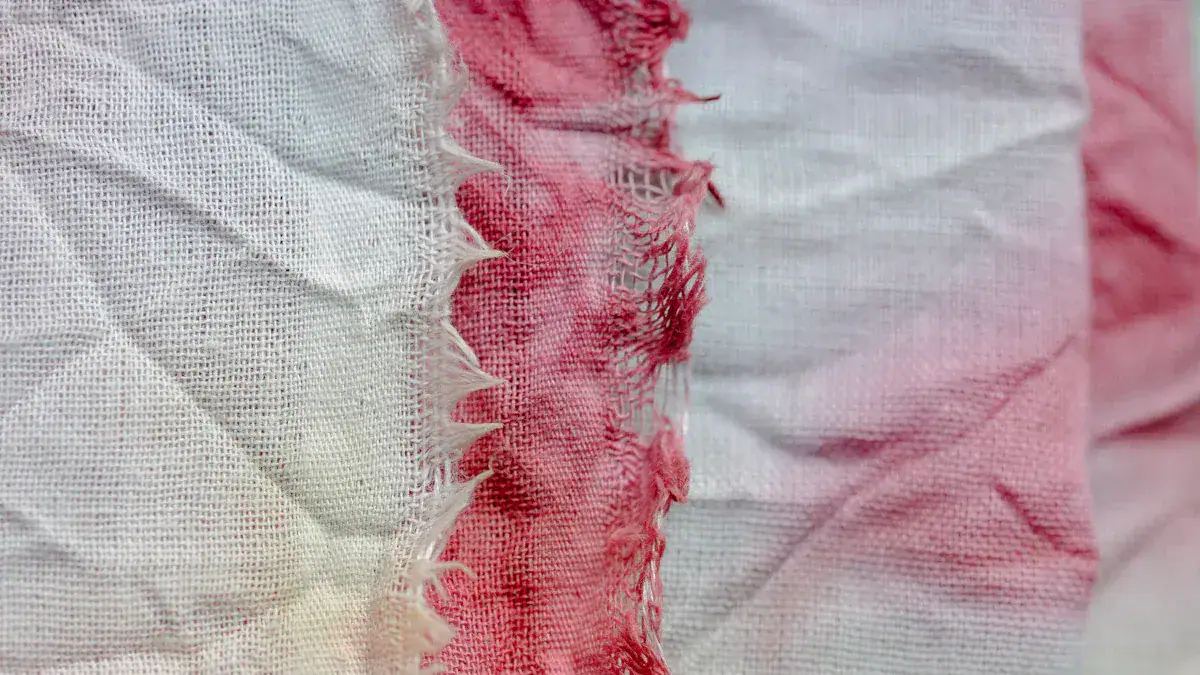
You might notice loose threads or pulled loops on your silk. These are snags. Snags are almost inevitable in silk. They happen when your silk brushes against objects with rough edges. Jewelry can also catch on the fabric. Any sharp points or objects can cause snags. Once a snag forms, it can quickly become a tear.
This happens if you pull or stretch the fabric. Mechanical strain during knitting can also cause snagging in continuous filament yarns. Fraying occurs when the edges of your silk garment unravel. This happens when the fibers break and separate. These issues weaken the silk and ruin the appearance of your silk clothes.
Loss of Shine: Can It Be Restored?
Your silk once had a beautiful, natural luster. Now, it looks dull. It might even have a “white film.” This loss of shine is a common sign of damage. Many factors cause this. Hot dryers are a major enemy of silk. They destroy its natural luster. Direct sunlight and UV rays fade colors and weaken fibers. This leads to a dull appearance.
Acidic skincare products, like vitamin C serums, cause discoloration or bleaching. Alcohol-based hair products dry out and damage silk fibers. Bleach permanently damages silk, causing luster loss. Alkaline products, such as facial soaps or detergents, cause color loss. Improper washing or harsh detergents strip the fabric of its natural oils. This leads to dullness and weakens the fibers. Rough handling also makes silk lose its luster. You cannot restore shine once these damages occur. This means your silk garment is ruined. This is how to tell if your silk is ruined.
Tactile Indicators of Ruin
You need to know how to tell if your silk is ruined by touch. The way your silk feels can tell you a lot about its condition. These tactile changes often mean permanent damage.
Rough or Stiff Texture
You expect your silk to feel smooth and luxurious. If your silk feels rough or stiff, it has suffered damage. You might notice areas that feel permanently crushed. These areas do not regain their original texture. The yarns themselves can appear distressed or fluffed. They lose their smooth, shiny quality. This change in texture means the silk fibers are no longer intact.
Brittleness and Crinkling
When you touch damaged silk, it might feel brittle. It can even crinkle easily. This is a clear sign of ruin. High heat makes silk brittle. Rough treatment also damages silk, leading to brittleness. Ironing with too much heat or pressing too hard can scorch the fabric. This makes it brittle. Silk’s lightweight and fine texture makes it prone to creasing. This happens especially when exposed to body heat or environmental factors like humidity. You might also see tight creases or “scars.” These form from ringing out the silk while it is wet. These marks are permanent.
Loss of Softness and Drape
One of silk’s most cherished qualities is its incredible softness and elegant drape. If your silk garment loses this, it is a significant indicator of damage. Aggressive agitation and hot water cycles during machine washing can damage raw silk. This contributes to the loss of its characteristic softness and drape. Excessive heat weakens silk fibrils. This leads to a loss of surface smoothness. It also causes fibril fracturing. These compromised fibers then result in pilling. You will feel an abrasive texture upon reuse due to increased inter-fiber friction. This degradation directly impacts the characteristic softness and drape of your silk clothes. Your silk will no longer flow gracefully.
Sticky or Gummy Feel
Sometimes, silk can develop a sticky or gummy feel. This is an unusual and unpleasant texture. It often results from chemical exposure or improper cleaning. Residues from detergents or other substances can cling to the fibers. This changes the natural feel of the silk. Once your silk garment feels sticky, it is likely beyond repair. This texture indicates severe damage to the fiber structure.
Causes of Silk Damage
You now know how to tell if your silk is ruined. Understanding the causes helps you prevent damage. Many common actions or conditions can ruin your beautiful silk clothes.
Improper Washing and Drying
You might damage your silk garment during washing or drying. Using hot water causes silk to shrink. It loses its natural shine. The fibers weaken and become stiff. Regular detergents contain harsh chemicals. These chemicals break down silk’s protein fibers. This leads to fraying or disintegration. Fabric softeners block silk fibers. They reduce luster and cause stiffness. Overusing silk detergent leaves residue. This makes your silk dull and stiff. Machine washing without a delicates bag causes friction.
This leads to tangles, snags, and permanent creases. Skipping the rinse cycle leaves detergent residue. This makes your silk sticky and dull. Drying under direct sunlight degrades silk proteins. Your silk becomes fragile and faded. Storing silk without proper drying causes mildew and stains.
Harsh Chemicals and Bleach
Certain chemicals are very bad for silk. Enzymes, especially protease, break down silk’s protein structure. This weakens your silk. It loses strength, elasticity, and color. Alkaline compounds like sodium carbonate also harm silk. They make your silk hard and brittle. Optical brighteners change silk’s natural look. Chlorine bleach causes immediate and irreversible damage. It breaks down silk’s molecular structure. Phosphates and sulfates are too aggressive for silk. Chlorine-based bleaching is especially harmful. It weakens silk and creates toxic byproducts.
Prolonged Sun Exposure
Leaving your silk in the sun for too long causes damage. UV rays from the sun degrade silk proteins. This makes your silk fragile. It also causes fading and discoloration. You will see streaks and uneven fading on your silk garment.
High Heat Application
Applying high heat to silk causes irreversible damage. Silkworm fibroin, a silk protein, changes permanently when heated. It forms stable structures that do not dissolve in water. This reaction happens faster with higher heat. High heat makes your silk brittle. It can also scorch the fabric. This permanently damages your silk.
Abrasion and Friction
Rough handling and friction can ruin your silk. When silk is wet, mechanical actions like washing can cause damage. This leads to abraded areas. Your silk gets a blanched look. This happens because the filaments split. Poor storage and sun exposure can cause silk shattering. This damage is often irreversible. It makes your silk clothes irreparable, especially at stress points. Once shattering starts, you cannot stop it. The fabric’s integrity cannot be restored.
What to Do with Ruined Silk
You now understand how to identify ruined silk. You might wonder what to do next. This section guides you through assessing the damage. It also offers options for your damaged silk.
Assessing Salvageability
First, you need to determine if your silk item is truly beyond repair. Some minor issues, like a small snag, you might fix. You can gently pull a snag back into place with a needle. However, many types of damage are permanent. You cannot reverse them. Consider the extent of the damage. Think about the item’s original value. Decide if any repair efforts are worthwhile.
Repurposing Damaged Items
Even if you cannot wear your silk garment, you might still use it. You can repurpose silk with minor damage. Cut out the undamaged sections. Use these pieces for small craft projects. You can make sachets, eye masks, or decorative accents. Small silk scraps are useful for patching other items. You can also use them for creative collages. This gives your beloved silk a new life.
When to Discard Silk
You must know when to let go of a silk item. Some damage makes your silk unusable. If your silk garment has large tears, you cannot repair it. Irreversible discoloration also means the silk is ruined. Permanent fabric stiffness makes the silk uncomfortable and unwearable. You should discard silk that shows these signs. Silk can also rot. You identify this by gently stretching the garment. If it falls apart, it indicates rotting. This silk is beyond saving. You cannot restore its integrity. Discarding such items is the best option.
Caring for Silk Clothes: Preventing Damage
You can keep your silk beautiful for a long time. Proper care prevents damage. You maintain the fabric’s integrity and appearance. This section gives you actionable advice.
Gentle Washing for Silk Longevity
Handwashing is the safest method for your silk. Avoid machine washing. It prevents fraying, stretching, and loss of shine. Always use lukewarm water, between 85–100°F. Cold water does not remove body oils well. Hot water causes shrinkage and fiber degradation. Fill a basin with water and a delicate detergent. Submerge the silk garment completely. Gently swish the garment for two minutes. Let it soak for three to five minutes. Rinse thoroughly with clear, cool water. Do not wring the silk. Wet silk is weaker. Gently squeeze out excess water. For a natural fabric softener, you can add a white vinegar bath to the final rinse. This also helps remove detergent residue.
Proper Drying Methods
Always air dry your silk naturally. Never use direct heat. Heat damages the fibers’ protein structure. This makes silk dull and brittle. It also causes yellowing and accelerated dye fading. Blot moisture carefully with a clean towel. Do not wring the garment. Dry silk in the shade. Direct light can fade dyes. Lay your silk flat on a drying rack. You can also hang it on a padded hanger. Rotate the garment while it dries. Check it periodically until it is fully dry. For items like pillowcases, lay them on a flat, clean surface. Flip them occasionally for even drying.
Safe Storage Practices
Store your silk clothes in a cool, dark, and dry place. Ensure good air circulation. Use padded hangers for garments like blouses. This prevents creases and distortion. For long-term storage, fold silk garments carefully. Wrap each fold in acid-free tissue paper. This protects against wrinkles, dust, and bugs. Add moisture-absorbing packets to combat humidity. Avoid plastic bags. They trap moisture and lead to mold. Use breathable garment bags instead. Regularly air out your silk items. This keeps them fresh, soft, and strong.
Avoiding Harmful Substances
Never use bleach or harsh chemicals on your silk. They ruin the fiber structure. Enzymes, especially protease, break down silk’s protein. This weakens your silk. Avoid fabric softeners. They block silk fibers and reduce luster. Use pH-neutral detergents specifically for silk. Fragrance-free detergents are best. They prevent chemical residues. Spot clean stains immediately. Use a gentle, silk-specific detergent. Blot the stain; do not rub it. Iron silk on the lowest setting. Use a protective cloth between the iron and the silk.
You now understand how to tell if your silk is ruined. Permanent changes in texture, appearance, and integrity are definitive signs. These include fading, stiffness, or tears in your silk garment. While some damage to your silk is irreversible, recognizing these signs helps you make informed decisions about your silk items. Proactive care and prevention remain the best approach for your silk clothes. You preserve your silk’s beauty and longevity. Proper caring for your silk clothes ensures each garment stays luxurious.
