

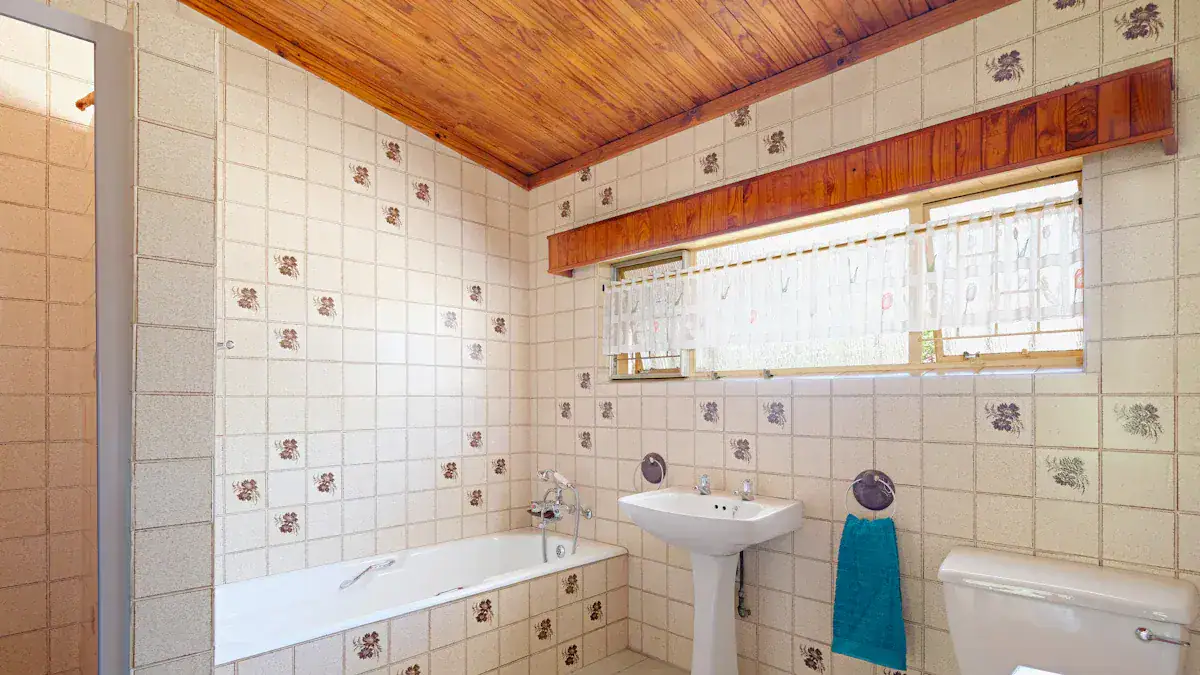
Your shower presents unique painting challenges. Constant moisture, high humidity, and the potential for mold and mildew demand special attention. Choosing the right waterproof paints is essential. This choice prevents damage, ensures longevity, and maintains a hygienic environment. You will learn how to select and apply the best products for a successful and durable shower transformation.
Key Takeaways
Choose special waterproof paints for your shower. These include epoxy, latex acrylic, or specialized bathroom paints. They stop water damage and mold.
Look for paints that fight mold and mildew. They should also be durable and stick well to surfaces. A satin or semi-gloss finish works best.
Always prepare your shower surface before painting. Clean, sand, and prime it well. This helps the paint stick and last longer.
Use low VOC paints for better air quality. Make sure your shower has good airflow when painting. Let the paint dry completely before using the shower.
Clean your painted shower often with mild cleaners. Fix small damages quickly. Repaint every 3-5 years, or when you see bubbling or mold.
Types of Waterproof Paints for Showers
Choosing the right paint for your shower is crucial. Different types of waterproof paints offer unique benefits and drawbacks. You need to understand these differences to make the best choice for your bathroom.
Epoxy-Based Formulas
Epoxy-based formulas are very strong. They are non-porous. This means they do not let water soak in. These paints offer high resistance to chemicals and water. They are also nearly stainproof. Epoxy paints form dense, hard joints. These joints resist abrasion and aggressive scrubbing. They handle steam and demanding wet conditions exceptionally well. However, applying epoxy paint can be more complex. It often requires mixing two parts.
Latex Acrylic Options
Latex acrylic paints are a popular choice for showers. They offer strong adhesion to surfaces. You get durable color that lasts. These paints also dry quickly. This speeds up your project. Latex acrylic options are easier to clean up than other types. Many formulas include additives to resist mold and mildew. They are also low in volatile organic compounds (VOCs). This means fewer strong odors during painting.
Oil-Based Enamels
Oil-based enamels provide a very durable finish. This paint suffers less chipping. It resists water, dirt, and abrasion. It can last for decades. Oil-based enamels create a hard, glossy finish. This finish can look like glass. It offers both beauty and protection. These paints are rugged.
They are easy to clean. However, oil-based paints have significant downsides for showers. They require 8 to 24 hours to dry between coats. This makes your project take longer. They also contain high levels of VOCs. This causes strong odors. You need good ventilation when you use them. Oil-based paints can also yellow over time. This happens especially in areas with little natural light. They can become brittle. This increases the risk of cracking or peeling. For these reasons, many people avoid oil-based paints in enclosed areas like showers.
Specialized Bathroom Paints
Specialized bathroom paints are designed for wet areas. They endure constant steam and moisture. They do not bubble, peel, or blister. These paints create a strong, non-porous barrier. This barrier repels water.
Some advanced formulas allow walls to breathe. This stops moisture from getting trapped behind the paint. High-quality bathroom paints include mildewcides or antimicrobial agents. These stop mold and mildew growth.
This is important for hygiene. Paints with higher sheens, like satin or semi-gloss, are best. They create a smoother surface. This makes them more moisture-resistant and easier to clean. Acrylic paint is an excellent choice for these specialized formulas. It dries quickly. It adheres well. It resists fading and yellowing. These waterproof paints are ideal for your shower.
Key Features of Shower Waterproof Paints
You need to know what makes a paint truly suitable for your shower. Look for specific features. These features ensure your paint lasts and keeps your shower healthy.
Mold and Mildew Resistance
Mold and mildew thrive in wet places. Your shower is a perfect spot for them. Good shower paint fights this growth. Many paints include special chemicals or additives.
These additives stop mold and mildew. For example, “PAINT-GUARD mold & mildew defense paint additive” helps. Zen-Tek’s Anti-Microbial Additive also works. It prevents mold, mildew, and bacteria from growing on painted surfaces. This additive mixes into paints. It protects surfaces in high-moisture areas like your shower.
Paint manufacturers test these products. They use specific industry standards. These tests measure how well paints resist mold and mildew. Some common tests include:
Military Spec 810F
ASTM D 5590 (Agar Plate Method)
ASTM D 3273 (Humidity Chamber Method)
ASTM C 1338
ASTM G 21
A test method from FP laboratories
The ASTM D 5590 Agar Plate Method checks paint samples. It puts them on plates with mold spores. Then, it watches for growth over weeks. The Modified Humidity Chamber Test Method, based on ASTM D 3273, puts painted wallboard pieces in a humid chamber. It directly adds fungal spores. These tests ensure the paint truly resists mold.
Durability and Adhesion Qualities
Your shower paint must be tough. It needs to stick well to surfaces. Durability means the paint lasts a long time. It resists wear and tear. Key factors make paint durable in a shower. It must be mildew or mold-resistant. This is vital in humid bathrooms. The paint should also be washable. This makes cleaning easy. It resists dust, dirt, and grease. A durable finish saves you money. Less durable paints dull with regular cleaning.
Good adhesion means the paint sticks firmly. It does not peel or chip. Some surfaces need special attention. Glossy finishes prevent paint from sticking well. You must sand these surfaces. This creates a rough texture. The paint then bonds better. High-gloss or previously painted surfaces also need a primer. A primer helps the paint adhere properly.
Finish and Sheen Considerations
The paint’s finish, or sheen, matters a lot in a shower. It affects how well the paint resists moisture. It also impacts how easy it is to clean. Semi-gloss finishes are great for kitchens and bathrooms. They have more resin. This makes surfaces repel stains and moisture. They can handle regular washing. High-gloss finishes offer extreme durability. They give maximum moisture resistance. You can use them on vanity bases or accent walls. They handle strong cleaners.
Here is how different paint sheens perform:
Paint Sheen | Moisture Resistance | Cleanability | Recommended for Shower Areas/Bathrooms |
|---|---|---|---|
Satin | Good (resists moisture, prevents water from soaking in) | Easy to wipe clean | Most full bathrooms with average moisture and traffic levels |
Semi-Gloss | Extremely moisture-resistant (handles humidity and heavy cleaning well) | Very durable, easy to scrub | High-traffic family bathrooms or bathrooms without good ventilation |
Flat or Matte | Poor (absorbs moisture, prone to staining, mildew, and peeling) | Difficult to clean without damaging | Not recommended for bathrooms |
High-Gloss | Maximum moisture resistance | Unmatched (handles aggressive cleaning, disinfectants, and light abrasive cleaning) | Specific surfaces like vanity bases or accent walls in bathrooms |
You should choose a higher sheen for your shower.
Satin: This offers a soft shine. It has good moisture resistance. It is easy to clean. It balances style and practicality for bathroom walls.
Semi-Gloss: This has a noticeable shine. It offers excellent durability. It is very easy to clean. It works well for bathroom walls, trim, doors, and cabinets.
High-Gloss: This gives maximum shine. It has exceptional durability. It is extremely easy to clean. It is best for trim, doors, and accent features. It can show wall imperfections.
Higher sheen finishes create a protective barrier. This barrier stops steam, condensation, and splashes. It prevents water from getting into surfaces. This reduces peeling and bubbling. Higher sheens also have tighter binders. This makes a harder, less porous surface. It stops mold and mildew from growing. Satin and semi-gloss finishes are easy to wipe clean. You can remove soap residue without damaging the paint.
Low VOC and Odor Levels
Volatile Organic Compounds (VOCs) are chemicals. They release into the air from many products, including paint. High VOC levels in paint can harm your health. This is especially true in enclosed spaces like showers. You might experience immediate symptoms. These include eye irritation, sneezing, coughs, headaches, nausea, or dizziness. VOCs can also make asthma and allergies worse.
Long-term exposure to household VOCs can cause more serious problems. They can stress organs like your liver and kidneys. They might increase cancer risk with high or frequent exposure. Children’s developing lungs are vulnerable. Pets are also at risk. VOCs can cause neurological issues. These include memory problems, balance problems, and sleep problems. They may even link to learning difficulties in children.
You can reduce VOC exposure. Run exhaust fans when you shower. Fix or upgrade old fans. Consider testing your home air for VOCs. During renovations, ask for low VOC paints. Look for products certified by third parties. GREENGUARD Certification is one such standard. It shows low VOC paint products are suitable for bathrooms. These products minimize VOC off-gassing.
They help create healthier indoor air quality. DWIL Painting’s specialized bathroom paints pass GREENGUARD Certification. They do this even with constant moisture. When you paint, keep windows open. Use fans to direct air outside. Let freshly painted rooms air out before you use them. Choose low VOC Waterproof Paints for a healthier home.
Shower Paint Preparation and Application
You must prepare your shower surface well. This ensures your paint sticks and lasts. Proper preparation is key to a successful painting project.
Essential Surface Preparation
First, clean your tiles thoroughly. Use a sugar-soap solution or a universal degreaser. You can also use products like Comet and a Scotch-Brite pad. Scrub away all soap scum and buildup. Wipe down surfaces with water to remove all residue.
Check your tile grouting. Clean or re-grout it if necessary. Next, sand your tiles. Use 100-150 grit sandpaper. This creates a rough surface, a “key,” for the paint to grip. For a smoother finish, you can wet sand with 400 then 600 grit sandpaper. After sanding, clean the scuffed tiles. Use water and a cloth to remove all dust. Dust stops paint from sticking correctly. Remove any old caulk along the tub base or other joints. Finally, tape off areas you do not want to paint. This includes the bathtub, adjacent walls, and fixtures.
Priming for Optimal Results
Priming is a critical step. It helps the paint adhere better. A good primer seals the surface. It prevents moisture from getting underneath your paint. It also stops stains from bleeding through. Choose a primer designed for wet areas. Apply a thin, even coat. Let it dry completely before painting.
Effective Application Techniques
Apply your paint with care. Use a high-quality brush or roller. Hold your tool steadily.
Apply paint in a continuous, even motion. Work in small sections. This helps you maintain control. Avoid applying too much paint at once. Thin, even coats are better than one thick coat. Let each coat dry before applying the next. Once you finish painting, remove your painter’s tape. Do this while the paint is still slightly wet. This prevents the paint from peeling with the tape.
Ventilation and Drying Best Practices
Good ventilation is vital. Open windows and use exhaust fans. This removes fumes and moisture. It helps the paint dry properly. Allow enough drying time between coats. Always follow the paint manufacturer’s instructions. They specify drying times. Give your newly painted shower at least 24 hours to dry completely. Sometimes, it needs longer. Do not use the shower until it is fully cured. This ensures a durable, long-lasting finish.
Top Waterproof Paint Recommendations
You have many excellent choices for Waterproof Paints in your shower. These products create a moisture-resistant, long-lasting coating on surfaces like tubs and tiles. They protect your bathroom for years.
Leading Epoxy Paint Brands
Epoxy paints offer extreme durability for your shower. Cured epoxy does not absorb water. This makes it perfect for shower walls. It also resists chemicals and is easy to clean. This is very convenient for bathrooms.
Epoxy paints provide many benefits. They withstand heavy use and abrasion. They also resist impact. This makes them suitable for high-use areas. They resist chemicals, oils, and solvents.
This creates a safe, non-reactive coating. Epoxy paints come in various colors and finishes. They enhance the look of your shower. They create a waterproof barrier. This protects surfaces from moisture damage, mold, and mildew. Their smooth surface makes cleaning dirt, grease, and spills effortless. It also resists staining. Epoxy adheres strongly to many surfaces. This includes concrete, metal, and wood. It ensures a finish that will not chip or peel. You can combine it with an epoxy primer for best results.
EPODEX offers top-quality epoxy resins and paints. Over 1 million customers trust their premium products. Sherwin-Williams also has a strong option. Their ‘Pro Industrial High-Performance Epoxy’ works well in demanding conditions. It is suitable for industrial maintenance and high-performance architectural uses. This shows its strength for your shower.
High-Performance Latex Acrylic Choices
Latex acrylic paints are a popular and effective choice for showers. A 100% acrylic latex formula is the industry standard for bathrooms. It offers superior adhesion and flexibility.
This paint forms a film that expands and contracts with wall movements. This prevents cracking and peeling. Its chemical structure creates a tough, non-porous barrier. This barrier resists water. It also makes the surface easy to clean without damage. Acrylic paints contain higher concentrations of acrylic resin. This provides stronger adhesion, greater flexibility, and excellent water resistance. They are a reliable choice for high-moisture areas. This includes small or poorly ventilated bathrooms.
Consider these top-performing latex acrylic options:
Benjamin Moore Aura® Bath & Spa Interior Paint: This paint withstands high humidity. It resists mildew. It offers unparalleled coverage. Its Color Lock® technology provides richer, washable colors. You can clean its washable flat finish with soap and water. This paint is specifically for high-humidity spaces. It ensures vibrant color despite steam exposure. It gives a luxurious matte finish without losing moisture resistance.
BEHR Premium Plus: This paint combines primer and paint. It resists mildew. It offers excellent balance of performance and value. It works well for bathroom walls and trim. You can find it in Satin and Semi-Gloss finishes.
Sherwin-Williams Duration Home Interior Acrylic Latex: This paint contains anti-microbial agents. It is highly scrubbable. It forms a resilient barrier. It resists moisture penetration. It stops mold and mildew growth. You can clean it easily without damaging the finish. It provides the best protection for a pristine look.
Durable Oil-Based Enamel Picks
Oil-based enamels are known for their durability. They are generally superior for repelling water. They are more resistant to moisture. This makes them suitable for shower walls. They create a very tough finish.
However, oil-based paints have some drawbacks. They have a strong odor. You need good ventilation when you use them. They take longer to dry. You also need solvents for cleanup. If you repaint, you must use more oil-based paint. Latex does not stick well to it.
Despite these points, some experts recommend oil-based enamels for waterproofing. One recommendation suggests using a marine, oil-based enamel. You apply it after priming with KILZ (oil-based) primer. This procedure has prevented paint peeling for about 9 years in a shower area.
Specialty Bathroom Paint Products
Specialty bathroom paints are designed for the unique challenges of wet environments. These paints often combine the best features of other types. They focus on moisture resistance, mildew prevention, and easy cleaning.
Crown Trade Clean Extreme Scrubbable Matt is an excellent example. It offers durability and stain resistance. This makes it ideal for bathrooms. It can withstand frequent cleaning.
You can also consider general waterproofing solutions. Mapelastic Aquadefense is one such product. It creates a waterproofing membrane. You can apply it to various surfaces before painting. This adds an extra layer of protection in very wet areas. These specialty products ensure your shower surfaces stay protected and look great.
Maintaining Painted Shower Surfaces

You want your painted shower to look good for a long time. Proper care helps your paint last. Follow these steps to keep your shower looking fresh.
Routine Cleaning for Longevity
Clean your painted shower regularly. Use mild cleaners. Avoid harsh chemicals or abrasive scrubbers. These can damage the paint finish. A soft cloth or sponge works best. Wipe down surfaces after each use. This removes soap scum and water spots. Good ventilation also helps. Run your exhaust fan during and after showers. This reduces moisture buildup. Less moisture means less chance for mold or mildew to grow.
Addressing Minor Damage
Sometimes, small chips or scratches happen. You can fix these quickly. Keep a small amount of your original paint. Clean the damaged area first. Let it dry completely. Then, use a small brush to apply a thin coat of paint. Blend it carefully with the surrounding area. Apply a second thin coat if needed. Let the touch-up dry fully. Fixing small issues early prevents bigger problems later.
When to Consider Repainting
Waterproof paint in a shower usually needs reapplication every 3-5 years. Environmental conditions and the quality of the first paint job can change this timeframe. A homeowner in a high-rise apartment saw her waterproof paint prevent moisture damage for three years. The bathroom stayed mold-free. Regular checks help you find any needed touch-ups sooner.
You will see clear signs when your shower needs new paint.
Bubbling Paint: Moisture gets trapped behind the paint. This means the paint fails to protect the surface.
Scuff Marks That Won’t Wash Away: Cleaning does not remove these marks. The paint has lost its protective finish. It also loses its ability to be washed.
Chalky Residue on Walls: A powdery substance appears on the surface. This means the paint is breaking down. It loses color and strength.
Mold or Mildew Growth: You see persistent black or green spots. Moisture is getting through the paint. This shows the paint has lost its protective qualities.
When you see these signs, plan to repaint. This protects your shower walls.
You now understand how to choose and apply the best Waterproof Paints for your shower. Remember, proper preparation is crucial. Select paints with strong mildew resistance and durability. Always follow application guidelines carefully. Invest in quality products and techniques. This ensures a long-lasting, beautiful, and functional shower space. Enjoy your refreshed and protected shower environment.
FAQ
What kind of paint should you use in a shower?
You should use waterproof paints. These include epoxy-based formulas, latex acrylic options, or specialized bathroom paints. These paints resist moisture, mold, and mildew. They create a durable, protective barrier.
What happens if you use regular paint in a shower?
Regular paint will not last. It absorbs moisture. This leads to bubbling, peeling, and blistering. Mold and mildew will also grow easily. You will see damage quickly.
What does “low VOC” mean for shower paint?
Low VOC means the paint releases fewer harmful chemicals into the air. This improves your indoor air quality. It reduces strong odors during and after painting. You create a healthier environment.
What paint sheen is best for shower walls?
Satin or semi-gloss sheens are best. They offer good moisture resistance and are easy to clean. These finishes create a smoother surface. This helps repel water and prevents mold growth.

