A clogged drain is a common headache, affecting about 10-15% of households annually. You face this frustrating problem when hair, grease, or food waste creates a stubborn blockage in your drain. For severe clogs, sodium hydroxide, commonly known as lye, offers a powerful solution. However, using this chemical requires extreme caution. You must follow strict safety precautions. This guide shows you how to safely and effectively clear clogged drain, alongside vital warnings and troubleshooting tips.
Key Takeaways
Lye (sodium hydroxide) is a strong chemical. It clears severe drain clogs from hair, grease, and soap scum.
Always use safety gear. Wear gloves, eye protection, and long clothes. Ensure good airflow when using lye.
Mix lye with cold water in a non-metal bucket. Always add lye to water, not the other way around. This prevents dangerous reactions.
Pour the lye solution carefully into the drain. Let it sit for 15-30 minutes. Then, flush with hot water.
If lye does not work, do not reapply it many times. Try other tools like plungers or drain snakes. Call a plumber for tough clogs.
Understanding Lye and Its Clog-Clearing Action
What is Lye (Sodium Hydroxide)?
Lye is a powerful chemical. You might know it as sodium hydroxide, or NaOH. This substance is a common ingredient in many commercial drain cleaners. It is highly alkaline. In fact, lye (NaOH) shows pH levels ranging from 7.4 to 12.1 in experimental settings. This high pH makes it very corrosive. You must handle it with extreme care.
How Lye Dissolves Organic Blockages
Lye works by creating a chemical reaction. When you mix lye with water, it generates heat. This heat helps to melt stubborn materials. Lye also chemically breaks down organic substances. For example, it decomposes greases through a process called alkaline ester hydrolysis. This results in water-soluble residues. You can easily remove these residues by rinsing. Lye also facilitates saponification. This reaction transforms oils and fats into soap. For hair, lye breaks chemical bonds within the strands. This causes the hair to swell and eventually dissolve. This action helps to clear clogged drain effectively.
When Lye is the Right Choice to Unclog a Drain
You should consider lye for severe clogs. It is especially effective against blockages made of grease, hair, and soap scum. These are common culprits in many household drains. For instance, if you need to know how to unclog a kitchen sink drain that is slow due to grease buildup, lye can be a strong option. It tackles these tough clogs that plungers or milder solutions cannot fix. The truth about lye is its power. It can dissolve these materials, clearing the drain.
Essential Safety Measures Before Using Lye
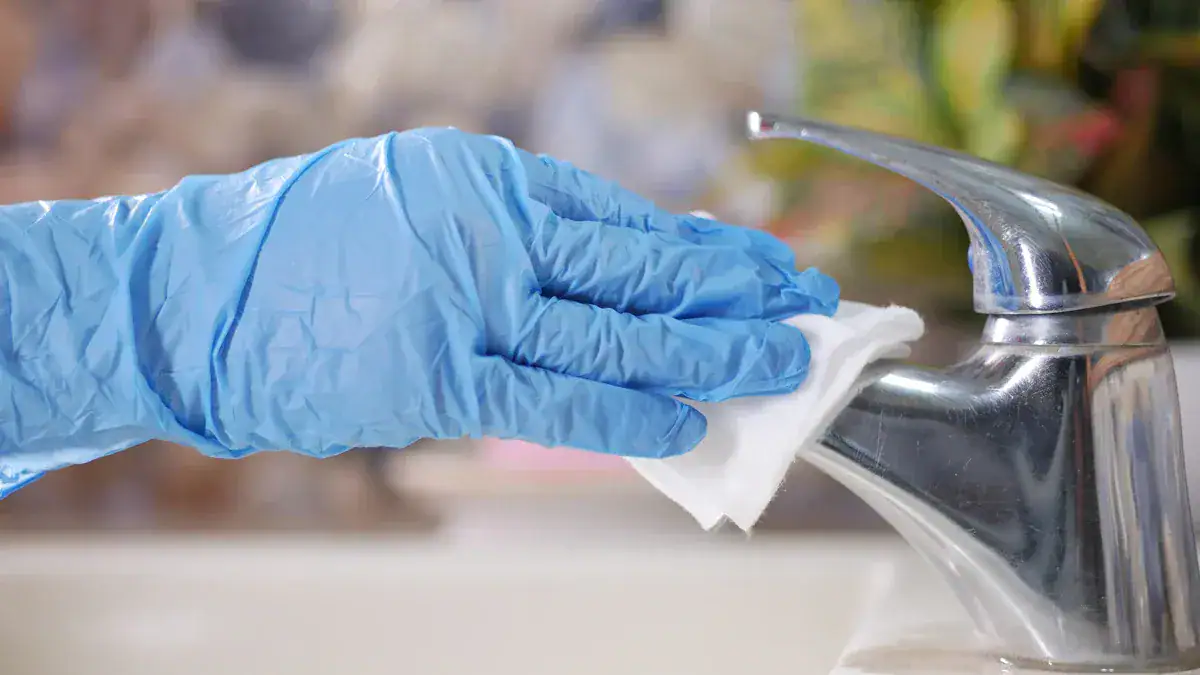
You must prioritize safety when you work with lye. This powerful chemical can cause serious harm if you do not handle it correctly. Follow these essential steps to protect yourself and your home.
Personal Protective Equipment
You need to wear specific gear to protect your body from lye. This chemical causes severe burns and irritation upon contact. You must cover your skin and eyes completely.
Clothing: Wear long pants and long sleeves. An apron provides an extra layer of protection. Choose flat, sensible, closed-toe shoes.
Gloves: Use rubber, latex, or nitrile gloves. These materials resist chemicals. Do not use vinyl gloves.
Eye Protection: Goggles or safety glasses are essential. A face shield offers even more protection for your entire face.
Breathing Protection: If you use lye in powder form, wear a vapor-resistant safety mask. This protects your lungs from fumes.
Contact with lye can cause severe pain or burning in your eyes, nose, ears, lips, or tongue. It can even lead to vision loss. On your skin, lye causes burns, redness, blistering, and hives. The pain from a lye burn can sometimes appear hours later. This delay makes immediate protection crucial.
Ensuring Proper Ventilation
Lye creates fumes when it mixes with water. You must work in a well-ventilated area. Good airflow helps to disperse these fumes.
Open windows and doors in your work area.
Turn on exhaust fans.
Some people mix lye on their stove and use the stove vent to pull fumes away.
Others prefer to mix lye near a sink with good ventilation.
Proper ventilation protects your respiratory system from inhaling harmful vapors.
Protecting Surfaces from Lye
Lye is highly corrosive. It reacts with many materials. You must protect surfaces in your work area.
Metals: Lye reacts with aluminum, magnesium, zinc, tin, chromium, brass, and bronze. This reaction can produce hydrogen gas.
Sugars: Lye reacts with sugars to create carbon monoxide.
Organic Tissue: This includes your skin, eyes, mouth, and any pets.
Cover countertops and floors with old towels or plastic sheets. Remove any items made of reactive metals from the area. Keep pets and children away from your workspace. This prevents accidental contact and damage.
Critical Warnings: Never Mix Lye with Other Chemicals
You must never mix lye with other household chemicals or drain cleaners. This is a critical safety rule. Mixing these substances creates dangerous reactions.
These reactions can cause:
Respiratory problems
Severe eye irritation
Explosions
Damage to your plumbing pipes
Combining different chemicals can also make your clog worse. It can create unpredictable and very dangerous outcomes. Always use lye by itself.
Step-by-Step Guide to Using Lye
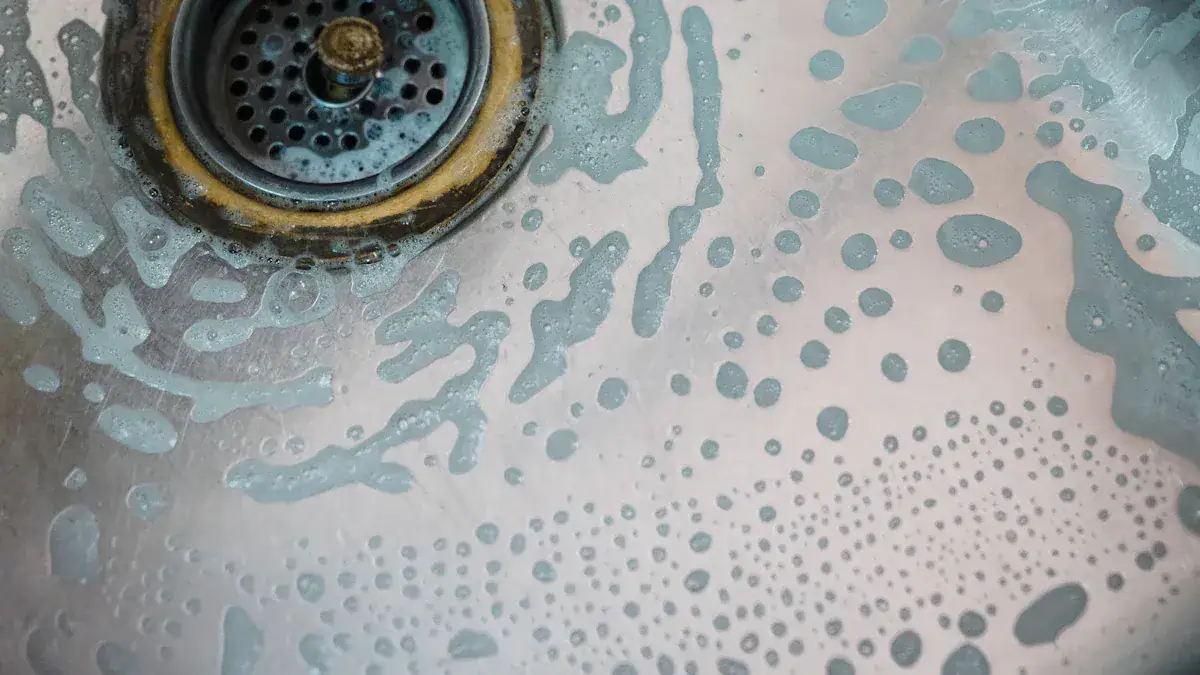
You now understand the power of lye and the critical safety steps. This section guides you through the process of using lye to clear a clogged drain. Follow each step carefully for effective and safe results.
Gathering Materials for Drain Clearing
Before you begin, gather everything you need. This preparation saves time and ensures safety. You will need:
Lye (sodium hydroxide): Ensure it is 100% pure lye, often found in hardware stores.
Cold water: You will use this for mixing.
Non-metallic bucket: A plastic bucket works well.
Long-handled stirring tool: Use a plastic or wooden spoon.
Measuring spoons and cups: For accurate measurements.
Personal Protective Equipment (PPE): Gloves, eye protection, long sleeves, long pants, and a mask.
Ventilation: Open windows or turn on a fan.
Old towels or plastic sheets: To protect surfaces.
Preparing the Lye Solution Safely
Mixing lye requires precision and caution. Always prioritize your safety gear.
Put on your PPE: Wear your gloves, eye protection, and protective clothing.
Ensure ventilation: Open windows or turn on an exhaust fan.
Prepare your container: Use a non-metallic bucket. Safe container options include plastic (specifically PP #5 for mixing, HDPE #2 for storage of cooled solution), quality stainless steel, borosilicate glass, or Nalgene containers.
Add cold water first: Pour the required amount of cold water into your non-metallic bucket. Never add lye to hot water, as this can cause a violent reaction.
Add lye slowly: Carefully add the lye crystals to the cold water. Always add lye to water, never water to lye. This prevents splashing and excessive heat generation.
Mix the solution: Stir the mixture gently with your long-handled tool until the lye dissolves. The solution will heat up. For a safe and effective lye solution, a water-to-lye ratio of 2:1 (resulting in a 33% lye concentration) or 1.8:1 (resulting in a 36% lye concentration) are good choices. These ratios are suitable even for beginners.
Applying Lye to the Clogged Drain
Now you will apply the prepared lye solution to the clogged drain. Be very careful during this step.
Clear the drain area: Remove any standing water from the sink or tub.
Pour lye carefully: Using a plastic spoon, carefully pour a few tablespoonfuls of lye directly into the drain hole. Avoid splashing.
Add water: Follow this with about a quarter cup of cold water. This helps disperse the lye down into the clog.
Lye Application and Waiting Period
Give the lye time to work its magic on the clog.
Allow it to sit: Let the lye and water mixture sit in the drain for approximately 15-30 minutes. This waiting period allows the lye to generate heat and dissolve the organic materials causing the blockage.
Do not disturb: Avoid running water or using the drain during this time.
Monitor: Watch for any signs of the clog breaking down. You might hear gurgling sounds.
Thoroughly Flushing the Drain
After the waiting period, it is time to flush the drain. This step removes the dissolved clog and any remaining lye.
Use hot water: Carefully pour a large amount of hot water down the drain. You can use several liters. This helps to wash away the dissolved blockage and clear the pipes.
Flush completely: Continue flushing until the water flows freely. Ensure no lye residue remains in the pipes.
Repeat if necessary: If the drain still seems slow, you can repeat the process once more. However, do not repeat it multiple times if the clog persists.
Troubleshooting and DIY Drain Clog Solutions
Sometimes, even with careful application, lye may not clear your drain. You need to understand why this happens and what to do next.
Common Reasons Lye May Not Work
Lye works best on organic clogs like hair, grease, and soap scum. It may not work if your clog consists of inorganic materials. For example, plastic toys or metal objects will not dissolve with lye. Also, if the clog is too dense or too far down the pipe, lye might not reach it effectively. You might also have used an incorrect lye-to-water ratio. This can reduce its effectiveness.
When Lye Solidifies: Addressing a Worsened Clog
Lye can solidify in your pipes. This happens if you do not use it correctly or if the original clog is not fully cleared. This solidification makes the clog worse.
One clear sign that lye has worsened a drain clog is when the drain becomes slower than it was before the lye was used. This can happen if the lye solidifies within the pipes, forming a new, more stubborn obstruction. For instance, in one case, after using lye beads to clear a drain, a large chunk of solidified lye was found in an elbow leading to the p-trap. Even after removing this visible chunk and snaking the pipes, the drain’s performance deteriorated, becoming slower than its initial state, suggesting further solidified lye deeper in the system.
Solidified lye can also damage your pipes.
Chemical drain cleaners, including those with lye, can damage various pipe materials. This includes PVC, galvanized steel, copper, and iron.
Caustic materials can corrode pipes if they sit in a completely clogged drain.
Some drain cleaners can solidify in pipes.
Solidification can weaken pipe joints and accelerate damage.
Solidification makes clogs more difficult to remove. If lye solidifies, you can try running hot water through the drain. This helps dissolve the lye clog.
When to Reapply Lye or Stop
You should avoid using lye multiple times if the drain remains clogged. Reapplying lye can exacerbate the problem. It increases the risk of pipe damage or further solidification. While some products, like ComStar Pure Lye®, suggest reapplication for monthly maintenance, this does not mean you should keep adding it to a persistent clog. If the first application does not clear clogged drain, you should consider other diy drain clog solutions.
Alternative Methods for Stubborn Clogs
If lye does not work, you have other options. These different ways to unclog drains can be effective.
Plungers: These use hydraulic pressure and suction. They dislodge clogs. A good seal is important.
Drain snakes (or augers): These are flexible metal cables. You push them into pipes to break up or snag blockages. You can find various sizes.
Drain sticks: These barbed plastic tools grab hair and debris. They work well for surface-level hair clogs.
Commercial drain cleaners: Some other commercial cleaners are available. Choose those that are base-based, similar to lye, if you want a chemical solution. These are effective and natural remedies for many clogs. You can find a suitable diy unclogging solution among these.
When to Call a Professional Plumber
Sometimes, you need professional help. You should call a plumber if:
Backflow: Water bubbles back into sinks, showers, or tubs.
Blocked Drains: Water stands in an appliance. No water can drain.
Empty or Overflowing Toilet Bowl: The toilet bowl is empty or overflows.
Localized Drain Odor: An unpleasant smell comes from a specific drain.
Low Water Pressure: Water pressure drops in only one appliance.
Slow Draining: Water drains noticeably slower than usual.
Preventing Future Drain Clogs
You can avoid the frustration of a blocked drain. Proactive measures keep your plumbing clear. You will learn how to prevent clogs in your drains with simple habits.
Regular Drain Maintenance Tips
You can maintain your drains with regular care. This prevents future clogs.
Use drain strainers. These catch hair, food particles, and other debris. Regularly empty the collected waste.
Avoid pouring grease, oil, and fats down the drain. They solidify and cause stubborn clogs. Instead, allow them to solidify. Dispose of them in the trash.
Clean kitchen drains regularly. Flush them with hot water. Follow this with a mixture of baking soda and vinegar. Then, use more hot water. This breaks down organic matter. It also eliminates odors.
Clean bathroom sink drains. Remove the cover. Use a cup plunger for blockages. Or, pour a mixture of baking soda and vinegar down the drain. Let it sit. Then, flush with hot water.
Proper Disposal of Grease and Food Waste
Improper grease disposal harms more than just your pipes. It impacts the environment. You can learn how to prevent clogs in your drains and protect nature.
Water Pollution: Grease forms a barrier on water surfaces. This blocks sunlight for aquatic plants. It decreases oxygen levels. This harms fish and other organisms. Sewer overflows from grease blockages spread untreated wastewater and toxins.
Harm to Wildlife: Animals exposed to grease suffer. It compromises their insulation and mobility. Grease-coated feathers impair birds’ temperature regulation. Ingestion leads to health issues.
Soil Contamination: Grease infiltration alters soil composition. It impedes nutrient absorption and plant growth. This reduces agricultural productivity.
Greenhouse Gas Emissions: Grease in landfills produces methane. This happens through anaerobic decomposition. Methane contributes significantly to global warming.
Using Drain Screens Effectively
Drain screens are simple tools. They prevent debris from entering your pipes. You should use them on all your drains. They stop food, hair, and soap scum. These screens fit over drain openings. You can find them at hardware or bath stores.
Drain Screen Type | Effectiveness at Preventing Clogs |
|---|---|
Flat Sink Strainers | Most effective; excellent at catching tiny debris, allows easy water flow, easy to clean. |
Basket Strainers / Strainer Baskets | Effective at catching larger debris. |
Mesh Drainers | Can be effective for hair and small food, but prone to blockages, reducing effectiveness. |
Pop-up Drainers | May not prevent debris as effectively as mesh drainers. |
Lye offers an effective solution to clear clogged drain when you use it correctly and with extreme caution. You must follow all safety guidelines and instructions precisely to avoid hazards. Remember the key steps: prepare safely, apply carefully, and flush thoroughly. Know when to seek professional help; homeowners typically pay between $150 and $400 for professional drain cleaning services. Finally, practice preventative measures for long-term drain health. This helps you avoid needing to unclog a drain frequently.
FAQ
What are some alternative methods if lye does not work?
You can try several different ways to unclog drains. Use a plunger for suction. A drain snake can physically remove blockages. You can also make a diy unclogging solution with baking soda and vinegar for minor issues. This is a simple diy approach. You can easily make a diy unclogging solution at home.
How do you unclog a bathroom sink effectively?
To unclog a bathroom sink, first remove the stopper.
Use pliers to pull out any visible hair.
Pour a mixture of baking soda and vinegar down the drain.
Let it sit, then flush with hot water. This helps to unclog a bathroom sink.
What is the best way to unclog a bathtub or shower drain?
To unclog a bathtub or shower drain, try a drain snake to pull out hair and soap scum. A plunger can also create suction to dislodge clogs. For persistent issues, you might need a chemical cleaner. This helps to unclog a bathtub or shower drain.
How can you unclog a toilet without a plunger?
💡 Tip: To unclog a toilet without a plunger, pour a cup of baking soda into the bowl. Follow it with two cups of vinegar. Let it fizz for 30 minutes. Then, pour hot water into the bowl. This can help to unclog a toilet.
What is a quick DIY solution for a slow kitchen sink drain?
To unclog a kitchen sink drain, pour half a cup of baking soda down the drain. Follow it with half a cup of white vinegar. Let it sit for 30 minutes. Then, flush with hot water. This simple diy unclogging solution can often clear minor grease and food buildup.