

Many people believe ceramic and porcelain tiles do not need sealing. This is a common mistake. While these ceramic tiles are often non-porous, their grout lines always require protection. Sealing is important for your ceramic tile’s longevity. It also provides stain resistance and makes cleaning easier. You need to choose the right sealer for optimal results. Many types of sealer exist, and finding the best sealers for your specific tile installation is key.
Key Takeaways
Always seal your tile grout, even if your tiles are not porous, to stop stains and mold.
Choose between penetrating sealers for invisible protection or topical sealers for a surface coating and different looks.
Match your sealer to your tile’s porosity and the area’s traffic to get the best protection.
Clean and dry your tiles well before sealing, and use pH-neutral cleaners for upkeep.
Why Seal Ceramic and Porcelain Tiles?
Protecting Grout Lines
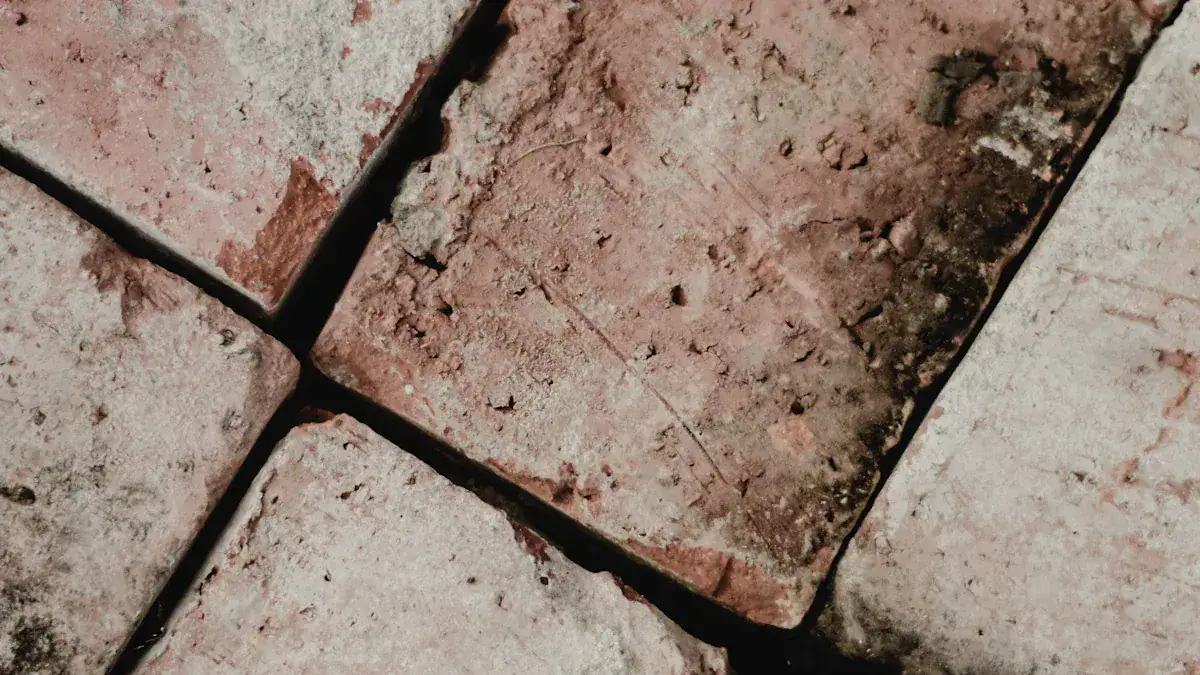
You might think your ceramic and porcelain tiles are invincible. They are very dense. However, the grout lines between your tiles are not. Grout is porous. It easily absorbs liquids and dirt. This makes your grout lines vulnerable to stains and moisture. Sealing your grout creates a protective barrier. This barrier repels moisture and stains. It gives you excellent stain resistance. It makes it difficult for mold and mildew to grow.
Sealing tile and grout lines primarily prevents stains from common culprits. These include colored liquids like red wine and coffee. It also stops oils, such as cooking oil, from penetrating. Water can also cause staining and damage. Sealing protects against these and other potential staining agents. Products like ColorSeal make your grout lines mold- and stain resistant.
They are also water-resistant. This prevents these fungi from causing damage. Penetrating sealers absorb into the grout. They form a water-resistant barrier. This allows the grout to breathe. This is ideal for high-moisture areas. Sealing your grout after installation is important. Do this typically 48-72 hours after curing. This prevents moisture from seeping in. Regular reapplication of sealer is necessary. Do this every six months to a year. Sealers wear down over time. This is especially true in high-moisture environments.
Enhancing Tile Durability
Sealing your ceramic tile installation offers more than just clean grout. It significantly enhances the durability of your entire tiled surface. Sealed surfaces show improved resistance to daily wear.
They also resist potential deterioration. This includes increased surface structural integrity. Sealing reduces vulnerability to liquid penetration. It minimizes the risk of permanent staining. Stains can compromise tile structure over time.
Applying tile sealer creates a critical barrier. This barrier minimizes potential damage. It protects from environmental factors like moisture, dirt, and chemical exposure. This extends the lifespan of your tiled surfaces. Re-caulking creates a resilient barrier.
This prevents harmful substances like moisture and dirt from causing damage. It ensures the structural longevity of your tiles. It safeguards your home’s overall structure. It prevents moisture from permeating deeper layers. This can affect subfloors and walls. It can lead to costly repairs.
Sealing enhances durability. It protects against wear, fading, and surface degradation. It maintains the original strength and appearance of your ceramic tiles. This extends the lifespan of your tiles. It reduces replacement and repair costs. It prevents damage that would otherwise necessitate such interventions.
Types of Tile Sealers
You have many choices when you select a sealer for your tile. Each type offers different benefits. Understanding these differences helps you pick the best sealer for your needs.
Penetrating Sealers for Invisible Protection
Penetrating sealers are a popular choice. They absorb into the tile or grout material. They form a protective barrier just beneath the surface. Most penetrating sealers do not change the tile’s appearance.
They offer invisible protection. This means your tile looks natural. They guard against water and stains. This makes them an excellent choice for many surfaces.
These sealers have different chemical compositions. You find main types like Silane, Siloxane, Siliconate, Silicate or Silica, and Fluorinated. Some are densifiers and hardeners. These often use Silicate or Silica chemistries.
Others are water repellents. These usually come from Silicone, like Silane, Siloxane, or Siliconate, or Fluorinated chemistries. Silicone-based materials primarily repel water. Fluorinated materials repel both water and oil. Most penetrating sealers are water-based. Some can be solvent-based penetrating sealer options.
You can find many effective penetrating sealers. MAPEI UltraCare Penetrating Plus Stone, Tile & Grout Sealer works well for cement-based grouts and porous natural stone. MAPEI also offers UltraCare Penetrating Plus SB Stone & Porcelain Tile Sealer for similar uses.
Aqua Mix Sealer’s Choice Gold is another good option. Concrete Sealers USA provides fluorinated sealers. These are effective on porous natural stone and cement-based grout. Examples include ‘PS099 Fluorinated Water, Oil & Salt Repellent WB Stone Sealer’ and ‘PS100 Fluorinated Water, Oil & Salt Repellent WB Penetrating Sealer’. These are often a water-based penetrating sealer.
Topical Sealers for Surface Coating
Topical sealers work differently. They form a protective layer on the surface of your tile. This layer often gives the surface a sheen. These sealers are effective for aesthetic improvements and surface protection.
They repel moisture and prevent water damage. They also create a barrier against dirt, oil, grease, and chemicals. This layer acts as a sacrificial layer. It absorbs wear and tear.
You often find topical sealers useful for specific applications. Acrylics are an economical choice for sealing pavers. They provide excellent gloss and enhance color. Solvent-based versions are especially good for this.
Polyurethanes are ideal for sealing. They offer toughness. They also have superior UV and chemical resistance compared to acrylics. Topical sealers are often better for indoors. They are also good when aesthetic enhancement is important. Acrylic sealers suit low-wear areas. These include residential driveways and patios.
Epoxy or polyurethane-type sealers are best for high-traffic commercial areas. These areas need durable protection against abrasion, chemicals, and stains. GlazeGuard Gloss sealer gives a high-sheen finish. GlazeGuard Satin Floor Sealer provides a satin finish on ceramic and porcelain tiles.
However, topical sealers have some limitations. They form a film on the surface. This can change the tile’s appearance. It might create a new sheen, either glossy or matte. It can also enhance colors.
Average topical sealers do not bond well with denser ceramic and porcelain tiles. Experts often recommend against using them on such surfaces. Low-solid sealers not designed for porcelain or ceramic tiles can quickly delaminate. This means they lift and peel within weeks or months.
Cleaning with water-based cleaners makes delamination worse. This is because of moisture sensitivity. Fast-drying acrylic sealers often do not bond well or long-term to ceramic or porcelain tiles. Their lifespan can be as short as one or two months. Polyurethane options can last three to five years.
Enhancing Sealers for Color Boost
Enhancing sealers are a special type of sealer. They are typically penetrating sealers. But they also deepen the color of the tile or grout. This makes the colors richer and more vibrant.
You prefer enhancing sealers in specific situations. You might want a glossy finish for natural stone surfaces. This gives a polished and sleek appearance. Or you might prefer a matte finish. This offers a subdued and low-shine look. You choose enhancing sealers to match your personal aesthetic taste. They change the final appearance of the stone or tile. These types of porcelain tile sealers bring out the natural beauty of your surfaces.
Choosing the Best Sealer for Porcelain Tile and Ceramic
You want to protect your investment in ceramic and porcelain tiles. Choosing the right sealer is a critical step. The best sealer for your project depends on several factors. You need to consider the tile’s porosity, the area’s traffic, and your desired look.
Matching Sealer to Tile Porosity
Understanding your tile’s porosity helps you select the correct sealer. Porosity refers to how much liquid your tile absorbs. You can easily test this yourself. This simple test helps you determine if you need a penetrating or topical sealer.
Here is how you perform the standard water droplet test:
Ensure your tile surface is clean. It must be free of dust.
Place a single quarter-sized drop of potable water on the tile. Use a pipette for accuracy.
Observe the absorption time to determine the results:
If the water absorbs in less than 1 minute, your tile is porous or absorptive.
If the water takes more than 1 minute to absorb, your tile is non-porous or non-absorbent.
Perform three tests for the first 2,000 square feet. Do at least one test for each additional 3,000 square feet.
If your tile absorbs water quickly, it has high porosity. It requires frequent sealing. If water beads remain on the surface longer, your tile has lower porosity. It needs less frequent sealing. Unglazed or polished porcelain tiles are often more porous. They benefit from both a penetrating sealer and a topical sealer for enhanced protection.
Penetrating sealers, also known as impregnating sealers, go deep into the tile’s pores. They create an invisible barrier. This barrier repels water and stains. It preserves the tile’s natural appearance. These are ideal for high-traffic and outdoor areas. They do not change slip resistance or surface texture. Topical sealers form a visible protective layer on the surface.
They offer finishes from matte to high-gloss. They provide excellent protection against spills. However, they may change the tile’s natural look. They can also show wear in heavily trafficked areas.
These are more suitable for indoor applications. You use them when you want color enhancement or a specific aesthetic. For most natural stone, penetrating sealers are preferred.
They offer long-lasting protection without altering inherent characteristics. However, topical sealers might be better for specific situations. These include creating a ‘wet look’ on slate or protecting highly porous tiles in commercial kitchens. The ultimate choice depends on your tile type, location, desired appearance, and expected wear patterns.
Selecting the Best Sealer for High-Traffic Areas
High-traffic areas like kitchens and bathrooms demand a durable sealer. You need a sealer that withstands constant use and exposure to moisture. The best sealers for these areas offer superior protection.
When you choose a sealer for high-traffic zones, consider these key performance indicators:
Surface Hardness: This is crucial for indoor spaces. It helps the tile withstand daily wear and tear.
Dust Control: An important factor for maintaining clean, low-maintenance indoor environments.
Resistance to Staining: Essential for areas with foot traffic or potential spills. You need a stain resistant product.
Abrasion Resistance: This helps the tile endure mechanical scrubbing, pressure washing, and repeated friction.
Bond Strength: The sealer must maintain its bond under industrial or commercial conditions.
Chemical Stability: The sealer must resist various contaminants and cleaning agents.
Quick Curing Times: This allows for a rapid return to service. It minimizes downtime.
For kitchens and bathrooms, you need sealants specifically designed for high moisture. These sealants are formulated to resist mold and mildew growth. They offer excellent adhesion properties. This ensures a tight and durable bond with various surfaces.
These include ceramic tiles, porcelain, glass, plastic, and metal fixtures. Polyurethane sealants provide superior water resistance and flexibility. They form a strong barrier against water intrusion.
This prevents leaks. Mildew-resistant properties help maintain a clean and hygienic environment. Low-VOC (volatile organic compound) formulas create a durable barrier against moisture. This prevents water damage and mold growth in high-humidity areas. You need a sealer that is truly stain resistant in these busy spaces.
Identifying the Best Sealer for Porcelain Tile
Porcelain tile is dense. However, its grout lines still need sealing. You need to find the best sealer for porcelain tile that protects both the tile and the grout. Some porcelain tile sealers offer invisible, penetrating protection.
Several specific sealer products perform optimally on porcelain tile and its grout lines:
GlazeGuard Gloss: This sealer is formulated specifically for ceramic and porcelain tiles. It creates a clear, high-gloss, ‘wet look’ finish over both the tile and grout. It forms a protective barrier against chemicals and soiling. This makes cleaning easier.
GlazeGuard Satin: This product bonds specifically with ceramic and porcelain tile. It provides a ‘wet look’ with a medium sheen across the tile and grout. It offers a protective barrier resistant to water and chemicals. It enhances ease of cleaning.
GlazeGuard Matte: This sealer is engineered for ceramic and porcelain tile. It delivers a natural, low-sheen appearance. It creates a protective barrier over both tiles and grout. It offers strong resistance to chemicals and water. It simplifies maintenance.
GlazeGuard® Plus: This is a solvent-free, low-odor urethane coating. It offers excellent adhesion and performance. When combined with CoverGrip, it significantly improves slip resistance. It meets NFSI standards.
Other excellent options include:
UltraCare Penetrating Plus Stone, Tile & Grout Sealer: This is a premium, natural-look, water-based penetrating sealer. It offers maximum protection against common stains for various surfaces. These include polished porcelain tile and all cement-based grouts. It maintains the surface’s original appearance. It is breathable. It resists peeling, flaking, or darkening.
UltraCare Penetrating Plus SB Stone & Porcelain Tile Sealer: This is a premium, natural-look, solvent-based penetrating sealer. It uses VOC-exempt materials. It provides maximum protection. Once cured, it helps prevent the absorption of both water and oil-based contaminants. This simplifies cleaning and maintenance. It is specifically recommended for polished porcelain tile and cement-based grouts.
Stone Pro Tile & Grout Sealer is another high-performance penetrating impregnator. It offers maximum stain protection for both sanded and non-sanded grout lines. It also prevents dirt retention issues on porcelain and ceramic tiles. This sealer is safe for various surfaces.
These include natural stone, concrete, and other man-made materials. It does not alter the appearance of grout lines or tiles. It forms an invisible protective shield. This shield guards against spills, stains, and grime. You now know how to choose the best sealer for porcelain tile.
Applying and Maintaining Your Porcelain Tile Sealer
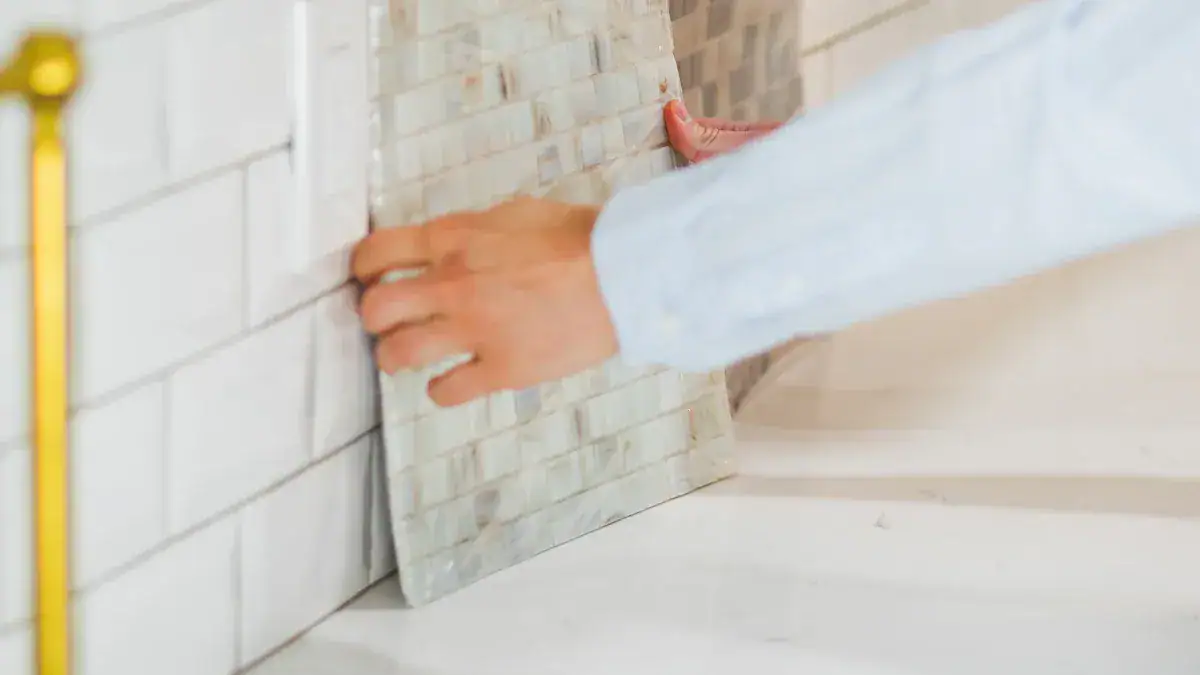
You have chosen the right sealer for your ceramic and porcelain tiles. Now, you need to apply it correctly. Proper application and maintenance ensure your sealer performs its best. This protects your investment for years.
Surface Preparation for Sealing Porcelain Tile
Before you apply any porcelain tile sealer, you must prepare the surface. Clean and dry your tile and grout thoroughly. This step is crucial for the sealer to bond properly.
First, clean the surface. Avoid products with ammonia or acid for basic ceramic tile and grout. These can discolor and damage the surface. Always use an alkaline pre-spray (pH 7 or higher) first. This breaks down grease, grime, and acidic soiling. Examples include Prochem Professional Alkaline Tile and Grout Cleaner. Follow manufacturer instructions for dilution and dwell time. Use scrubbing devices for agitation.
A plastic or nylon deck brush works well for basic ceramic tile and grout if you do not have an automatic scrubber. If stubborn stains like rust or mineral buildup remain after alkaline cleaning, use acid spotters. Always remove all surface soil before using acid. Neutralize surfaces after using acidic cleaners.
Next, rinse the floor thoroughly with clean water. Use a wet vac to pick up dirty water. Avoid mopping, as it can redistribute dirt. Then, let the surface dry completely. Grout sealers typically dry to the touch within 30 minutes. For light use, wait at least 2–4 hours before stepping on sealed tile. Full curing can take 24–48 hours, depending on humidity.
In challenging environments like bathrooms, wait at least 48 hours. This ensures complete dryness. You know the grout is dry when it has uniform color, feels cool and firm, shows no powdery residue, and has no wet smell.
Best Practices for Sealer Application
Applying sealer correctly ensures maximum protection. Use the right tools for an even application.
Lambswool applicators are best for even distribution. They press the sealer into the surface. Microfiber cloths are ideal for removing residue. They help you achieve a streak-free finish. Paintbrushes are useful for smaller areas and detailed work. A long-handled applicator ensures even penetration of the sealer. A paint tray helps manage the amount of sealer you apply.
Clean towels or rags are essential for wiping off any excess sealer. This ensures a flawless finish. A paint roller or brush helps achieve even distribution across the tile surface. Avoid sponges, as they can lead to uneven coverage. Rollers often create bubbles and an inconsistent finish. Follow the product instructions for your specific sealer. This includes the number of coats and drying times between coats. These application tips for porcelain tile sealers help you achieve the best results.
Long-Term Sealer Maintenance
Maintaining sealed porcelain tiles extends their life and effectiveness. You need to know when to reapply sealer and what cleaning products to use.
For most interior surfaces, penetrating sealers typically last up to 5 years. However, some tiles, like LIVDEN tiles, need an annual reseal. The longevity of a sealer varies. It depends on the product, installation location, and wear and tear. Regularly check your sealer’s effectiveness. You can do this by performing the water droplet test again. If water absorbs quickly, it is time to reapply.
For cleaning, use pH-neutral cleaners. These are specifically designed for sealed tile and grout surfaces. They lift dirt without damaging the grout or stripping the sealer. Products like CLR Pro Grout Cleaner remove mold and soap scum.
OxiClean MaxForce Gel is good for greasy stains. Lysol Power Bathroom Cleaner kills bacteria. Method Antibacterial Bathroom Cleaner uses plant-based ingredients. Scrub Free Grout Cleaner works on tough stains with minimal effort. These products help preserve your sealer’s effectiveness.
Sealing your ceramic and porcelain tile is crucial. It preserves the beauty and function of your ceramic installations. You must choose the right sealer for your specific ceramic tile and environment. Follow application and maintenance recommendations. This ensures long-lasting protection and satisfaction for your tile.
FAQ
What happens if you do not seal your tile grout?
If you do not seal your tile grout, it absorbs liquids easily. This leads to stains from spills. Mold and mildew can also grow in unsealed grout. Your grout will look dirty and can break down faster.
What kind of sealer should you use for outdoor tiles?
For outdoor tiles, you should use a durable penetrating sealer. This type of sealer protects against water and stains. It also resists harsh weather conditions. Look for sealers with good abrasion resistance.
What is the best way to clean sealed tiles?
You should clean sealed tiles with pH-neutral cleaners. These cleaners lift dirt without harming the sealer. Avoid harsh chemicals or abrasive scrubbers. Always wipe up spills quickly to prevent stains.
What is the lifespan of a tile sealer?
The lifespan of a tile sealer varies. It depends on the product and how much traffic the area gets. Most interior penetrating sealers last up to 5 years. You should retest your sealer yearly to check its effectiveness.

